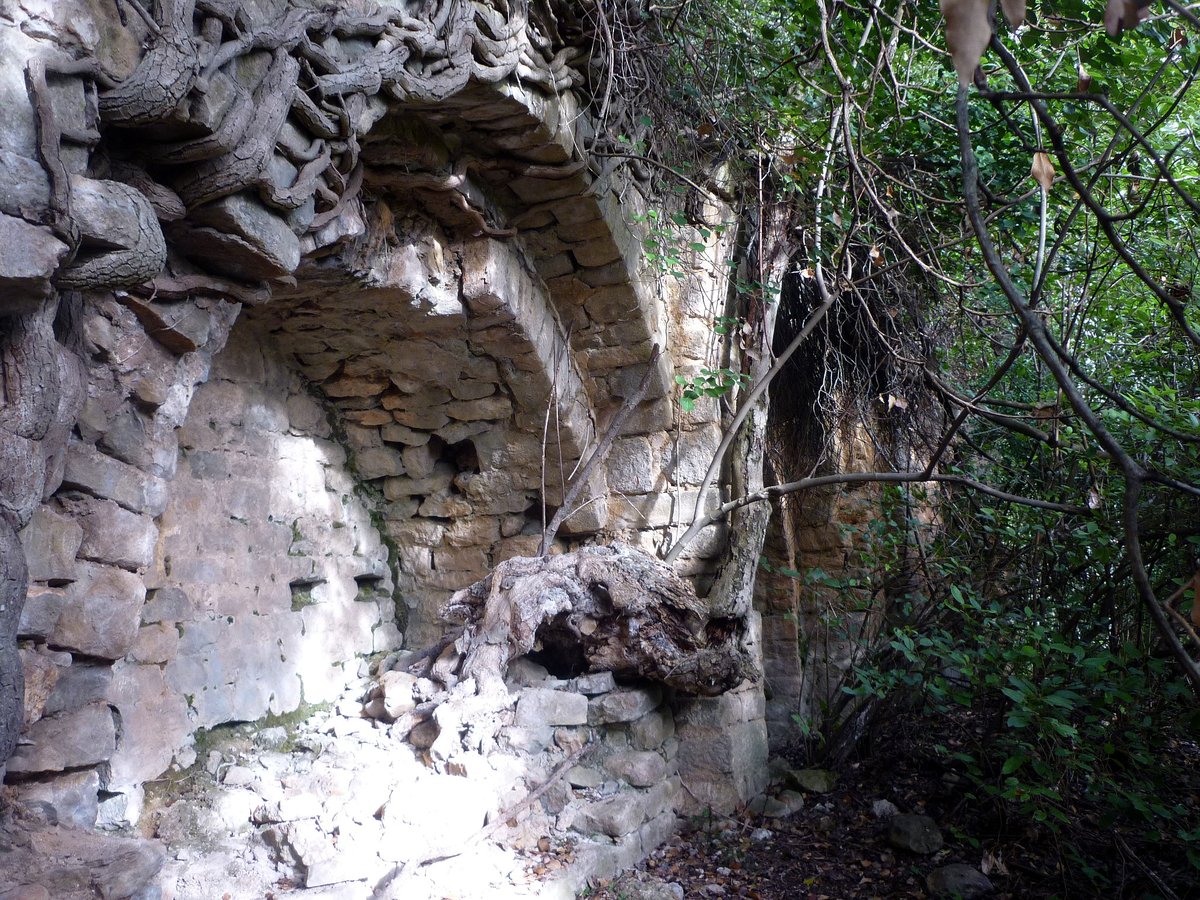

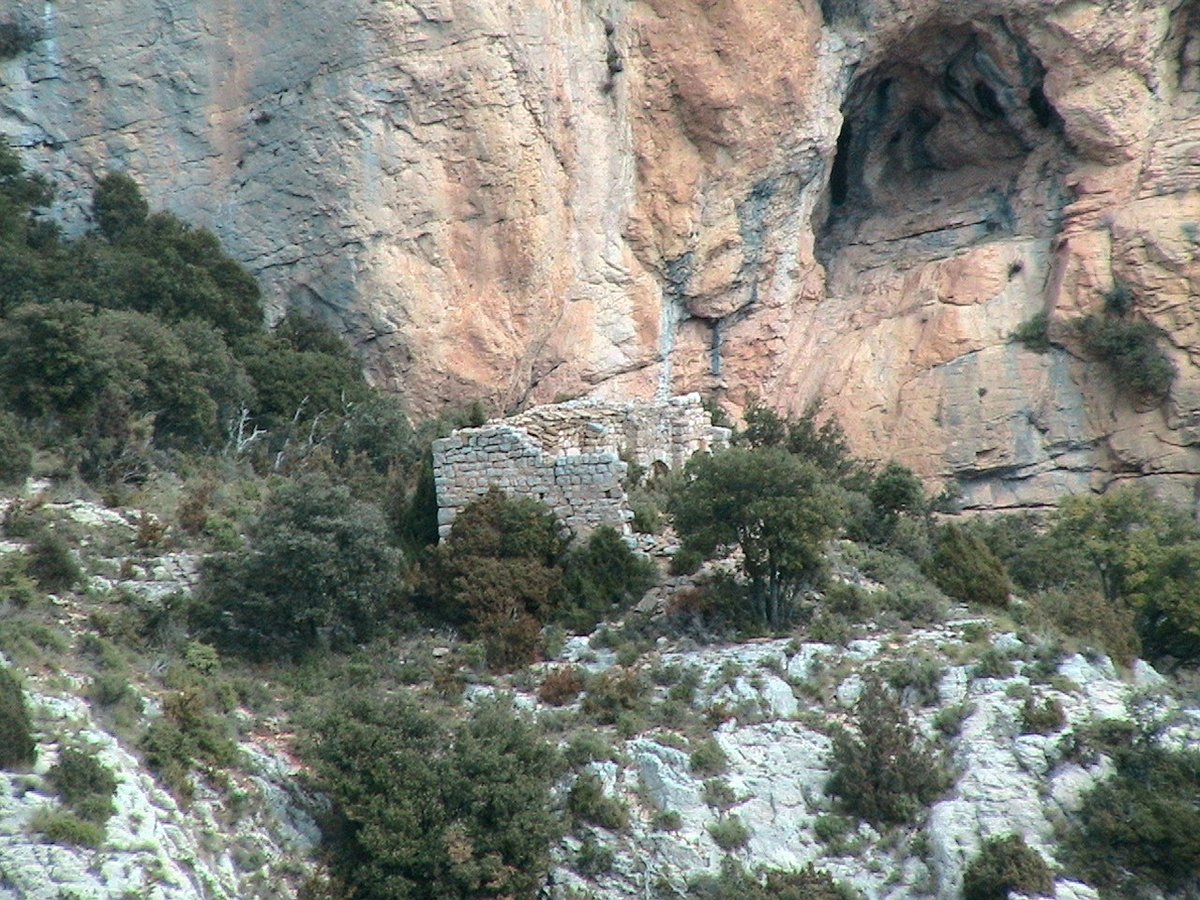
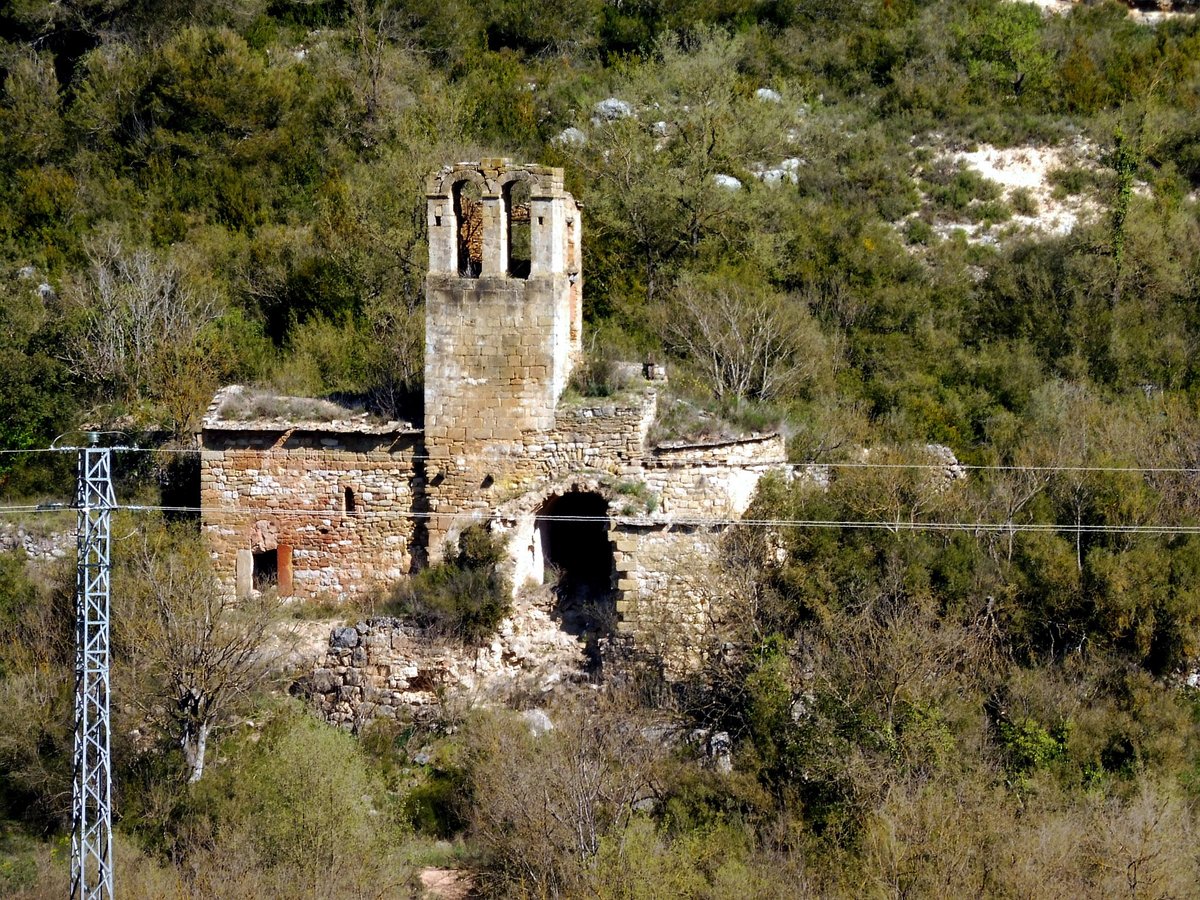
The ruins of Santa Maria de la Vansa stand within the barranc de la Font Freda. While it is not a cave church, this free-standing structure is joined to the northern rock face, with two openings creating a direct connection between the interior of the building and a natural cave known as a balma.
Historical records provide a limited window into the past, but the chapel was active in 1391. During that year, a local priest paid a fee to the Diocese of Urgell to reclaim a lost tithe. The structure likely served as a parish church before the area was abandoned and its status changed to a rural chapel.
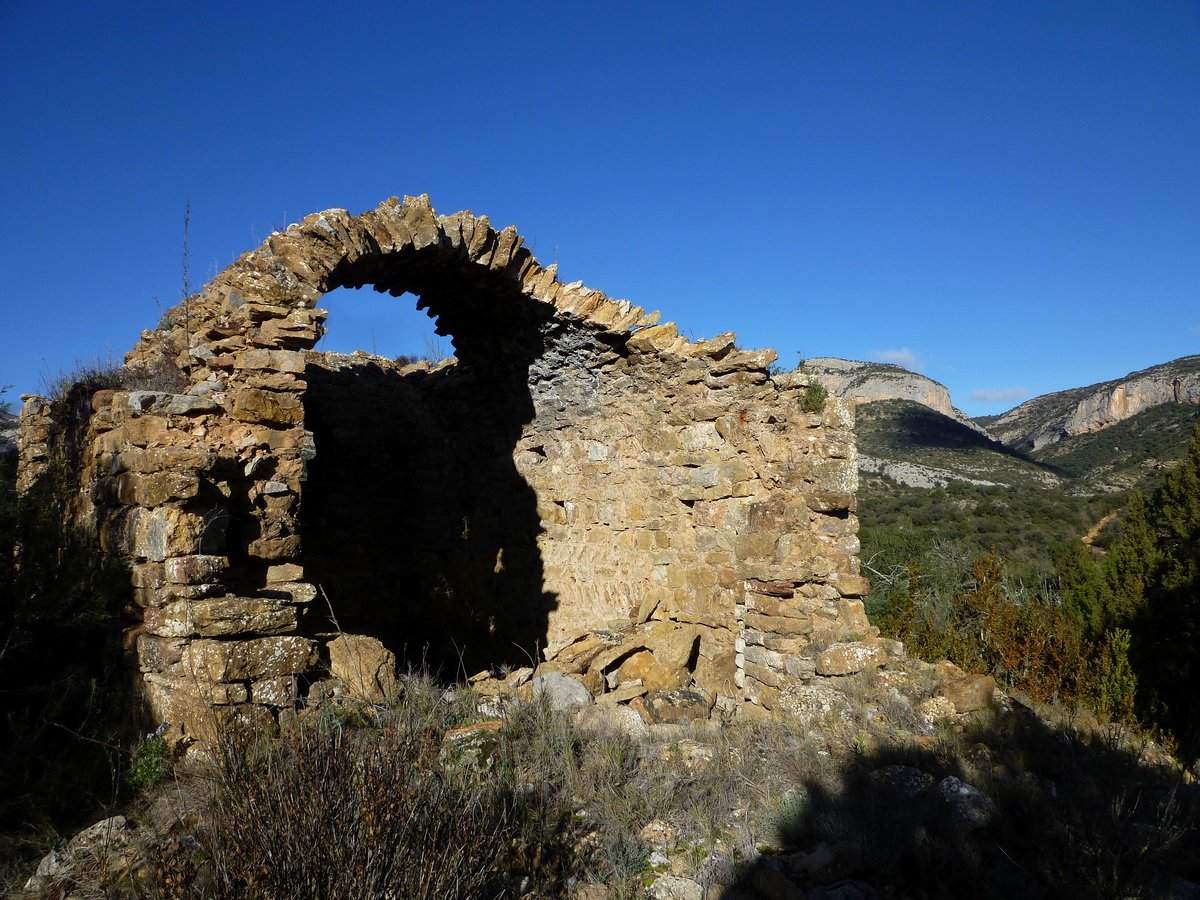
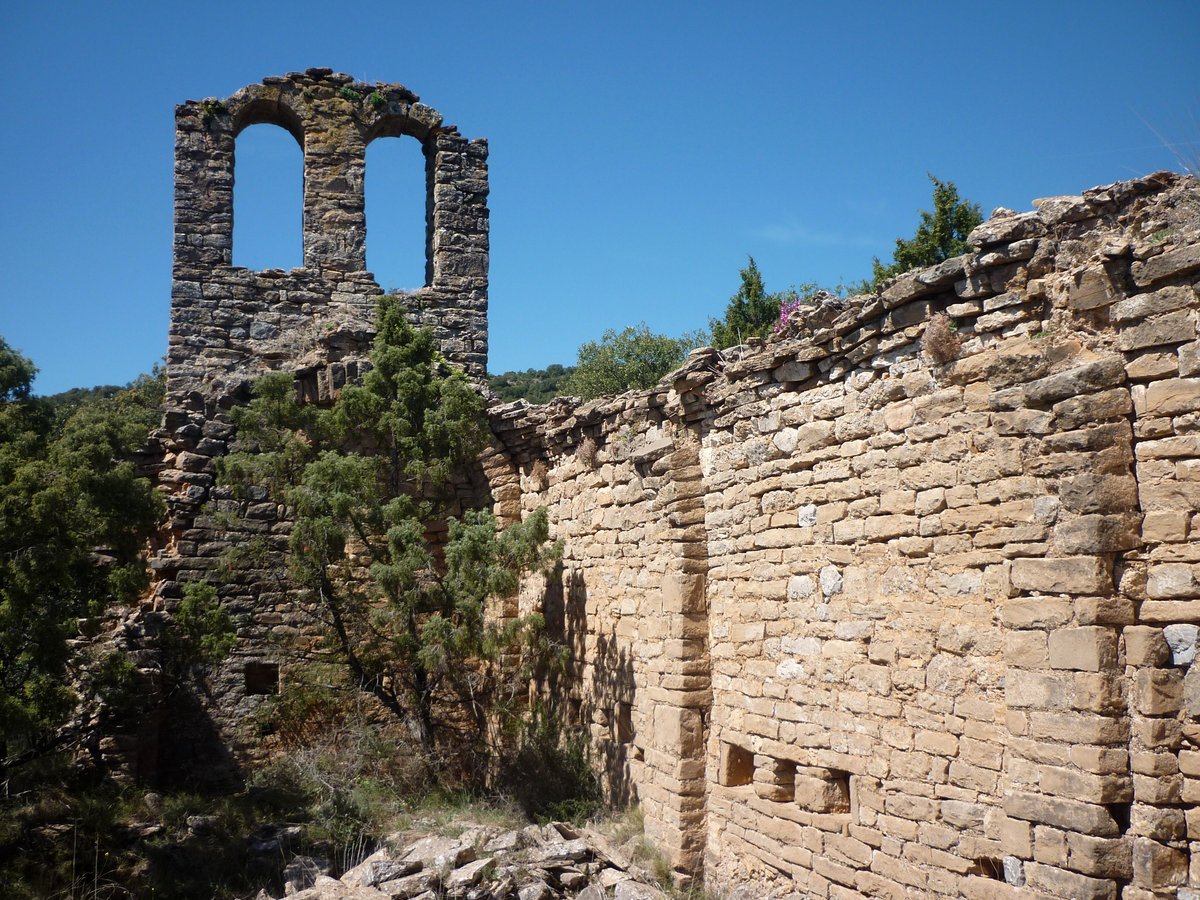
The masonry consists of regular squared blocks characteristic of architecture from the late 11th century. In the eastern section, two arch-shaped supports adapt the structure to the inequalities of the rock wall. Inside the nave, in the northwest corner, there is a circular room two meters in diameter covered by a hemispherical dome, though its original function is unknown.
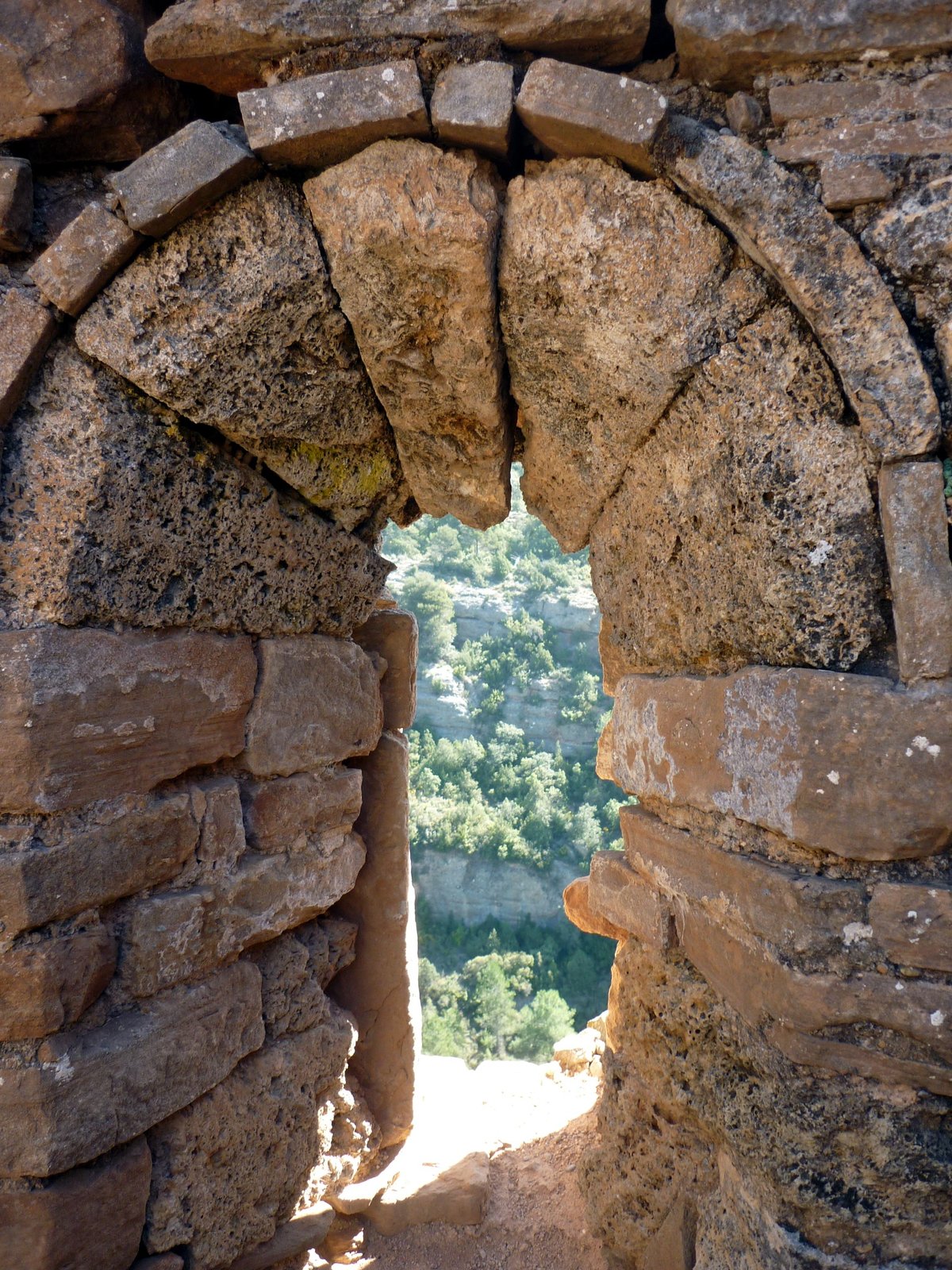
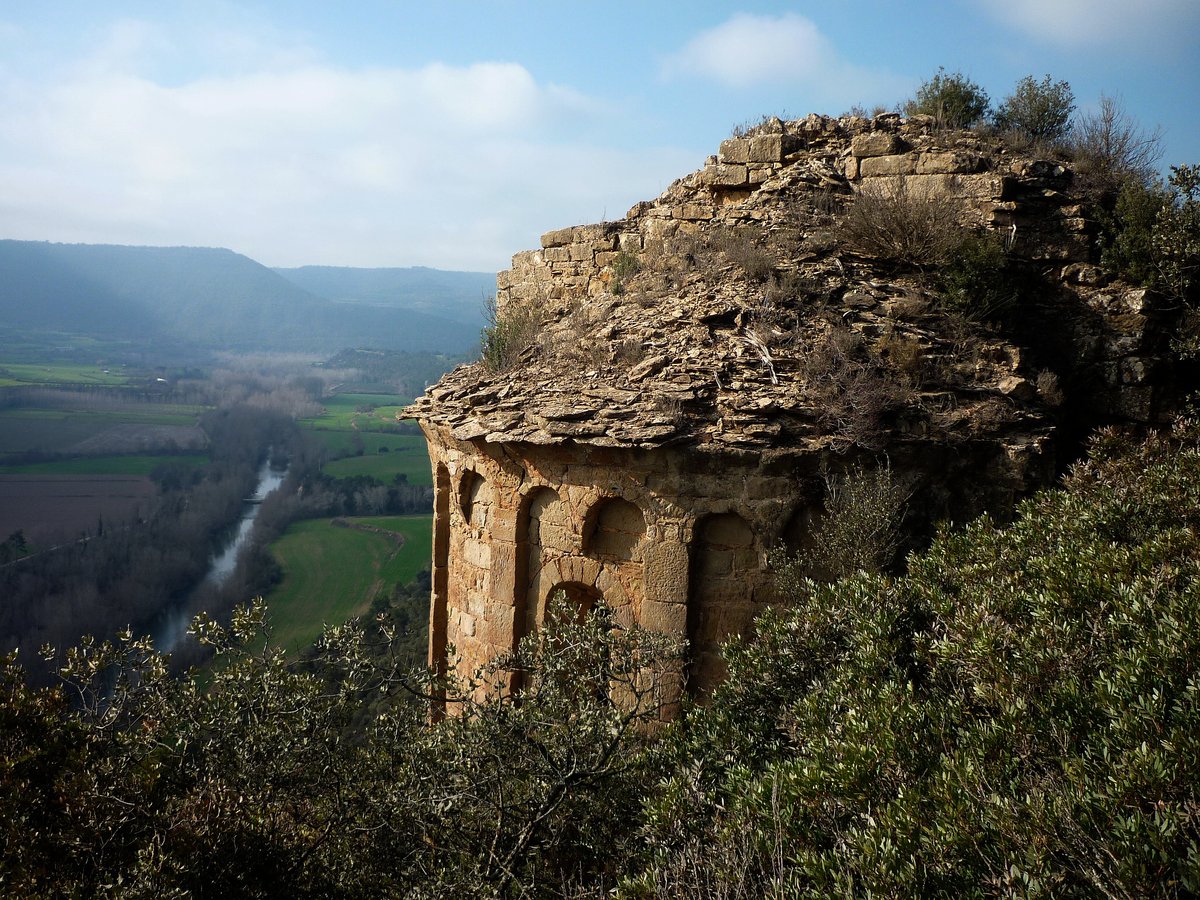
Located in the rugged barranc de la Font Freda, the site sits about 50 metres west of the troglodytic dwellings in the Balmes de la Vansa. The main apse is now practically buried, leaving only a single double-mullioned window that opens to the rock.
Sources: Wikipedia, OpenStreetMap, Wikidata, Wikimedia Commons
Written by Nik Frost
Discuss this with the author and others
No comments yet. Be the first to start the conversation.