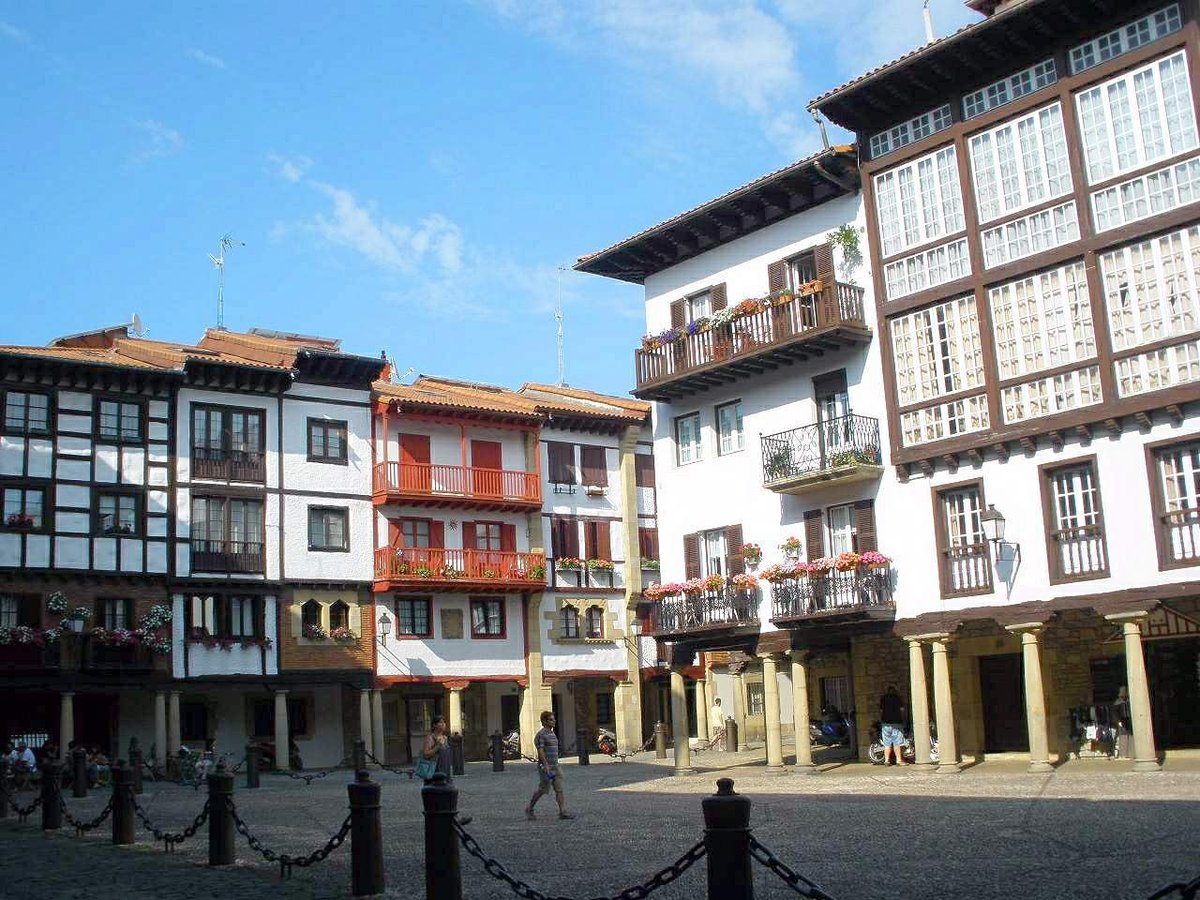

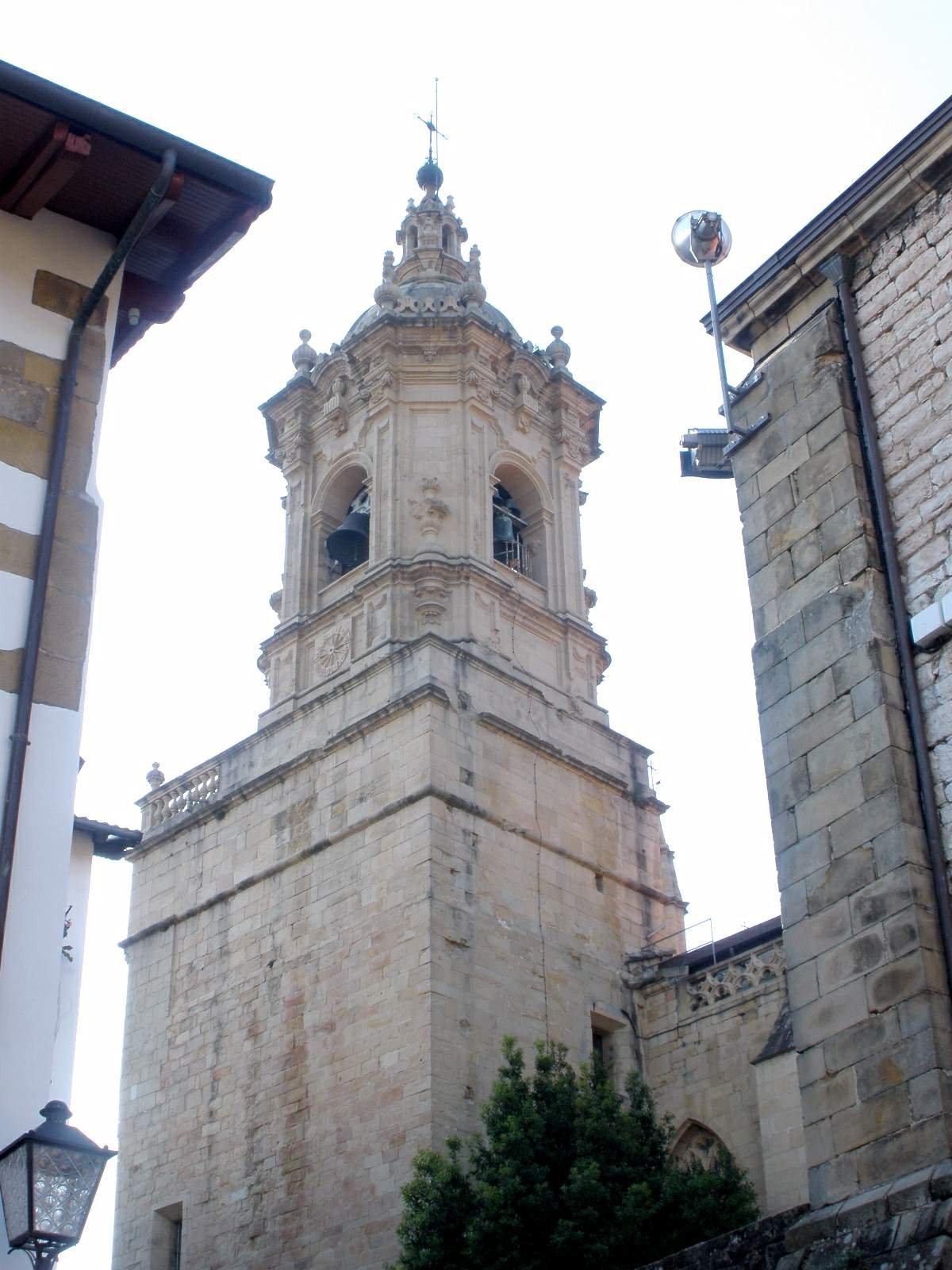
The Old Part of Donostia (Alde Zaharra) represents the first inhabited nucleus of the city, with origins dating back to the 12th century. Located on a promontory between Mount Urgull and the Urumea River, the district was almost completely destroyed during the 1813 siege of San Sebastián. During this conflict, Anglo-Portuguese forces conducted sackings and a subsequent fire that devastated the area. Only an isolated block of houses in Trinitate kalea and several religious structures - including the Basilica of Santa Maria del Coro, the church of San Vincenzo martire (San Bizente Martiria), and the monastery of San Telmo - were saved from the flames.
Because of this destruction, the current structure of the district primarily dates to the first half of the 19th century. The defensive walls that once enclosed the neighborhood were demolished in 1863 to allow for the expansion of the city. Today, only a few remnants of these walls remain in the area near the port. The district is bounded to the south by a boulevard, known popularly as Bulebarra, which replaced the ancient fortifications.
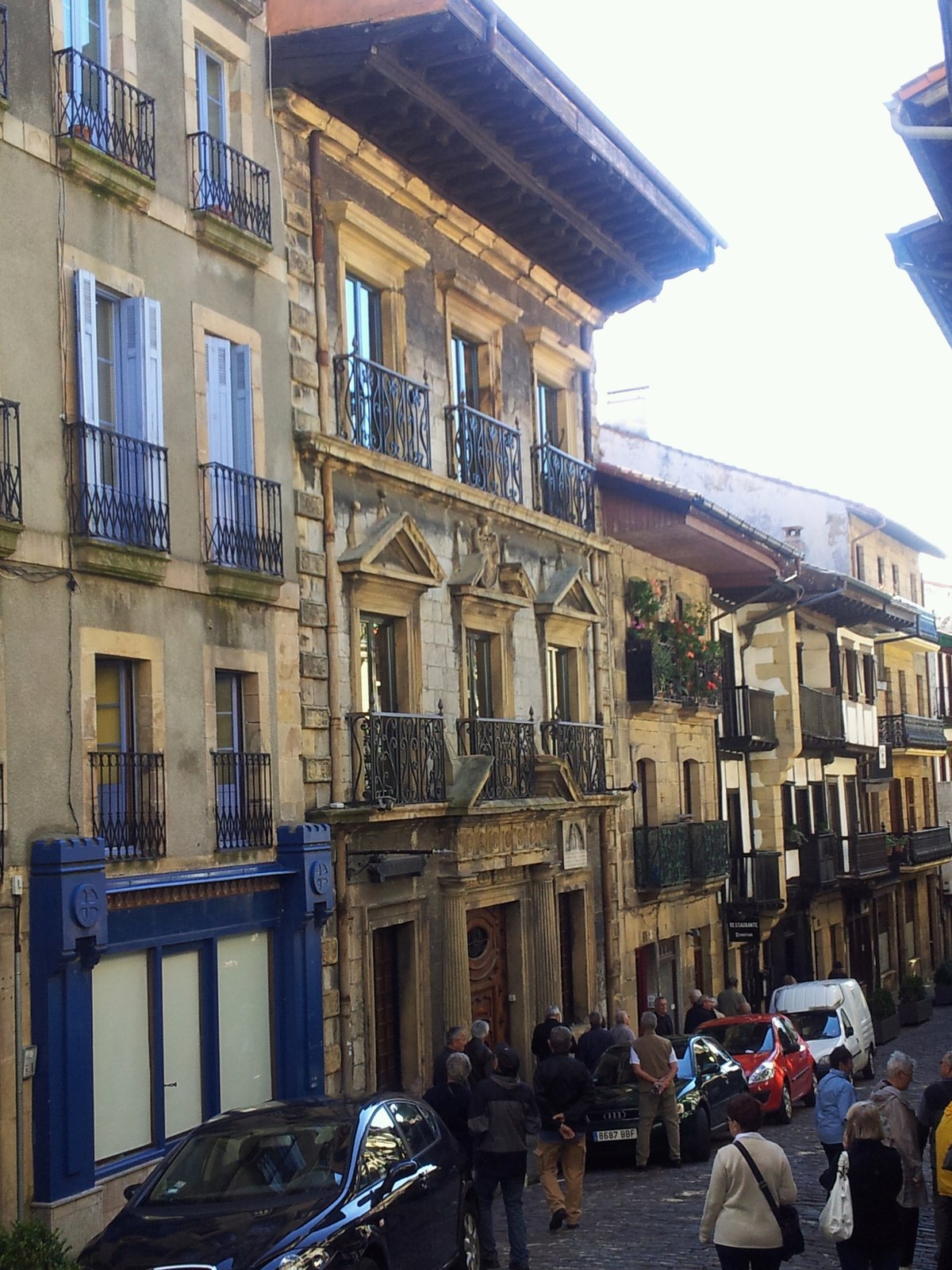
Declared a historical monument by the Basque government on April 16, 2019, Alde Zaharra remains a significant historical site. Its narrow streets and central location serve as a preserved record of the city's medieval origins and its reconstruction following the 1813 siege. Visitors can explore the core of the city, where the historical layout reflects centuries of transformation from a walled settlement into a modern urban center.
Sources: Wikipedia, Wikimedia Commons, Wikipedia, Tolosako Alde Zaharra eta gordetzen duen historia guztia, Old Part of Donostia - BASQUE COUNTRY GUIDE, Explore the Charms of Alde Zaharra: A Historical Gem, Explore the Charm of Alde Zaharra: A Historical Gem in Hondarribia

Written by Nik Frost
Discuss this with the author and others
No comments yet. Be the first to start the conversation.