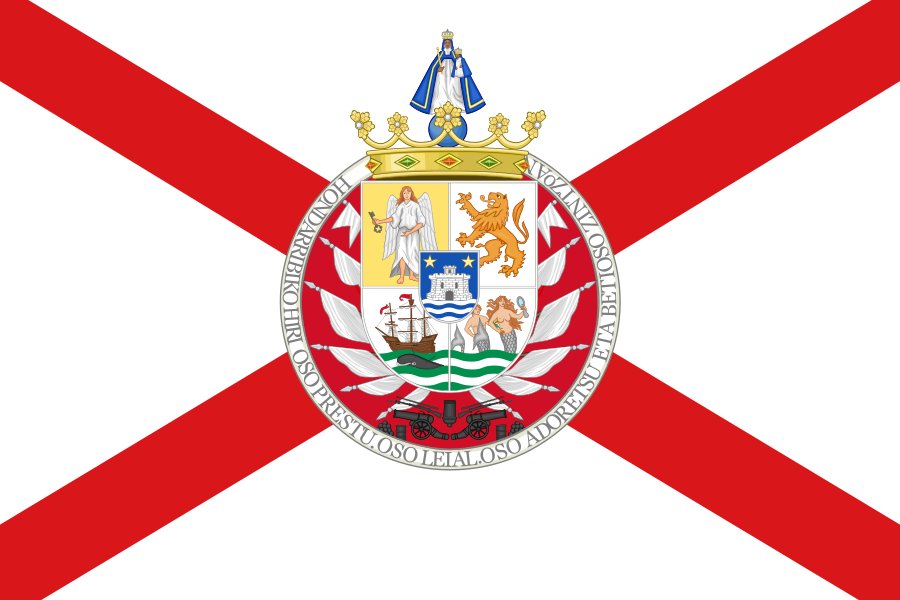

The Castle of Carlos V in Hondarribia was built in the 16th century as a frontier fortress, its thick stone walls designed to repel invaders. By 1638, it had already weathered decades of conflict, its original 10th-century Navarrese core replaced by the grandeur of imperial ambition. That year, French forces laid siege to the town for 69 days, firing 16,000 cannonballs and 473 mortar bombs at the fortress. The walls, reinforced by Charles V’s own design, bore the scars of this bombardment, their surfaces pitted with the remnants of war.
The defenders, led by Spanish forces under Juan Alfonso de Cabrera, held their ground until the siege ended in a dramatic relief on 7 September 1638. The event is still commemorated annually by the Alarde festival, where locals reenact the battle’s climax with drums and torches. The castle’s military role extended beyond the 1638 siege. It served as a strategic stronghold against French encroachment, its artillery platforms and fortified gates a testament to 16th-century military engineering.
But by 1794, the structure had fallen into ruin during the French Revolutionary Wars, its once-proud façade reduced to rubble. A century later, in 1968, the site was rehabilitated as a Parador Nacional hotel, blending historical resilience with modern comfort. Today, visitors walk through the same corridors where cannonballs once crashed, their footsteps echoing the echoes of battles long past. The thick walls still bear the marks of cannon fire, and the restored façade now hosts a café where tourists sip coffee while gazing at the Bay of Biscay.
The castle’s transformation from military bastion to tourist destination reflects a broader story of reinvention. During its 1968 restoration, artisans added a coat of arms, a lintel, and replaced stones to honor its imperial legacy. The Parador Nacional in Hondarribia remains a symbol of this duality - where history is not just preserved but lived. The 1660 betrothal of the Spanish Infanta, the 1638 siege, and the 1794 destruction are all etched into its stones, waiting for travelers to uncover them.
The castle’s story is not just one of warfare and survival, but of how a place can carry the weight of centuries, its past never far from the present.
Sources: Wikipedia, Wikimedia Commons, Castle of Carlos V (Hondarribia) — Gipuzkoa | Tour de Castles, Castle of Carlos V: A Historic Jewel in Hondarribia, Hondarribia, Gipuzkoa - Explore in Google Maps, Siege of Fuenterrabía (1638) - Wikipedia
Written by Nik Frost
Discuss this with the author and others
No comments yet. Be the first to start the conversation.