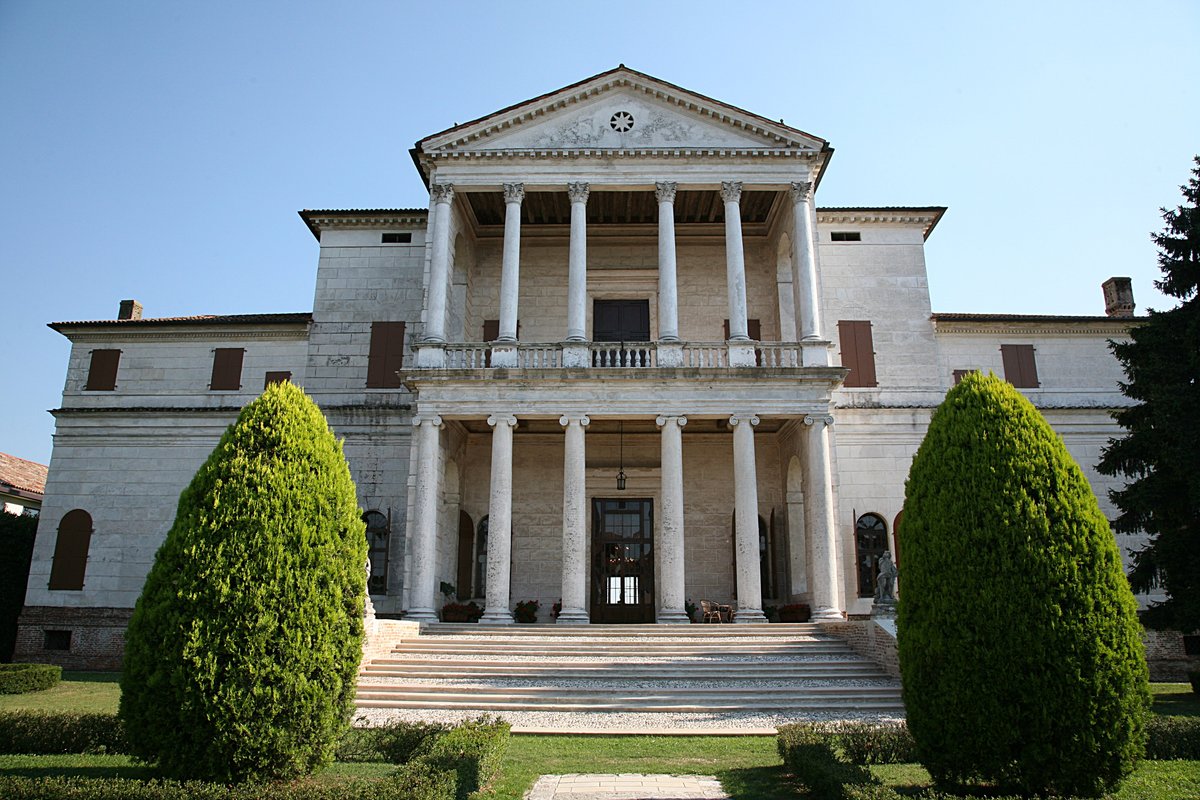

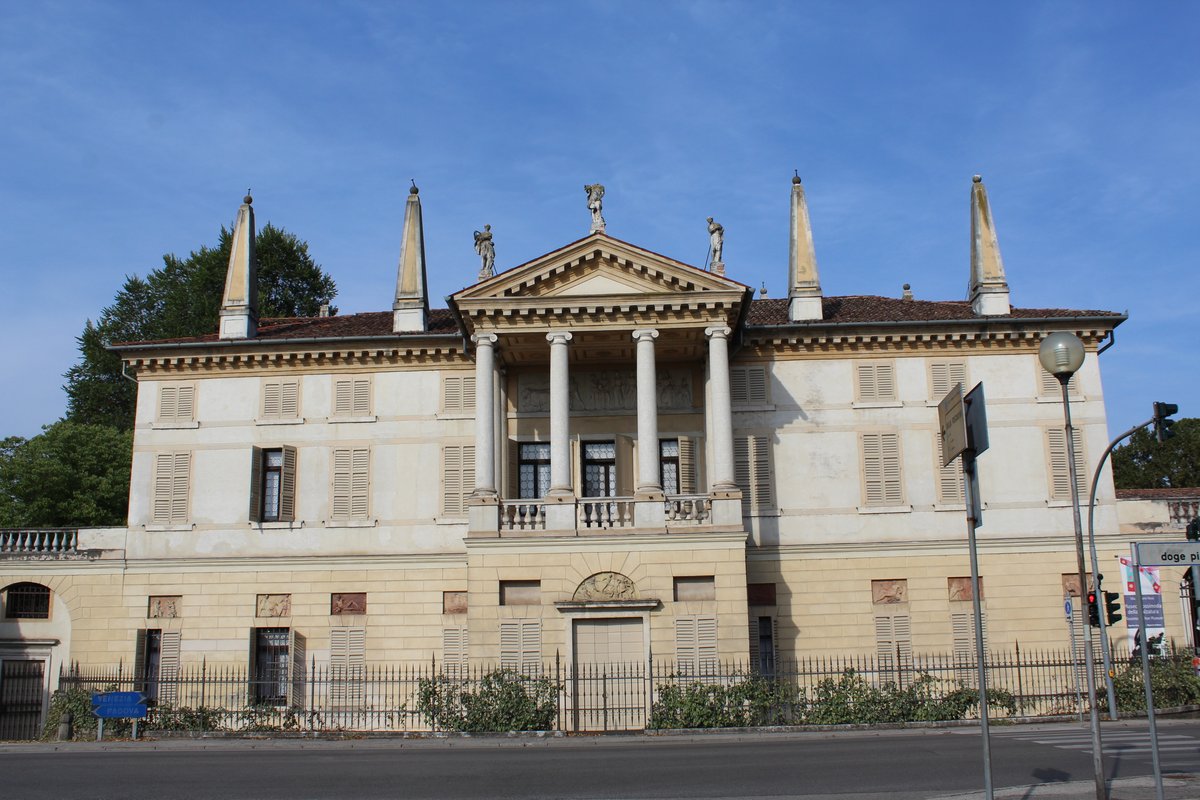
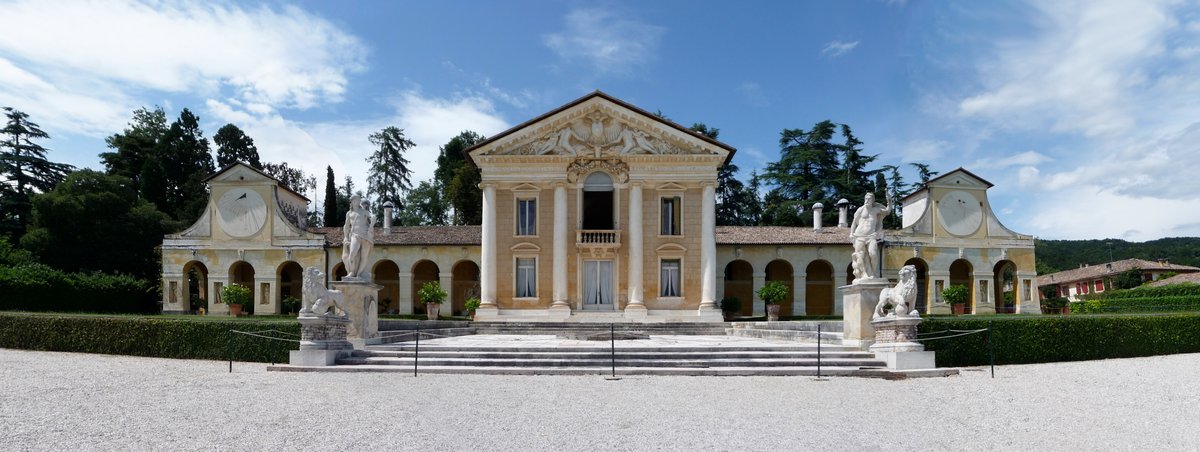
Why does this villa look so familiar in South Carolina? Because it became a model for villas all over the world. Andrea Palladio designed the main body between 1551 and 1552. He did not keep his methods secret; he described the villa in his 1570 masterwork, I quattro libri dell'architettura. This work helped the villa become a model for villas all over the world, eventually influencing the two-story porticos of American architecture. You can see this influence in places like Drayton Hall in Charleston, South Carolina.
Is the beauty limited to the exterior? Hardly. The interior space showcases a symmetrical arrangement, a main principle of Palladio's architecture. By moving subsidiary staircases into the projecting wings and filling matching corner spaces with paired oval principal stairs, space was left for a central salone. In 1717, Mattia Bortoloni was commissioned to create over one hundred frescos to decorate the interior. These depict scenes from the Old Testament on the first floor and the New Testament on the second floor.
Is survival a clean process? Definitely not. The pillars still carry the scars left by American planes during World War II. The villa's ownership has shifted from the Italian government to a private restorer, Richard Rush, who restored it for twenty years. It was later purchased by Carl and Sally Gable of Atlanta, Georgia, in 1989. Since 1996, it has been conserved as part of a World Heritage Site. The villa remains a preserved example of the Palladian style.
Sources: Wikipedia, OpenStreetMap, Wikidata, Wikimedia Commons
Written by Nicolo Ciampini
Discuss this with the author and others
No comments yet. Be the first to start the conversation.