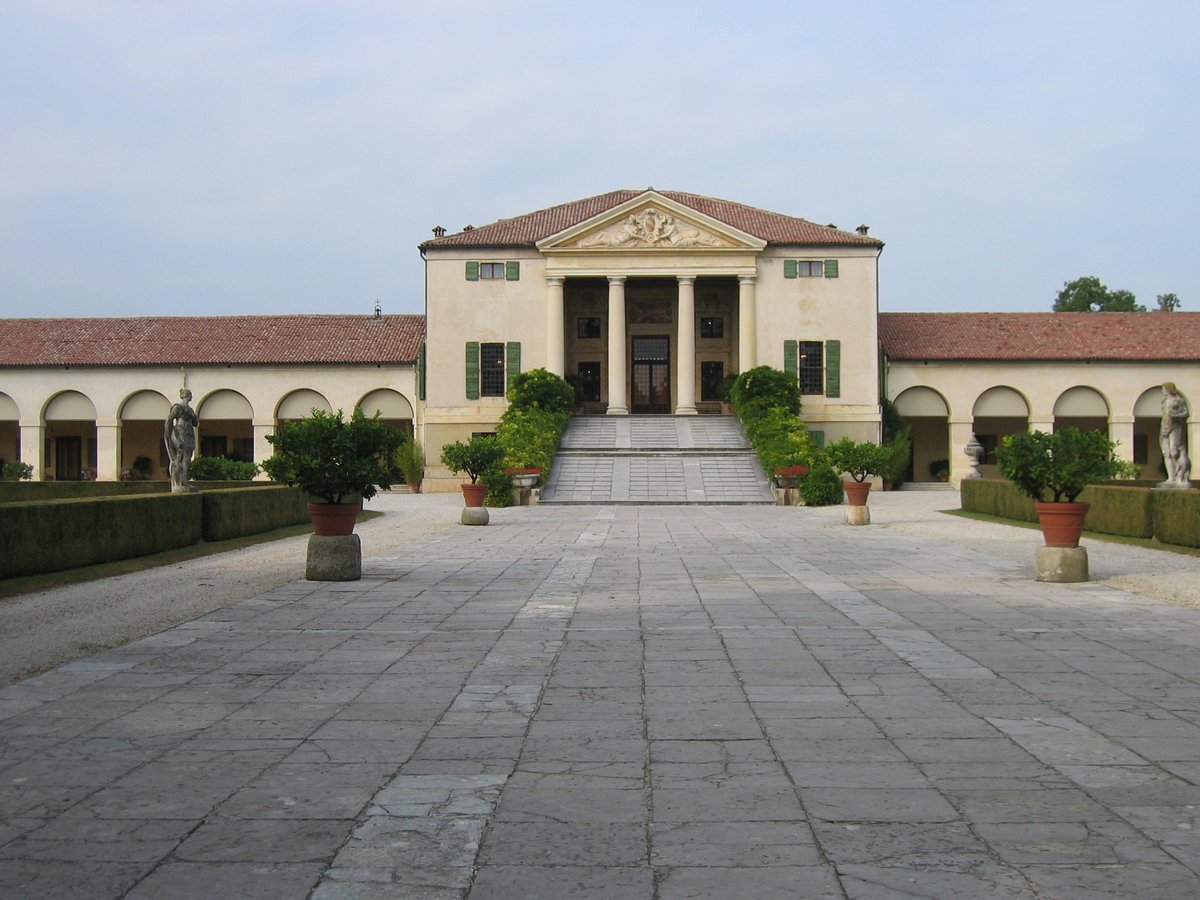

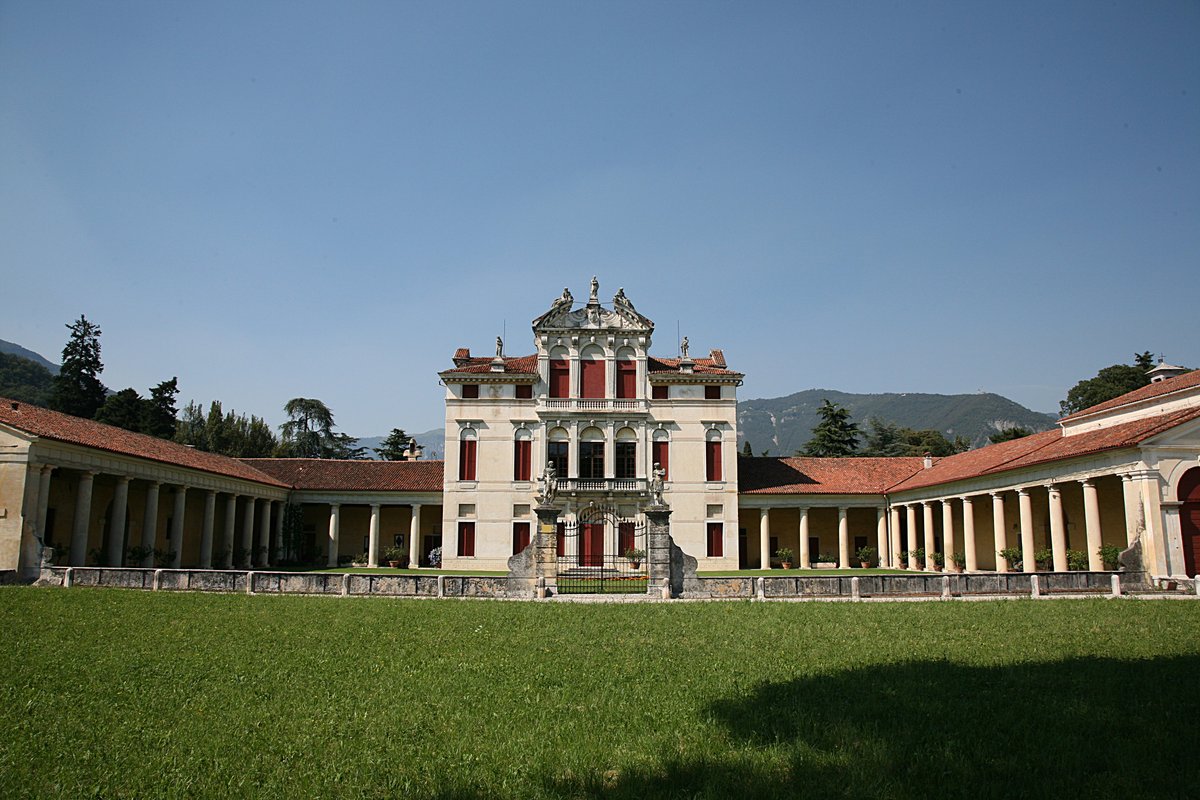
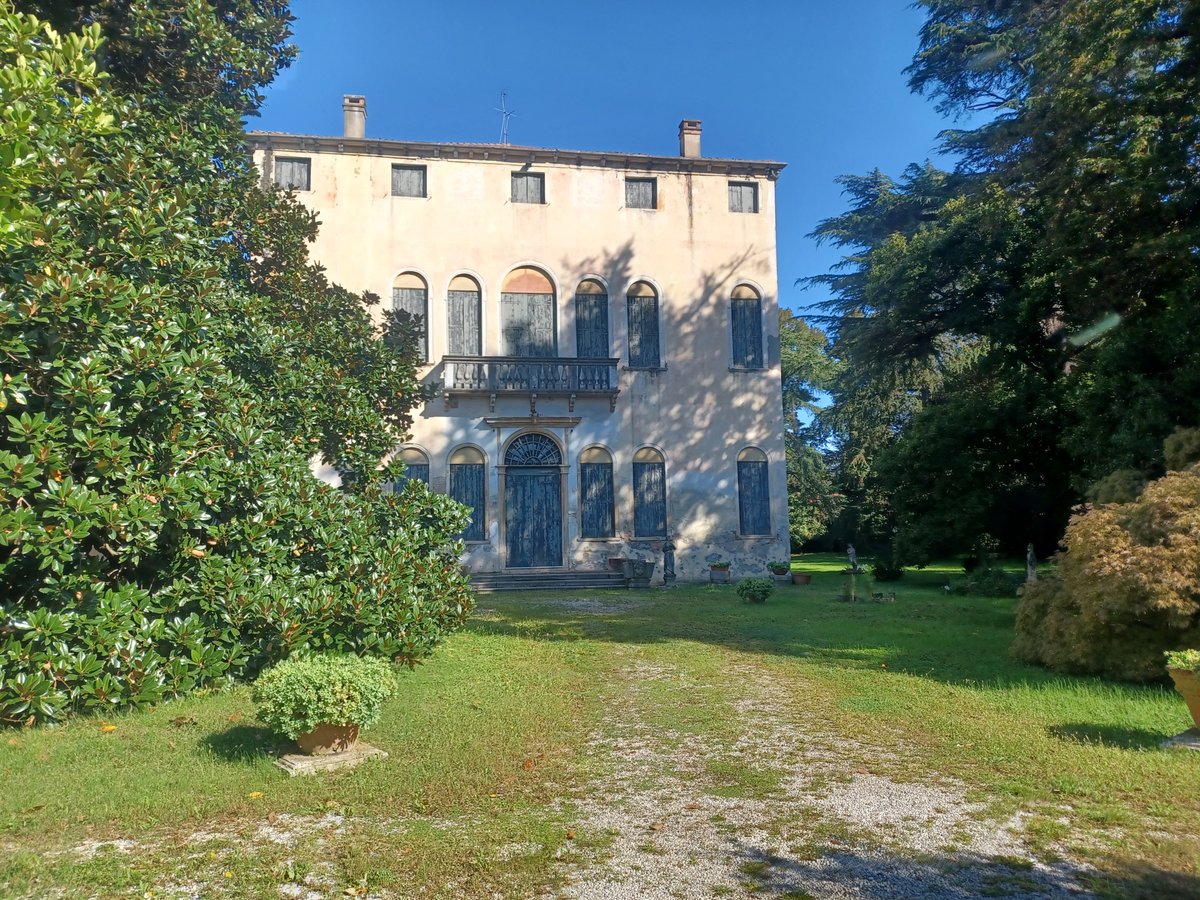
Villa Emo is one of the many creations conceived by Italian Renaissance architect Andrea Palladio. It is a patrician villa located in the Veneto region of northern Italy, near the village of Fanzolo di Vedelago, in the Province of Treviso. The patron of this villa was Leonardo Emo and remained in the hands of the Emo family until it was sold in 2004. Since 1996, it has been conserved as part of the UNESCO World Heritage Site "City of Vicenza and the Palladian Villas of the Veneto".
The building of Villa Emo was the culmination of a long-lasting project of the patrician Emo family of the Republic of Venice to develop its estates at Fanzolo. While firm chronology is missing, construction is thought to have been undertaken between 1558 and 1561. The 1560s saw the interior decoration added and the consecration of the chapel in the west barchesse in 1567. The villa was purchased in 2004 by an institution, where further restorations were made.
Andrea Palladio used mathematics to create the ideal villa through his theory of "harmonic proportions." He believed the beauty of architecture lay in its proportions rather than ornamentation. Villa Emo is one of the most accomplished of the Palladian Villas, showing the benefit of 20 years of Palladio's experience in domestic architecture. It has been praised for the simple mathematical relationships expressed in its proportions, both in the elevation and the dimensions of the rooms.
Sources: Wikipedia, OpenStreetMap, Wikidata, Wikimedia Commons
Written by Nicolo Ciampini
Discuss this with the author and others
No comments yet. Be the first to start the conversation.