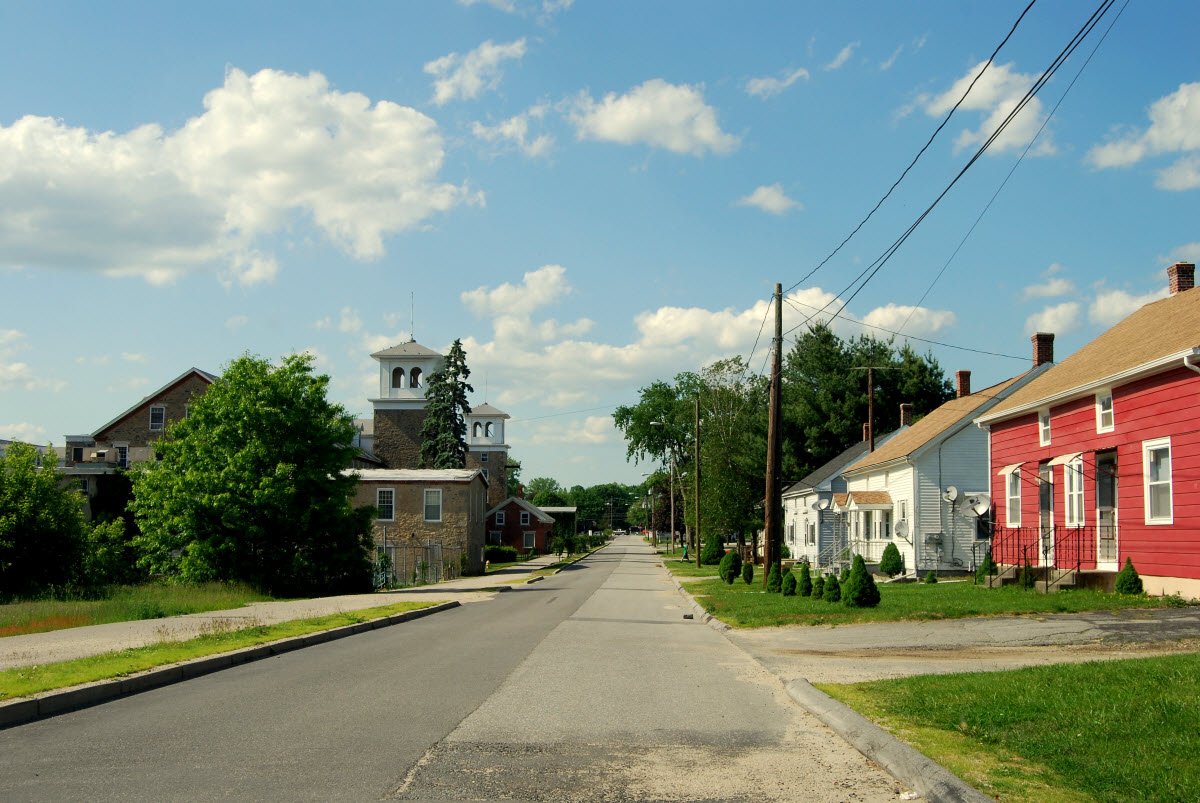

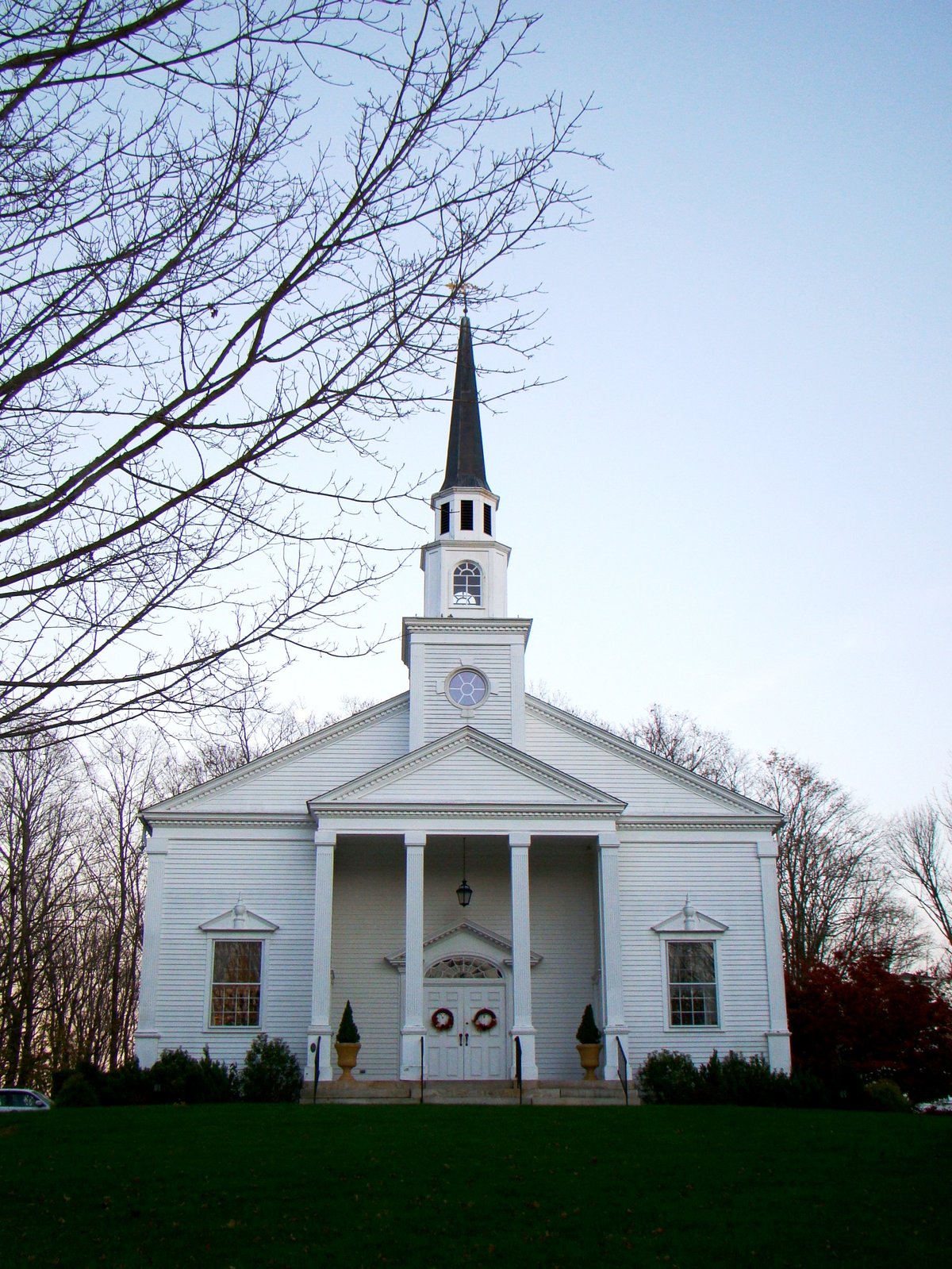
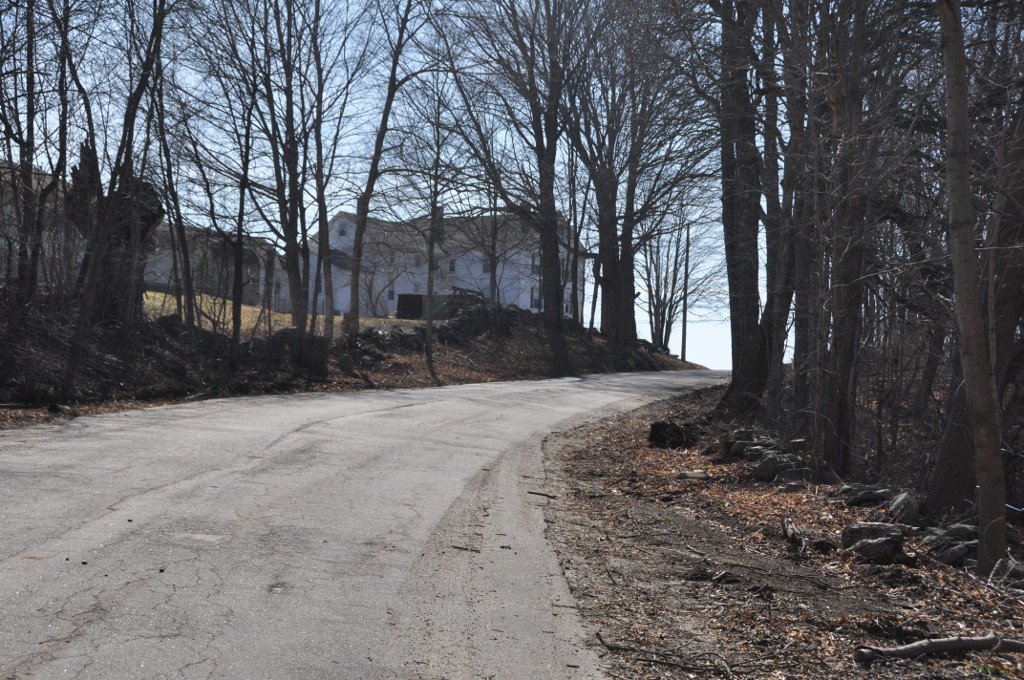
Wauregan is a village located in the northwestern corner of the town of Plainfield, Connecticut. Originally a mill village, it was established around a cotton mill powered by the Quinebaug River. A 90-acre portion of the original village area is listed as the Wauregan Historic District, encompassing structures directly related to the economic and social activities of the mill. The district was listed on the National Register of Historic Places in 1979.
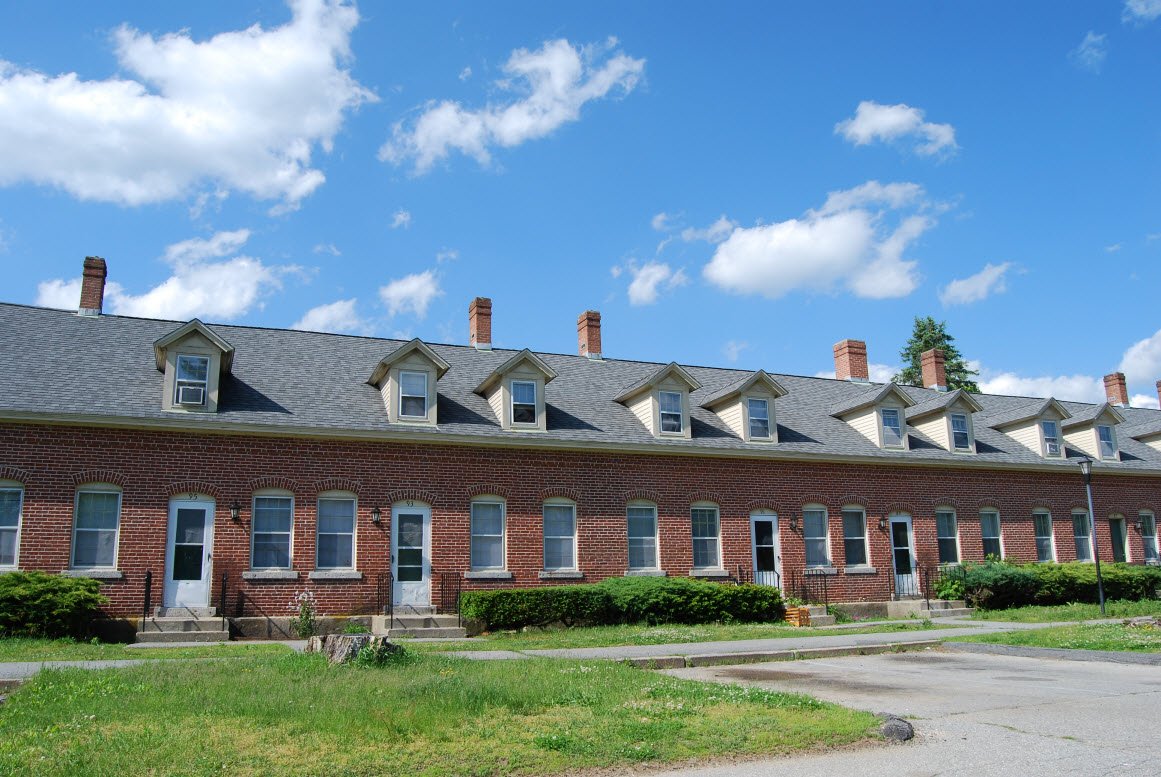
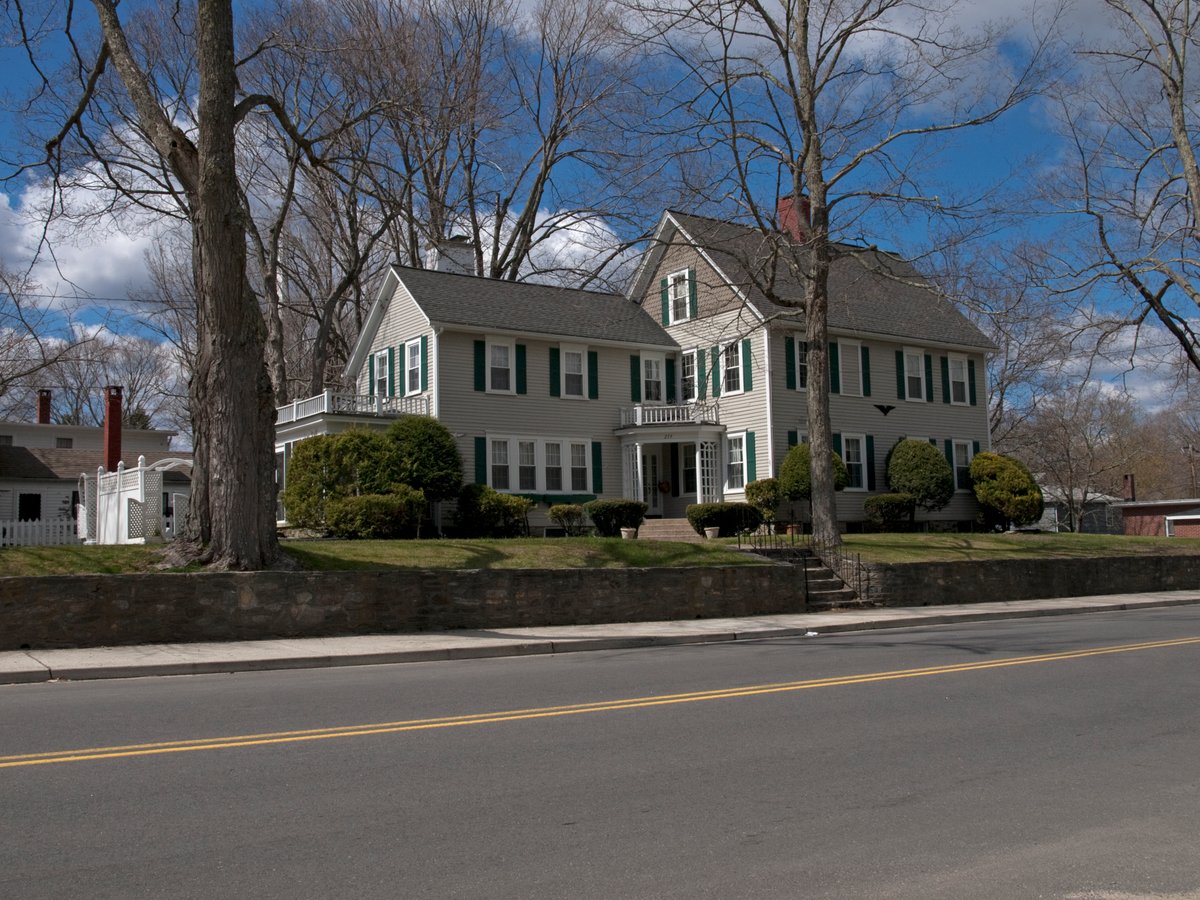
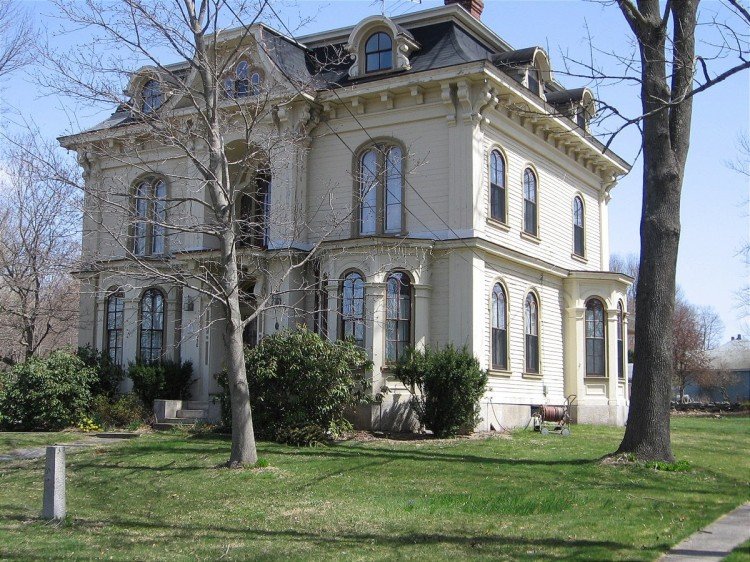
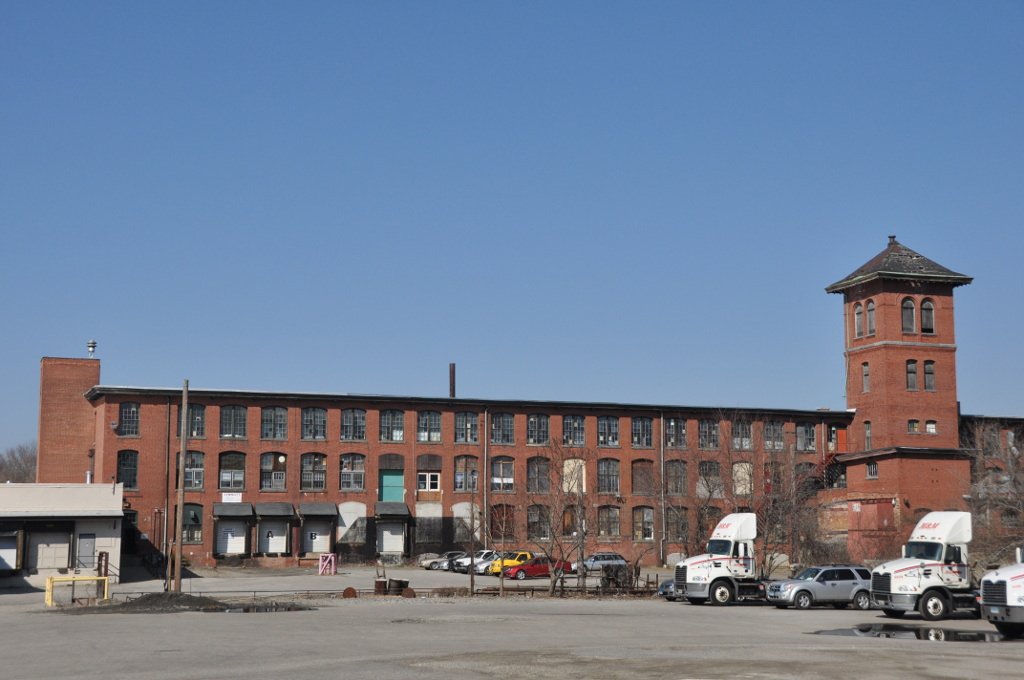
Extant buildings in the district include the Wauregan Mill, an H-shaped building built from local fieldstone; James Atwood's home; two boarding houses; the company store; and over one hundred workers' houses. Architectural styles represented include Greek Revival and Late Victorian architecture. In 1850, Amos D. Lockwood bought the water privileges and surrounding land. After the Wauregan Mills Company charter was approved in 1853, the first mill was constructed circa 1853–1854.
Wauregan Mills was well known for its woven cotton goods, including various types of flannel. Lockwood became the mill's first agent and recruited James S. Atwood as his superintendent, who set up the machinery and started production. Atwood purchased the mill in 1858 and developed the village as a model hamlet for his employees. The mill reached a capacity of 56,616 spindles and 1,464 looms, with an annual output of eleven million yards.
When Atwood died, management passed to his twin sons, James Arthur and John Walter Atwood. They continued to improve the mill, which employed 325 men and 160 women and children as of 1917. They responded to competition by producing finer quality cotton goods, such as shirting for the U.S. Marine Corps, and later rayon. The mill was also a pioneer in synthetic fabric, developing technology to produce fabric made of a blend of wool and rayon.
Sources: Wikipedia, OpenStreetMap, Wikidata, Wikimedia Commons
Written by Friendly Jane
Discuss this with the author and others
No comments yet. Be the first to start the conversation.