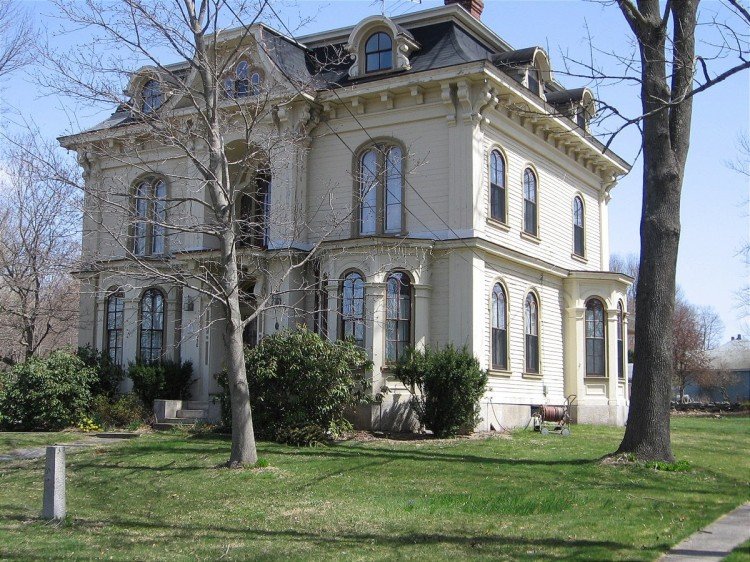

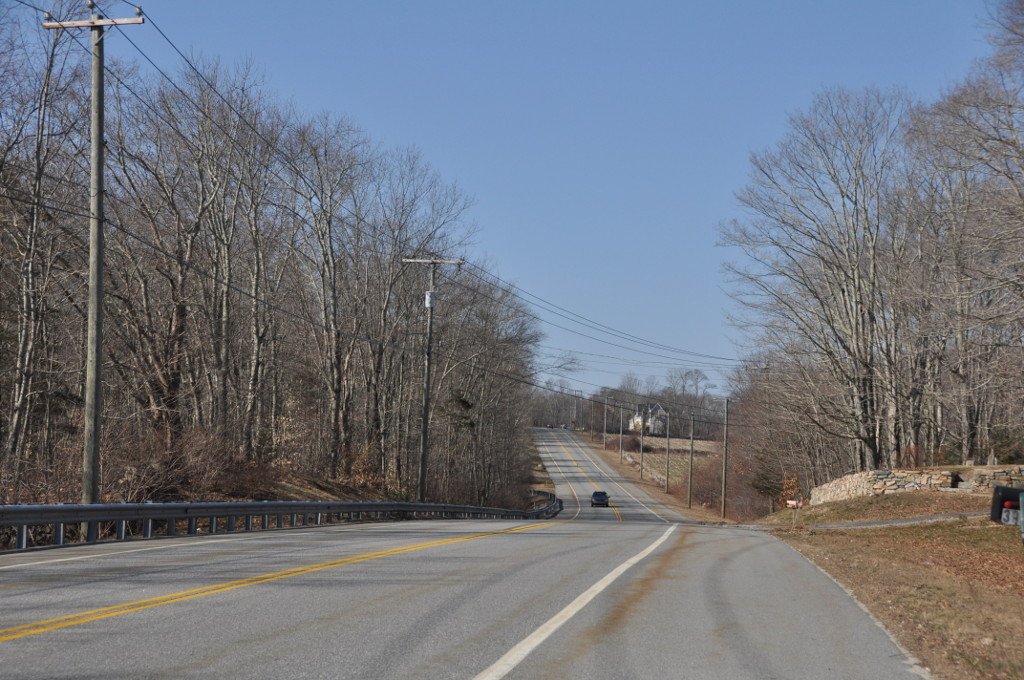
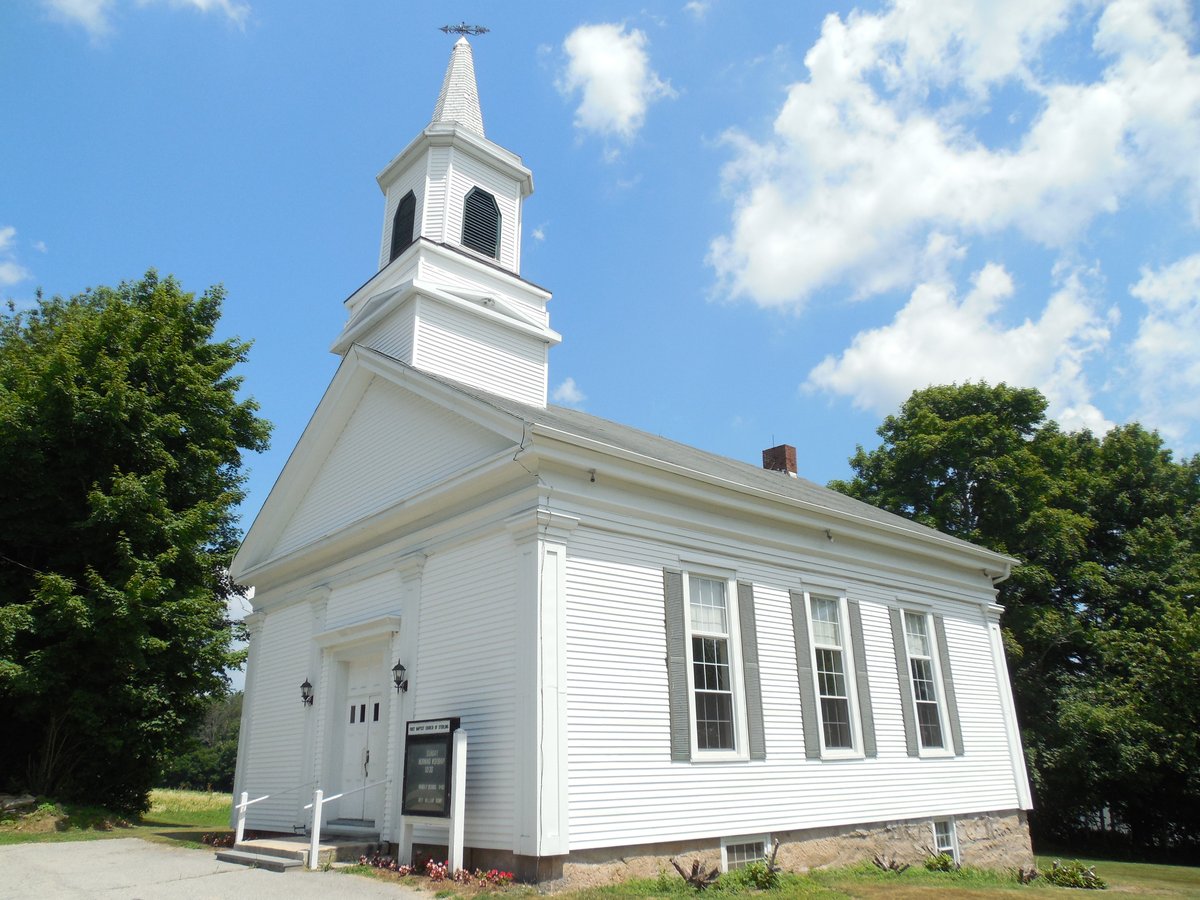
Welcome to the Plainfield Street Historic District, located in Plainfield, Connecticut. Settled by English colonists in the late 17th century and incorporated in 1699, this historic district lies along Route 12, between Railroad Avenue and Route 14A. It has been the center of the town's civic life since its settlement in the early 18th century and was listed on the National Register of Historic Places in 1991.
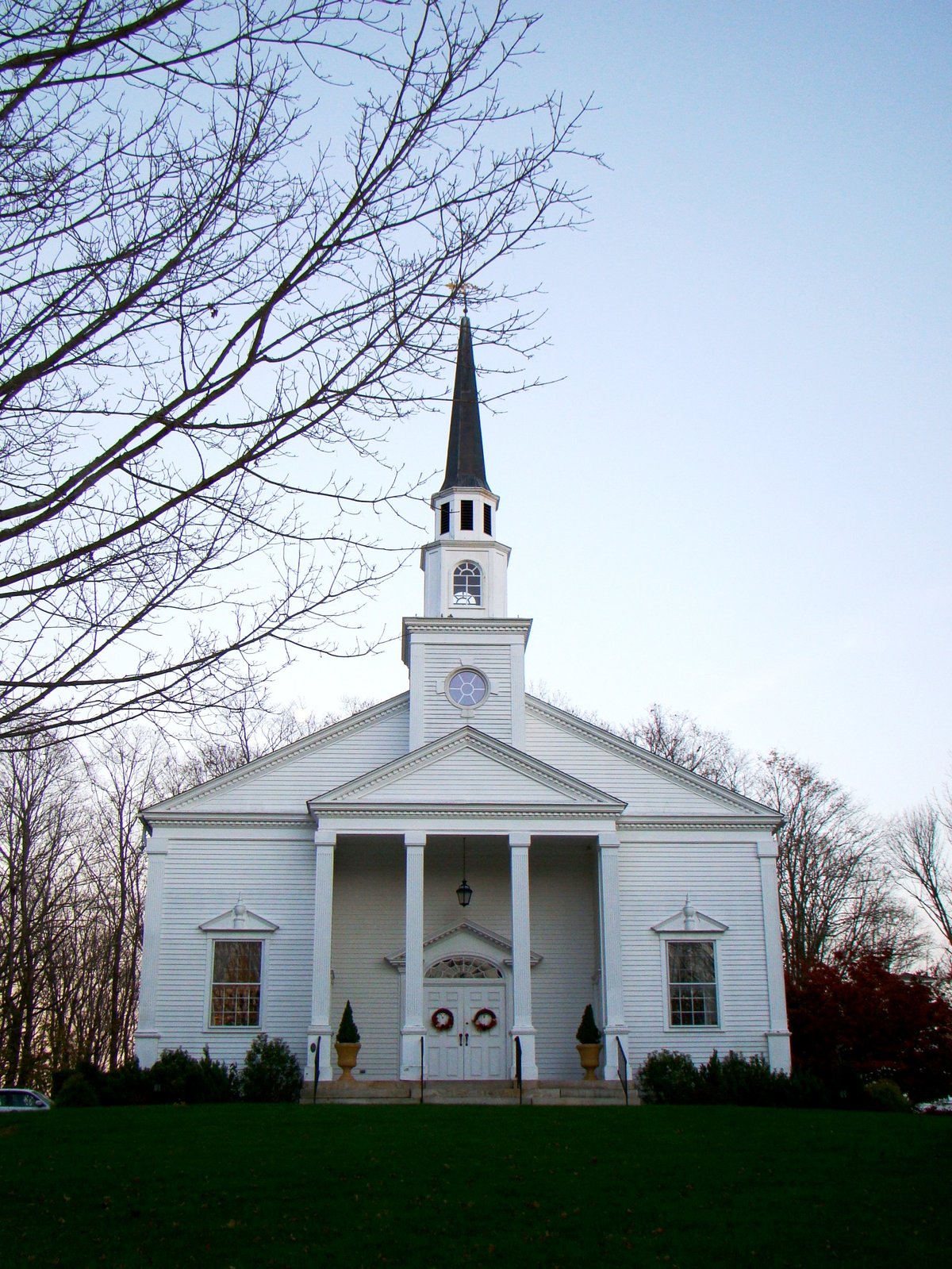
The First Congregational Church of Plainfield stands on a ridge east of the Quinebaug River. It was built in 1816 to a design by Ithiel Town. The road along the ridge, now Route 12, developed as a major north-south route in eastern Connecticut and was crossed by the road connecting Hartford with Providence, Rhode Island, now Route 14A and Cemetery Road.
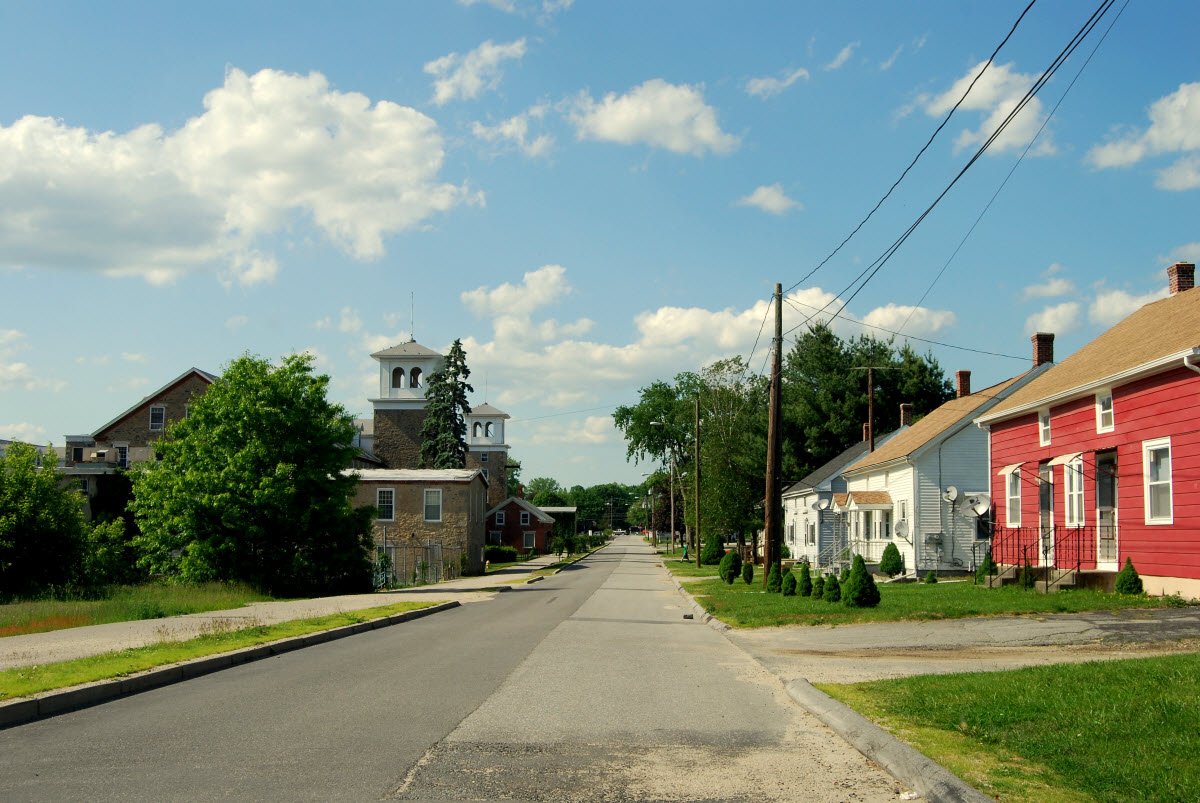
The Italianate Union Hall was built around 1800. The district is now mostly residential with some commercial development at its north end. It consists of 30 buildings and 24 associated outbuildings, most dating from the late 18th to early 19th century. Stylistically, they represent a cross section of styles popular between about 1790 and 1880, with only a few 20th-century buildings intruding.
The town center flourished as a crossroads community into the early 19th century, after which its importance waned in comparison to the town's burgeoning textile mill villages. The name of the district comes from the original street name of what is now known as Norwich Road.
The Plainfield Street Historic District remains a place that offers a glimpse into the town's history and the architecture of the time. It encompasses the historic area of Plainfield Village, the town center of Plainfield, and includes two centuries of architectural styles.
Sources: Wikipedia, OpenStreetMap, Wikidata, Wikimedia Commons


Written by Friendly Jane
Discuss this with the author and others
No comments yet. Be the first to start the conversation.