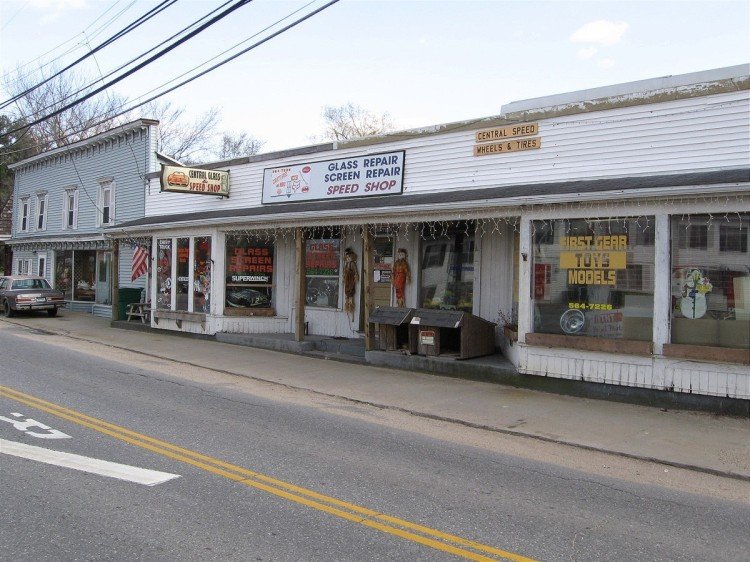
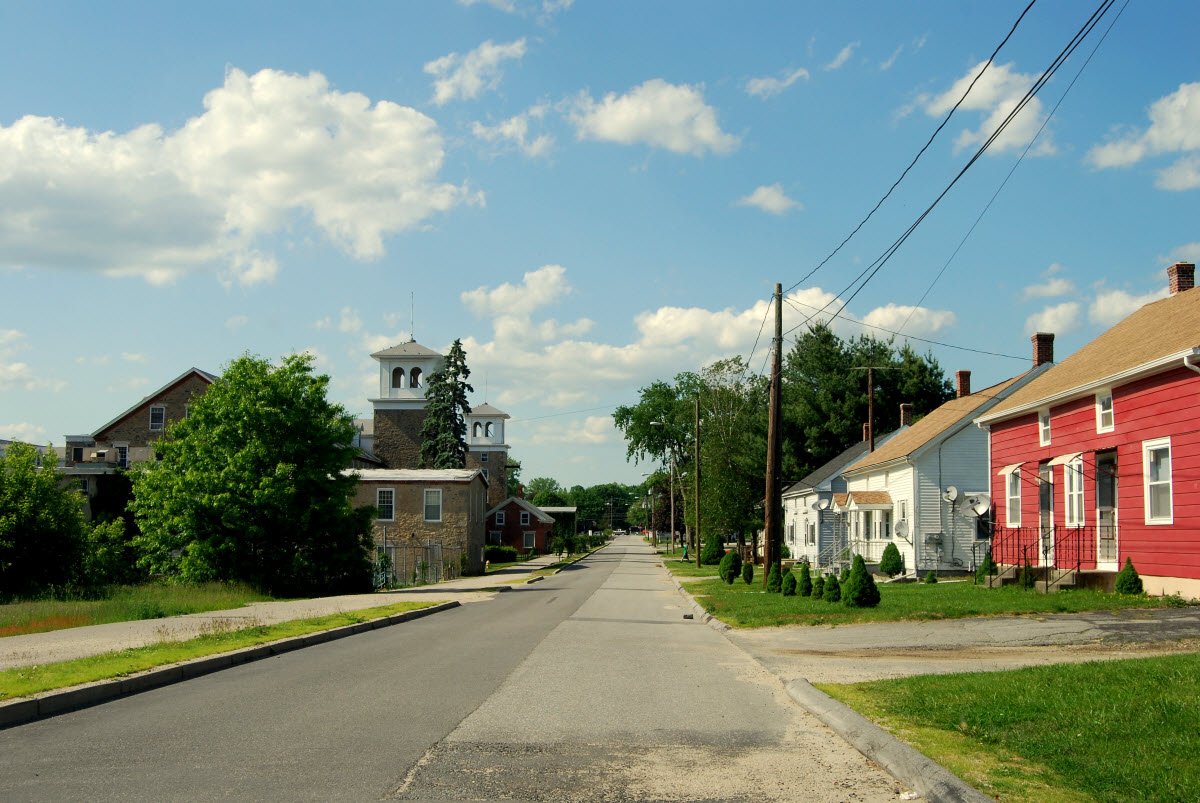
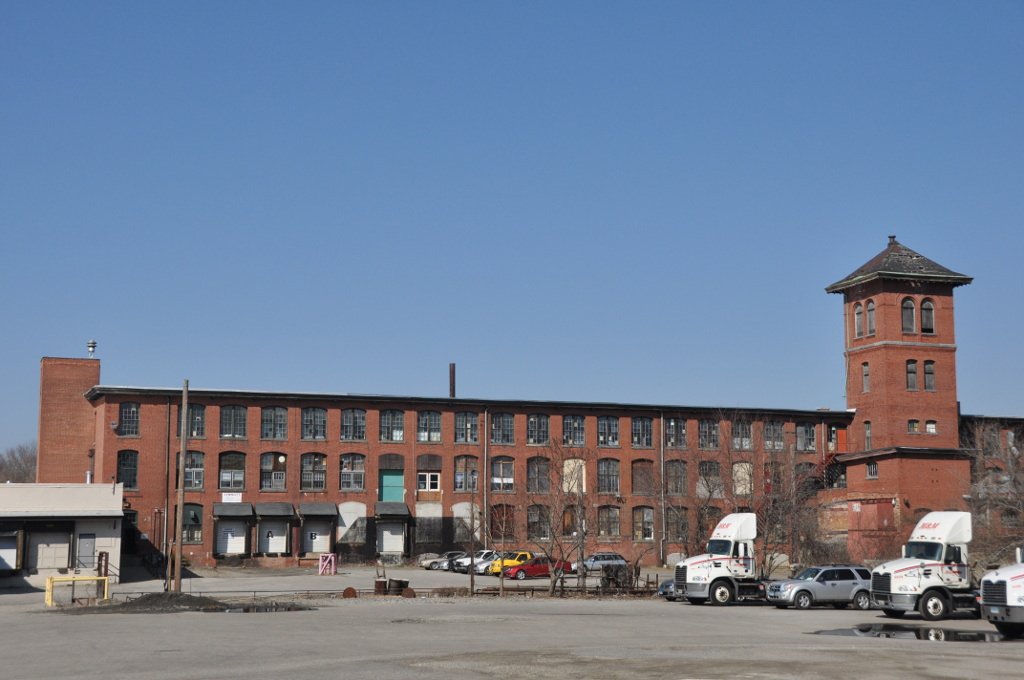
Situated in Plainfield, Connecticut, the Central Village Historic District encompasses a late 19th-century historic mill village. The area was a typical agricultural area until 1814, when a consortium of locals built a small cotton mill on the banks of the Moosup River. This enterprise gradually expanded, with owners building housing for mill workers and creating a small village.
The district includes a small commercial center where Connecticut Route 12 and 14 meet, a cluster of architecturally distinguished buildings built by mill owners and managers, and mill worker housing units. In 1845, the Central Manufacturing Company built a brick mill. The village's growth was encouraged by the arrival of the railroad in 1839, which was run midway between two mill locations.
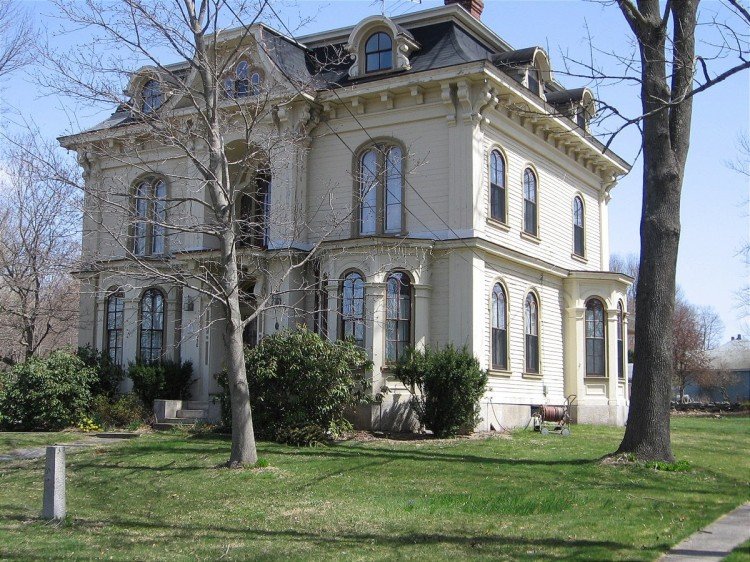
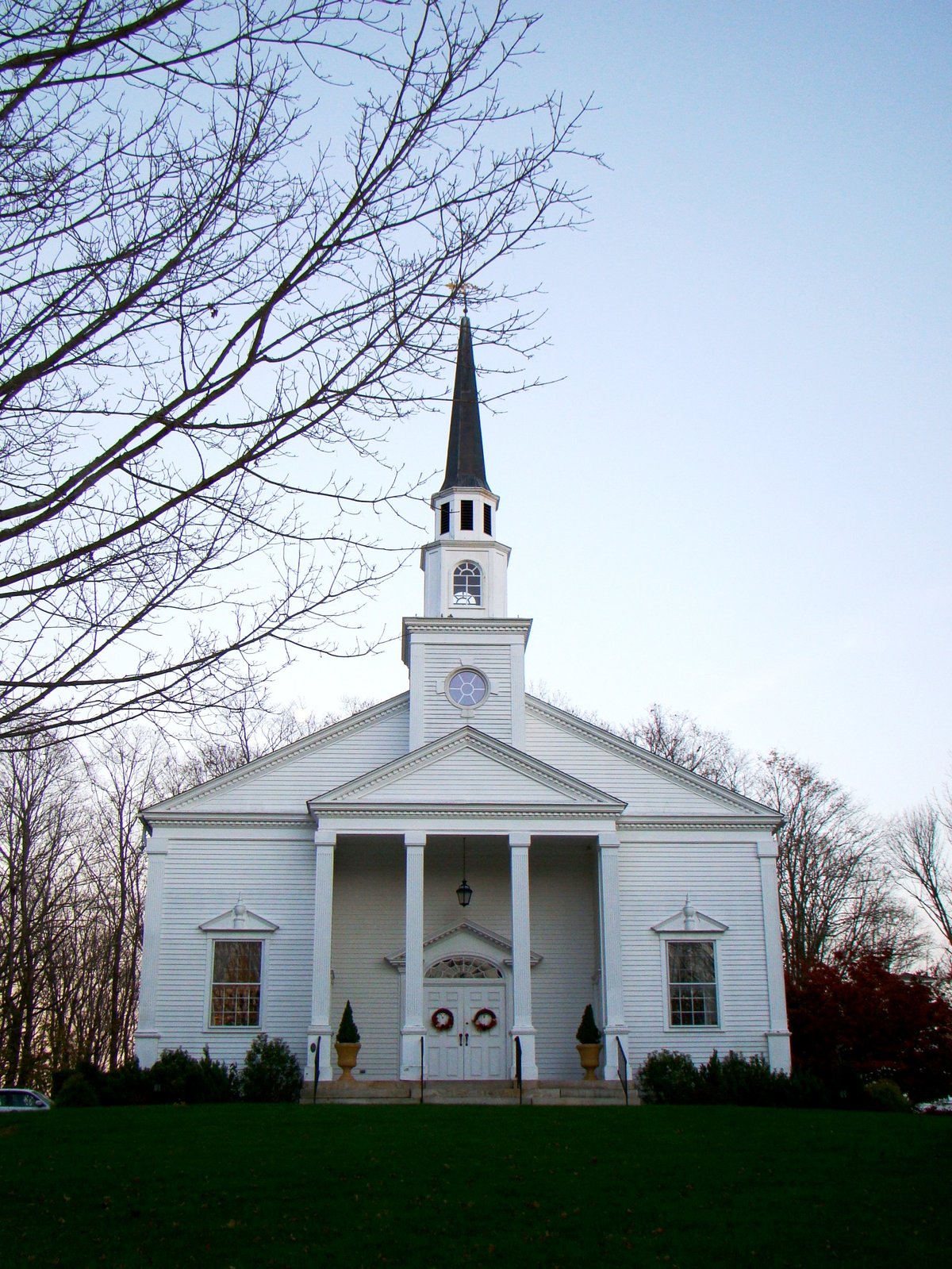
By the late 19th century, the cotton mills declined, but the economy was propped up by other industries until the early 20th century, when the Plainfield Woolen Company revived the textile industry. The district also includes Plainfield's old town hall, built in 1872, and the high school, built in 1924. Other prominent buildings include the c. 1855 Italianate mansion of mill owner Arthur Fenner and the 1845 Greek Revival Congregational Church.
Sources: Wikipedia, OpenStreetMap, Wikidata, Wikimedia Commons
Written by Leroy
Discuss this with the author and others
No comments yet. Be the first to start the conversation.