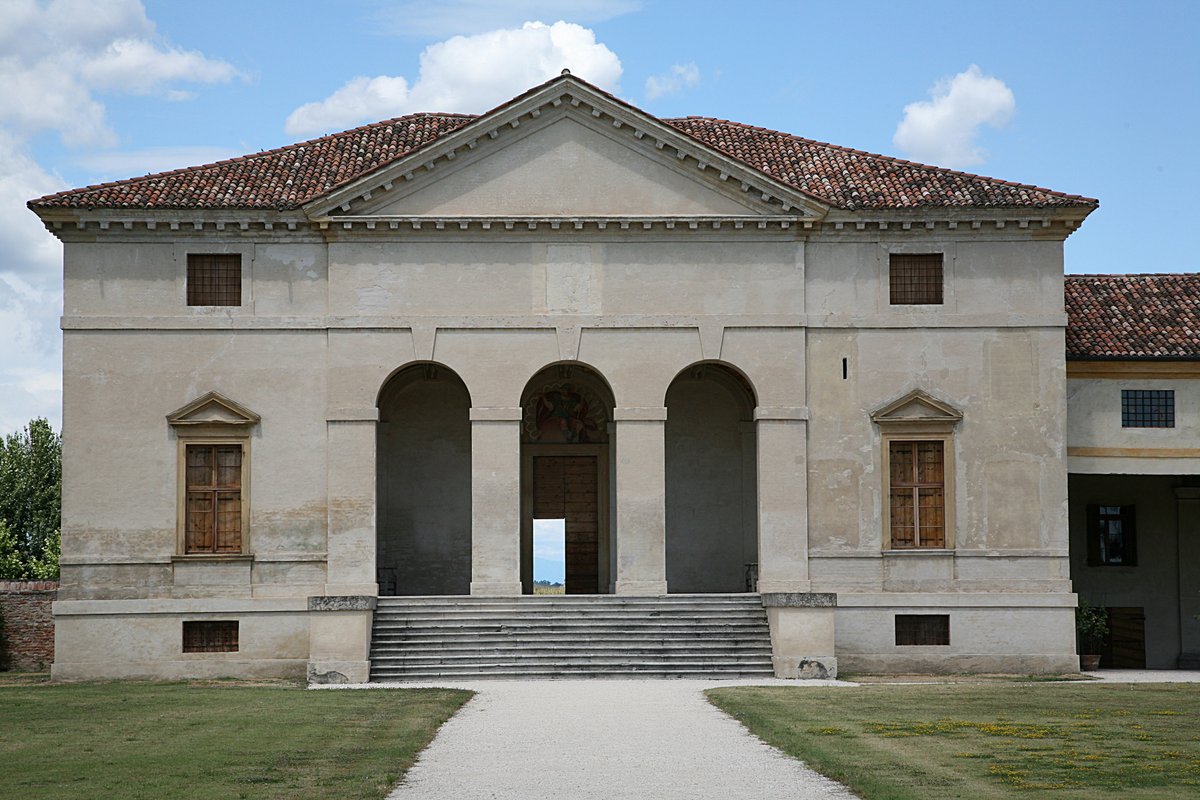

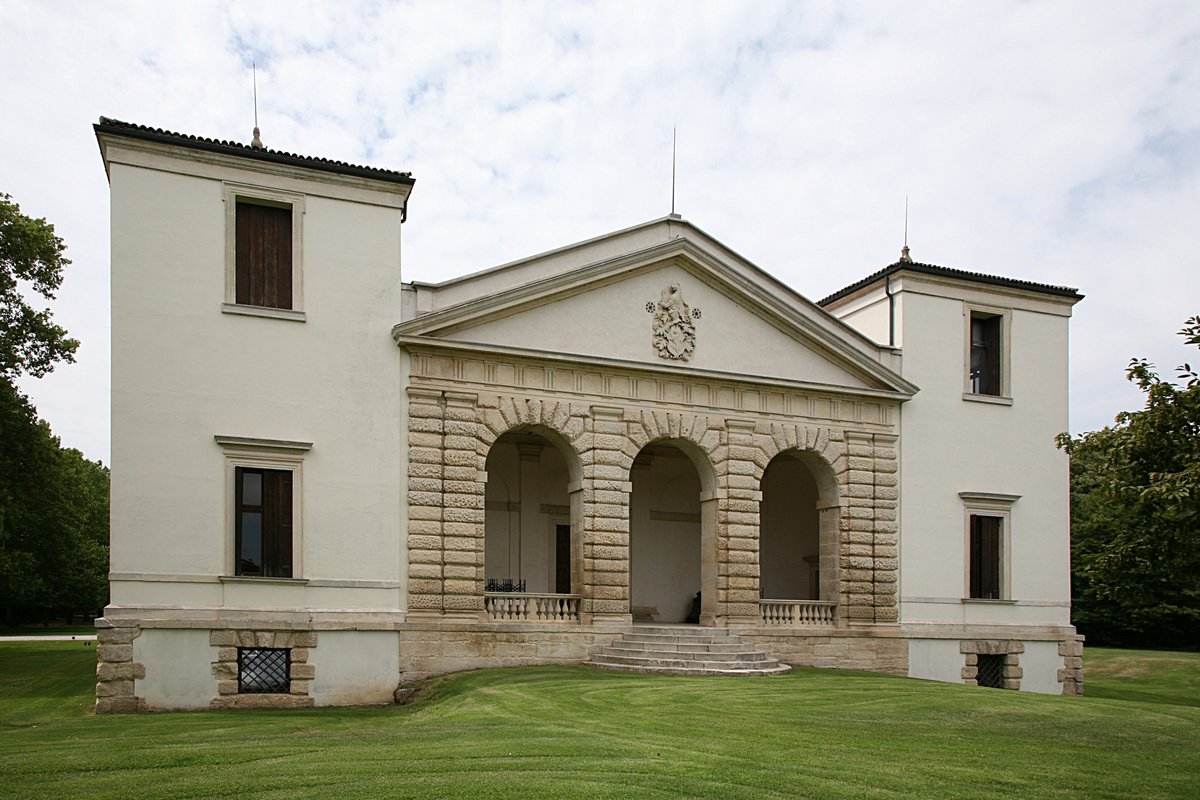
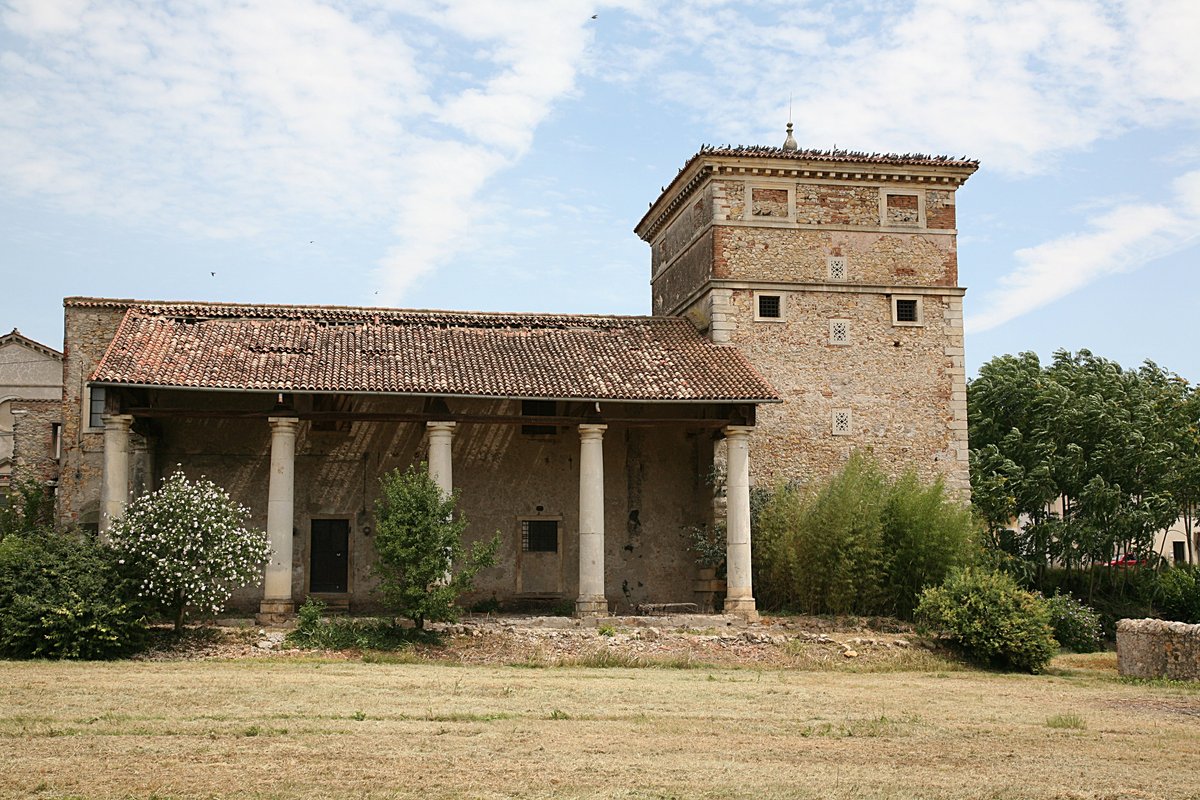
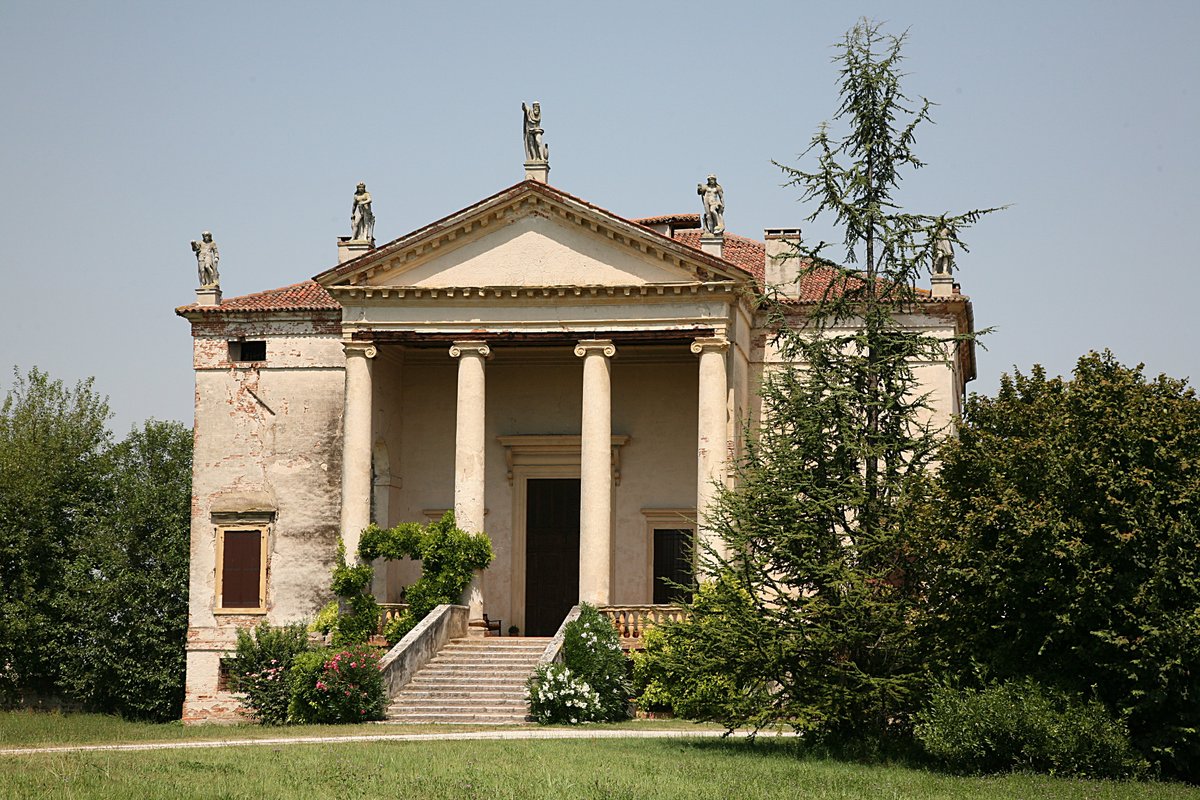
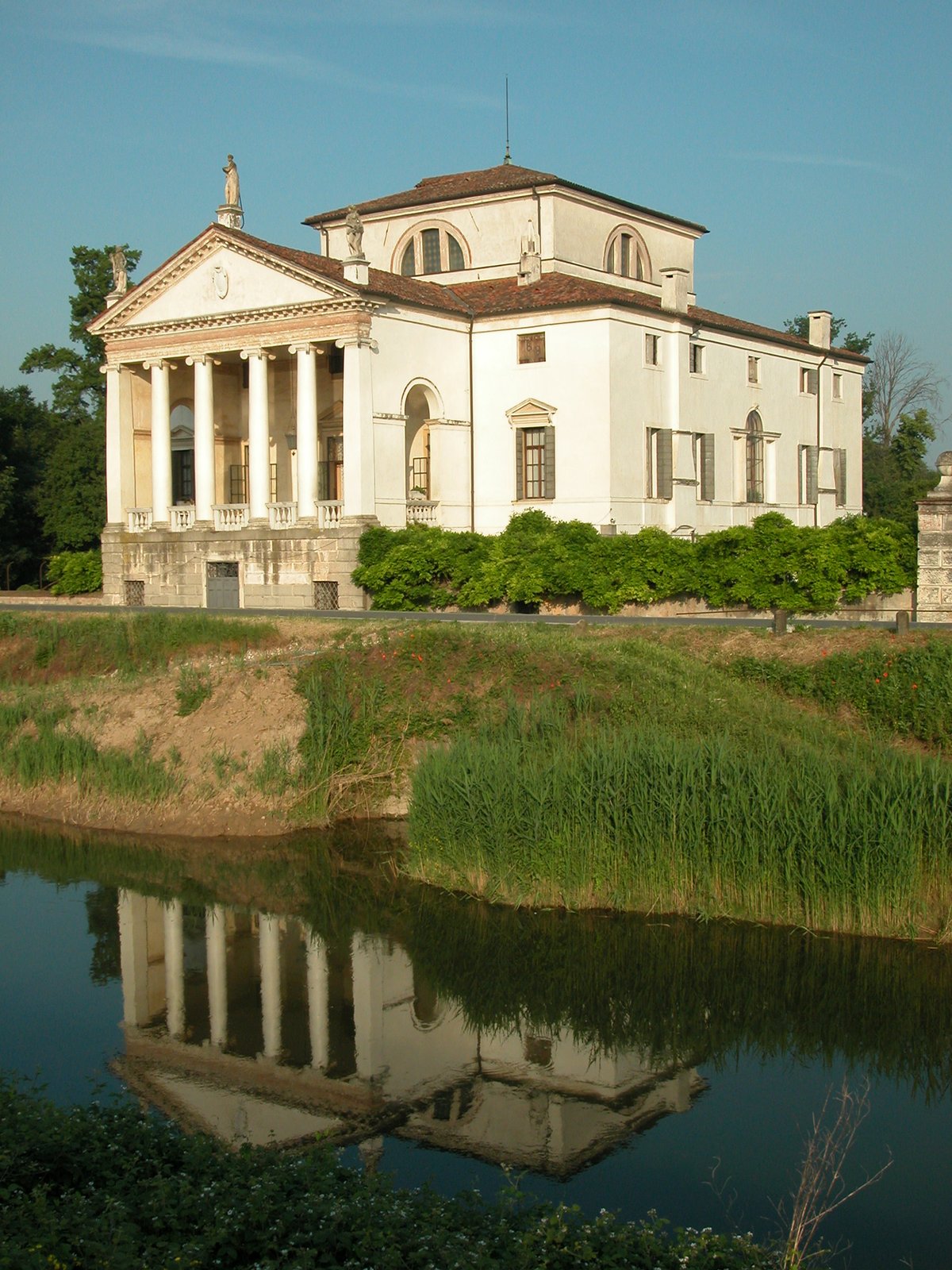
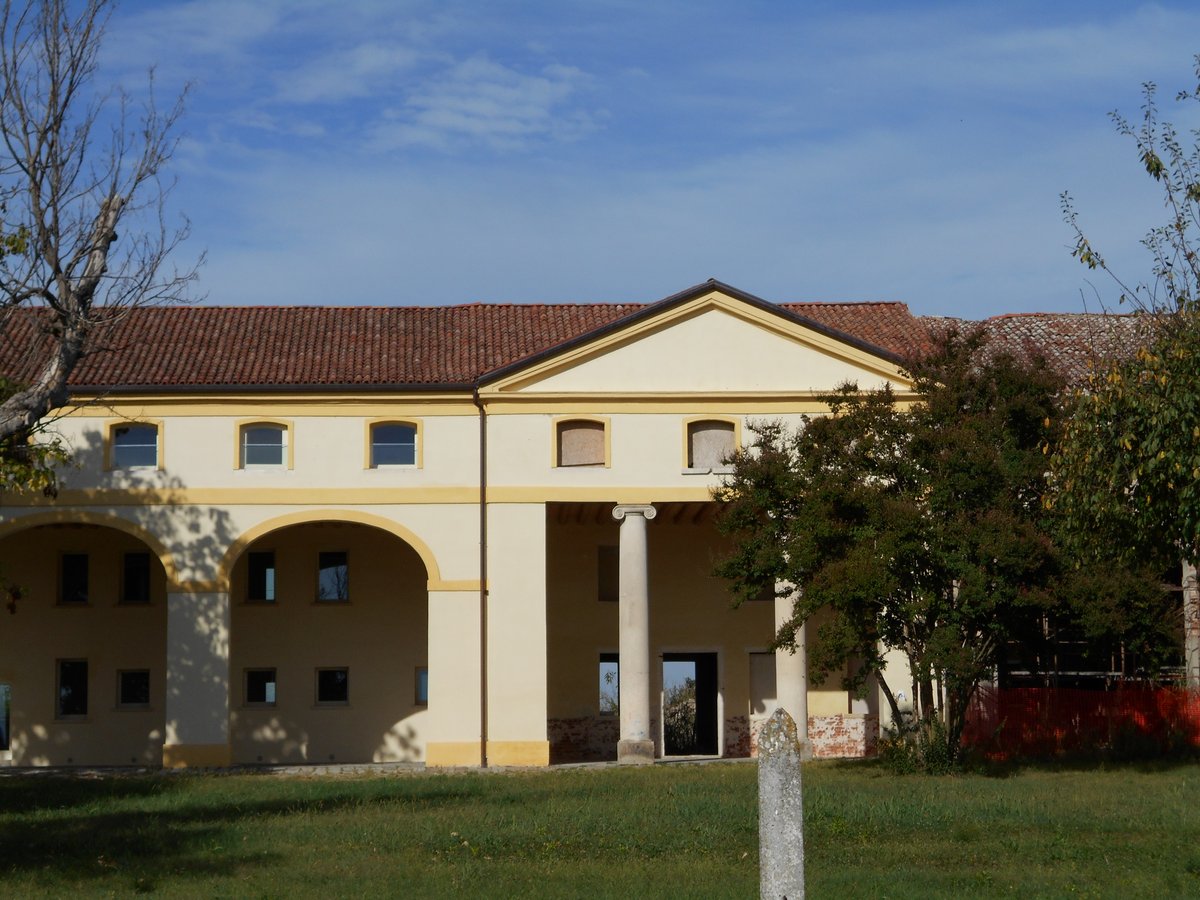
Villa Saraceno, a Palladian villa situated in Agugliaro, Province of Vicenza, Italy, was commissioned by the patrician Saraceno family in the 1540s. One of Palladio's early works, the Villa deviated from the designs published in his influential book I quattro libri dell'architettura, retaining existing farm buildings instead of the typical wings, which is not uncommon for Palladio's villas. Above the piano nobile is a floor which was designed as a granary. As it stands today, the villa has a nineteenth-century wing which links it to a fifteenth-century building.
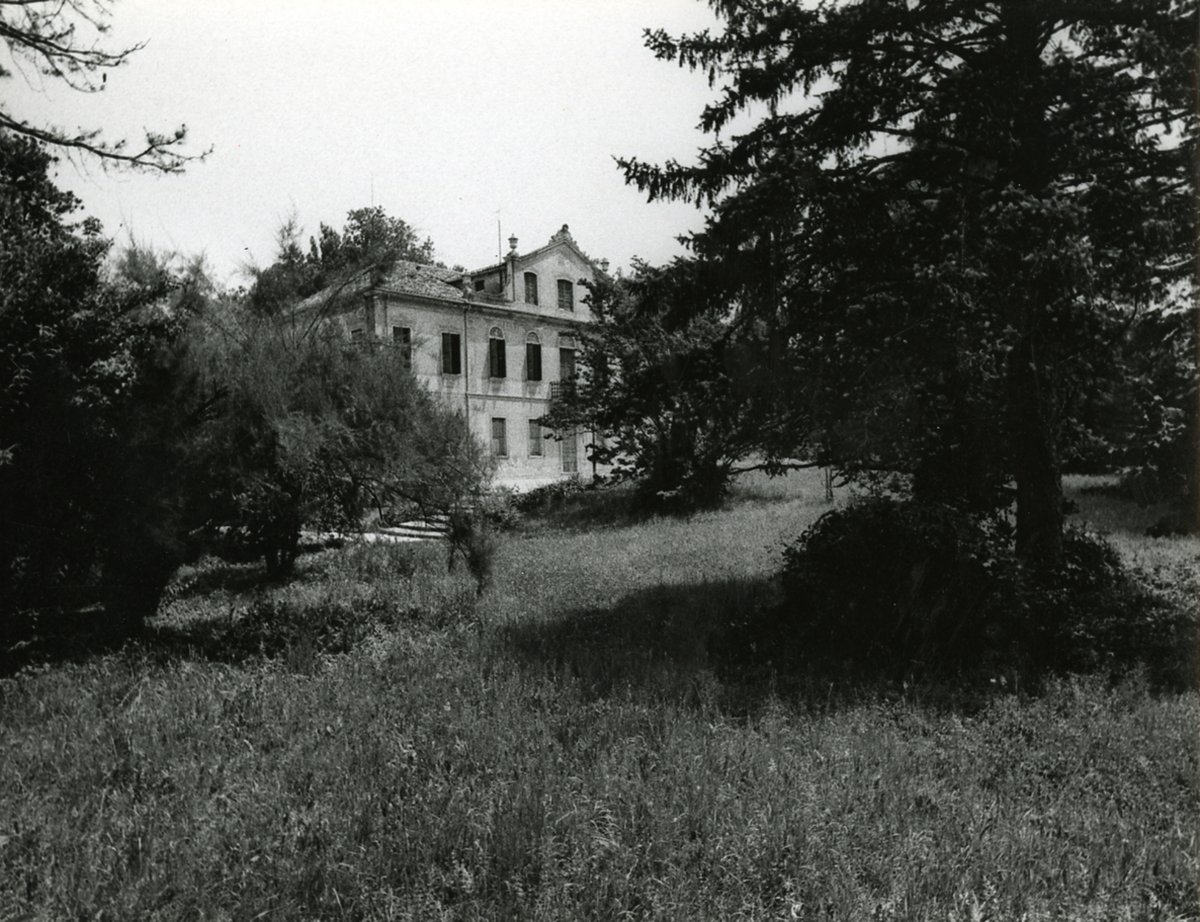
By the 20th century, the villa was in a poor state of repair. The British charity Landmark Trust purchased it in 1989 and finished its restoration by 1994, transforming it into a holiday home sleeping up to 16 people. Notable visitors included Witold Rybczynski, who used it as a base when researching his book on Palladio. The restoration was commended for its sensitivity, and in 1996, the villa became part of the World Heritage Site 'City of Vicenza and the Palladian Villas of the Veneto'.
Access to the principal rooms of the villa is open to the public on a limited basis, although the Landmark Trust has faced criticism for not sufficiently promoting it as part of the World Heritage Site. In 2008, the Landmark Trust marked the 500th anniversary of Palladio's birth by publishing a new guidebook for Villa Saraceno and extending the visiting opportunities.
Sources: Wikipedia, OpenStreetMap, Wikidata, Wikimedia Commons
Written by Nicolo Ciampini
Discuss this with the author and others
No comments yet. Be the first to start the conversation.