
French General Rochambeau and his troops set up camp here in June 1781. They marched from Farmington and spent four days on a hill that the locals still call French Hill. While the troops camped on the grass, Rochambeau and his officers took shelter in Asa Barns' tavern.
Before it was a suburb, Marion was a farming community called Little Plain. The soil near the high ridge was good for crops, and the area grew around a north-south road from Bristol to New Haven. By 1813, the Meriden-Waterbury Turnpike cut through, turning the neighborhood into a bit of a crossroads. Things got industrial in 1842 when L.B. Frost and Son started making carriage bolts and nuts using the water power from Humiston Brook.
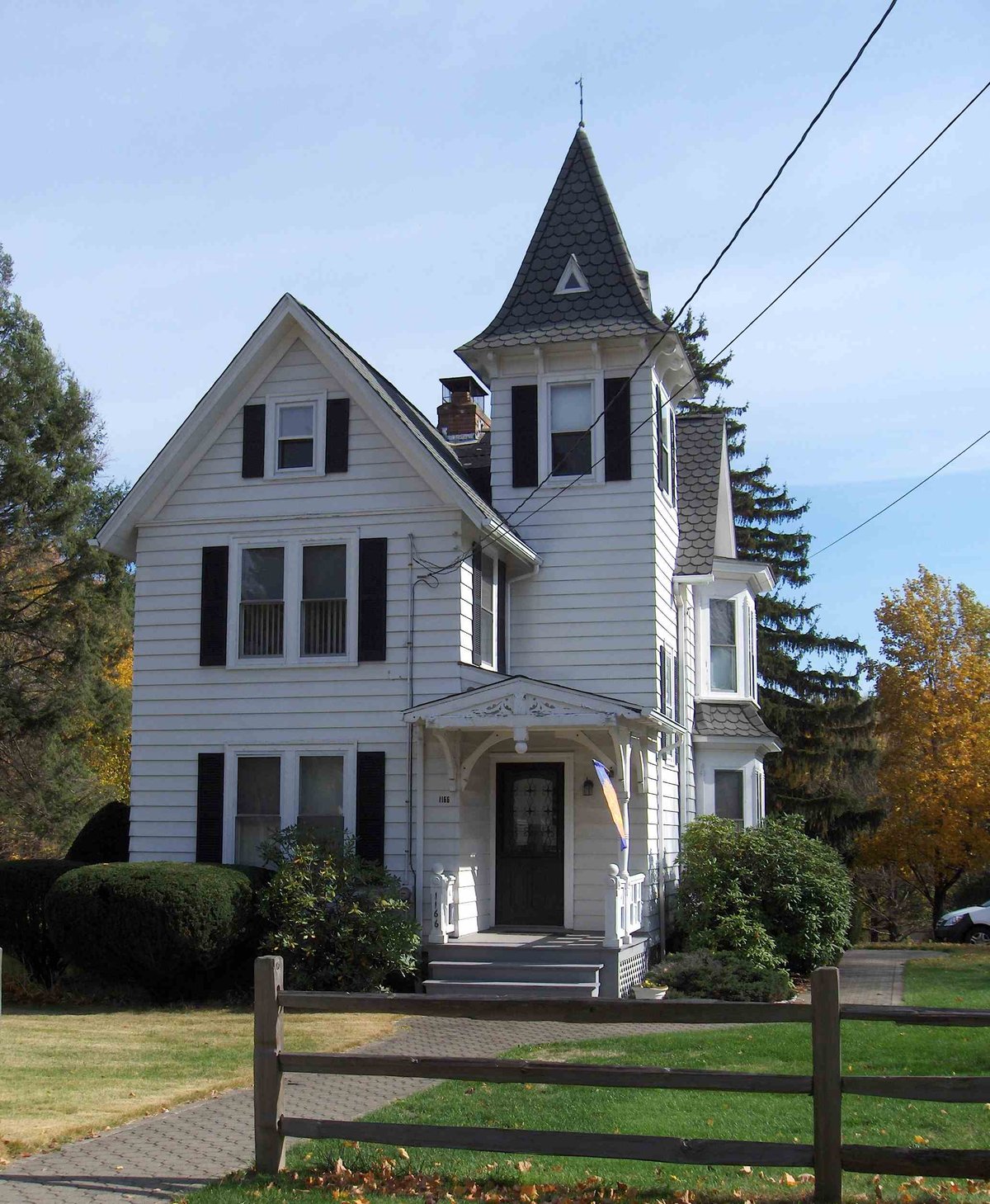
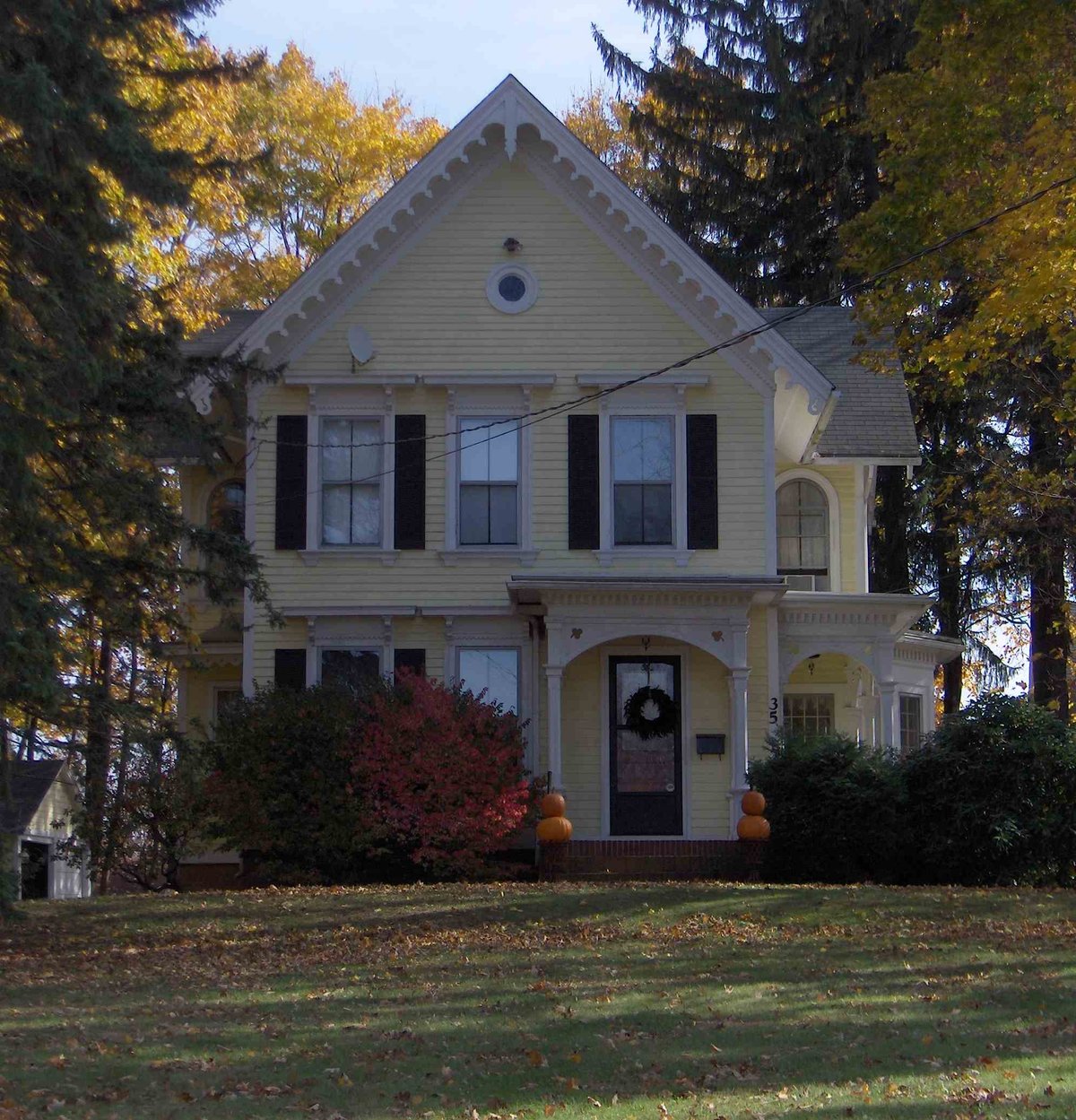
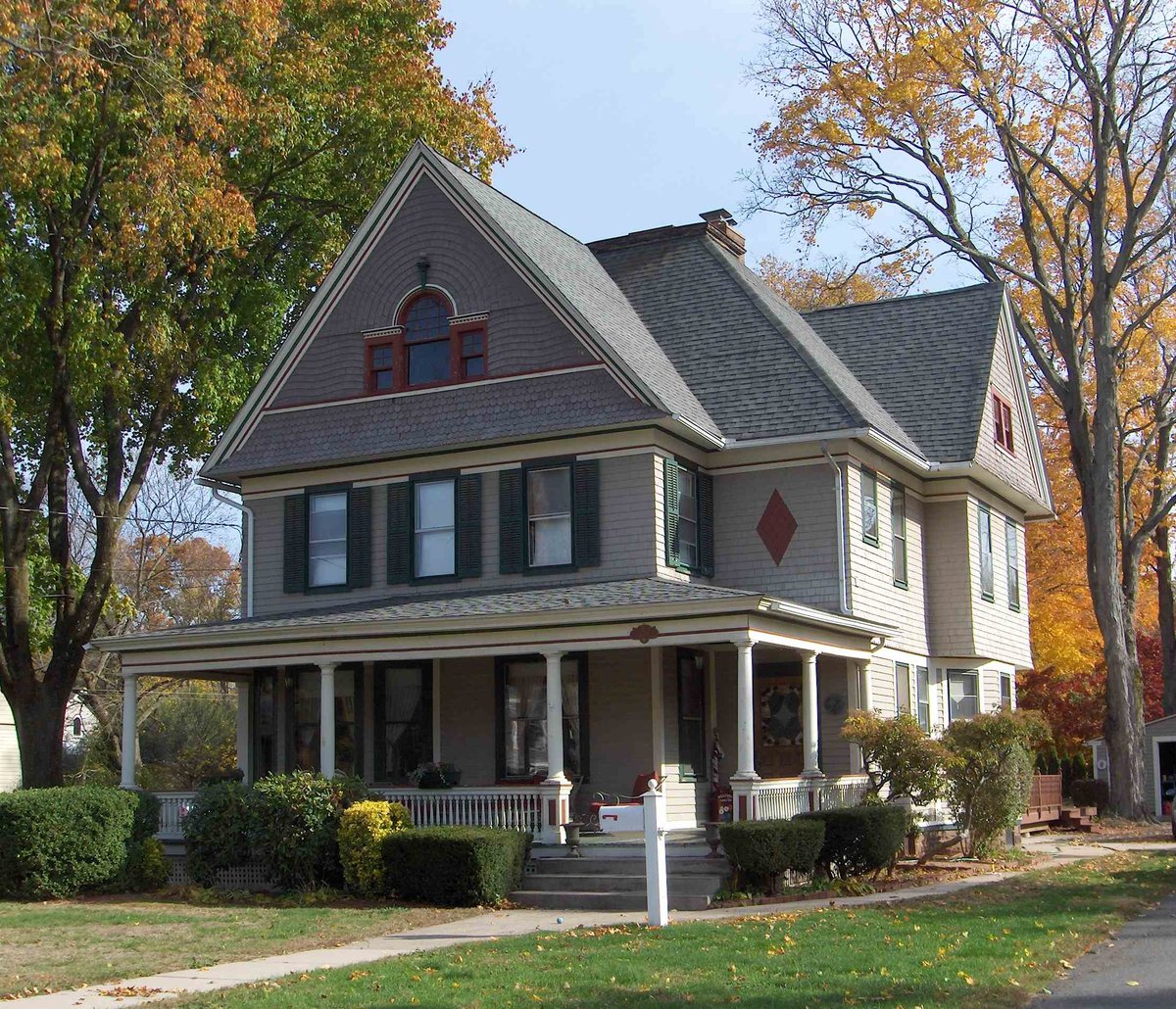
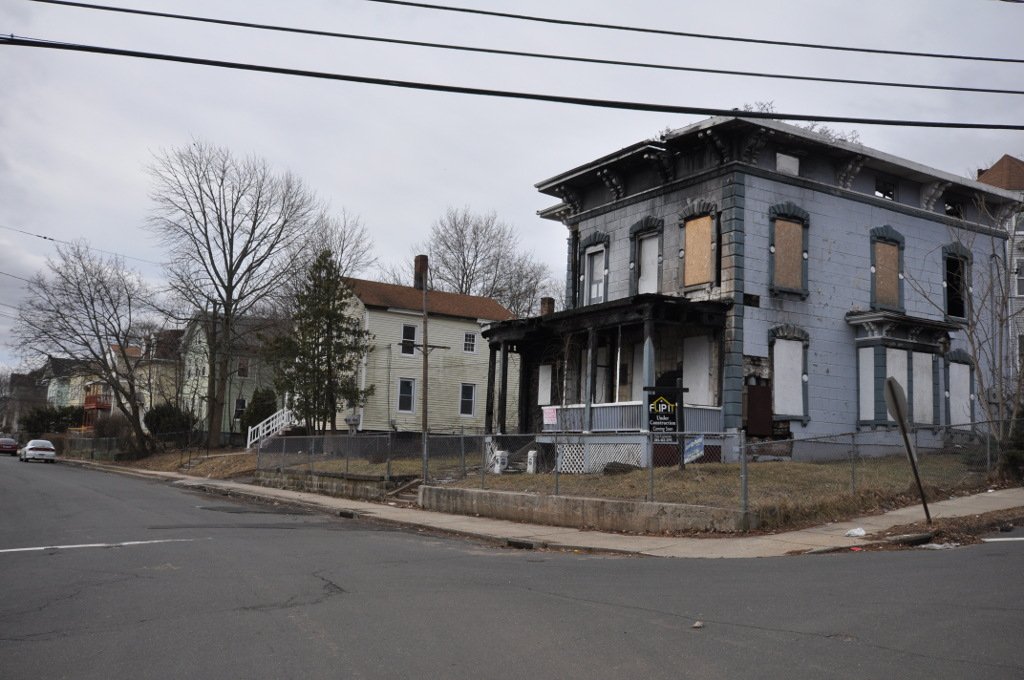
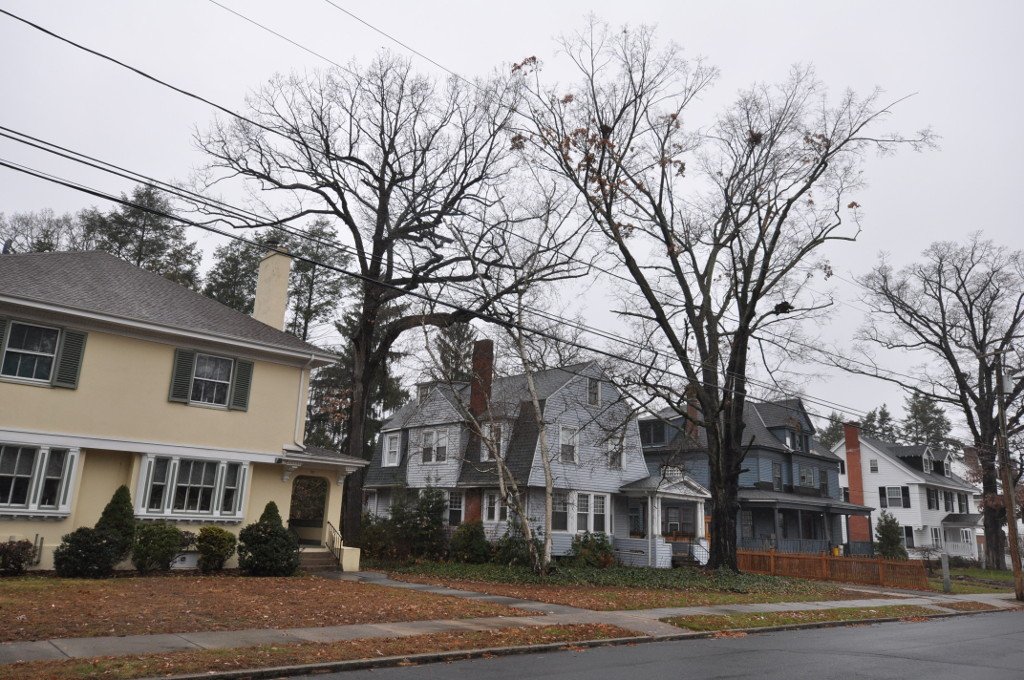
The neighborhood shifted toward suburban life in 1914 once a trolley line connected it to Waterbury. Today, the Marion Historic District keeps the old vibes alive with a mix of Greek Revival and Italianate styles. You can still spot the Miles Upson House, a Colonial that might be the oldest house in the district to keep its original look, or the Queen Anne style Lester Beecher House with its three-story tower.
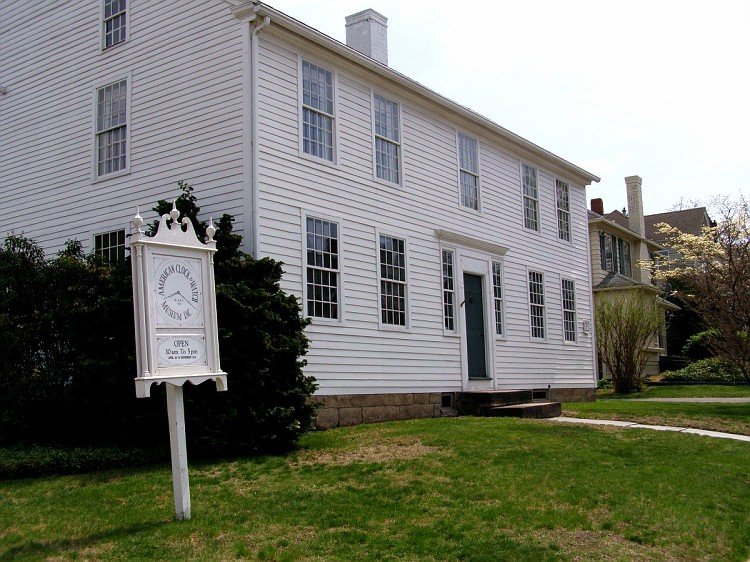
You can find the site of the French campsite near the east side of Marion Avenue. The old Asa Barnes Tavern is now a private home, but it remains protected on the National Register of Historic Places.
Sources: Wikipedia, OpenStreetMap, Wikidata, Wikimedia Commons
Written by Friendly Jane
Discuss this with the author and others
No comments yet. Be the first to start the conversation.