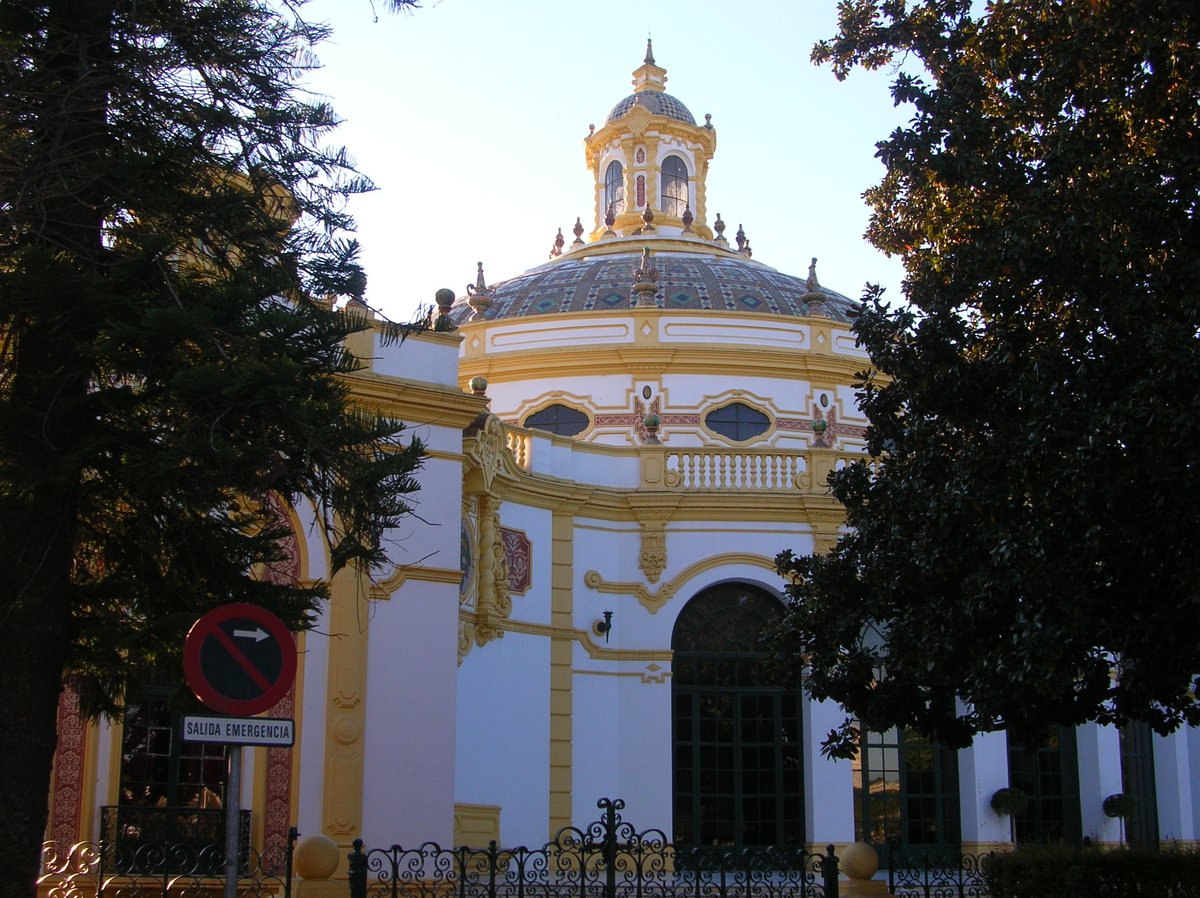

The Lope de Vega Theatre in Seville found its origins during the 1929 Ibero-American Exposition. Named after the renowned 16th-century playwright, it was built in the same building as the Exhibition Casino. The theatre hall was fronted by the exhibition casino, which is roofed by a dome decorated in ceramics. The hall was laid out according to the canons of Italian opera, with two wings and 1,025 seats, and was one of the most modern theaters in Spain in its day.
The theatre was one of the most modern edifices in Spain during its inauguration. However, the following decades had many ups and downs for this cultural structure. After the exposition, the theatre endured structural damage from fires and floods. At times it was closed and at times was partially restored and reopened. It was even transformed into a hospital for a period during the Civil War, and later used for a trade show in 1985.
A significant renovation took place between 1985 and 1988, returning the theatre to its original design, although this limited the number of spectators to 749. Following the reopening in February 1988, the theatre has put on more than 180 performances every year to over 100,000 spectators.
Today, the Lope de Vega Theatre continues to serve as a venue for classical and modern plays, concerts, and flamenco shows. It is a venue for the Flamenco Biennale of Seville, which is held on even-numbered years, and remains among the most important theatres in Spain.
Sources: Wikipedia, OpenStreetMap, Wikidata, Wikimedia Commons
Written by Nik Frost
Discuss this with the author and others
No comments yet. Be the first to start the conversation.