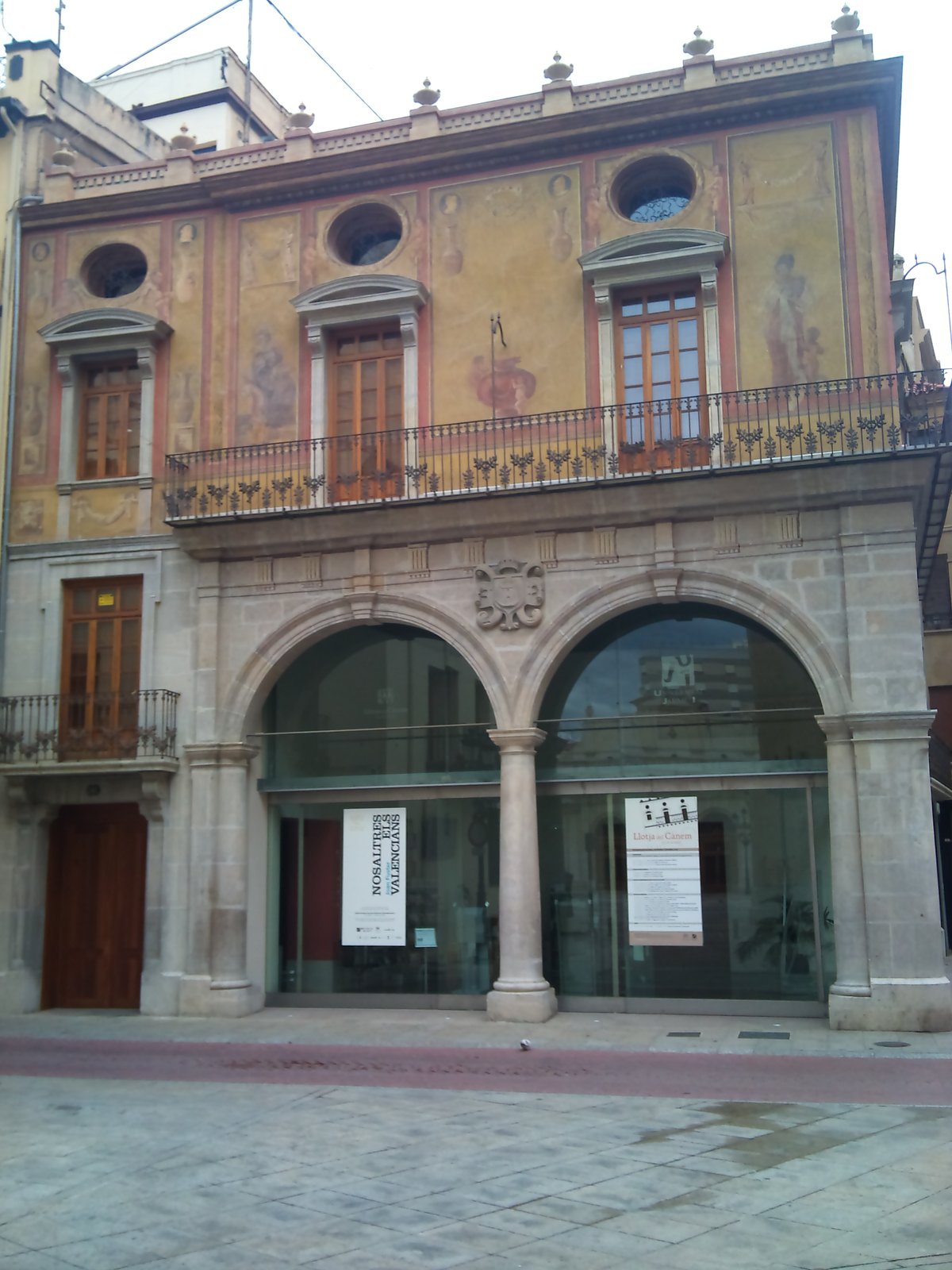

The Llotja del Cànem opened in 1617 as a dedicated exchange for hemp, the fiber used to manufacture rope and sails. Hemp cultivation became one of the dominant crops in the surrounding irrigated farmland during the mid-18th century.
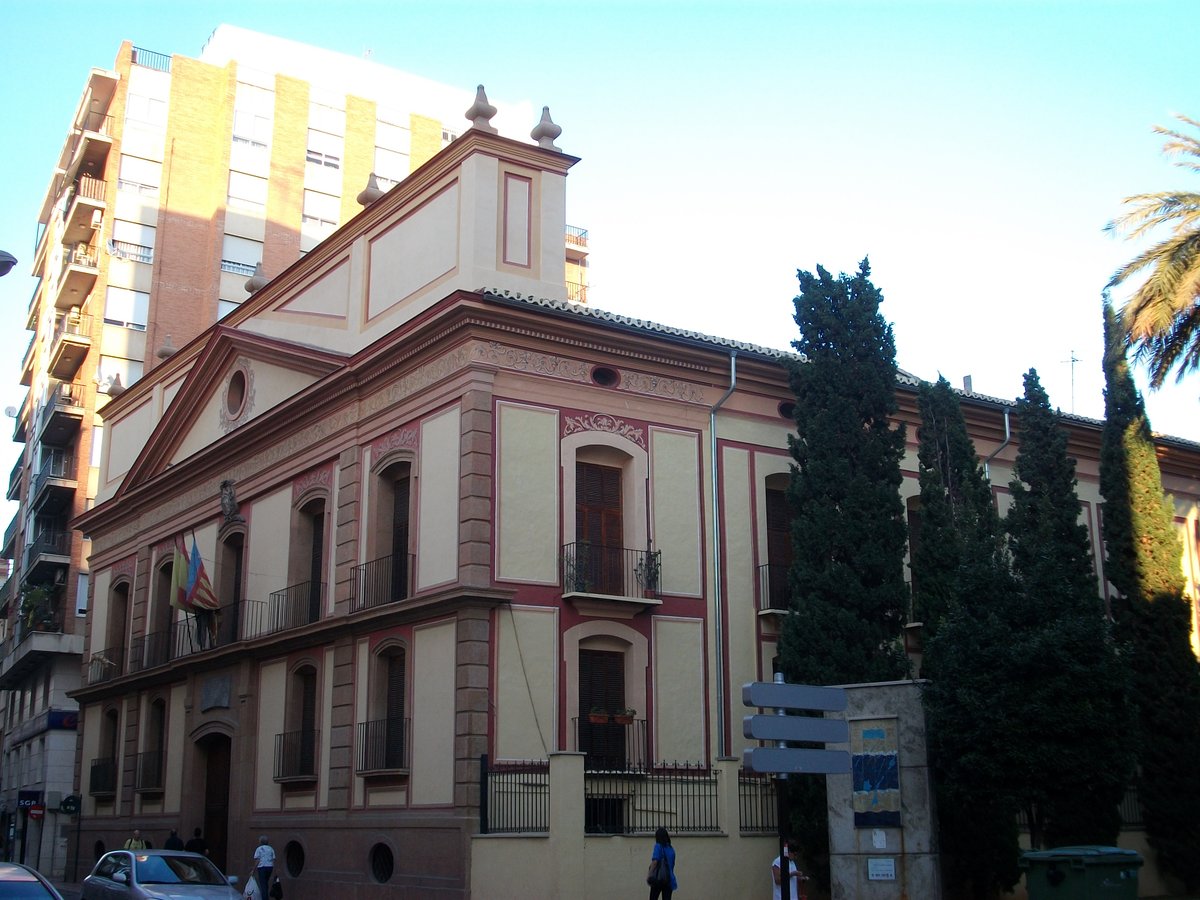
The city council bought and demolished the Casa Gumbau in 1603 to make room for this building. Master builder Francesc Galiança spent a decade constructing the open ground floor, which consists of an open loggia with large semicircular arches resting on Tuscan columns and pilasters. In 1792, an upper storey was added together with extensions to the ground floor.
In the 19th century, the façade was reportedly decorated with allegorical paintings by Joaquín Oliet. The building ceased its commercial role in the early 20th century. It was acquired by Jaume I University in 1999, restored between 2002 and 2007, and reopened on 27 February 2007 as the university's city headquarters and a venue for exhibitions, lectures and cultural events.
Today, it serves as the city campus for Jaume I University. Located near the Plaça Major, the building is a square-plan ashlar masonry structure featuring a continuous wrought-iron corner balcony and a classical cornice.
Sources: Wikipedia, OpenStreetMap, Wikidata, Wikimedia Commons
Written by Nicolo Ciampini
Discuss this with the author and others
No comments yet. Be the first to start the conversation.