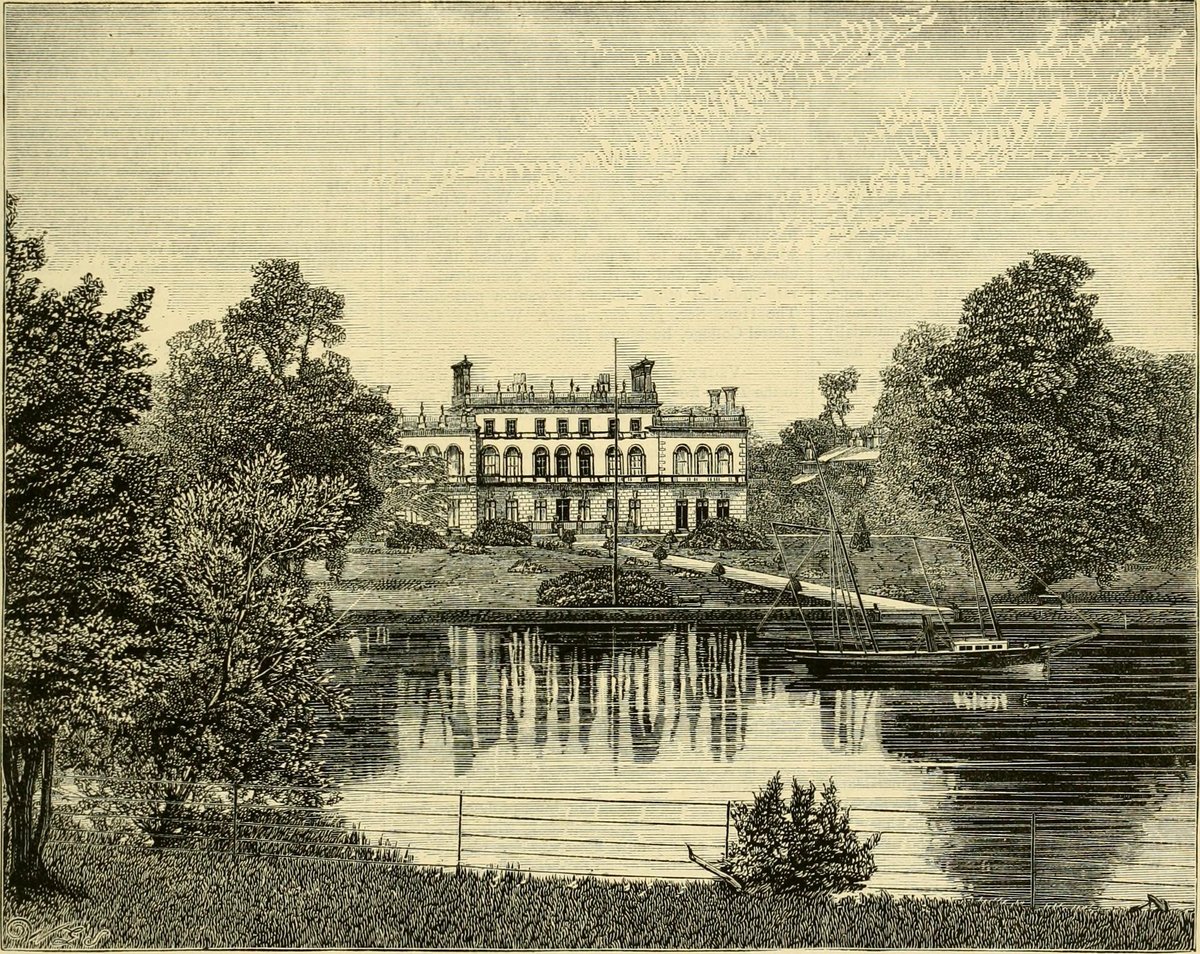

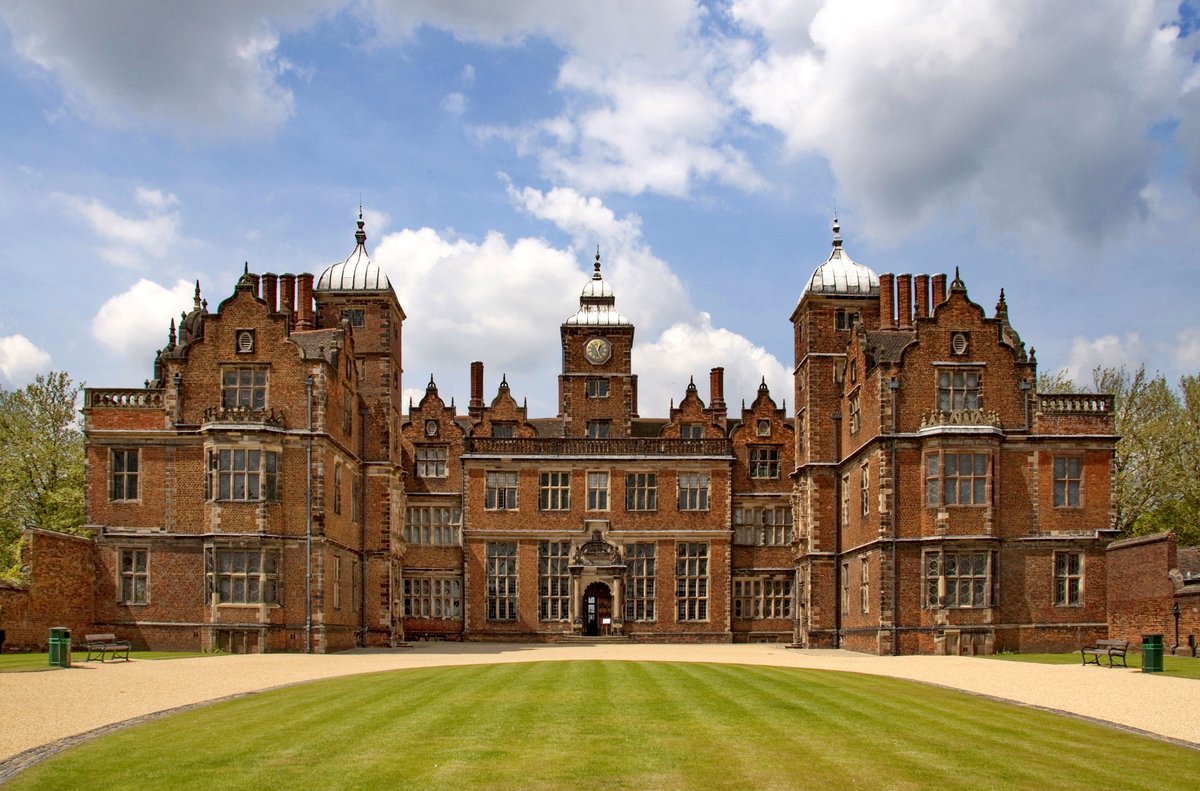
In the village of Little Aston, Staffordshire, England, stands Little Aston Hall - a manor built around 1730 by Richard Scott. In the early 19th century, the house was restyled by architect James Wyatt for William Tennant. Later, in 1857, Hon Edward Swynfen Parker Jervis enlarged and improved the house at a reputed cost of £35,000.
Through the early 20th century, the hall changed hands multiple times. In 1907, solicitor Joseph Bennett Clarke purchased the hall with 1500 surrounding acres. By 1924, it was sold to Harry Scribbans, a wealthy cake maker, who held only 118 acres. After being unoccupied from 1950 to 1954, the house served as regional headquarters for Esso and later as the head office for Birfield Ltd. before being acquired by GKN in 1966.
In 1984, the site was redeveloped. The original hall was converted into seven residential apartments while retaining its external appearance. Seven new modern style double blocks were built in the grounds overlooking the lake, providing 49 apartments. In the 2000s, development continued with the construction of around 100 apartments known as Lady Aston Park, along with a BUPA residential care home and private BUPA hospital.
Sources: Wikipedia, OpenStreetMap, Wikidata, Wikimedia Commons
Written by Nicolo Ciampini
Discuss this with the author and others
No comments yet. Be the first to start the conversation.