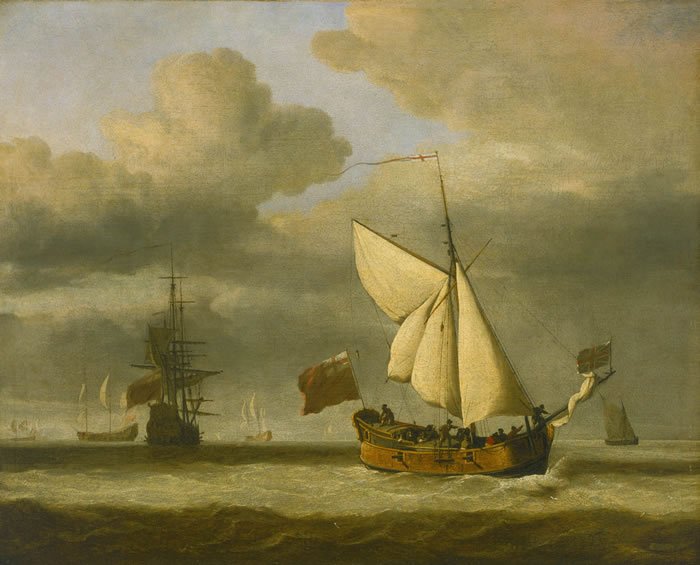

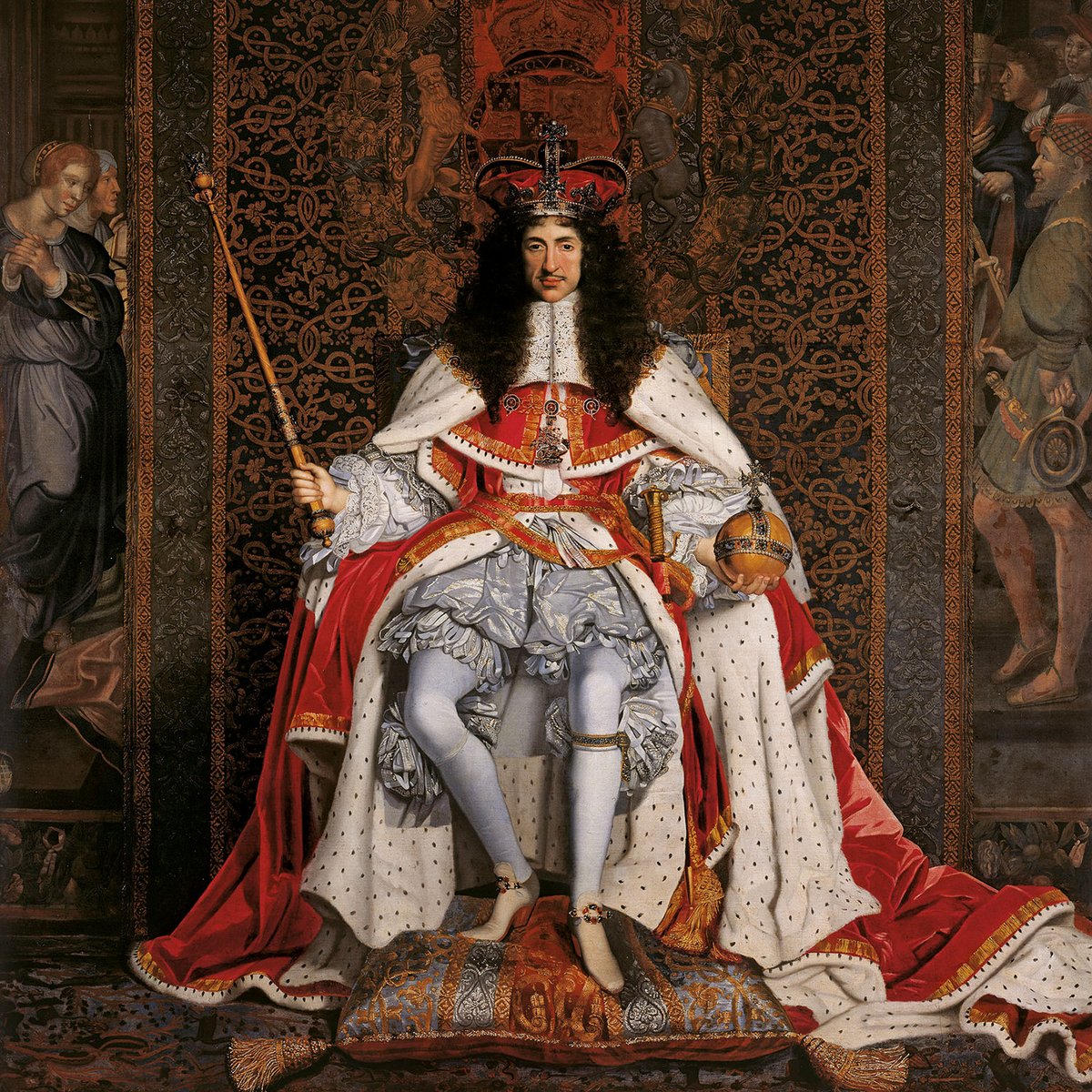
After the royalist defeat at the Battle of Worcester in 1651, King Charles II fled from Parliamentarian forces who had orders to arrest him. He travelled to Brighton and met Nicholas Tettersell, the captain of a collier. Tettersell was the only person who knew Charles's identity; the crew were told that the passengers were merchants fleeing their creditors.
The ship successfully delivered the royal party to France, where Charles lived in exile until 1660. He remained fond of the ship that had helped his escape. Upon his return to England at the Restoration, he purchased the ship he had travelled on and renamed her Royal Escape.
Charles had her moored in the Thames off the Palace of Whitehall, where he would show her to visitors and other royalty. She was entered on the Navy List as a smack and was rebuilt in 1714 and 1736 as a transport. She was sold in 1750, although several other vessels continued the name until 1877.
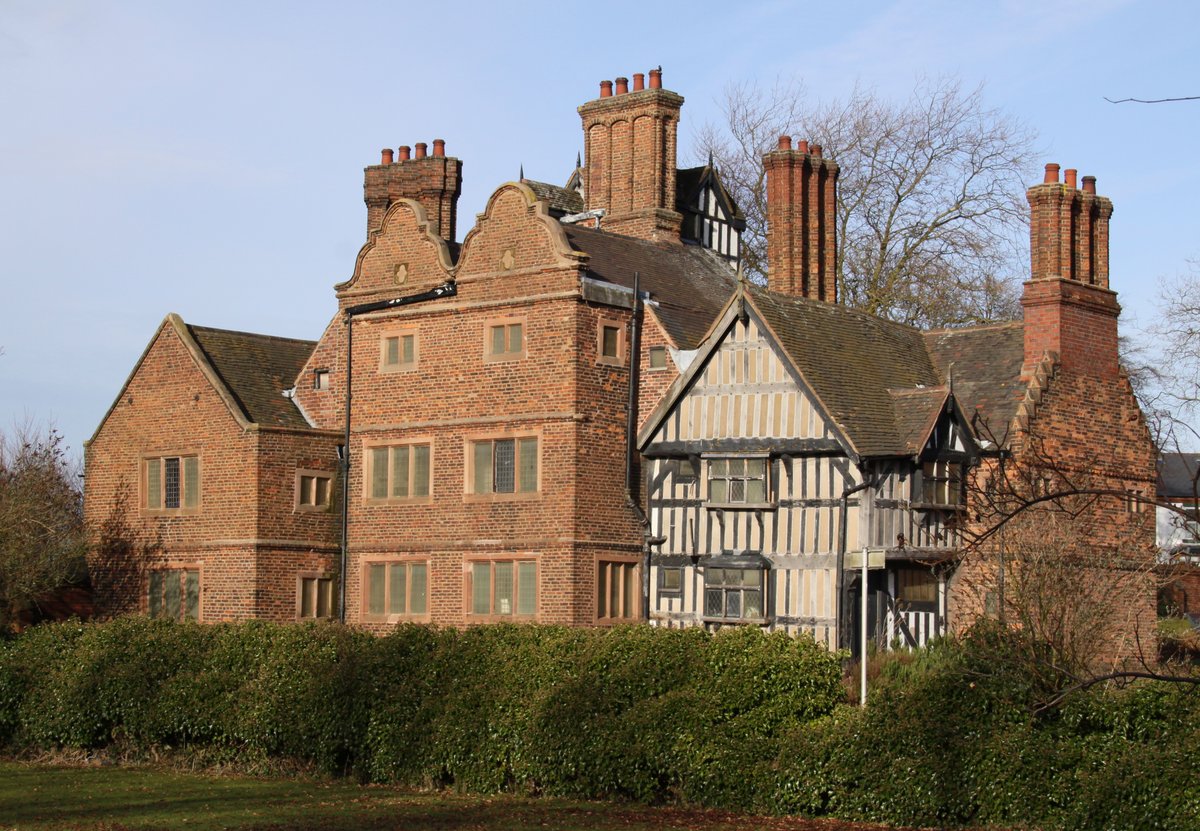
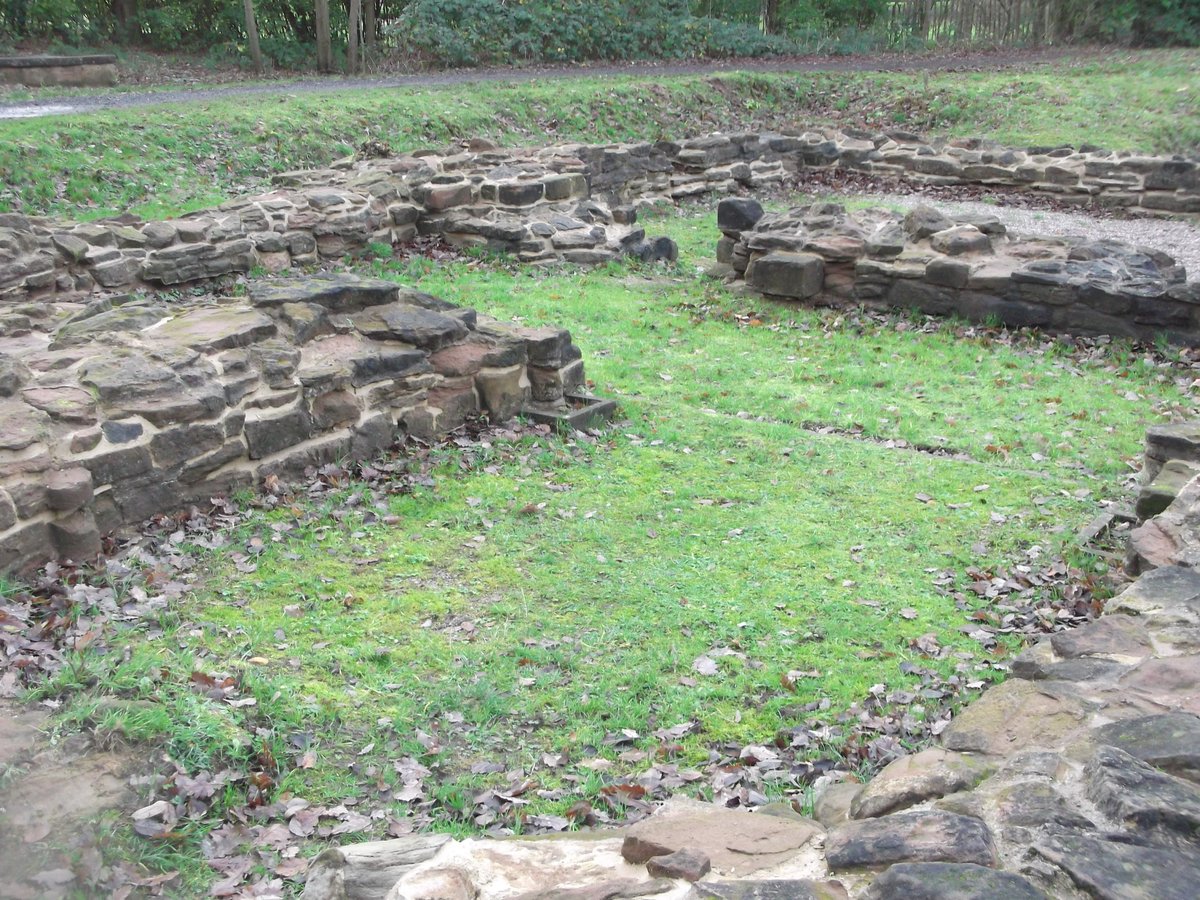
A stone sculpture by Planet Art at Bentley Cairn now marks the spot of the boat that saved a crown. One of four stones excavated from Bentley Hall, surrounding Bentley Cairn, tells the story of King Charles II sheltering here after losing the English Civil War. Engraved with a depiction of the boat Surprise, it serves as a memorial to the escape.
Sources: Wikipedia, OpenStreetMap, Wikidata, Wikimedia Commons
Written by Nicolo Ciampini
Discuss this with the author and others
No comments yet. Be the first to start the conversation.