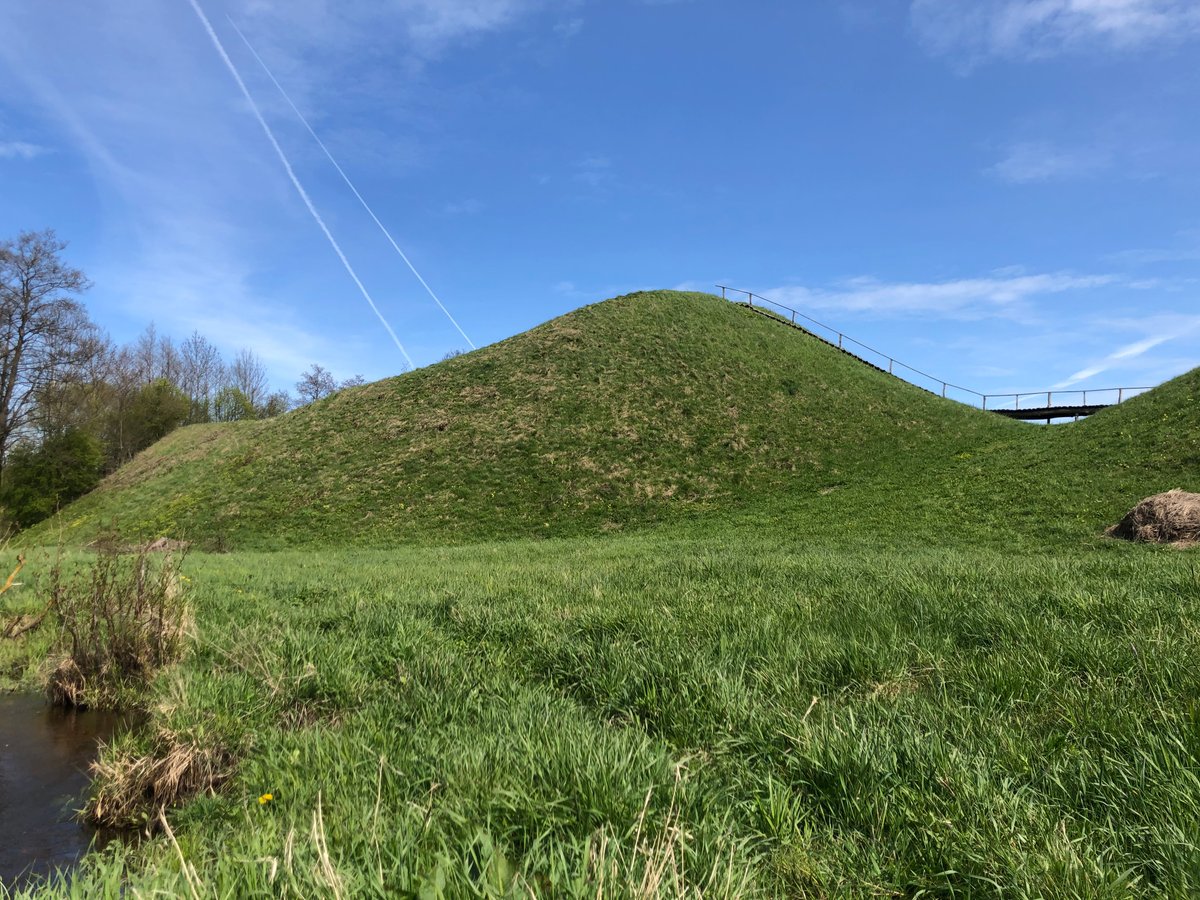

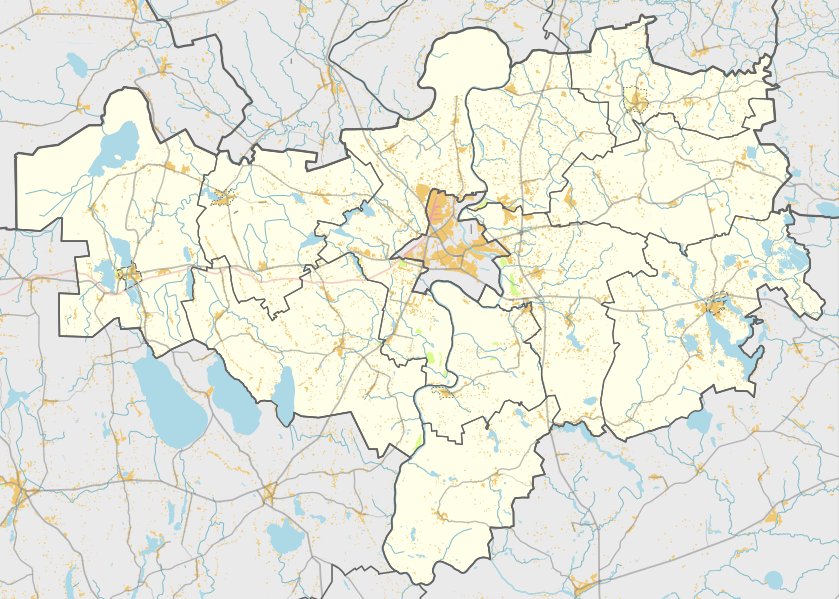
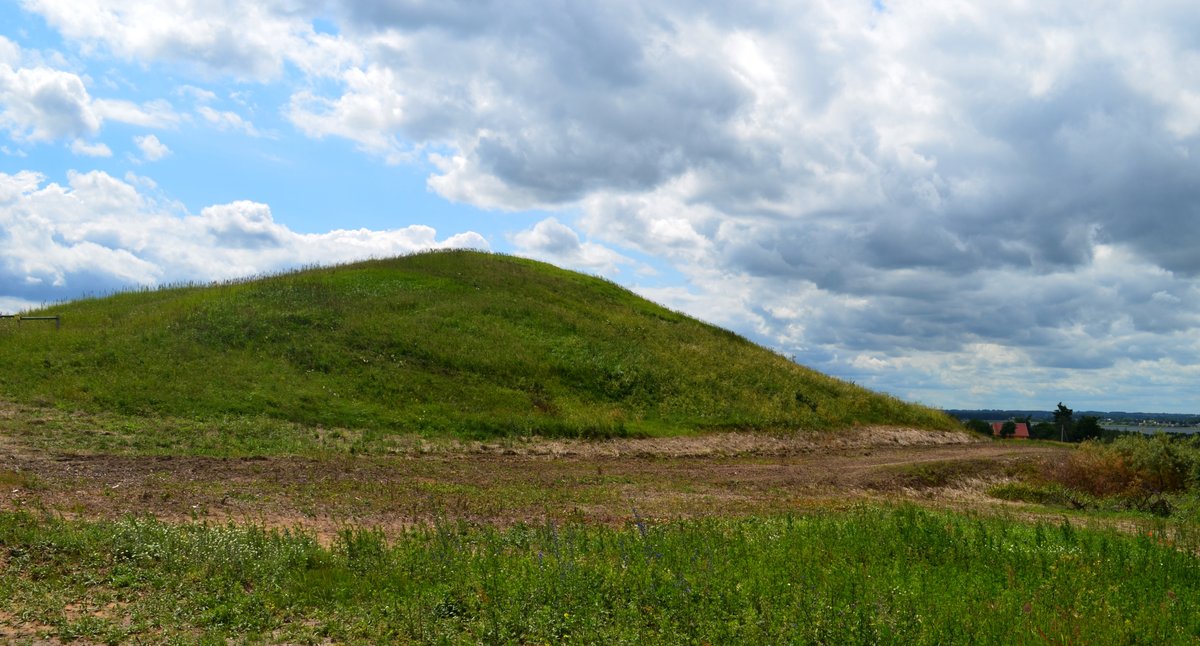
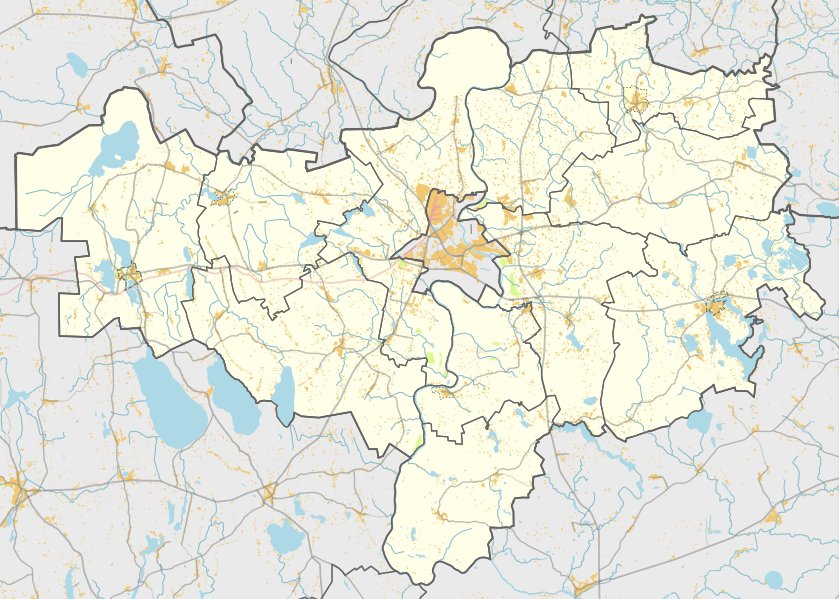
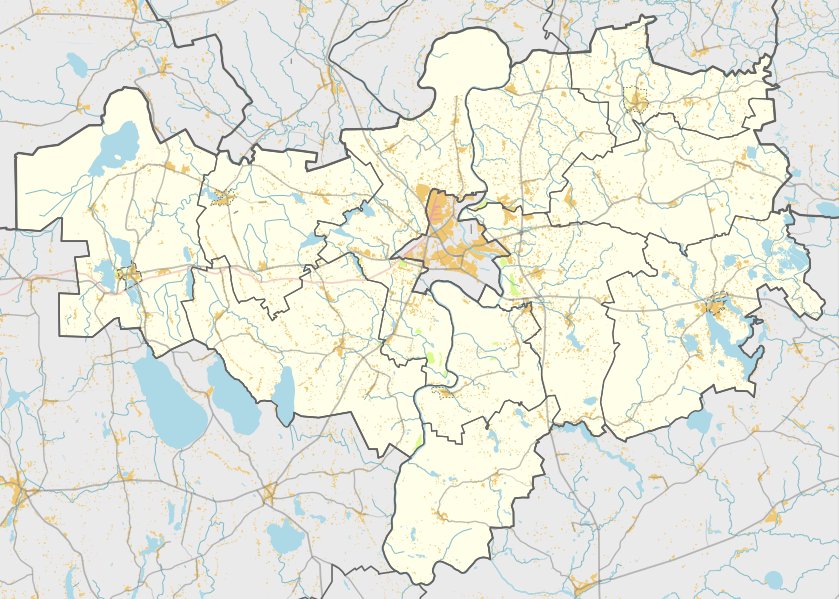
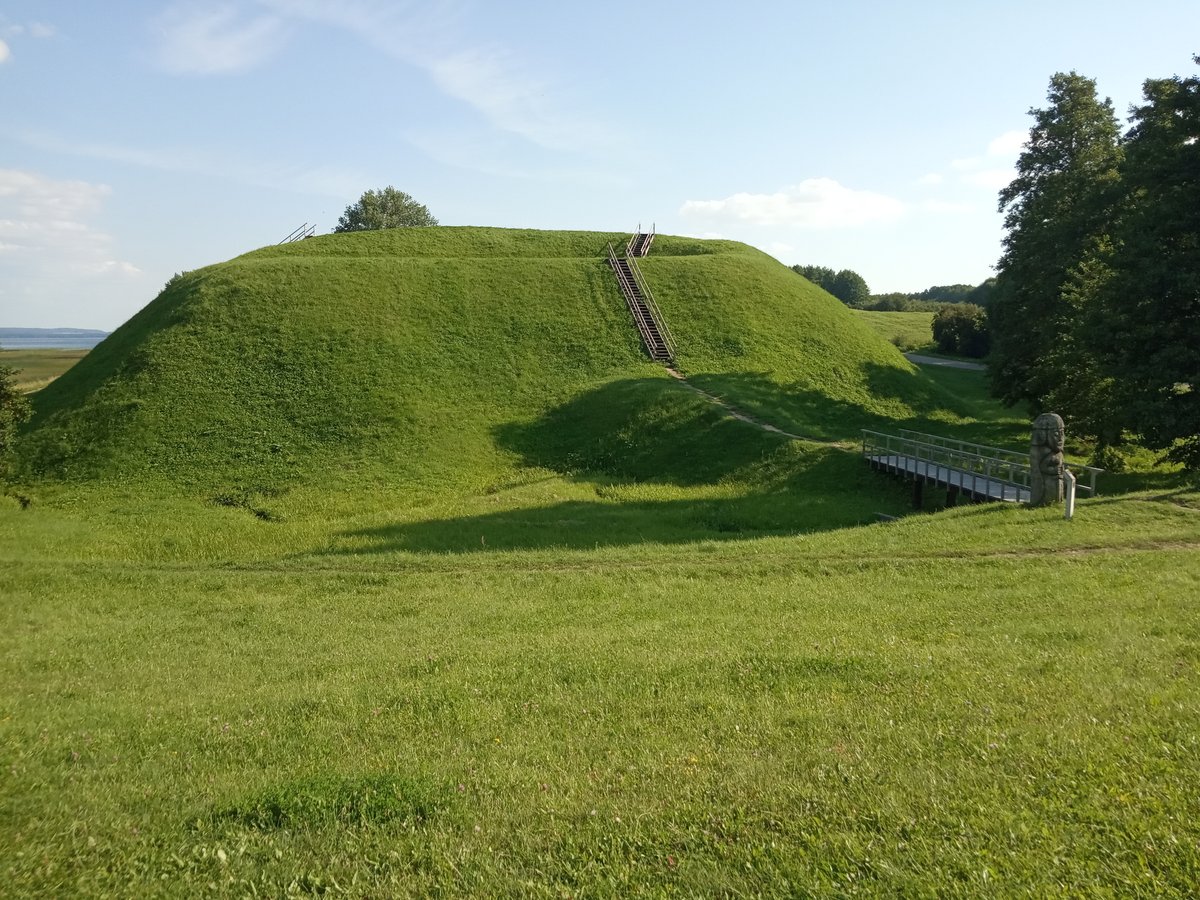
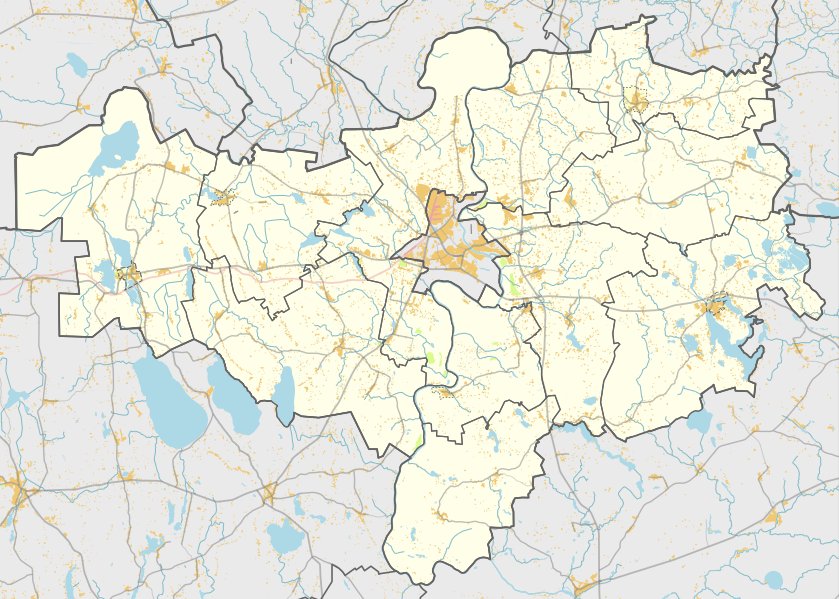
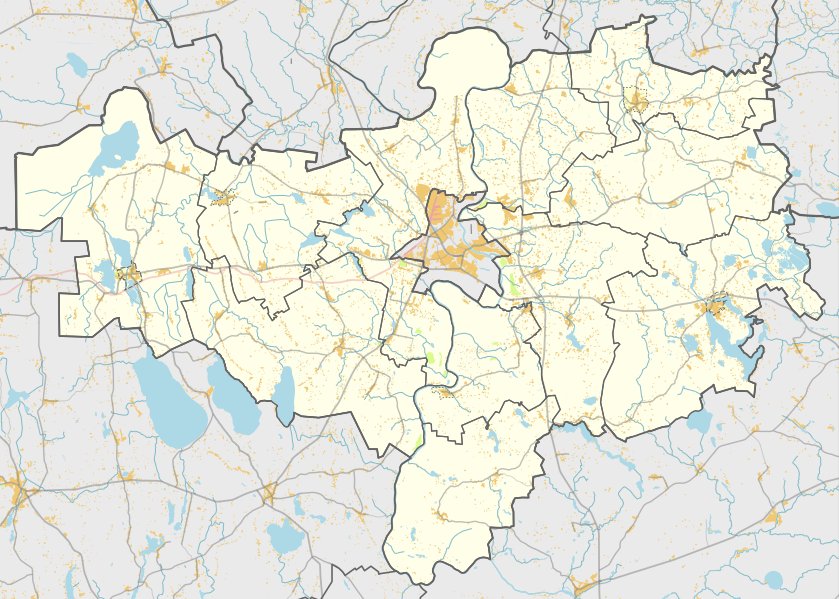
Situated in the Alytaus region, Kaukų piliakalnis is located near the Miroslavas - Meteliai and Papėčiai - Obelninkai roads. The oval-shaped hillfort measures 27x17 meters and stands 8–9 m high. The site is characterized by a surrounding embankment and a settlement at the foot of the hill, where coarse and smooth ceramics have been found.
Archaeological research has identified three distinct stages of embankment construction. The first was made of stones and logs. It was later raised by collapsing a 2 m clay layer reinforced with split logs and topped with a wooden barrier. After burning, it was reconstructed a third time by adding a 3 m thick layer of collapsed clay reinforced with split logs.
Excavations in the lower 5th-9th century layer revealed coarse ceramics and various artifacts. In the 10th-11th century layer, researchers found remains of fortifications, dwellings, and a vast collection of 500 metal items, including jewelry and tools. The site also yielded 126 arrowheads of various shapes, suggesting the wooden fort was set on fire during a siege. The complex dates from the beginning of the first millennium until the 11th century.
Sources: Wikipedia, OpenStreetMap, Wikidata, Wikimedia Commons
Written by Nicolo Ciampini
Discuss this with the author and others
No comments yet. Be the first to start the conversation.