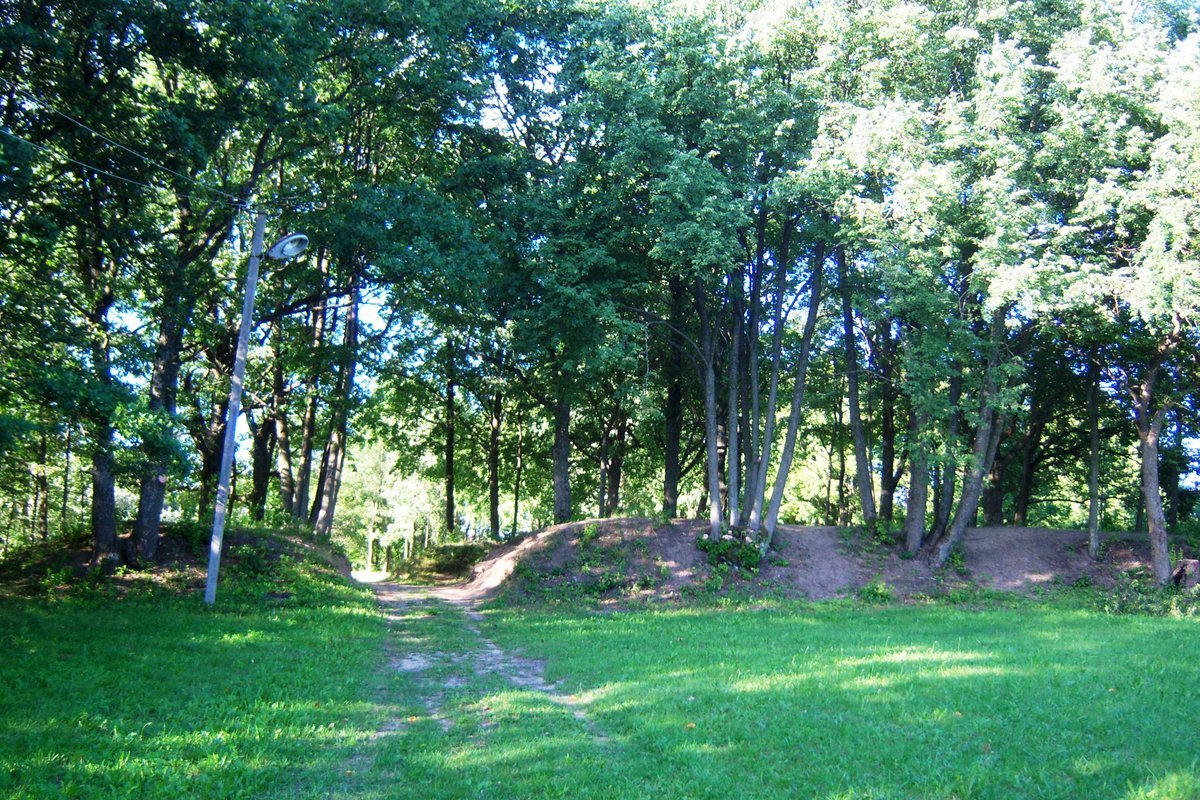

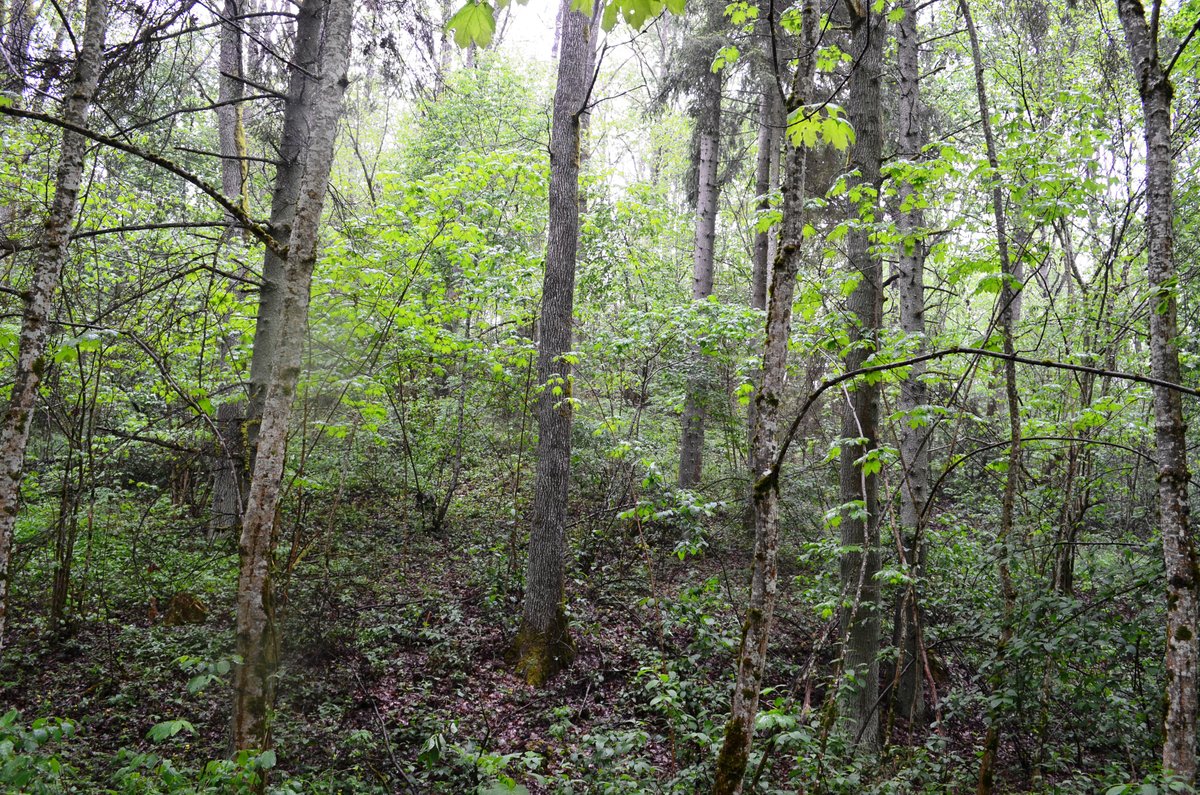
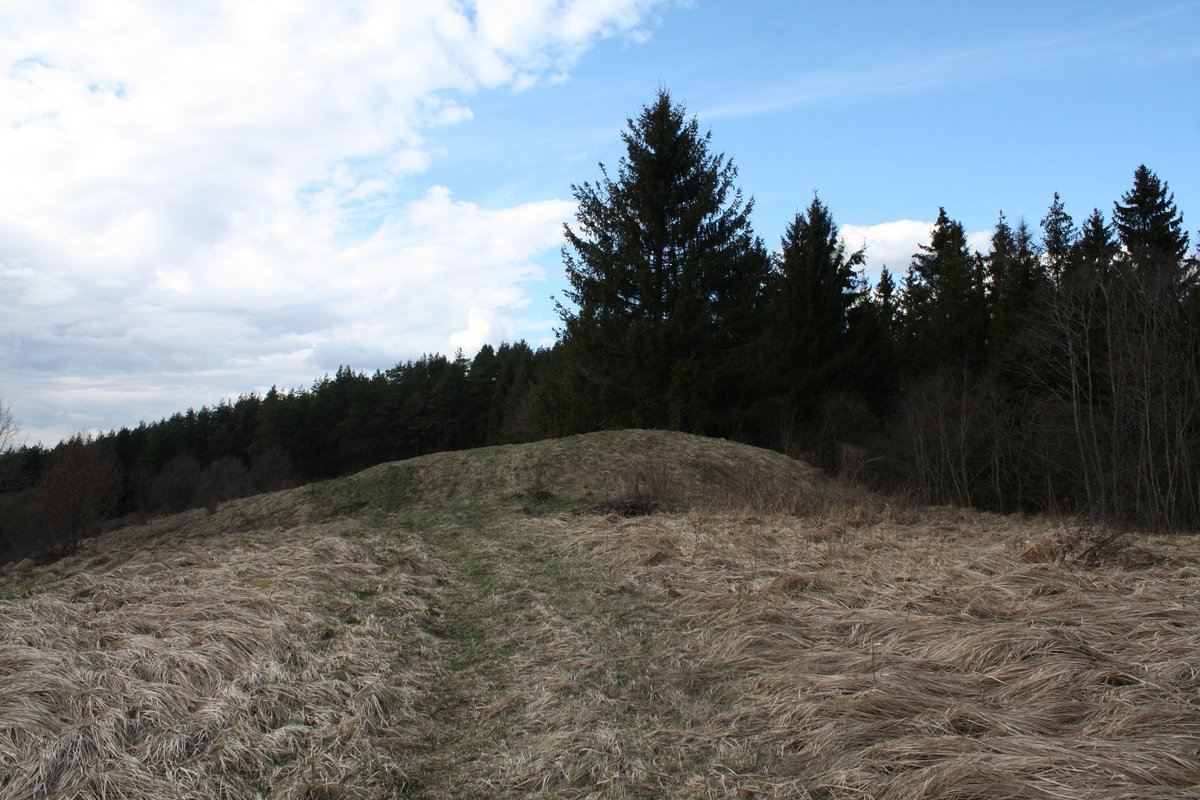
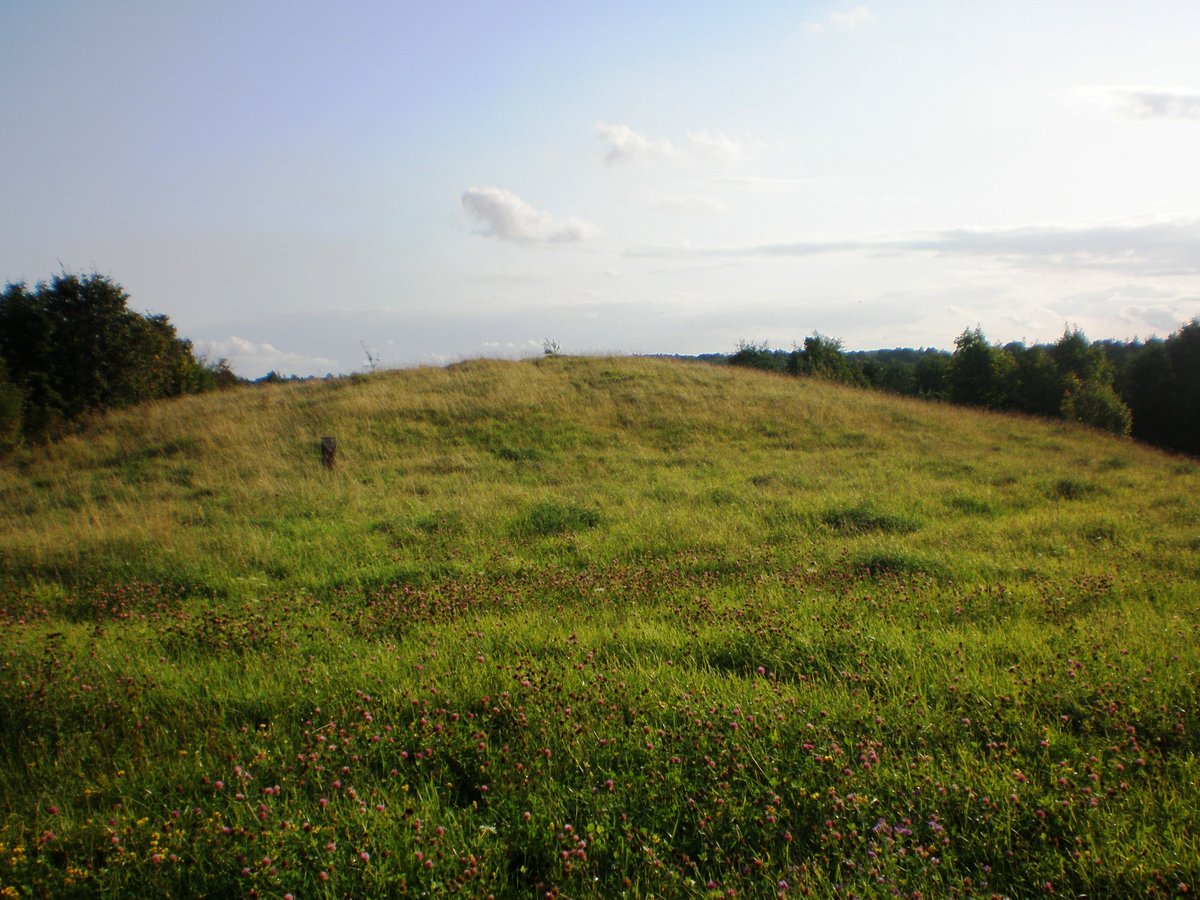
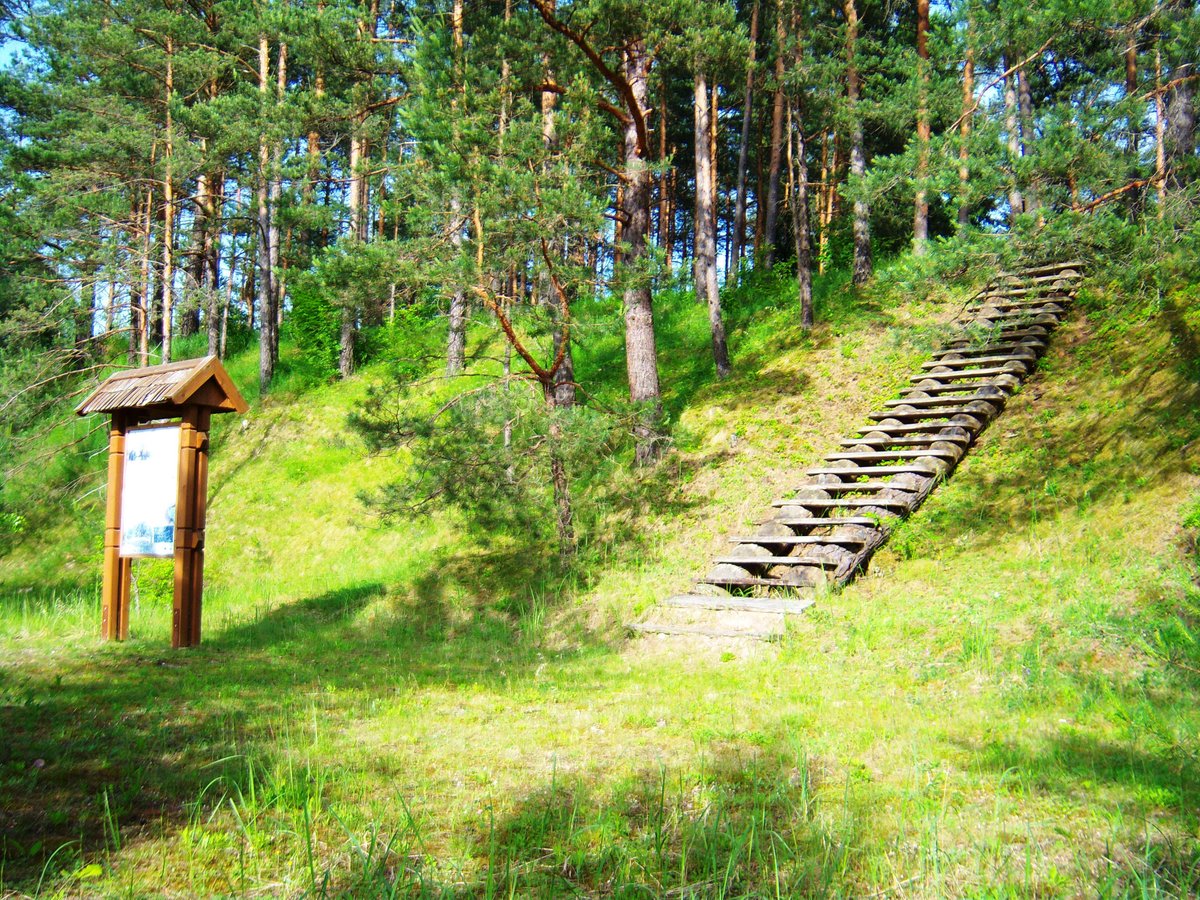
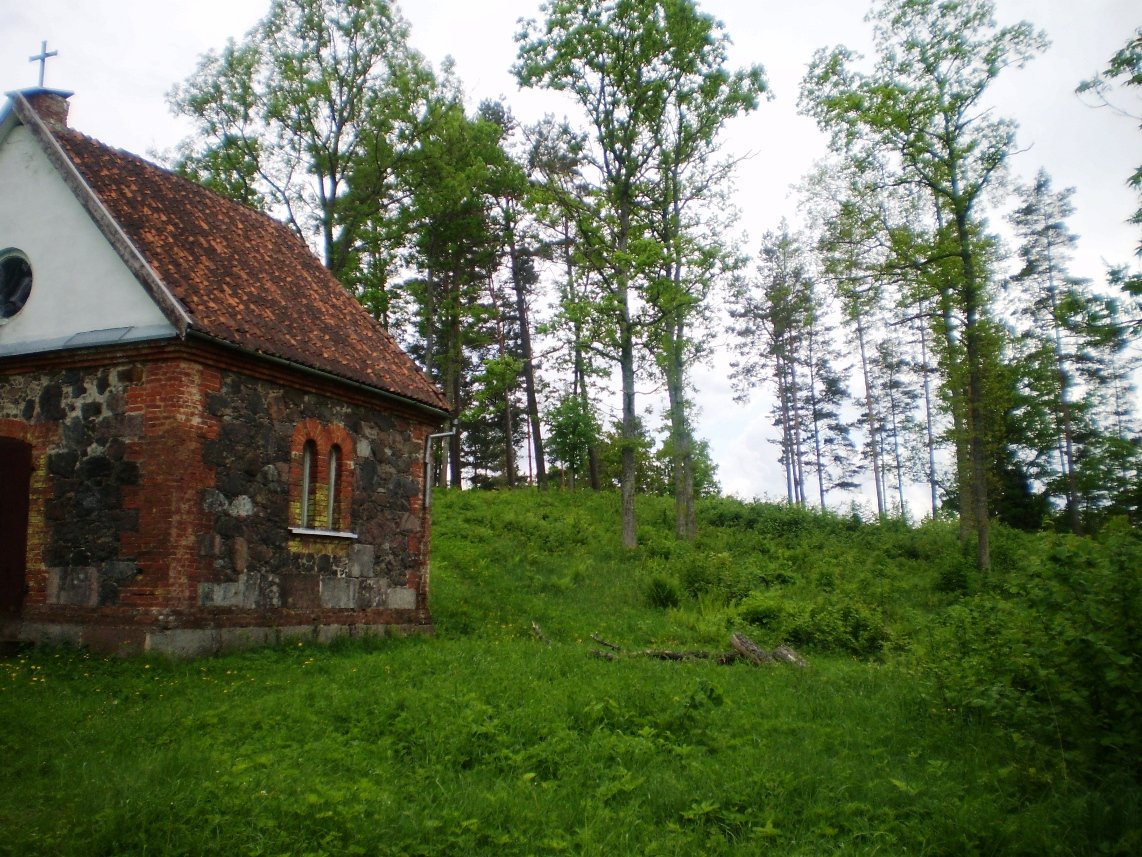
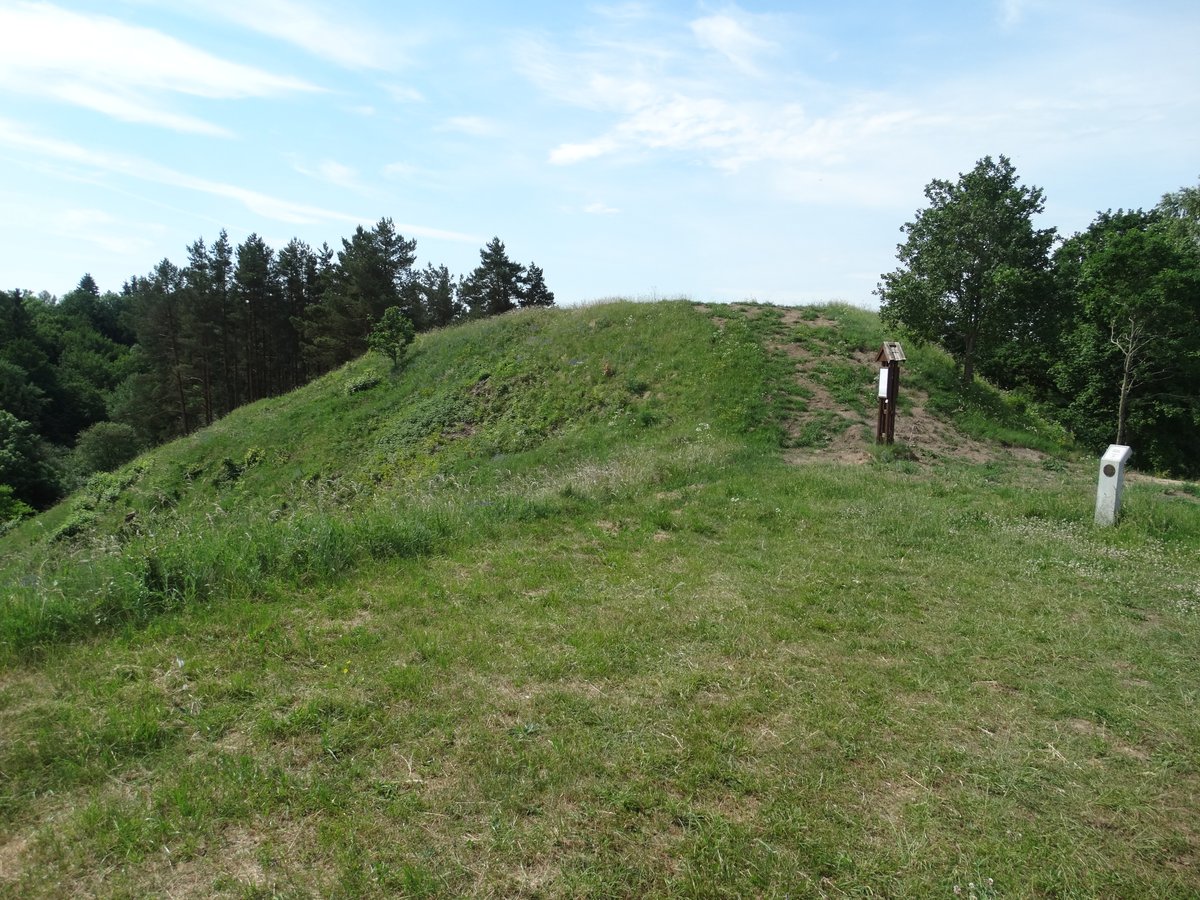
In the village of Gėlūva, on the left bank of the Dubysa, lies Gėluvos piliakalnis, also known as Birutkalnis or Birutė's hill. It is a hillfort and settlement located in a high ridge facing the Dubysa valley. To reach it, follow the Vilkija–Čekiškė–Ariogala road and, after turning left, turn a few to the right. Located about 200 meters from the road, the site features artificial slopes and two long ramparts, which are about 40 meters long and 2 meters high, separated by a ditch.
Historical records and archaeological research provide a window into the site's past. Liudvikas Kšivickis first described the hillfort in 1906. Subsequent archaeological investigations were carried out in 1961, 1980, and 1991. It is believed that a wooden Ariogalos castle may have stood on the hillfort, which was burned in 1382 during the conflicts between Jogaila and Kęstutis. To the northeast of the hillfort, traces of a cultural layer of a settlement are visible.
Local folklore preserves the story of a maiden named Birutė who lived on the hill during pagan times. According to legend, she tended a holy fire on the hill. A boastful warrior named Darbutas attempted to abduct Birutė from the temple at night. Birutė did not resist, but Perkūnas was angry and struck her with lightning, leaving her by the holy fire. Today, a spring trickles in the spot where Birutė was said to have hidden from the warrior.
Sources: Wikipedia, OpenStreetMap, Wikidata, Wikimedia Commons
Written by Nicolo Ciampini
Discuss this with the author and others
No comments yet. Be the first to start the conversation.