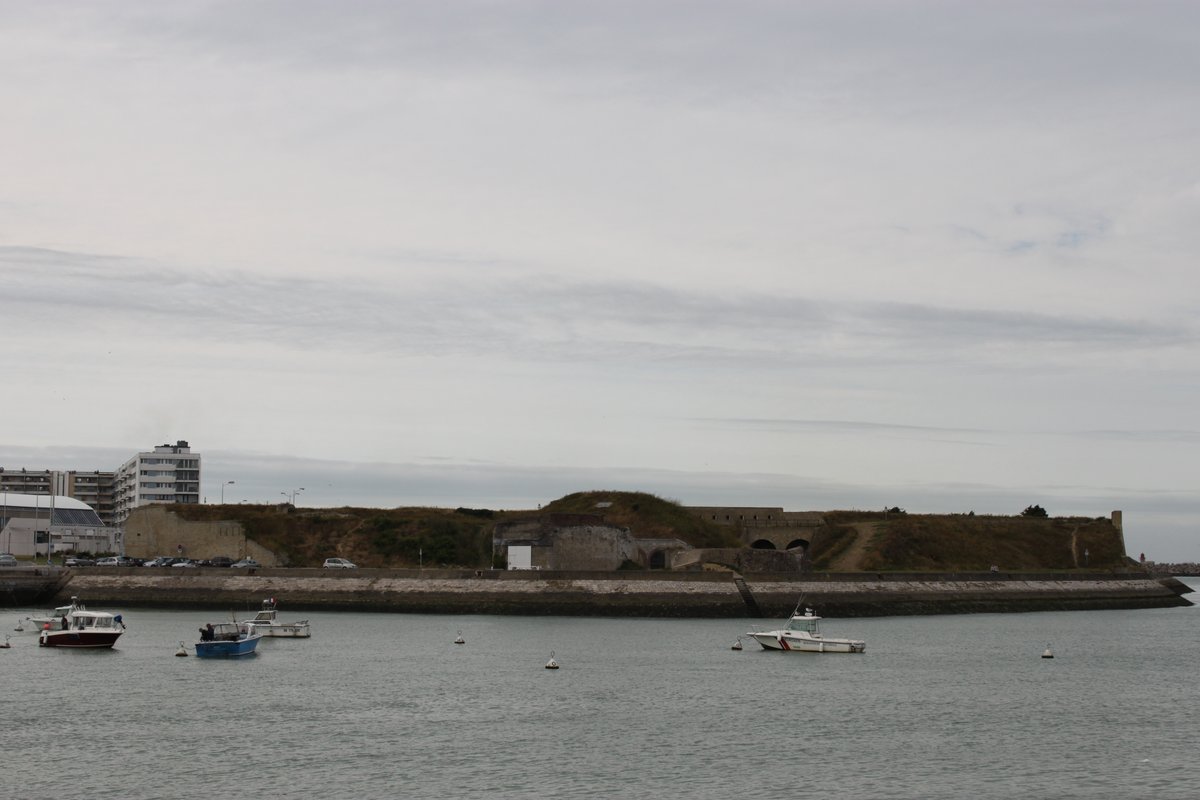

The conquest of Calais by England in 1346 marked the demise of a century of French reign over the city. However, Calais has always been stubborn, and the Picardy lords constructed Fort Risban to protect their land. When the English arrived, they fortified it even further, making it of solid stone and later steel. The fort fell only when the French, under Bertrand du Guesclin, stormed it in 1357 by sapping. The English rebuilt a new fort closer to the city, yet the French reclaimed Calais before its completion.
In the early 15th century, Fort Risban was rebuilt into a stone tower. The English reclaimed Calais once more, with King Henry V renaming it the Lancaster Tower. The French, in 1421, wrested control back from the English. After 1400, the wooden tower was replaced by a stone structure, later renamed Lancaster Tower. The fort served the English forces until 1558, when France retook Calais. It was seized by the Spanish Netherlands in 1596, only to be returned to France in May 1598, per the Treaty of Vervins.
Fort Risban underwent yet another reconstruction in 1640. Vauban, in the 1680s, labelled it a 'house for owls and a place for celebrating the Sabbath' instead of a fortification. The fortifications of Calais and the Citadelle de Calais are closely related. Today, Fort Risban stands, intact, no longer a military base, but at the entrance of the Calais port, a testament to the centuries-long struggle for control of this strategic city between the French and the English.
Sources: Wikipedia, OpenStreetMap, Wikidata, Wikimedia Commons
Written by Nicolo Ciampini
Discuss this with the author and others
No comments yet. Be the first to start the conversation.