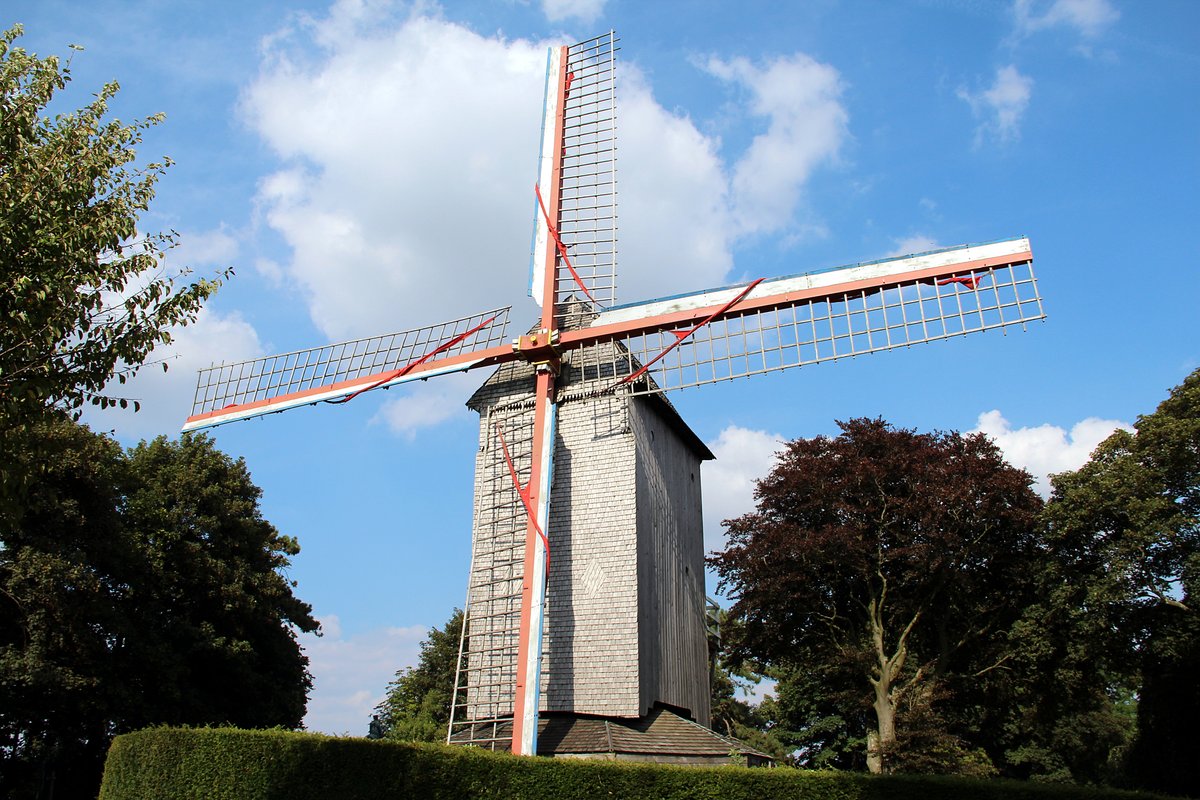

Standing on the summit of Mont Cassel, looking out over the vast, flat plains of Flanders, it's easy to imagine why this picturesque village has earned the moniker ‘Unconquered’. The tales of conquest, destruction, and siege that have taken place within its walls are as vibrant as the colors of its medieval architecture. From the ancient Romans to the modern-day tourists, this village has proven itself a fortress impossible to ignore. Let's delve deeper into the story of Cassel's resilience, starting from its ancient origins.
Ancient Gallic settlers called Cassel home, with the village fortified by the Gauls over 2000 years ago. This location was strategic, situated at a crossroads of important Roman roads. The Romans, seeing this, built a fortified post here, which eventually became known as Castellum Morinorum. Over time, the name evolved into Cassel, but the Greek presence replaced the Roman presence in the village.
In the centuries that followed, the village was passed between the Greeks, the Ménapii, and the Franks. Each group left a mark on the village, but it was the incoming Vikings who destroyed it in 880. After the destruction, the region was rebuilt and eventually became a center of power for the Counts of Flanders.
The Counts built a castle on the site, turning the village into a châtellenie, which is a feudal division. In 1071, Robert Ier de Flandre, also known as Robert the Frisian, won a significant battle at Cassel, securing his power in the region.
However, the peace would not last long. Over the next few centuries, Cassel would see siege after siege, with the villagers often being forced to pay heavy fines for their resistance. The village was captured multiple times by both France and Spain, with the final conquest taking place in 1678. Yet, despite the occupation, the village continued to stand, and the people continued to fight.
Sources: Wikipedia, OpenStreetMap, Wikidata, Wikimedia Commons
Written by Nicolo Ciampini
Discuss this with the author and others
No comments yet. Be the first to start the conversation.