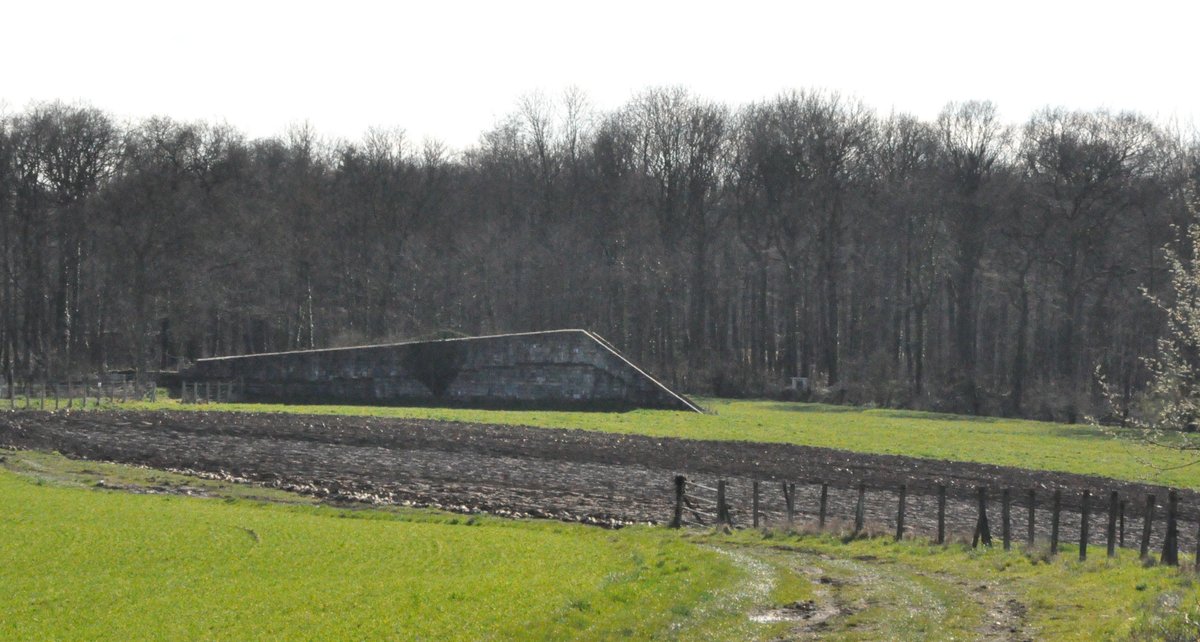

Deep within the earth, undetected and unremarkable, lies a shaft descending 340 metres, a hidden lair. By 1943, this secret chamber found a new purpose, nestled within Huit-Rues Wood. The Nazis built an intricate hub around it, a clandestine engine for the deadliest of silences. The V-1s, fearsome flying bombs, would emerge from this place, landing unexpectedly on London and Southern England, unheard and untouchable until their explosive end. This was their birthplace.
The V-1, 9 metres in length, snug in the bomb's belly, armed and poised, was so unsettlingly quiet in its goal that it was dubbed the Diver Bomb, a silent weapons system falling from the sky. The structures intended for the complex were discovered before their completion in 1943, yet they were complete by then. Before it was ready to unleash these mechanical monsters, the Allied forces executed Operation Crossbow, targeting these German fortresses.
The bombs fell, striking the complex repeatedly. But the V-1s were not yet airborne. No remote-controlled aircraft ever took flight from Huit-Rues Wood, and in September 1944, the complex stood abandoned. It lay forgotten for decades, a macabre reminder of a war that left deep scars on the land and the people. Until 2007, it was recognized as a historical monument. Today, the remnants of the complex rest in the quiet of the forest, a testament to a war now past and the silent thud of the V-1 reverberating in the shadows.
Sources: Wikipedia, OpenStreetMap, Wikidata, Wikimedia Commons
Written by Nicolo Ciampini
Discuss this with the author and others
No comments yet. Be the first to start the conversation.