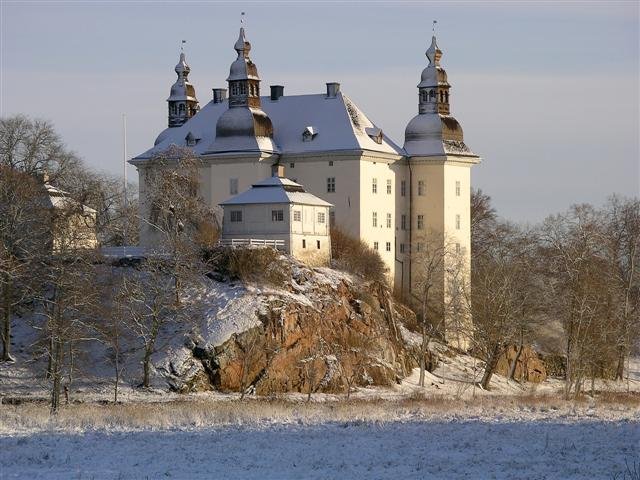

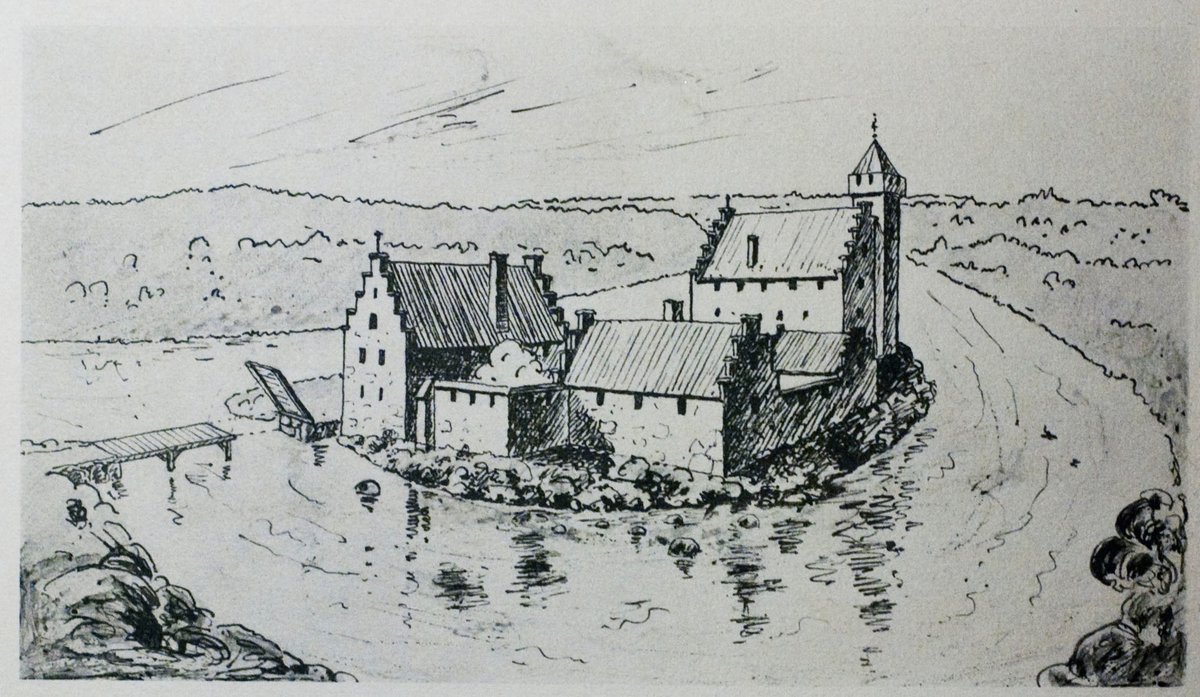
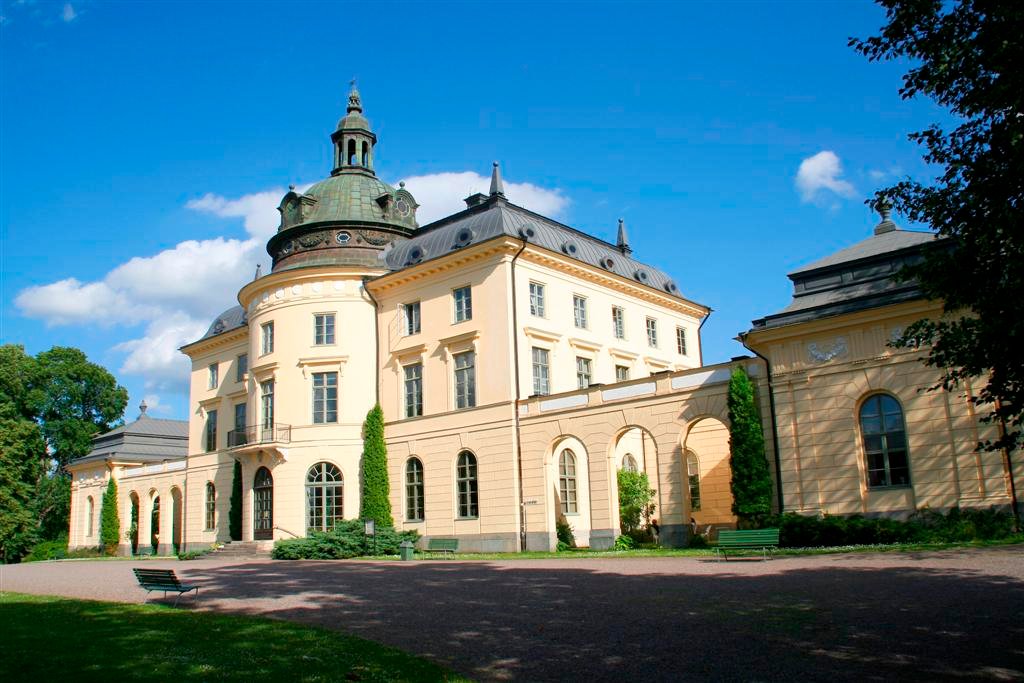
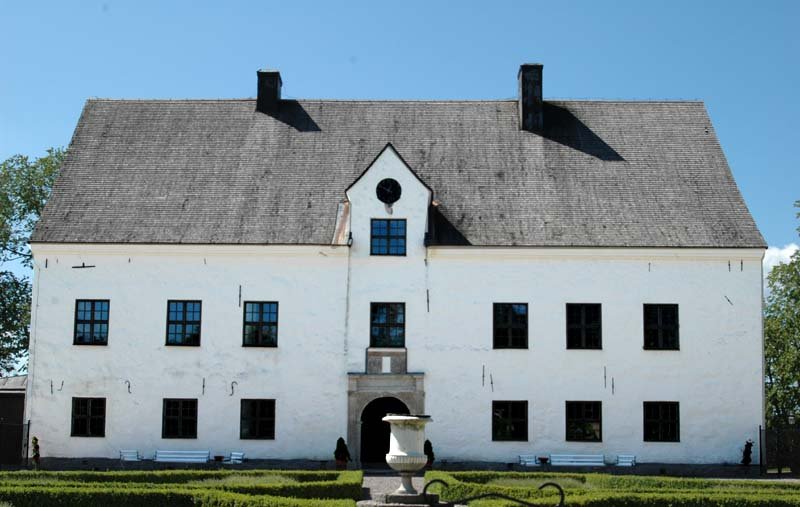
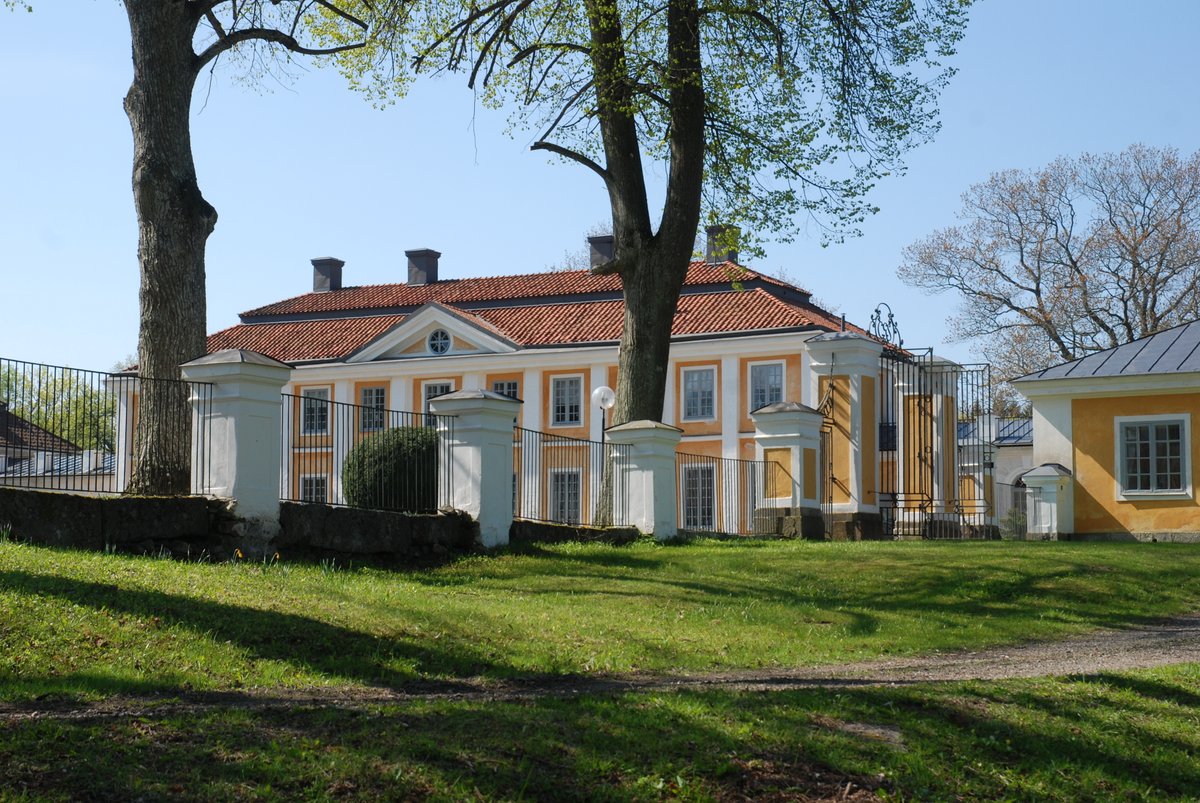
Ekenäs Castle, in Linköping Municipality, Östergötland, Sweden, boasts a rich history that spans over five centuries. The present castle was constructed in the 17th century, replacing a medieval fortress dating back to the 14th century. The lake surrounding the castle hill, originally a natural defense, was drained in the late 19th century to expand arable land. Ekenäs Castle showcases three square towers with Baroque tower domes and corner towers guarding the entrance vault.
Svante Sture, an influential noble who lived during the reign of King Erik XIV, built a stone house on the site in 1592. Per Gustafsson Banér, the son of Svante Sture's daughter Kristina, rebuilt the castle in Renaissance style between 1630 and 1644. The castle has changed hands over the centuries, including the Banér family, Count Philip O. L. Klingspor, and the Bergengren family, who acquired it in 1939.
During World War II, the castle reverted to its original function as a defensive fortress, serving as the local military headquarters and supply dump. After the war ended, the castle fell into a state of disrepair and neglect as its furnishings were pillaged by locals. Swedish authorities recognized it as a site of national cultural importance in 1974, leading the owners to significantly restore the castle, which is now regarded as the best-preserved Renaissance castle in Sweden.
Sources: Wikipedia, OpenStreetMap, Wikidata, Wikimedia Commons

Written by Nik Frost
Discuss this with the author and others
No comments yet. Be the first to start the conversation.