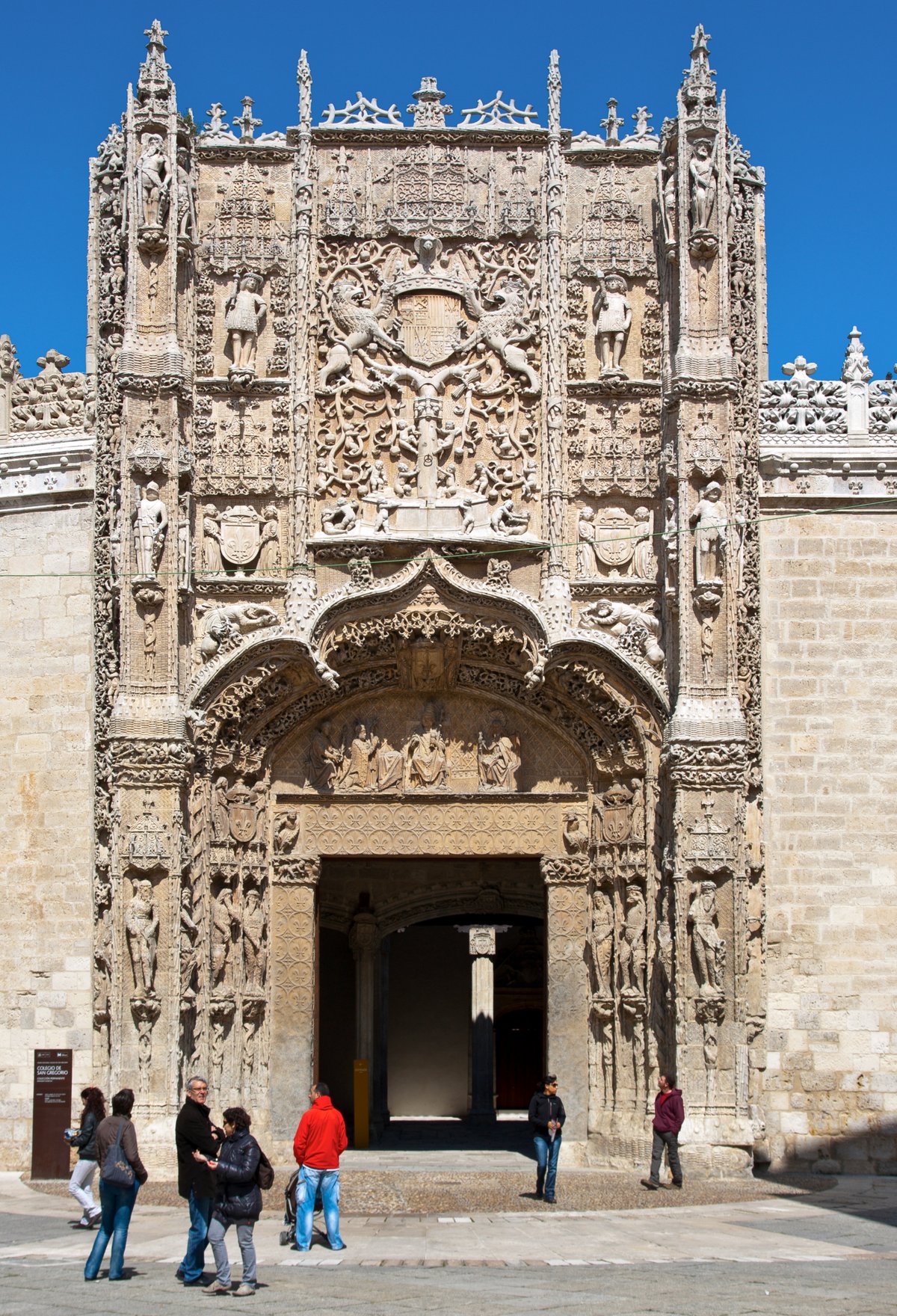

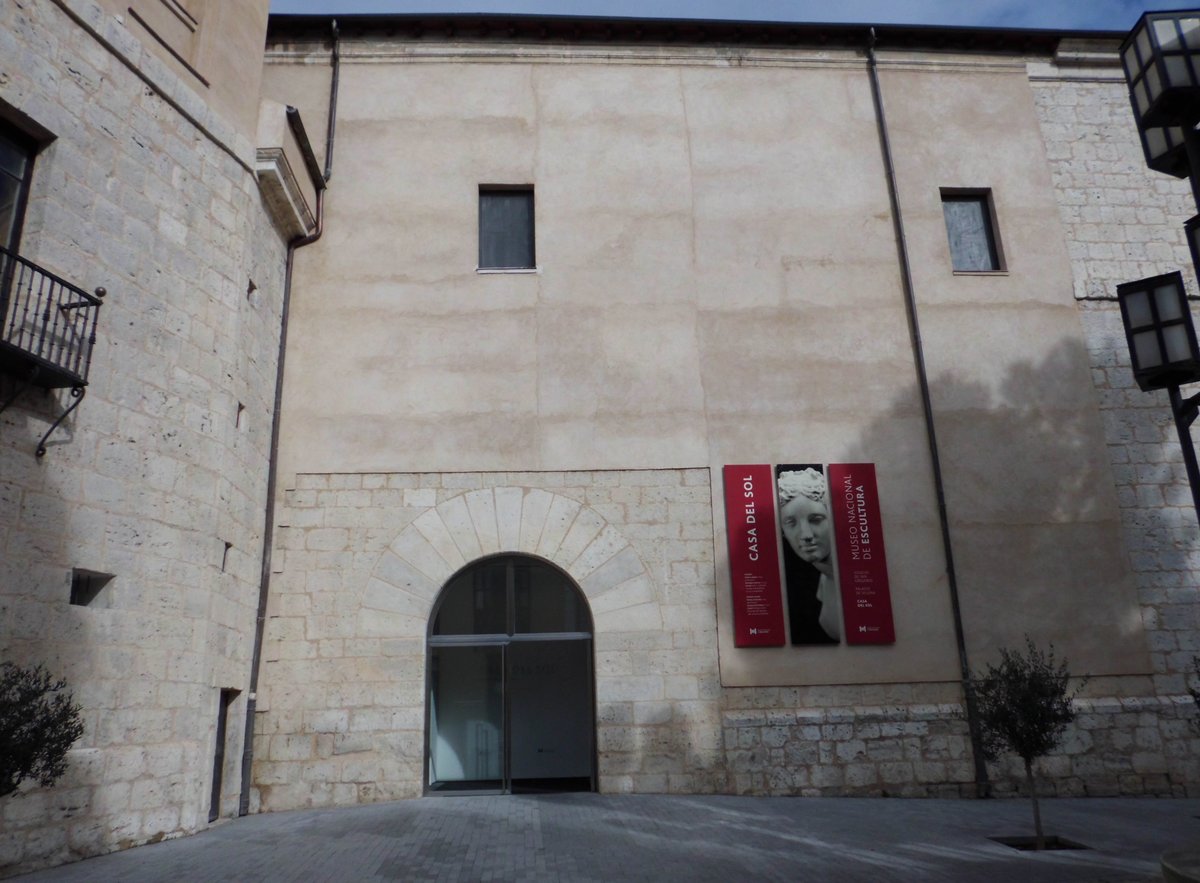
The National Museum of Sculpture in Valladolid houses an extensive sculptural collection ranging from the Middle Ages to the 19th century. The collection primarily consists of religious art confiscated by the State in 1836 by order of Minister of Finance Mendizábal. Other works were acquired through particular donations, deposits, or acquisitions by the State.
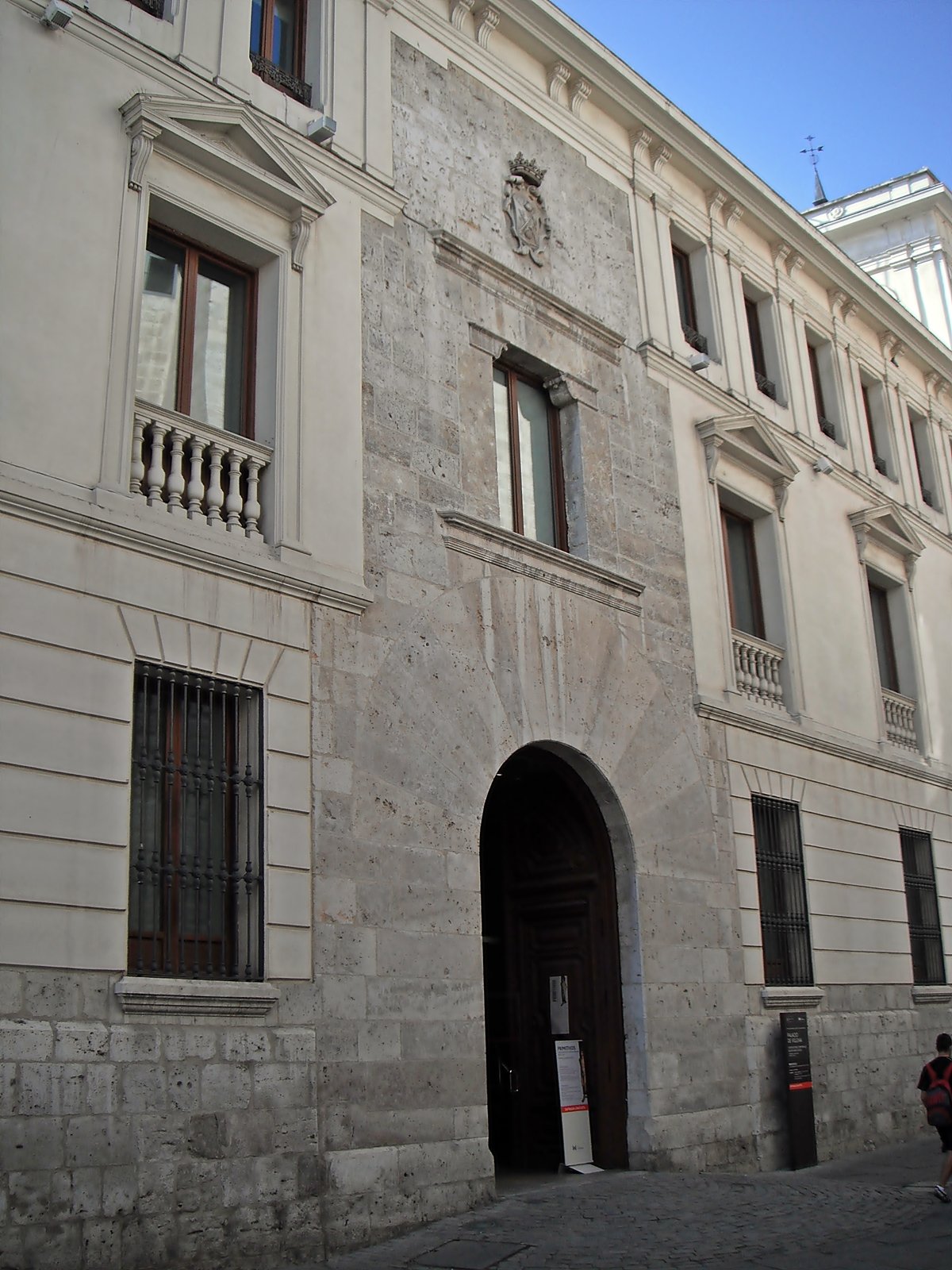
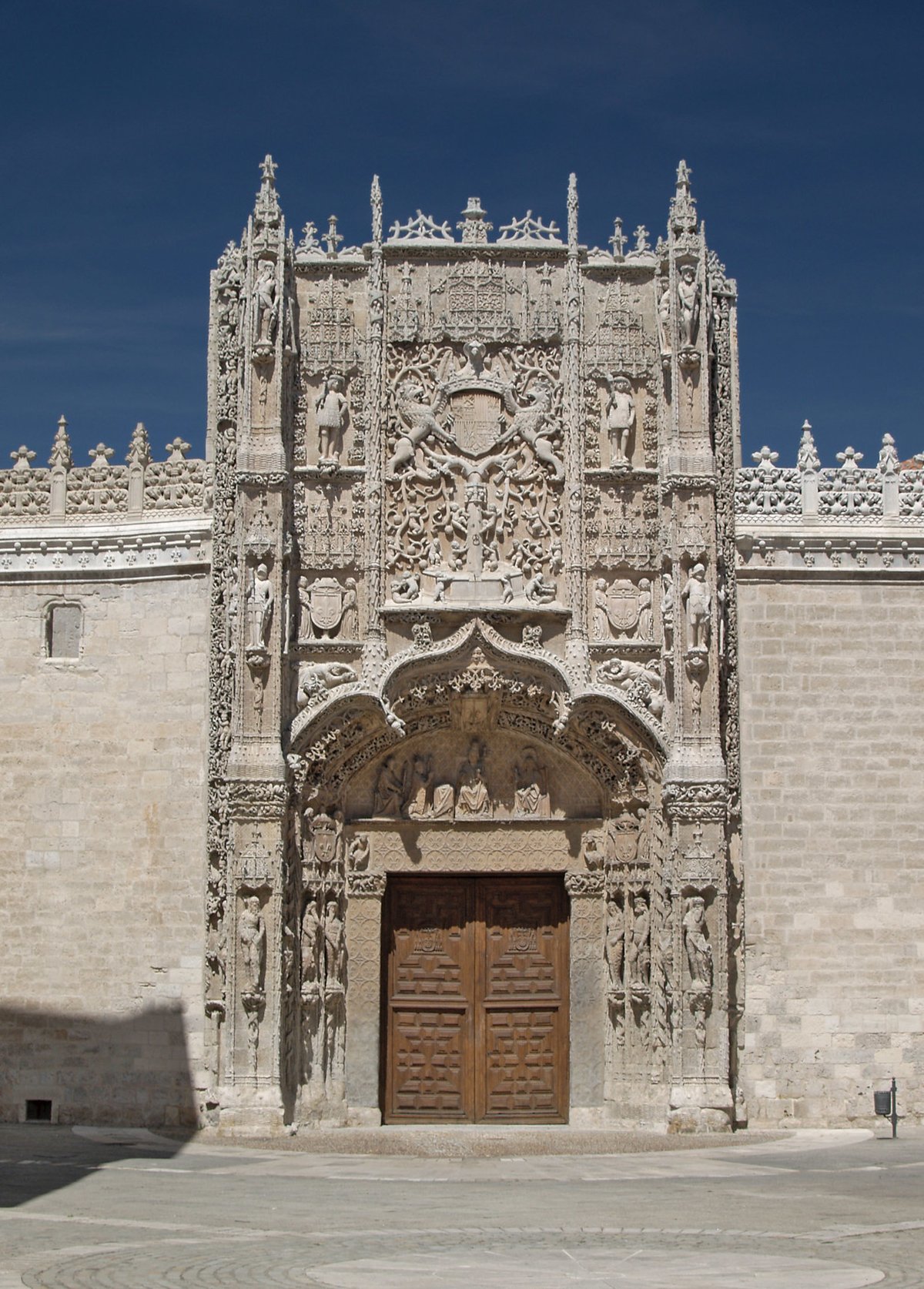
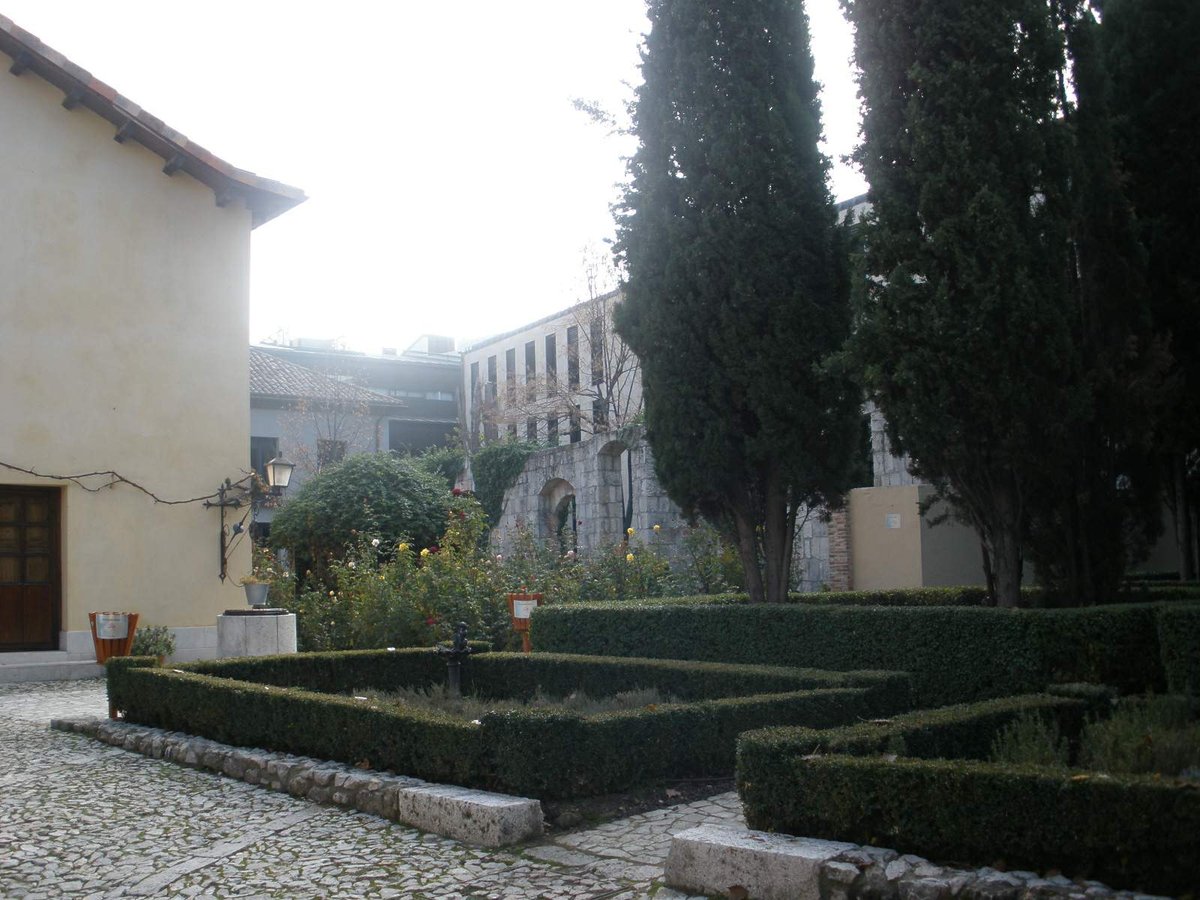
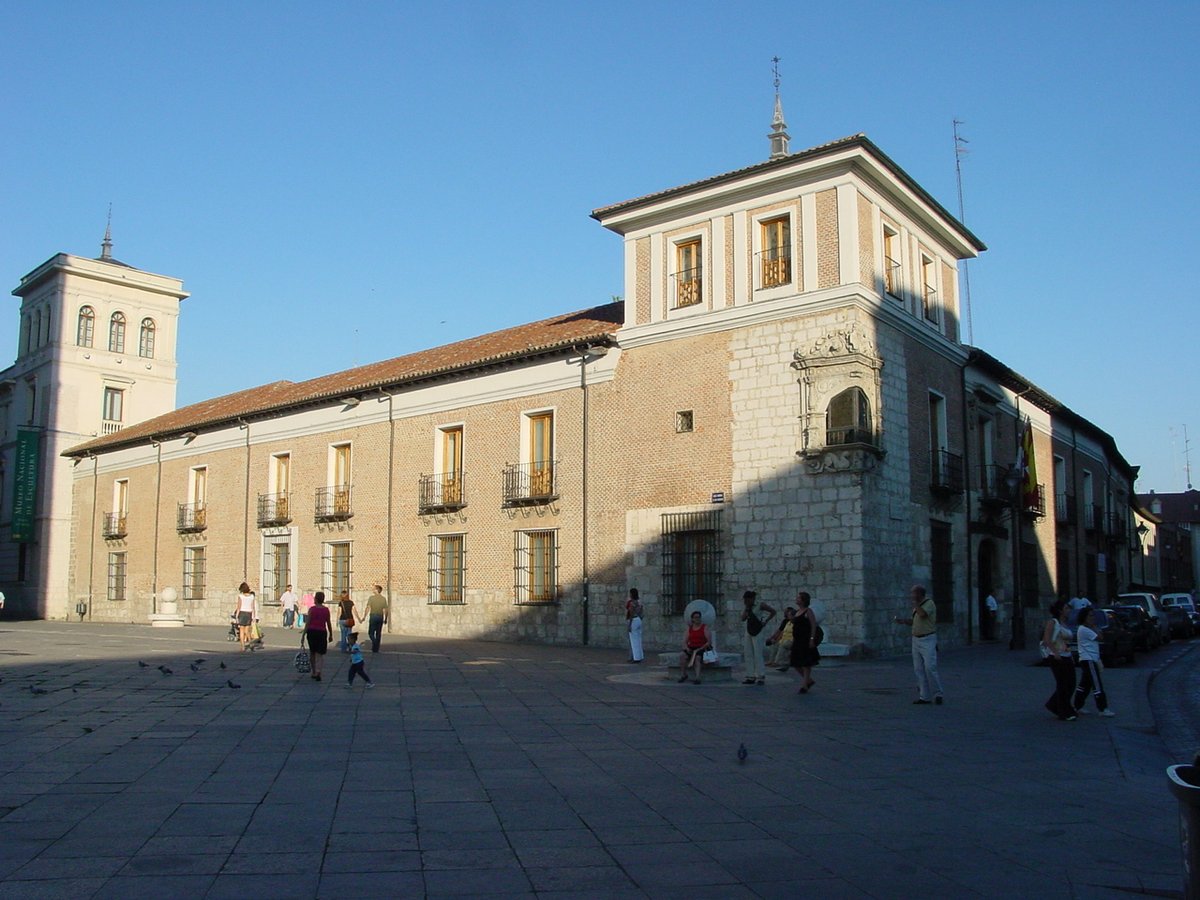
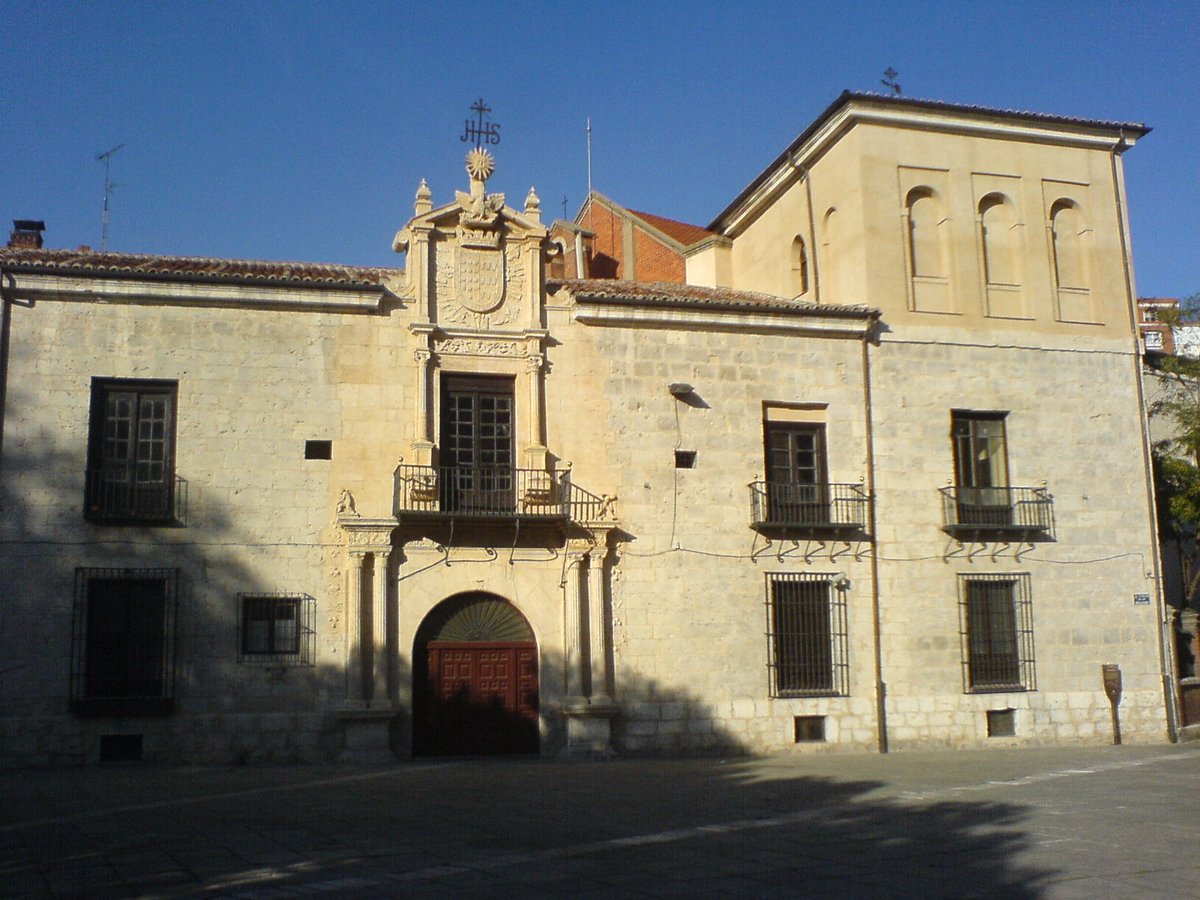
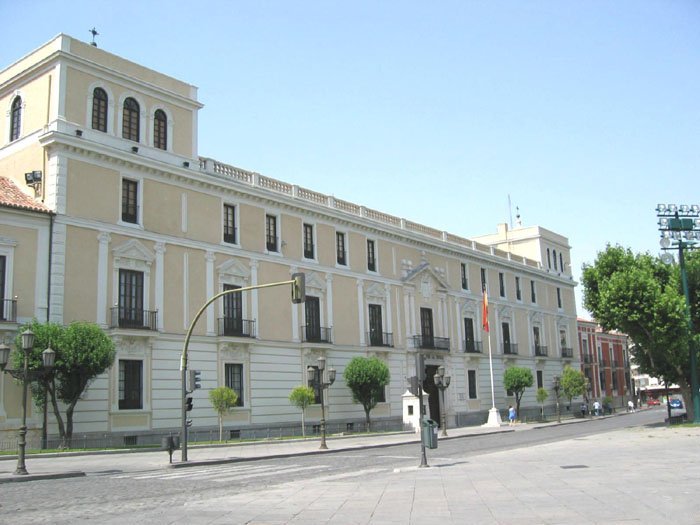
The museum was founded as the Provincial Museum of Fine Arts on 4 October 1842. It moved to the Colegio de San Gregorio on 29 April 1933 and is currently located in the 16th-century Colegio de San Gregorio, the Palacio de Villena, and the Palacio del Conde de Gondomar. The artworks were executed mostly in Central Spain, but also in regions historically connected to Spain, including Italy, Flanders, and Southern America.
Notable works in the collection include the Raising of the Cross by Francisco del Rincon, I Thirst, and The Way of Calvary by Gregorio Fernández. Other highlights include the Adoration of the Magi by Alonso Berruguete, the Lamentation of Christ by Juan de Juni, and the Penitent Magdalene by Pedro de Mena. During Holy Week in Valladolid, the museum provides 104 images to the brotherhoods for their processions.
Sources: Wikipedia, OpenStreetMap, Wikidata, Wikimedia Commons
Written by Nicolo Ciampini
Discuss this with the author and others
No comments yet. Be the first to start the conversation.