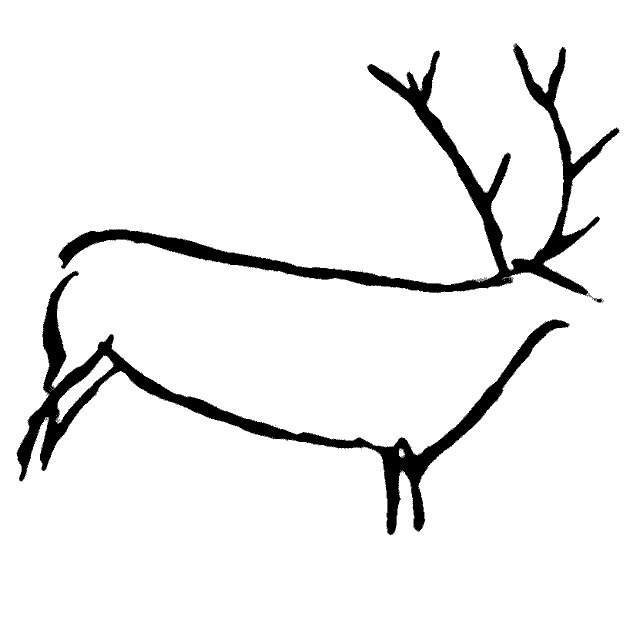

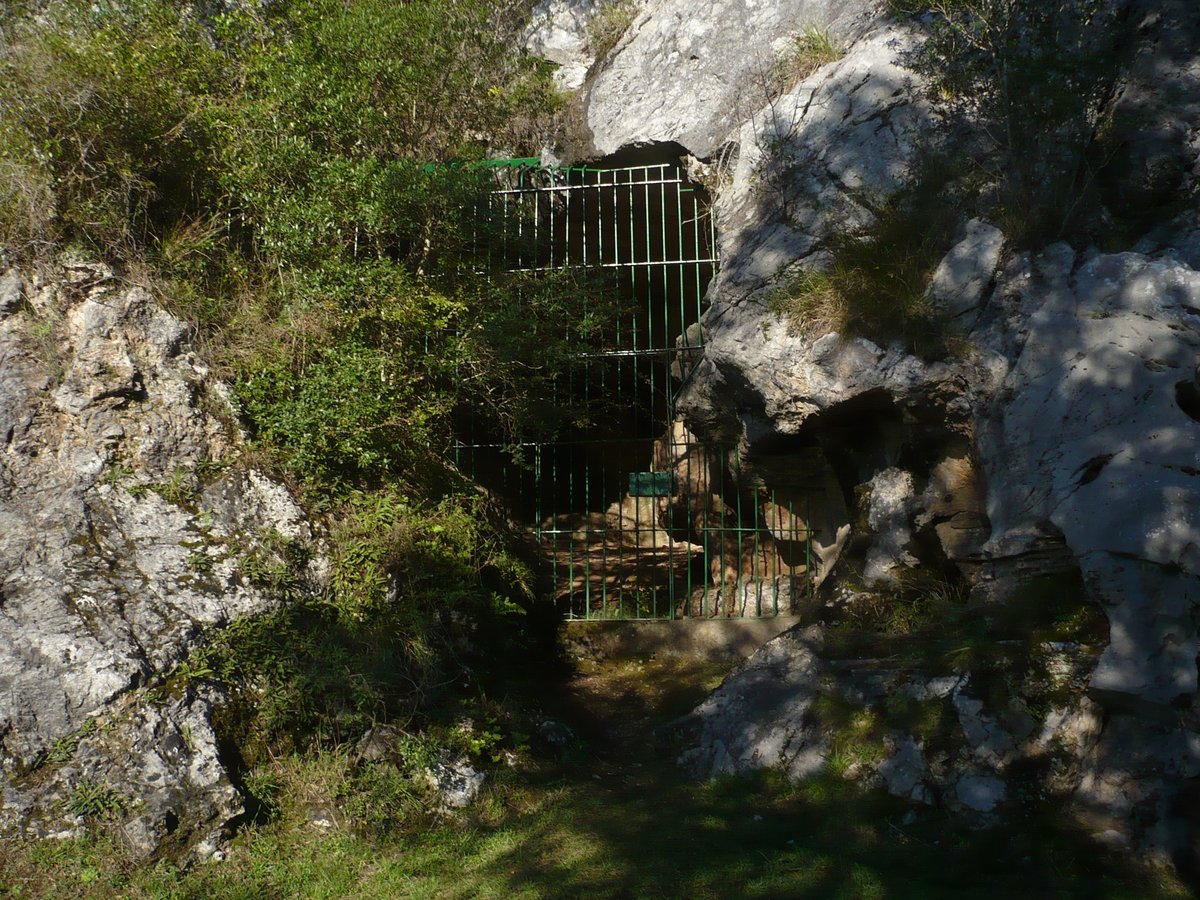
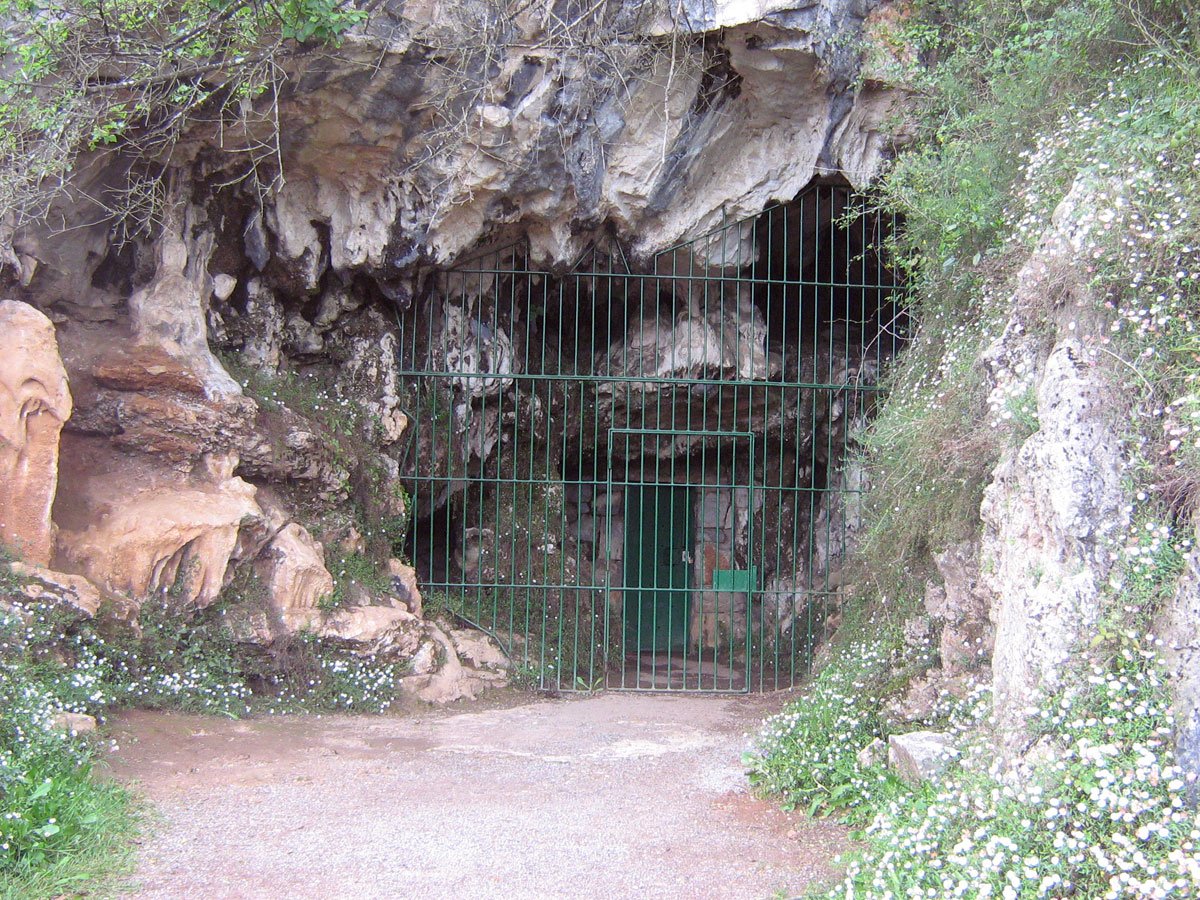
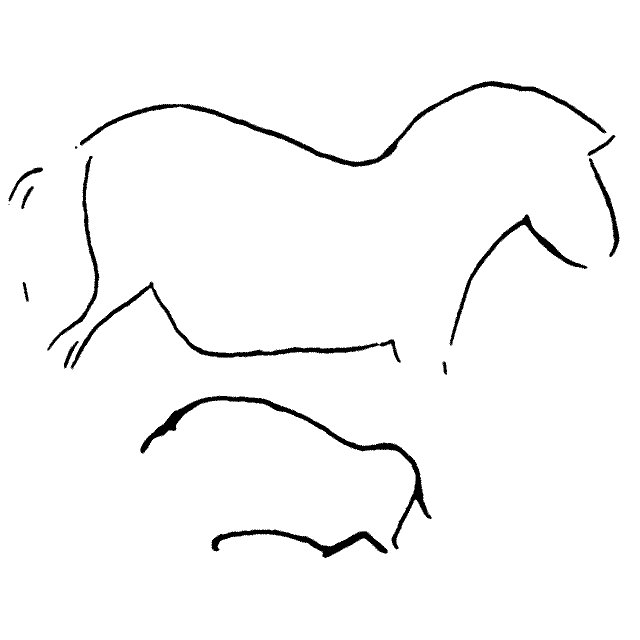
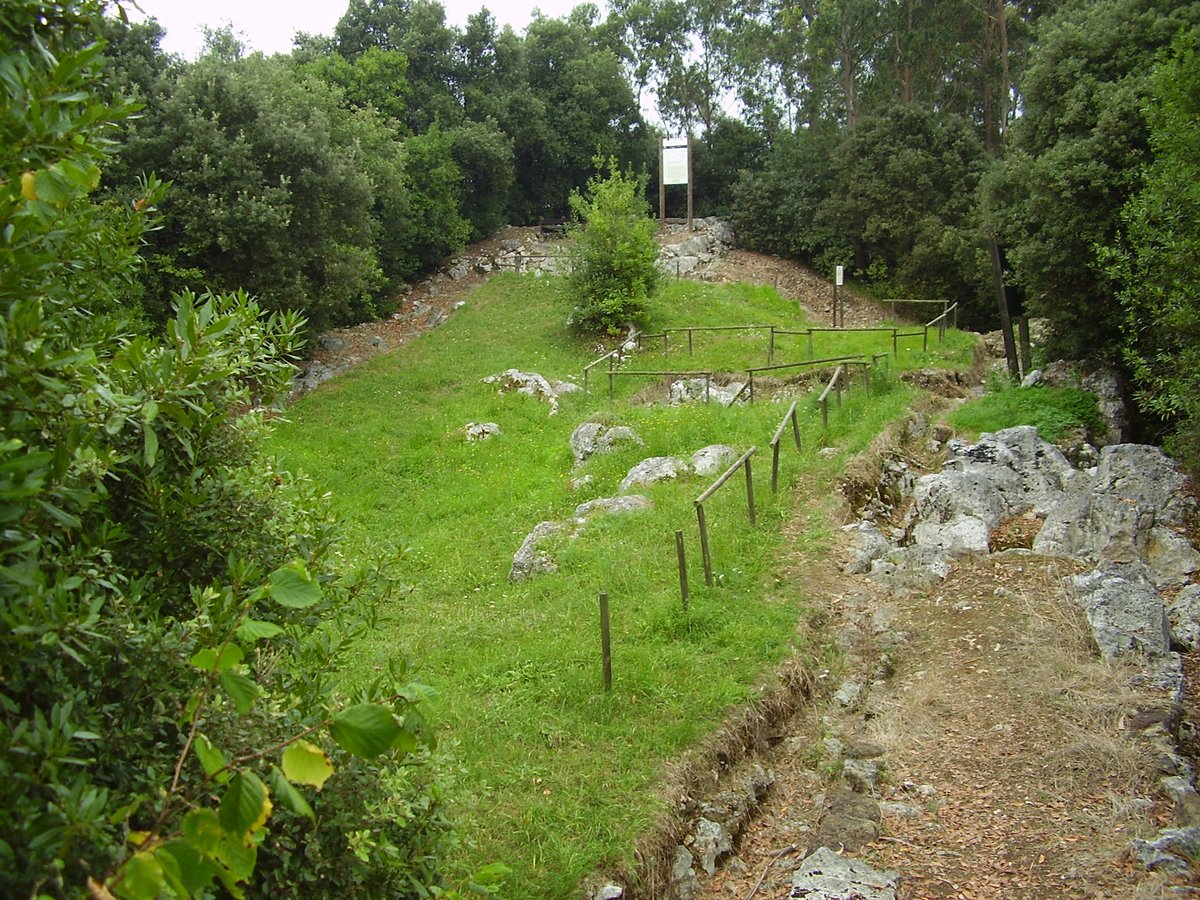
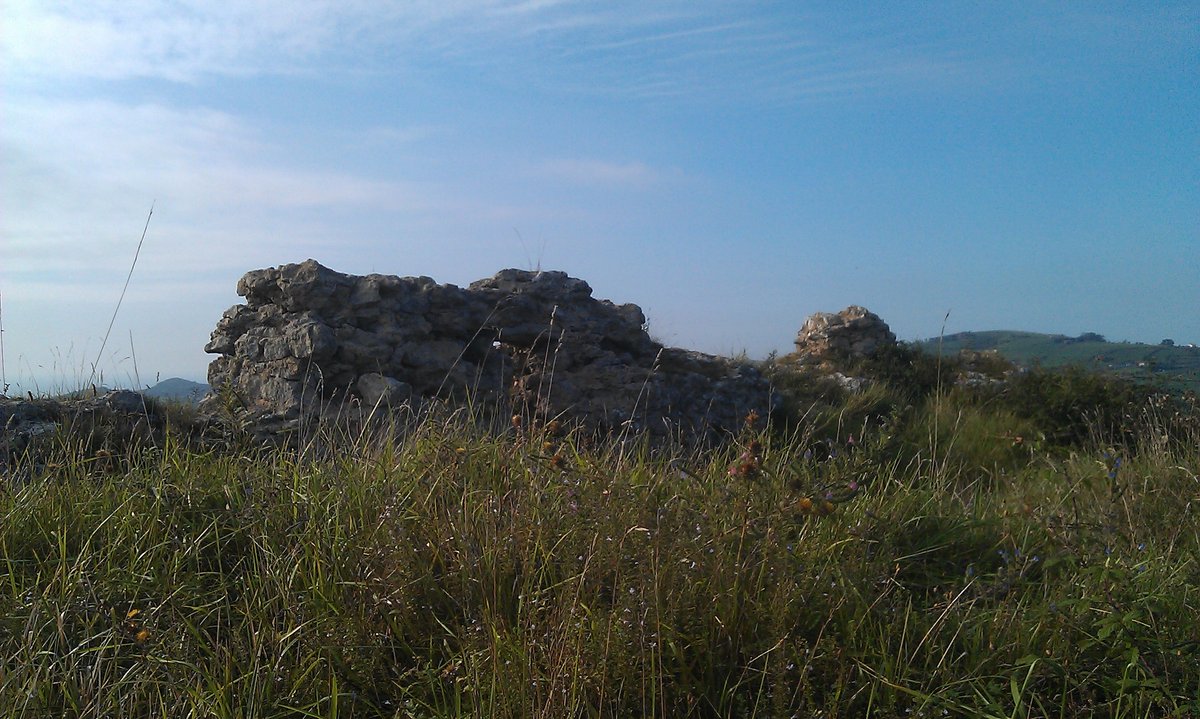
Hidden amid the hills of Cantabria lies the Cueva de Las Chimeneas, a historic archaeological site. Discovered in 1953 by a team from the Provincial Diputation, this cave is named for its unique chimney-like formations. It is part of the Monte Castillo cave complex and is included in the UNESCO World Heritage list as part of the Altamira Cave and Paleolithic cave art of the Cantabrian coast.
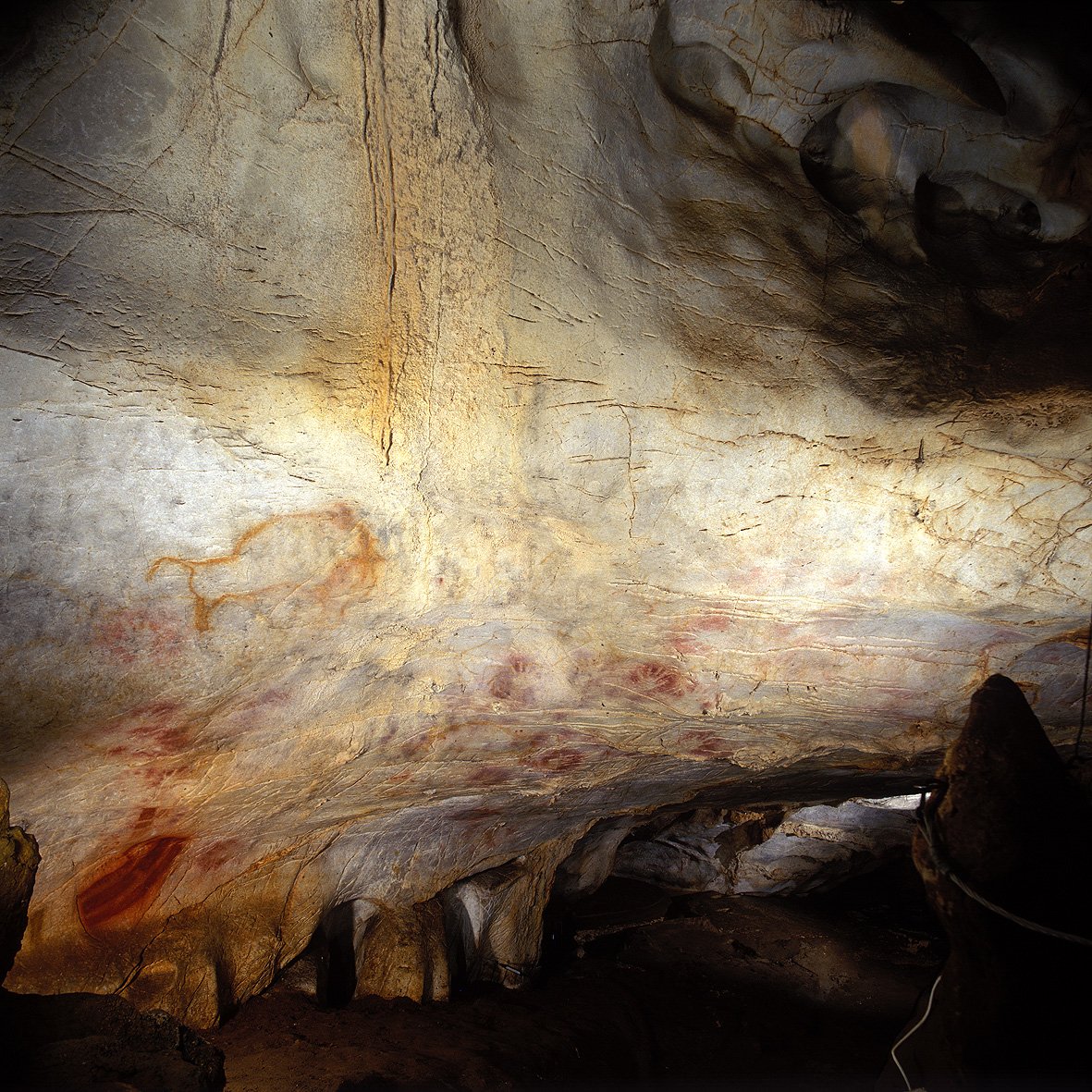
The cave features two levels connected by karstic chimneys. While the upper part of the cave is a sterile labyrinth, the archaeological interest is concentrated in the lower level. This area contains prehistoric remains, including flint pieces and burials, which have been dated using carbon-14.
While some earlier theories associated the site with the Solutrean period, the carbon-14 dating indicates that the remains are from the Magdalenian period. As you pass through the entrance of Cueva de Las Chimeneas, you enter a world that preserves the enduring legacy of prehistoric human activity in Spain.
Sources: Wikipedia, OpenStreetMap, Wikidata, Wikimedia Commons
Written by Nik Frost
Discuss this with the author and others
No comments yet. Be the first to start the conversation.