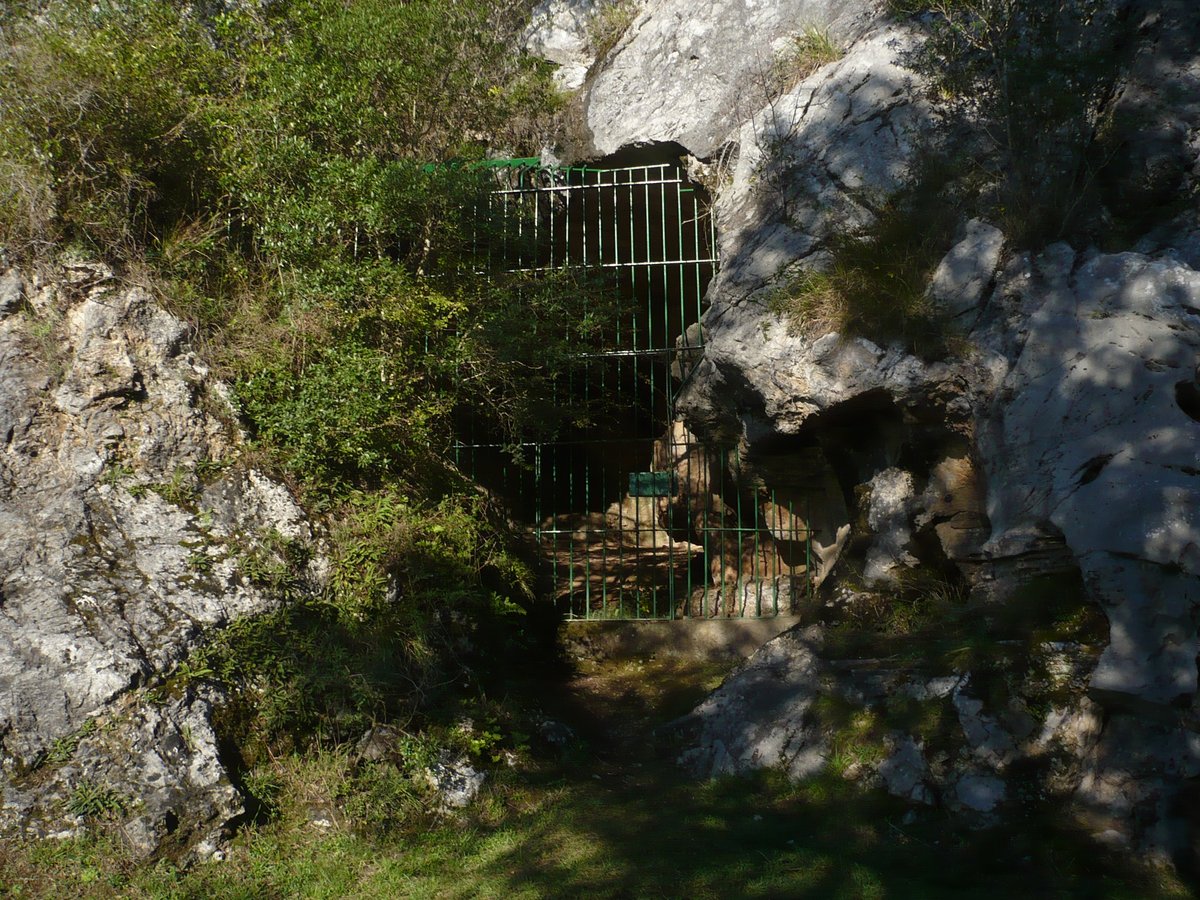

Cueva de La Pasiega, or Cave of La Pasiega, is one of the most important monuments of Paleolithic art in Spain and is located in the municipality of Puente Viesgo, in the region of Cantabria. It is part of the Monte Castillo group of caves, which is designated as a UNESCO World Heritage Site, as part of the Cave of Altamira and Paleolithic Cave Art of Northern Spain. Inside the cave, a wide variety of animal and abstract symbols have been found. Some of these symbols are believed to be over 64,000 years old, according to Uranium-thorium dating. However, the possibility of Neanderthal authorship is controversial due to physical-chemical evidence.
Sources: Wikipedia, OpenStreetMap, Wikidata, Wikimedia Commons
Written by Nik Frost
Discuss this with the author and others
No comments yet. Be the first to start the conversation.