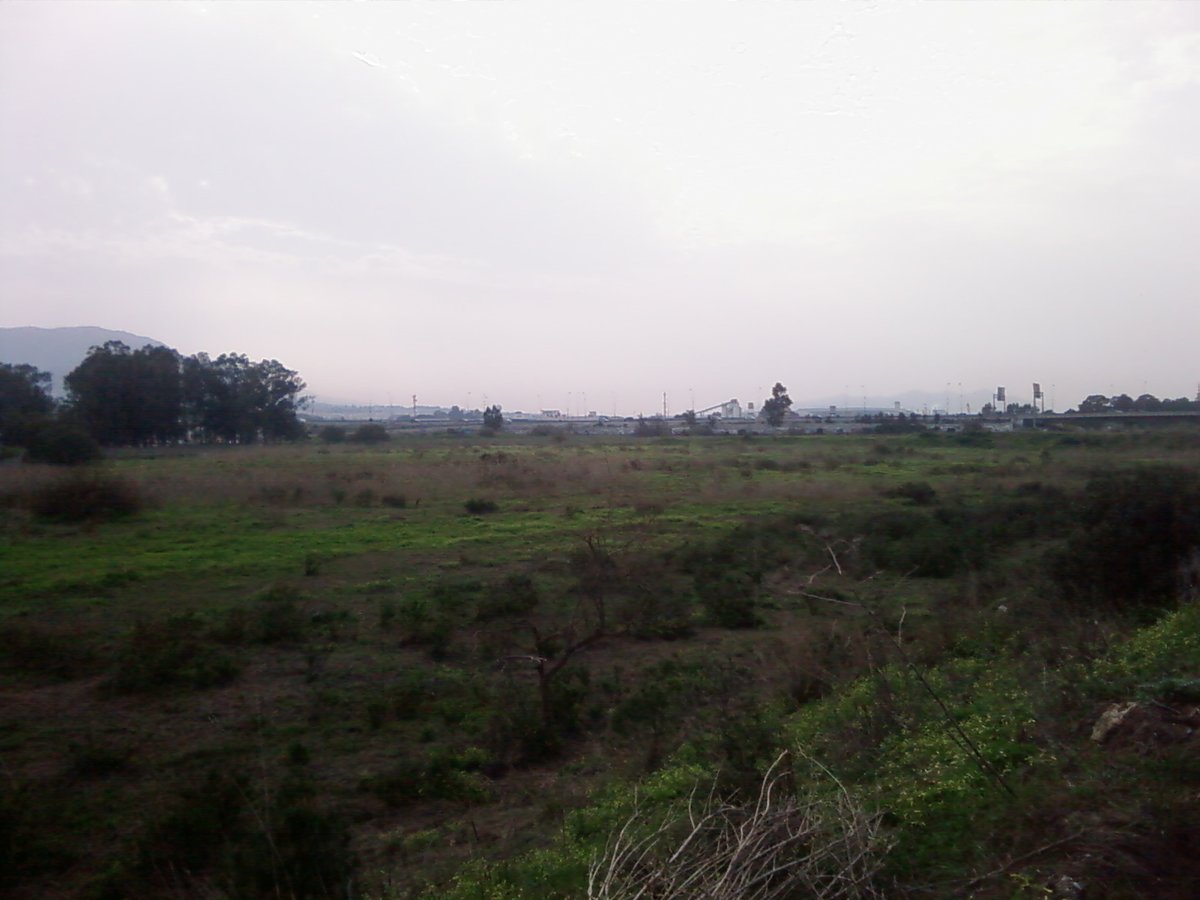

Cerro del Villar is an archaeological site where history piles up like treasure in a chest. You might know it as a hill, but it began as a Phoenician city. The Phoenicians came from an ancient civilization that began in what is now Lebanon, and their trading posts stretched across the Mediterranean. In the 6th century BC, they built their city here in the mountains, cradled by the mouth of the Guadalhorce river. Against this backdrop, the Phoenicians traded metals and glass with the nearby city of Malaka.
Between trades, they lived their days, tucked between mountains and river. Their civilization lasted over a thousand years, from the 12th to the 3rd century BC, before being swallowed by the Roman Empire. When the Romans came, Cerro del Villar remained, standing even when the sands of time came to move the world. The city continued, living on for another four centuries, until it was abandoned in the 6th century BC. For decades, it lay dormant, unexamined and unmapped.
Then, in 2025, archaeologists returned, eager for the secrets of the Phoenicians to whisper in their ears. For them, the ground began to divulge its treasures of the past. The focus of the excavations this time was the city’s fortifications and doors. The last round of digs ended in 2003, and this time they were directed by María Eugenia Aubet.
Sources: Wikipedia, OpenStreetMap, Wikidata, Wikimedia Commons
Written by Nicolo Ciampini
Discuss this with the author and others
No comments yet. Be the first to start the conversation.