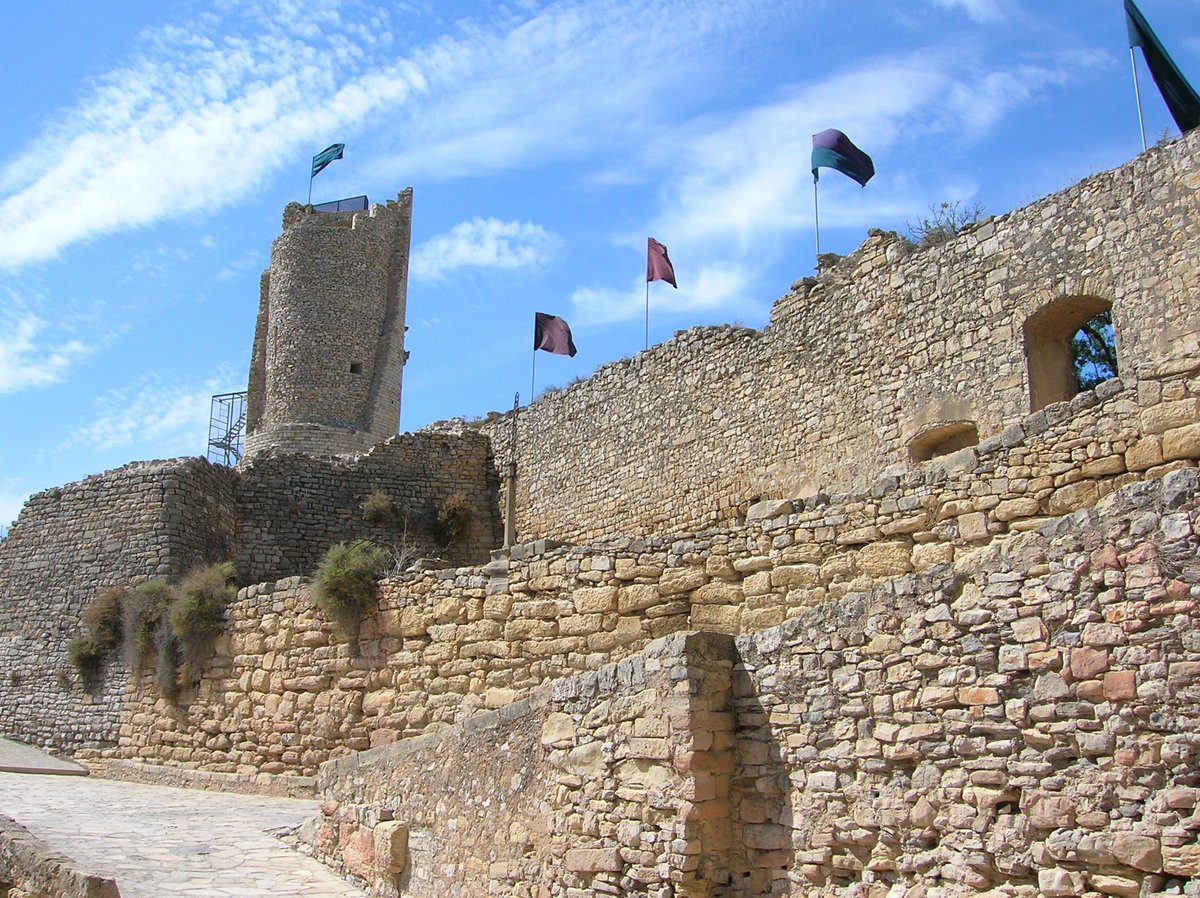

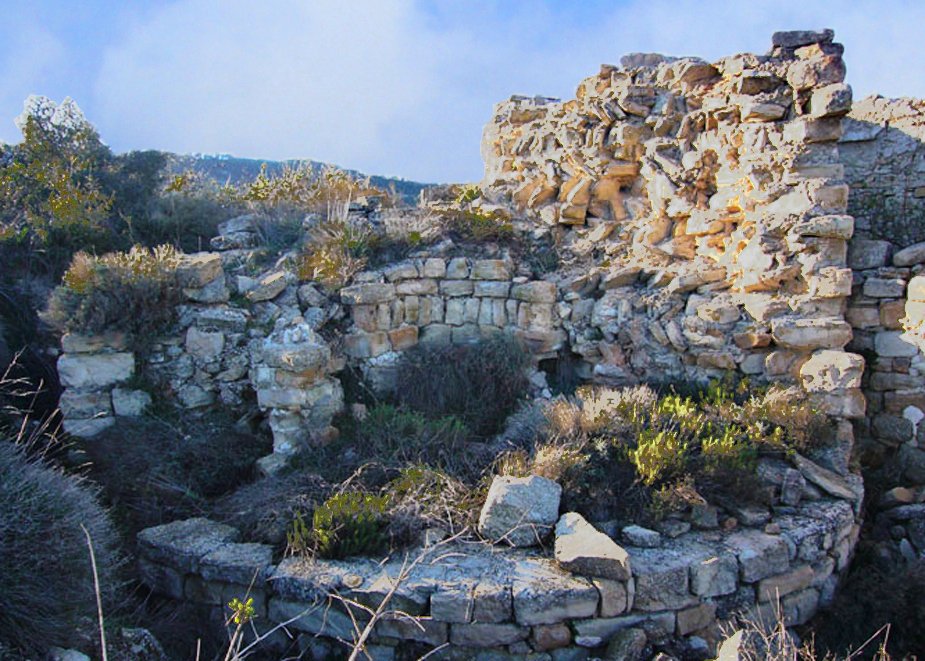
Perched upon a natural rock slab, this fortification marks the transition between the valley of the Corb and the high plateau. Christian forces established the site during the Reconquista to protect newly won territory. Its defining feature is a round keep constructed between the 11th and 12th centuries. This structure reaches 20 metres in height across three floors, with the primary entrance positioned 6.5 metres above the earth.
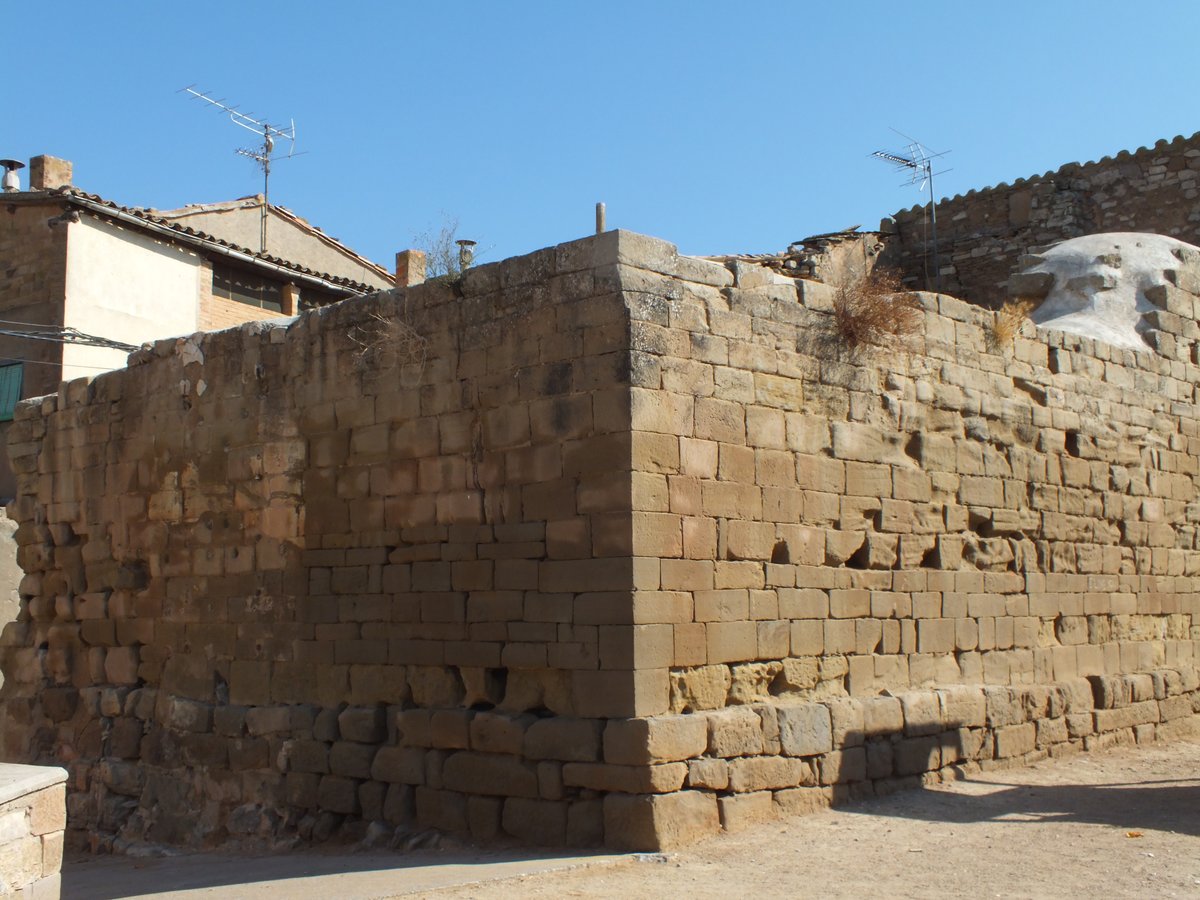
We can learn much more by looking at the layers of construction. Investigations conducted between 1990 and 1996 uncovered a polygonal fortification to the north-east that represents the earliest portion of the site. Subsequent expansions moved the outer walls toward the western edge. Careful observation of the masonry reveals regular rows of medium stones, corbels, and narrow slits that once held a wooden gallery.
Documents from 1402 offer a fascinating window into the internal life of the fortress by naming the pantry, dining room, and the master's room. It served as a stronghold for various noble lineages, such as the Castre and the Pinós families, before the Híxar family took possession in 1599. Today, we continue to protect this landmark and cultural asset as a vital piece of local history.
Sources: Wikipedia, OpenStreetMap, Wikidata, Wikimedia Commons
Written by Nik Frost
Discuss this with the author and others
No comments yet. Be the first to start the conversation.