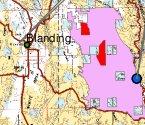
Alkali Ridge, also known as Alkali Point, is a graveyard of relics from the early Puebloan era, depicting a shift from transient pit dwellings to a settled agricultural life during the Pueblo II period (roughly 900 to 1100 CE). Inhabited like a city, its areas are densely populated with around 200 sites per square mile, occupying a 2,340-acre (950 hectares) area.
These sites paint an intriguing portrait of the early inhabitants' journey from pit dwellings to pueblos, as they stand as testimonials of both living spaces. Archaeological digs in the 1930s uncovered high-quality ceramics, suggesting the settlement's wealth. Cacao traces were found in some ceramic relics from Site 13, and ghostly spoor of an ancient road hint that Alkali Ridge might have been a stop on trade routes.
As one of six 'cultural special management areas' within the Bears Ears National Monument, Alkali Ridge is a treasure trove for archaeologists and history buffs alike, offering glimpses into the Puebloan civilization of the American Southwest.
Sources: Wikipedia, OpenStreetMap, Wikidata, Wikimedia Commons
Written by Leroy
Discuss this with the author and others
No comments yet. Be the first to start the conversation.