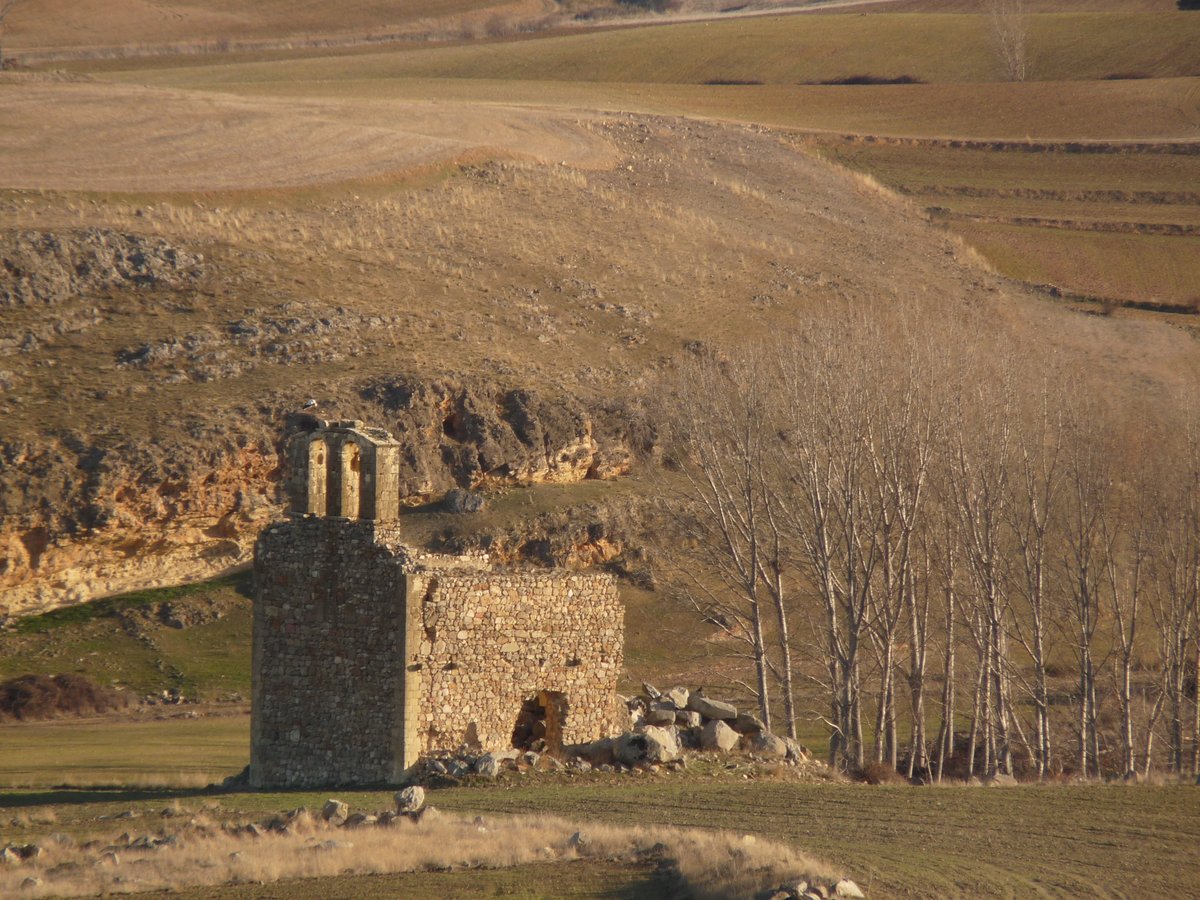

Nestled in the municipalities of Valseca and Bernuy de Porreros in the province of Segovia, the abandoned village of San Medel remains currently the capital of one of the nine archiprestazgos of the Diocese of Segovia. By 1446, San Medel was at the head of a vicaría to which Agejas belonged. Although it had ecclesiastical relevance at this time, the population was already small and the village was emptied of inhabitants before 1591, though it could count on some residents in the 1594 census, when it, along with Bernuy and Encinillas, summed 78 households.
The territory passed to Valseca following a dispute with Bernuy in 1768, remaining an annex of the latter. An old inn, reopened in 1836 and 1906, closed its doors in 1928 when the innkeeper was murdered by a quinquillero, a crime that was not the only one in those years. In 1940, it briefly reappeared as a hamlet with two houses and two other buildings housing 14 legal inhabitants, 13 of whom were actual residents. The mill ceased its activity in 1950, and in 1992, a Gasóleos San Medel refueling station emerged nearby along the CL-601, alongside a chapel built in 1992 to commemorate the abandoned village.
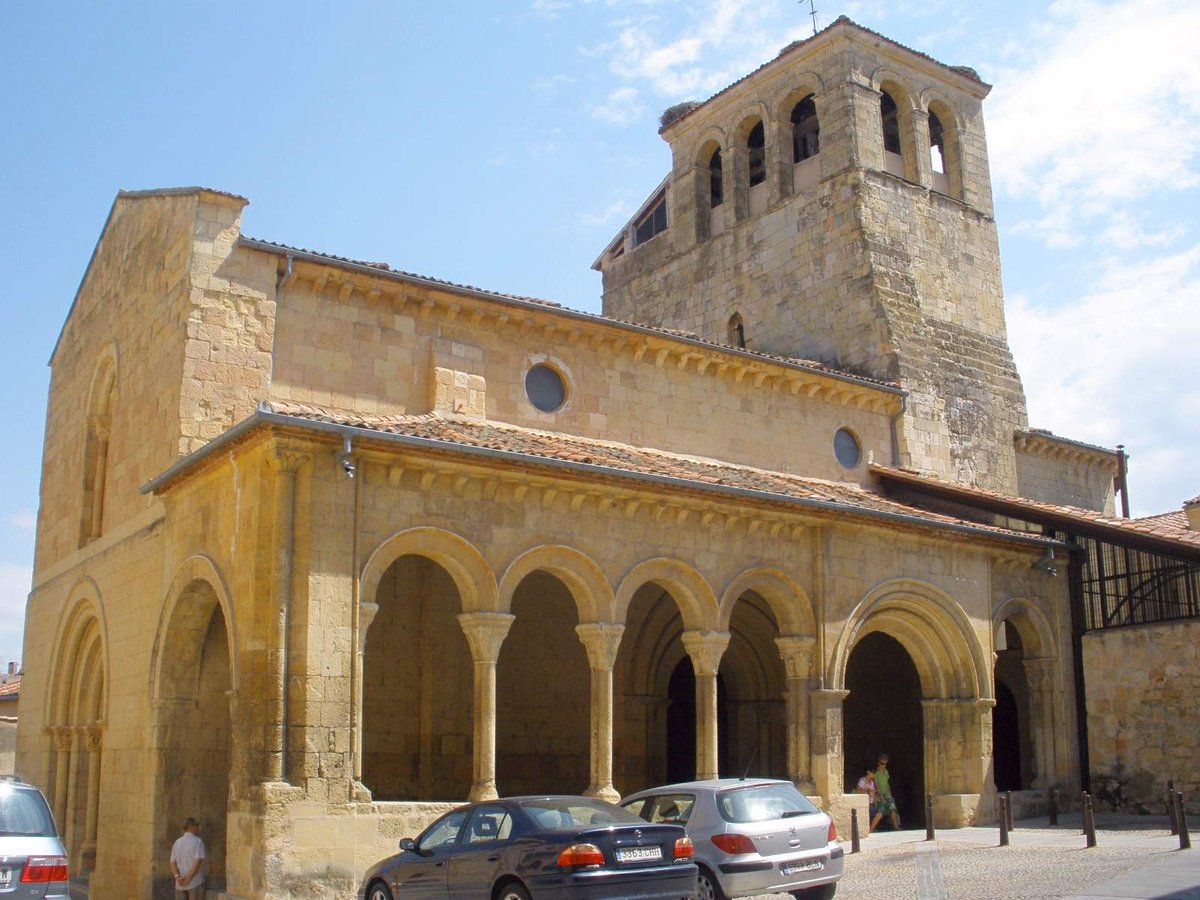
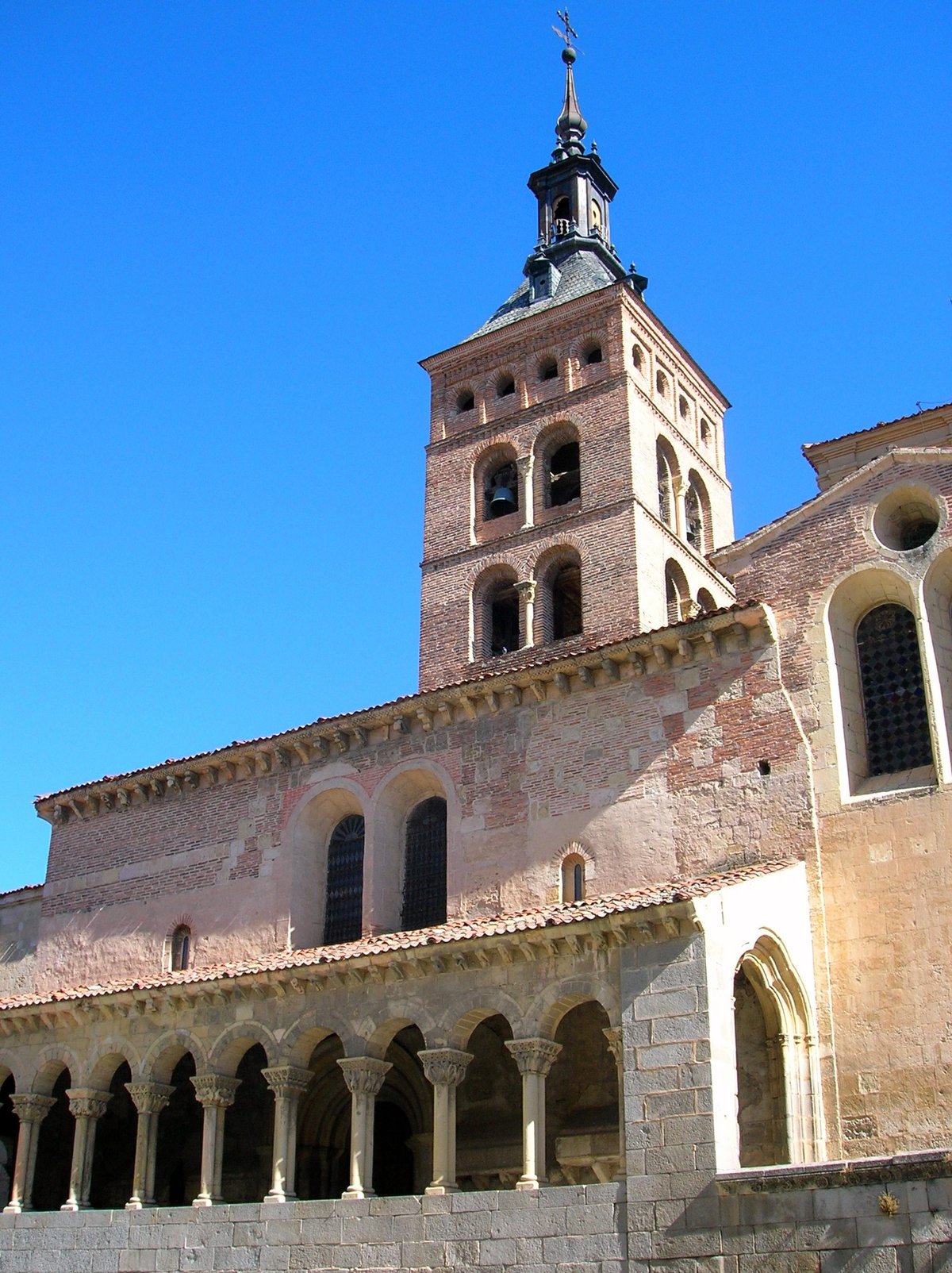
The Iglesia de San Medel, an old Romanesque parish temple from the 12th century, holds the seat of the Arciprestazgo de La Granja-San Medel. It features a espadaña and two windows on the north side, one elongated with a semi-circular arch, and another smaller one that is crossed only by sunlight during the Octavario for the unity of the Christians. In 1945, its portico, two capitals, and one base were relocated to Segovia. In 2021, it was included in the list of heritage at risk due to its poor state of conservation caused by abandonment and looting.
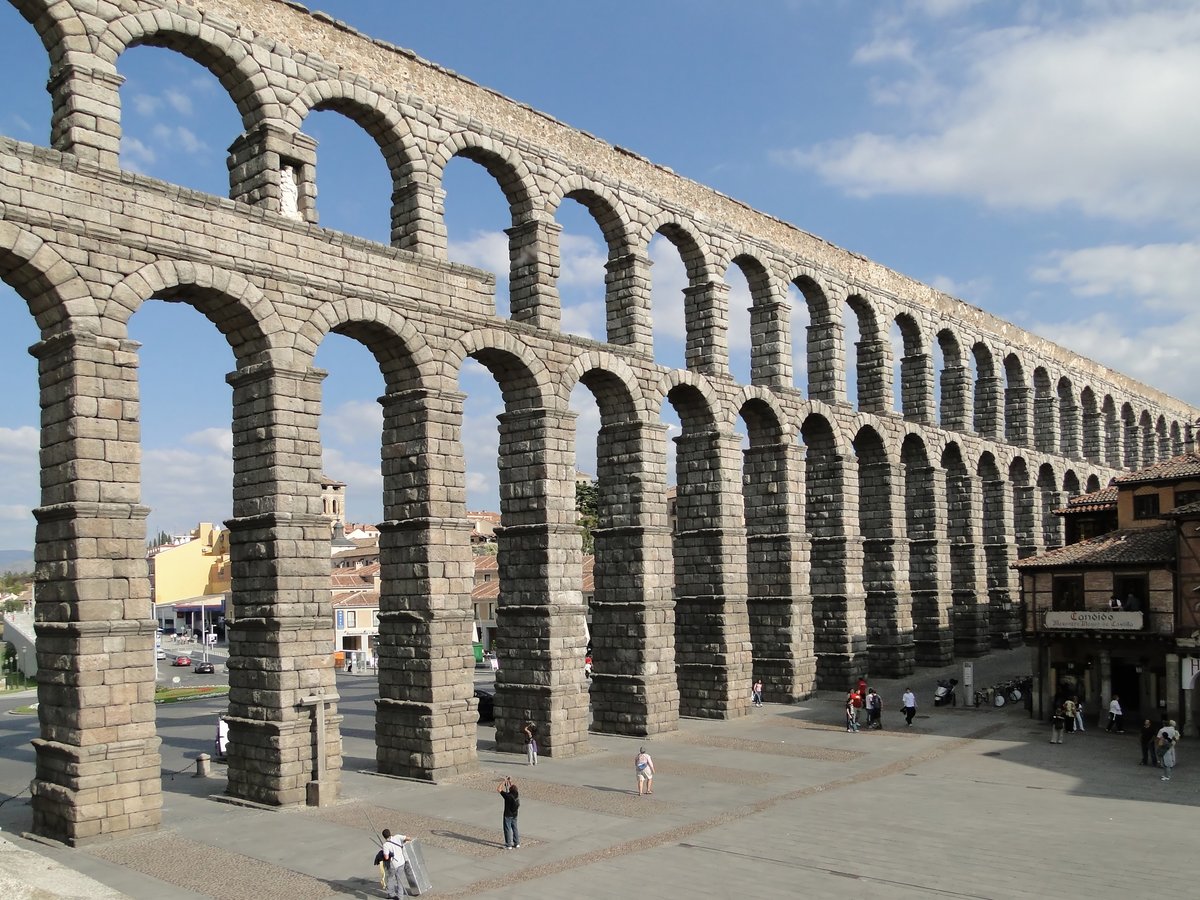
The village also contains the ruins of the old Venta de San Medel, active until 1928, and an old mill active until 1950. The ruins of the Acueducto de San Medel, which had eighteen eyes, collapsed in the mid-20th century and used to supply water to Zamarramala from the historical Fuente de Rubiales. The local name 'Cacera de San Medel' refers to a medieval communal irrigation system that supplies several villages in the Guadarrama Presierra, including the village of Torrecaballeros, which also hosts a sports club by the same name.
Sources: Wikipedia, OpenStreetMap, Wikidata, Wikimedia Commons
Written by Nik Frost
Discuss this with the author and others
No comments yet. Be the first to start the conversation.