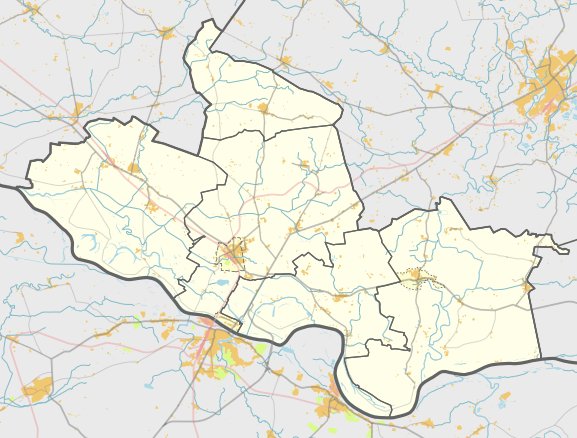

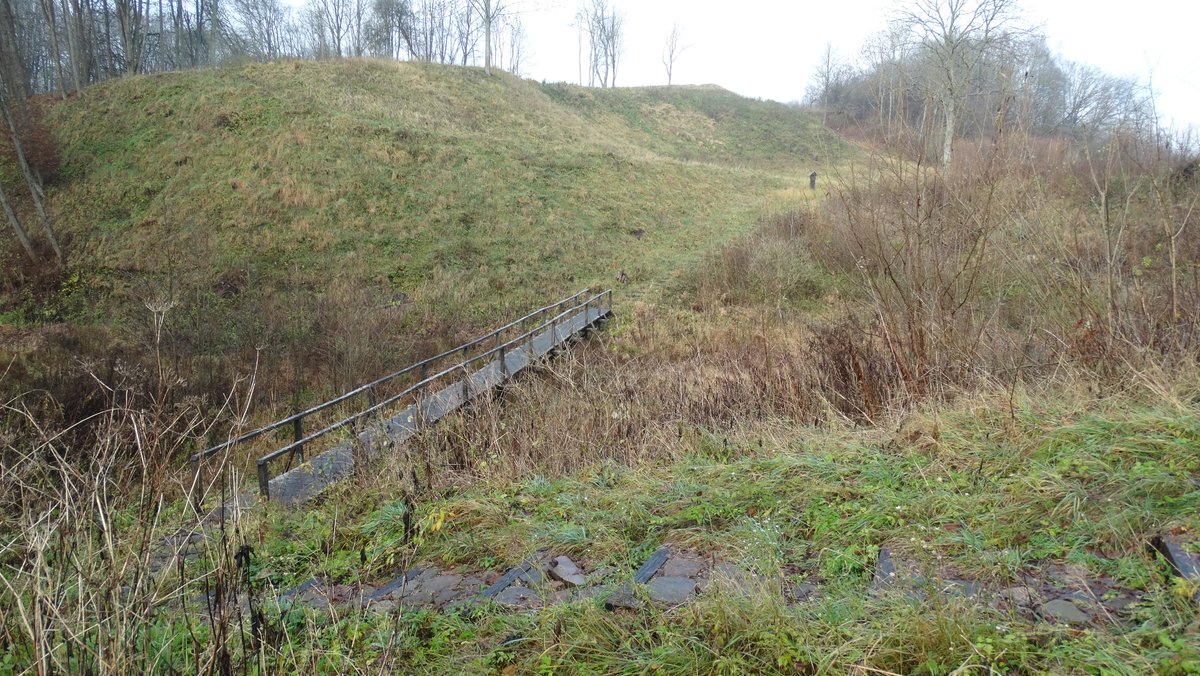
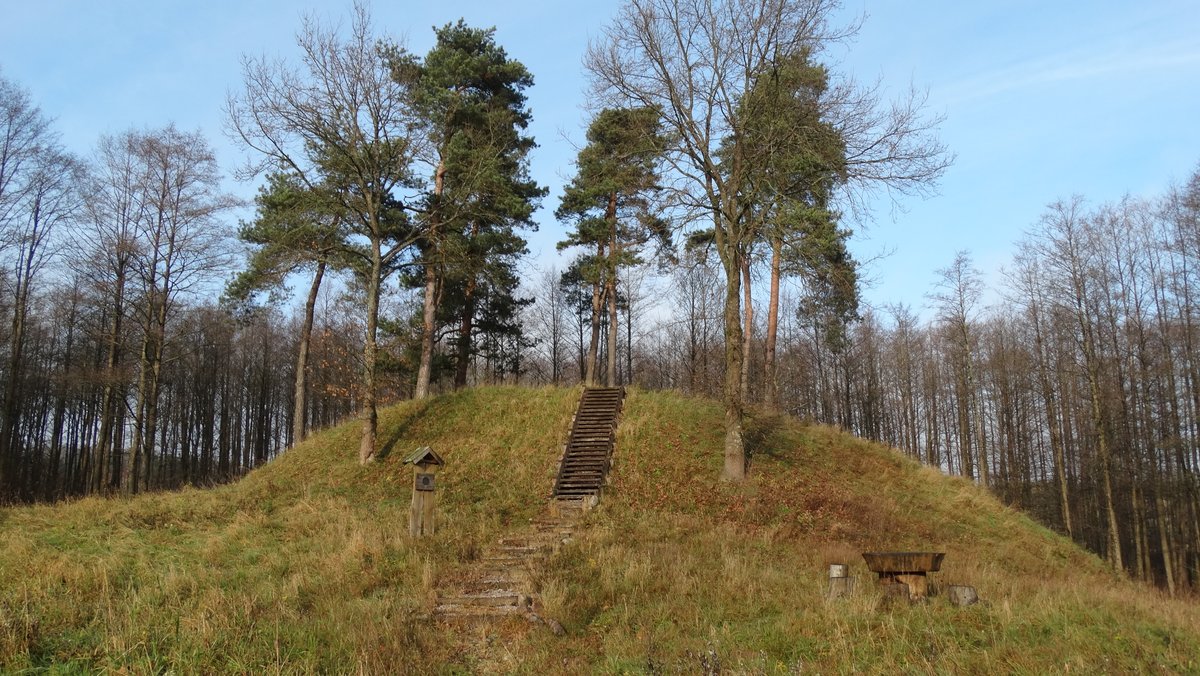
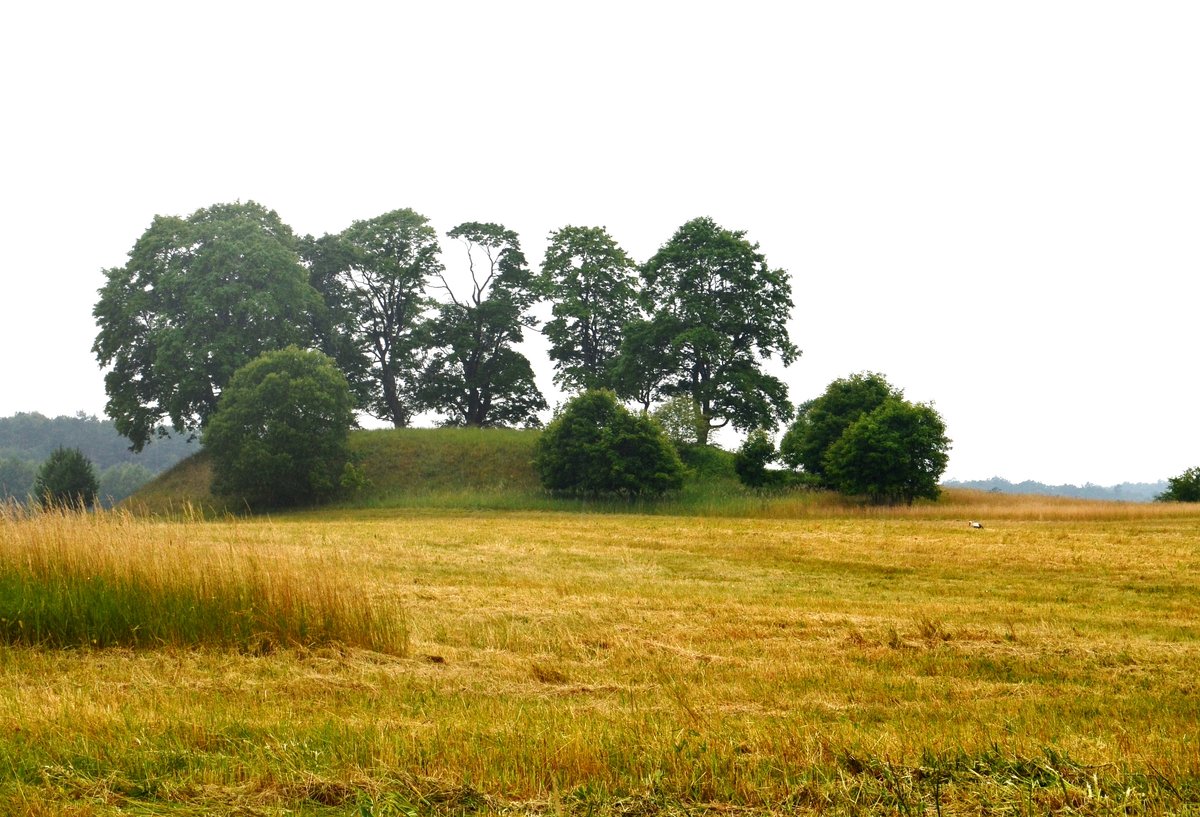
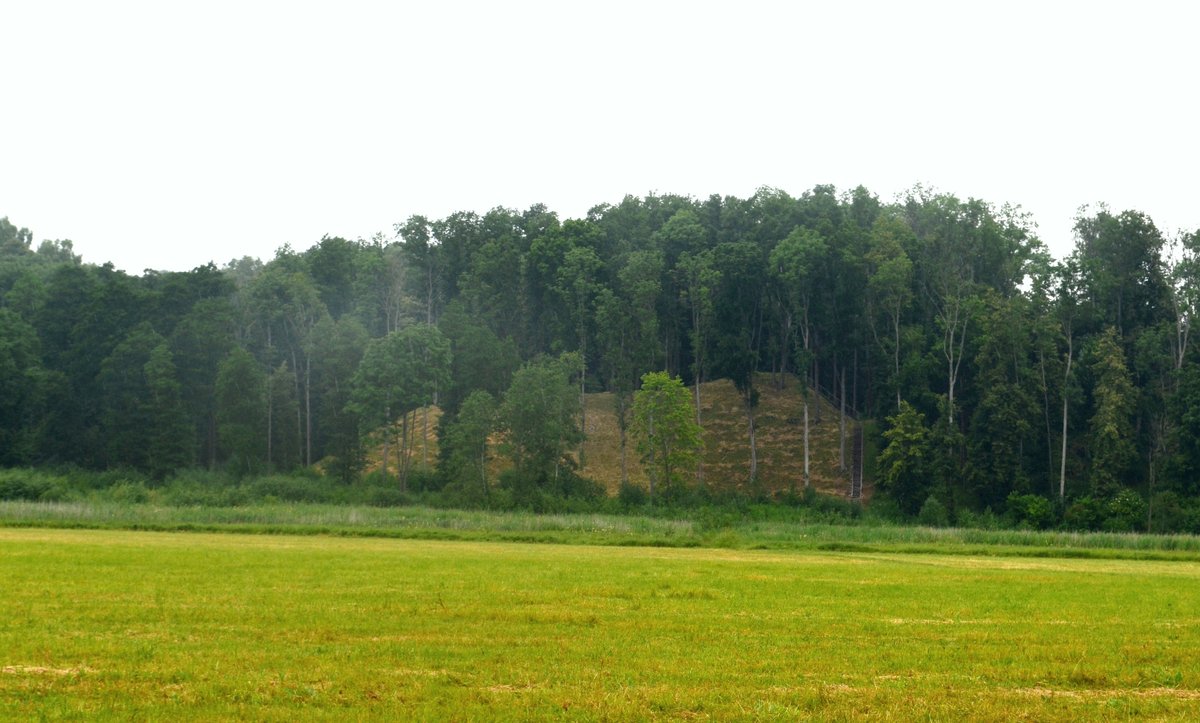
Nestled in the Pagėgiai eldership, the archaeological site of Kreivėnų piliakalnis - also known as Kulmenų piliakalniu, Pilies kalnu ir Vilkės piliakalniu - is situated roughly 1 kilometer to the northwest of the village of Kulmenai, on the left bank of the Vilka. This ancient hillfort, measuring about 47x16 meters and standing 18 meters tall, features a rectangular courtyard and a dance area in its eastern part. It dates from the 1st to the 13th century, and some archaeologists and historians identify it with the castle of Sarekos pilimi mentioned in written sources.
About 1.1 kilometers south of the hillfort is a burial ground, which was investigated by a University of Vilnius expedition in 1987 and 1996-1998. During these excavations, 76 graves were studied, including 14 unburnt and 61 burnt graves and one unburnt horse. The burial ground dates from the 5th to the 12th century and is attributed to the Baltic ethnic group of the Neman river basin.
In 1997, a metal detector search of the burial ground territory recovered about 200 finds. These include double-edged swords, fighting knives, axes, spears, buckles, bracelets, bronze beads, and buttons. The items from the earliest period, the 5th to the 8th centuries, were buried unburnt and included bronze bracelets, amber beads, and rings. Later graves, dating from the second half of the 8th century, were often burnt, with remains placed in pits alongside ashes of ritual sacrifices and broken grave goods.",
Sources: Wikipedia, OpenStreetMap, Wikidata, Wikimedia Commons



Written by Nicolo Ciampini
Discuss this with the author and others
No comments yet. Be the first to start the conversation.