All collections

Every collection on Reveal.World, grouped by the language it is written in.

Lithuania: Chernobyl quest

Lithuania: Chernobyl quest

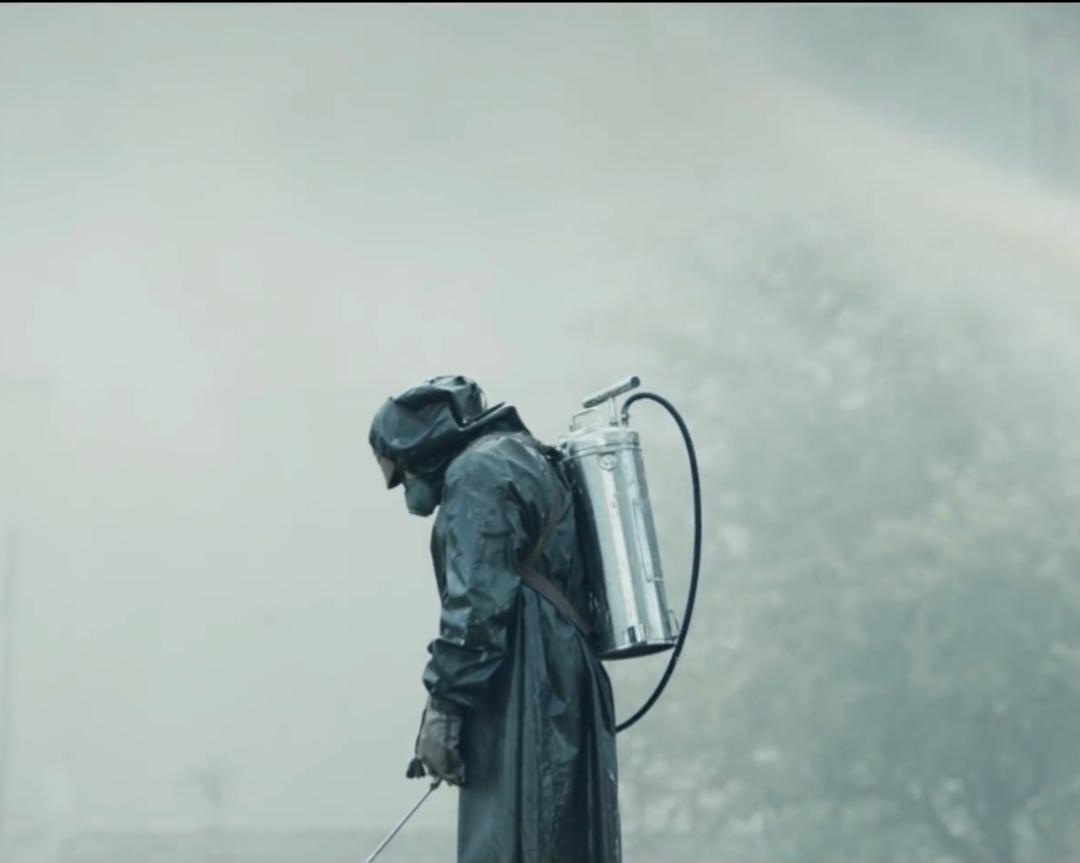
Most of the world-famous HBO series Chernobyl was filmed in Lithuania. So, if you want to see Chernobyl you no longer need to go to Ukraine! The nuclear power plant, the city of Pripyat, even Moscow scenes - almost everything was created in Lithuania. This collection will guide you through HBO filming locations in Kaunas, Vilnius and Ignalina. How many will you recognize? Screenshot: HBO Chernobyl (2019) Official Trailer
Vilnius: HBO's Chernobyl filming locations

Vilnius: HBO's Chernobyl filming locations

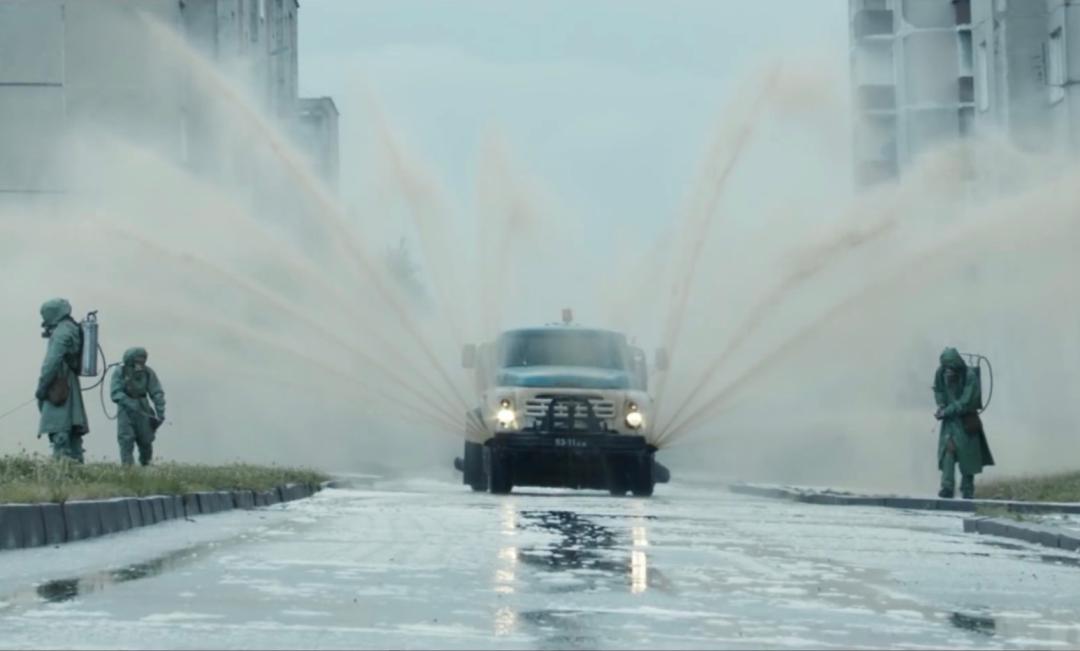
Most of the world-famous HBO series Chernobyl was filmed in Lithuania. So, if you want to see Chernobyl you no longer need to go to Ukraine! The nuclear power plant, Pripyat, even Moscow scenes - almost everything was created in Lithuania. Curious about other Chernobyl locations in Lithuania? Check-out collection “Lithuania: Chernobyl quest” (https://api.reveal.world/collection/1152) Screenshot: HBO Chernobyl (2019) Official Trailer
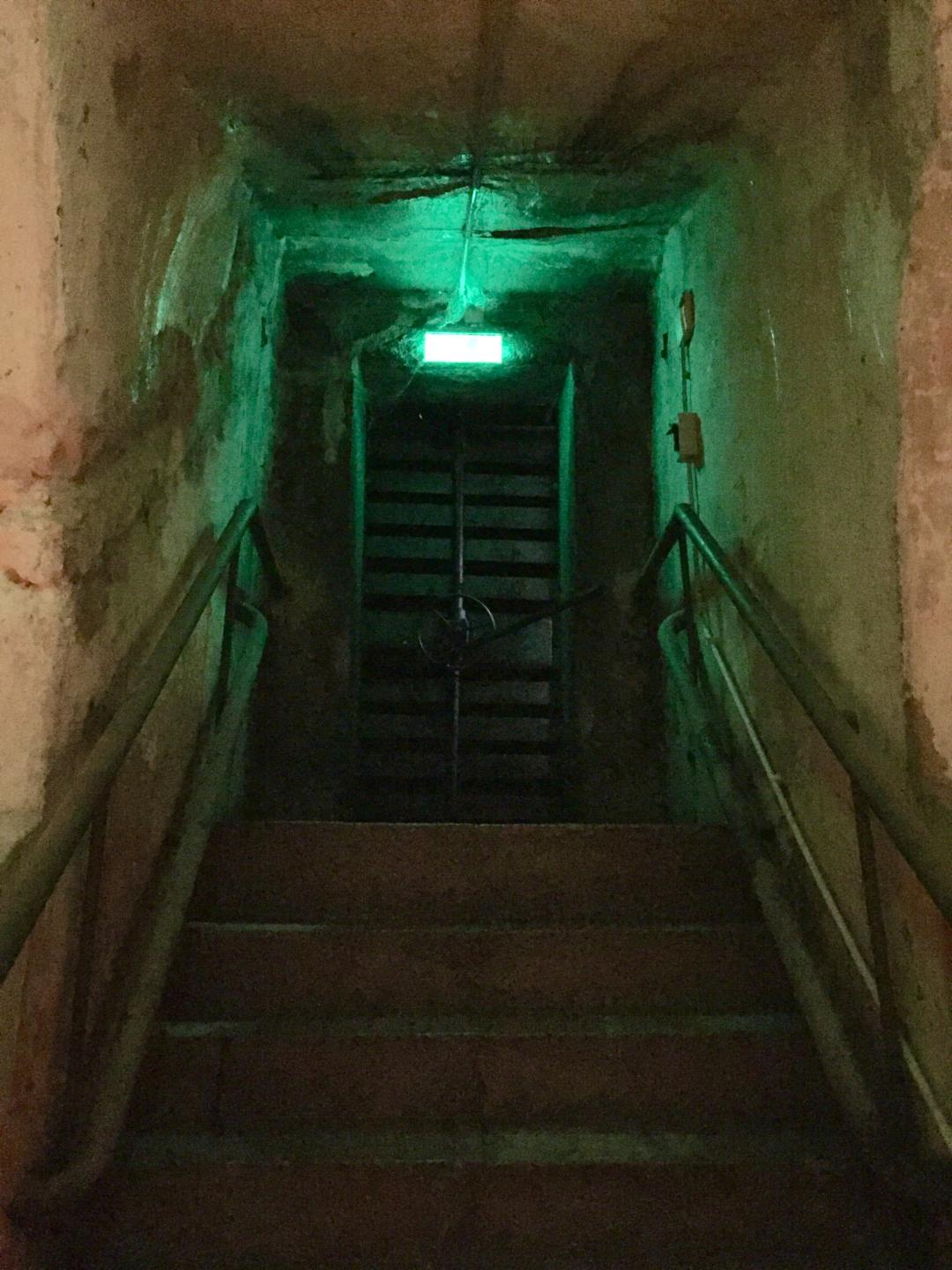
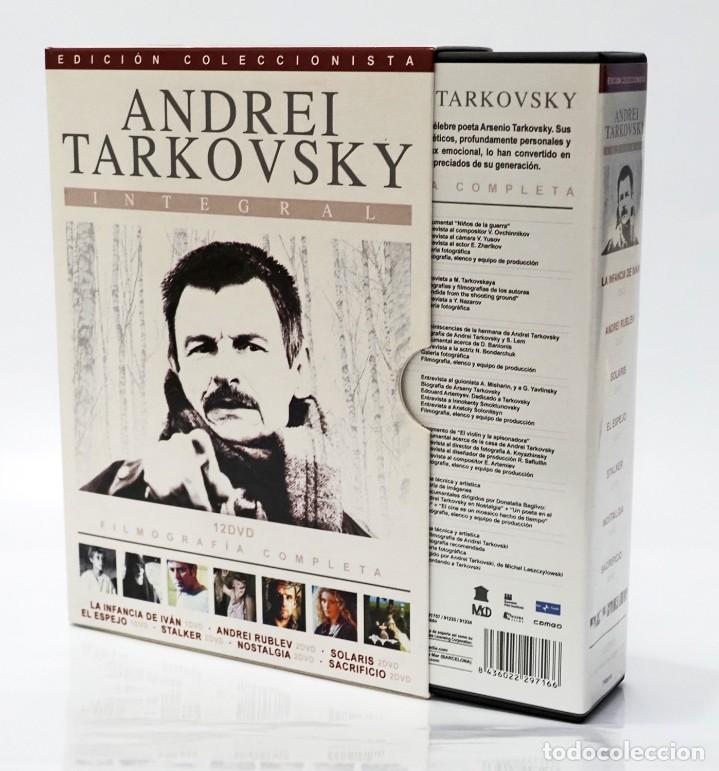
Andrei Tarkovsky

Andrei Tarkovsky

A small collection of places which Andrei Tarkovsky, one of the greatest and most influential filmmakers in the world, chose for his movies Stalker, The Sacrifice and Nostalghia.

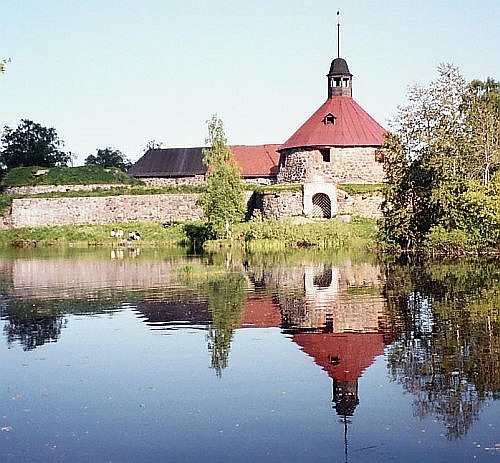
Border Fortresses: The Empire's Secret Prisons

Border Fortresses: The Empire's Secret Prisons

The Northwest of Russia is a special region. For centuries, Northwestern Rus lived under the threat of enemy invasions, and its task was to defend its borders and establish outposts on conquered territories. It was for this purpose that fortresses began to be built. The fortresses of the Northwest played a huge role in the historical life of the country and at the same time represented magnificent works of architecture. These stone sentinels can tell us a lot of interesting things about the past of our country, about the art of architects, and about fierce battles.

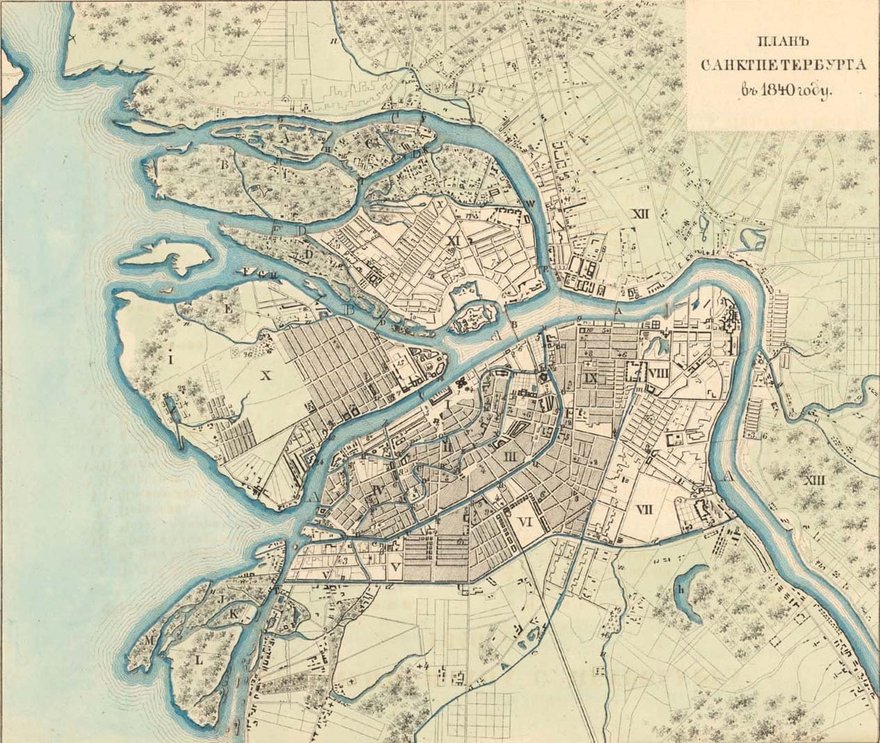
Petersburg: Interesting Toponyms

Petersburg: Interesting Toponyms

Throughout our entire lives, from the moment of birth until the very end, various geographical names accompany us. Geographical names do not arise out of "thin air": by noticing certain features of the terrain and nature, the people living nearby named them, emphasizing their distinctive characteristics. Over time, the peoples living in a particular region changed, but the names remained and were used by those who came to replace them. Any toponym for historical science is not simply the name of a geographical object, but a historical trace on the map, which has its own origin story, linguistic roots, and semantic meaning.
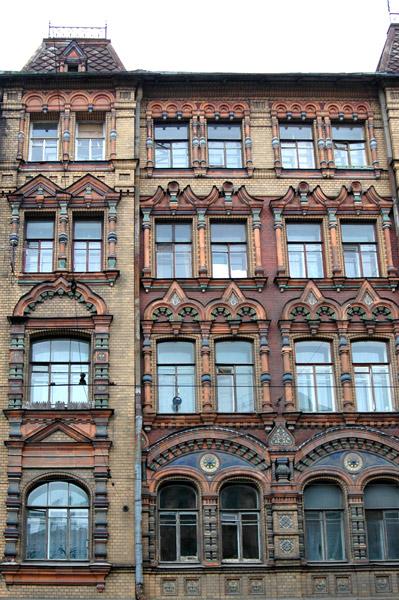
Neorussian Style in Architecture

Neorussian Style in Architecture

This direction in architecture became widespread at the end of the 19th and the beginning of the 20th centuries and is characterized by a turn to motifs of ancient Russian architecture with the aim of reviving national traditions and the distinctiveness of Russian culture. Its distinction from the closely related "Russian" (or "pseudo-Russian") style of the same period lies in moving away from crude copying and even borrowing of elements in favor of generalizing forms and subtle stylization of prototypes.

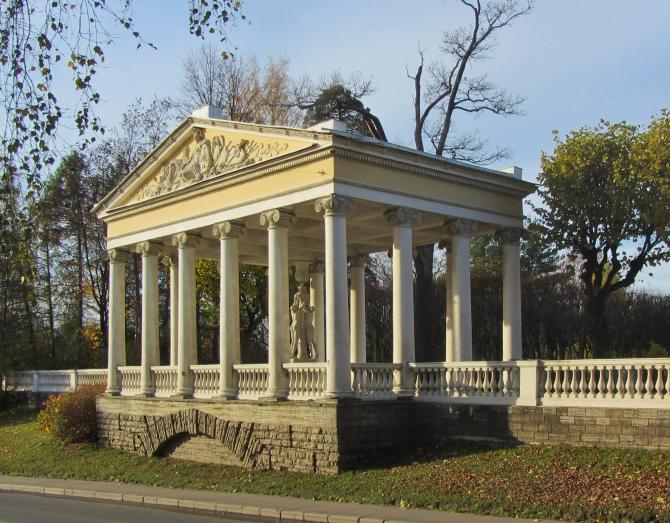
Imperial Parks: Pavlovsk

Imperial Parks: Pavlovsk

Pavlovsk Park is a unique monument of landscape art from the late 18th to early 19th century. Together with the Pavlovsk Palace, it forms a unified artistic palace and park ensemble. Its history begins with the founding of Pavlovsk in 1777. Initially, it was forest land used for royal hunts. With the appearance of the first modest wooden palaces, Paullust and Mariental, small gardens began to be created around them on the hilly banks of the Slavyanka River. Gazebos, bridges, ruins, and flower beds were typical features of a Russian estate. The transformation of the forest into a park began with the arrival of Charles Cameron, who created a project for a new landscape park on the banks of the Slavyanka River, which serves as the park’s connecting artery. It was in the second half of the 18th century that the fashion for landscape parks appeared in Europe. It first took hold in England, which is why such parks are called English parks. Using Pavlovsk as an example, Cameron was the first to develop the ideas and principles of the new landscape architecture. Since the future park was a forested area, work began with clearing glades. Under Cameron, almost all the main park compositions emerged — the Palace District, the Great Star, the Slavyanka River Valley, the Menagerie, and the White Birch. A large, wide clearing, which was designed as the Triple Linden Alley, became the defining feature of the Palace District adjacent to the palace. Here, Cameron employed the technique of formal planning, a vivid example of which is the Private Garden and the Aviary Section. Later, architects V. Brenna, A.N. Voronikhin, and K.I. Rossi, without changing Cameron’s plan for these districts, made their own additions and enriched their overall character. https://pavlovskmuseum.ru/about/park/
Imperial Parks of Oranienbaum and Surroundings

Imperial Parks of Oranienbaum and Surroundings

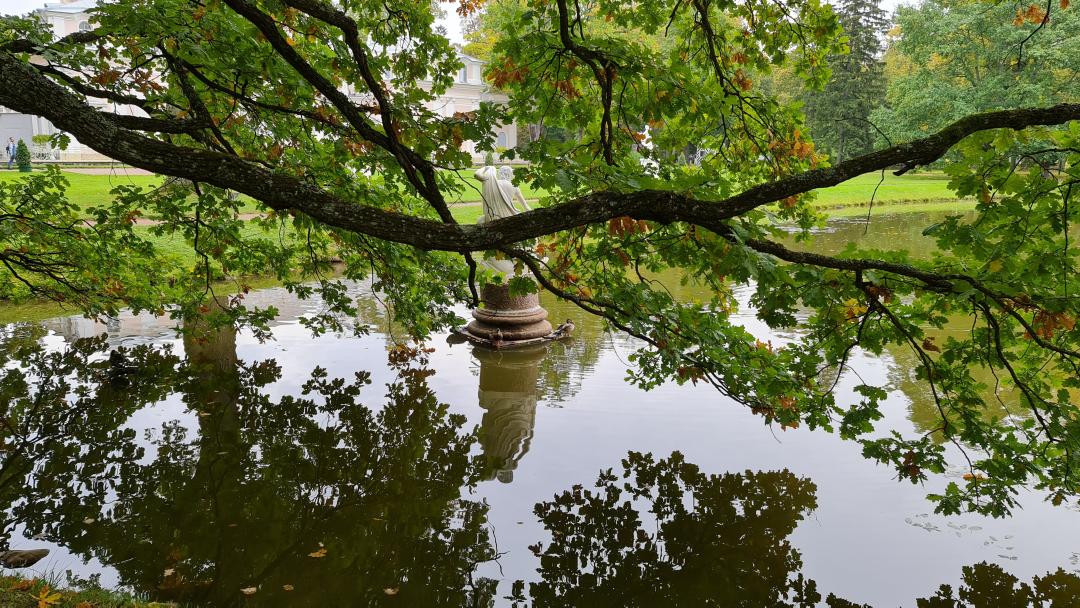
The splendid suburb of St. Petersburg — Oranienbaum and the nearby estates, where the lush vegetation of wild nature perfectly blends with the unique architecture of palaces and pavilions — are places where Russian emperors and their close associates loved to rest in their official and private residences. Oranienbaum is the only suburb of St. Petersburg that was not occupied by the Nazis during the Great Patriotic War, and therefore was not subjected to destruction. The damaged but not destroyed palace-museums of the city of Lomonosov have preserved the decorative decor of the 18th century in all its authenticity and uniqueness.

Petersburg: Famous Duels

Petersburg: Famous Duels

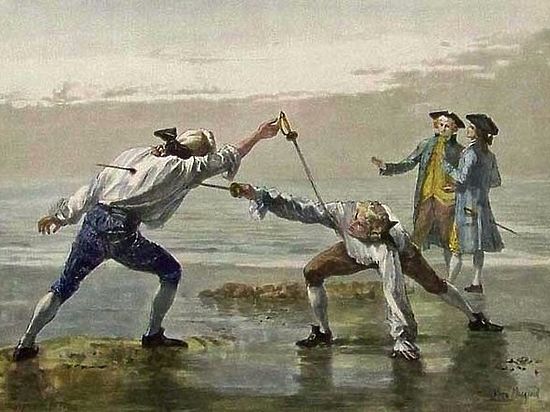
The northern capital is known worldwide for its architecture. However, the list of these attractions can also be supplemented by the numerous duels of Petersburg, which took place here between great people.

Petersburg: Egyptian Motifs

Petersburg: Egyptian Motifs

At the beginning of the 19th century, Europe was swept by a wave of genuine Egyptomania, which also reached St. Petersburg.
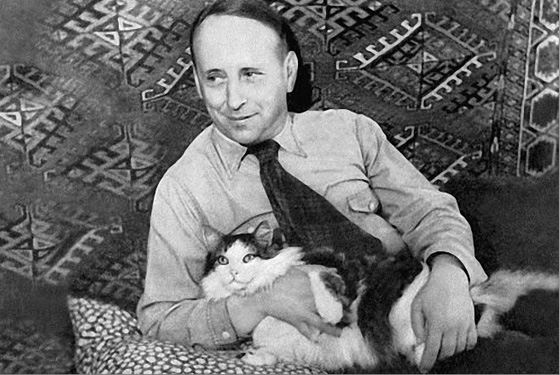
Vyborg and Surroundings

Vyborg and Surroundings

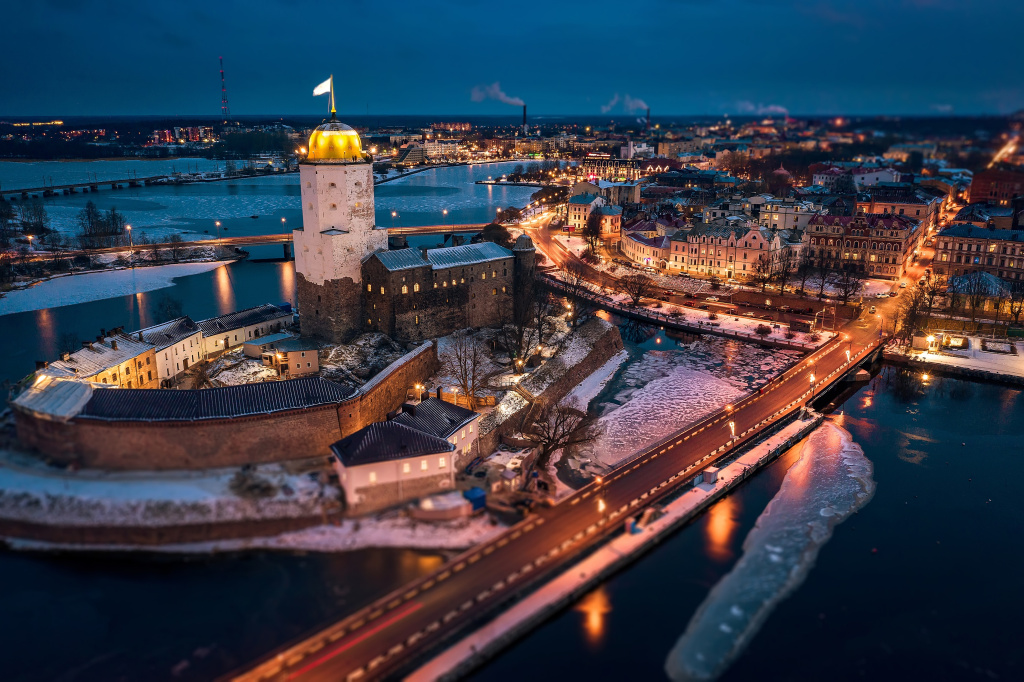
Vyborg, the only European medieval city in Russia, with a history spanning over eight centuries, cannot help but have mysterious stories about its past.
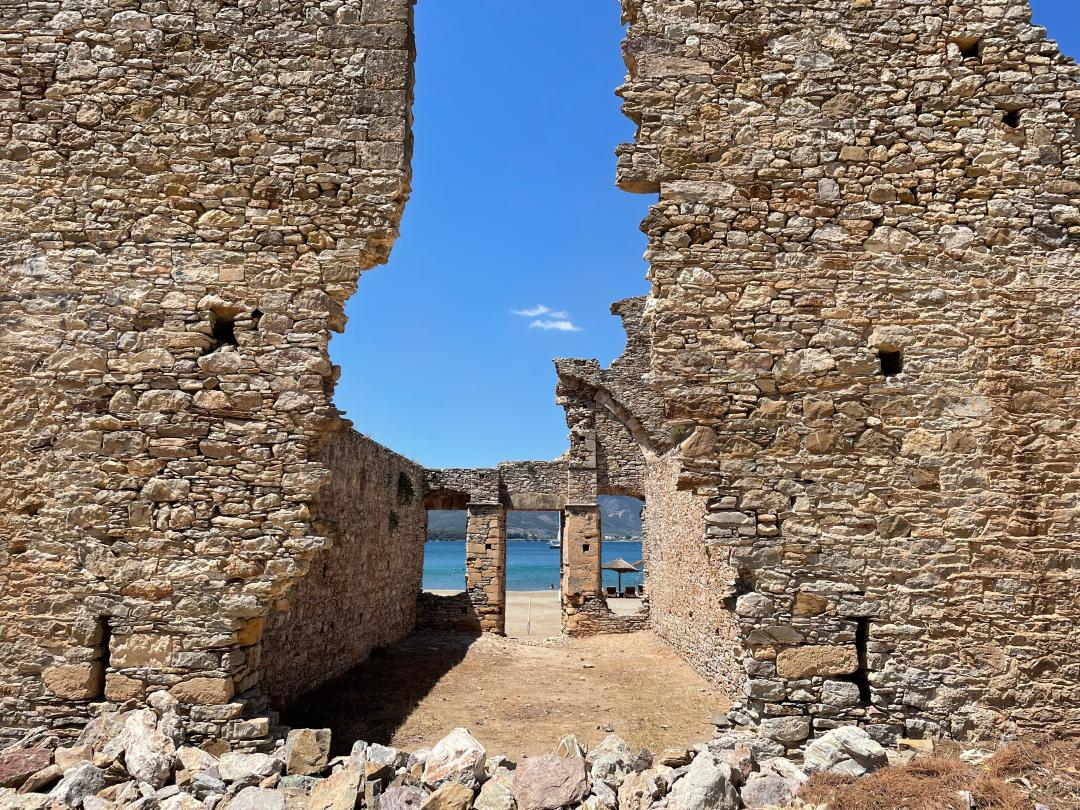
Not-so-ancient Greece

Not-so-ancient Greece

A collection of non-trivial sites in Greece for a curious traveller. Places that the usual guidebooks will not tell you about, from movie and book locations to abandoned mines and military bases. The locations are scattered across various islands.

John Fowels, Nicholas Urfe and The Magus

John Fowels, Nicholas Urfe and The Magus

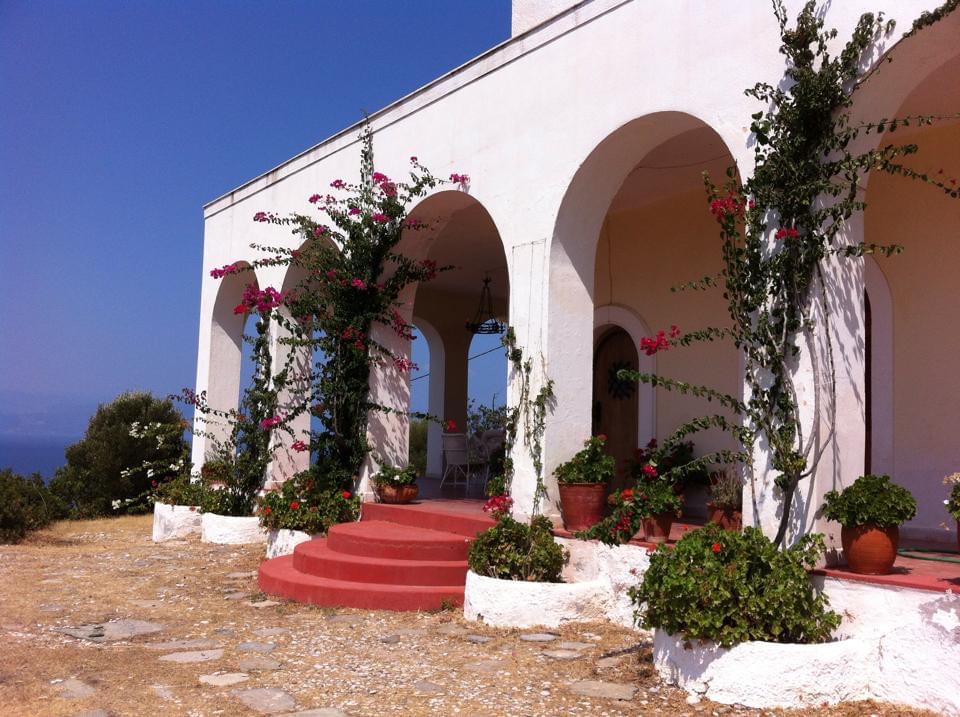
Have you read The Magus by John Folwes? Would you like to see Villa Bourani? Here is your chance! Follow in the footsteps of Nicholas Urfe and John Fowels himself on the beautiful island of Phraxos - or Spetses, as it is called in real life.
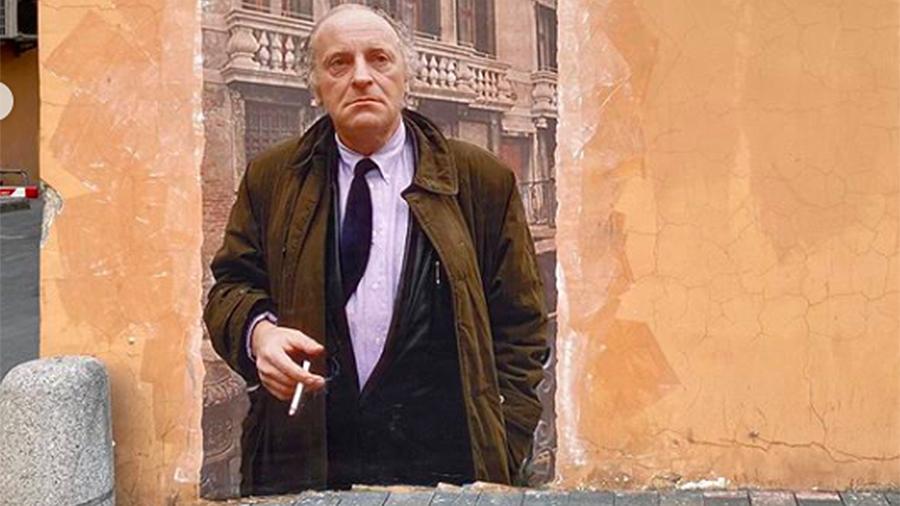
Great Writers: Joseph Brodsky (Petersburg and the Whole World)

Great Writers: Joseph Brodsky (Petersburg and the Whole World)

Judge: So, what is your profession? Brodsky: Poet. Poet-translator. Judge: And who recognized you as a poet? Who counted you among poets? Brodsky: No one. (Without hesitation). And who counted me among the human race? Judge: Did you study for this? Brodsky: Study what? Judge: To be a poet? Didn’t you try to graduate from a university where they prepare... where they teach... Brodsky: I didn’t think that was something education provides. Judge: Then what is it? Brodsky: I think it’s... (hesitantly)... from God...
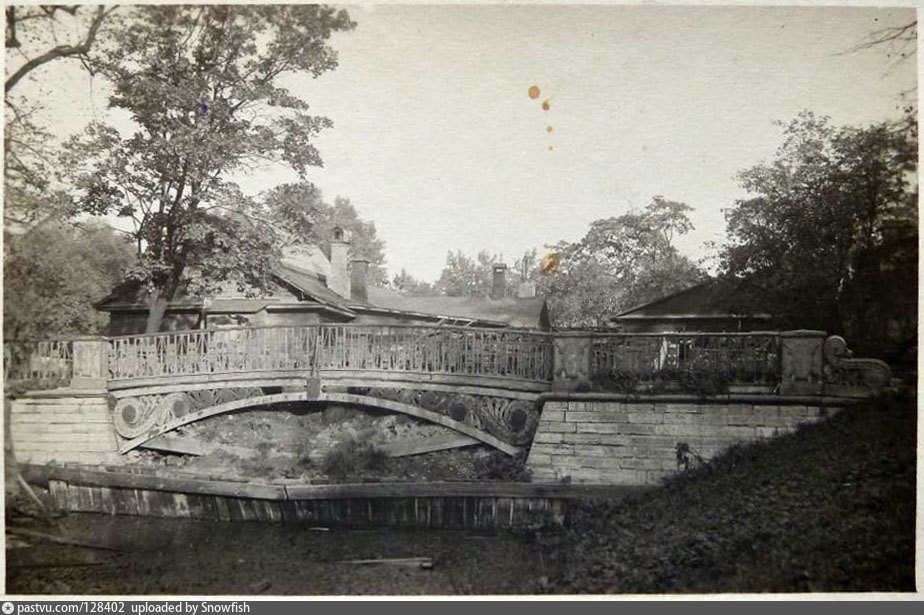
Imperial Parks of Petersburg

Imperial Parks of Petersburg

The magnificent palace and park ensembles of Petersburg, Peterhof, Tsarskoye Selo, Pavlovsk, and Gatchina are the country's calling card.
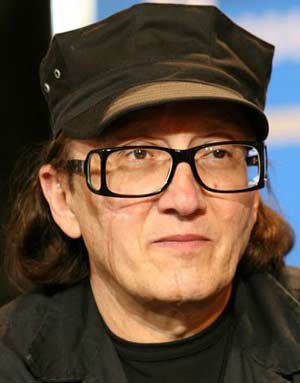
St. Petersburg of Mikhail Shemyakin

St. Petersburg of Mikhail Shemyakin

The range in which Mikhail Shemyakin works is quite broad: from drawing to monumental sculpture, theater, and cinema. The themes of his creativity are also diverse: from theatrical grotesque to metaphysical explorations.
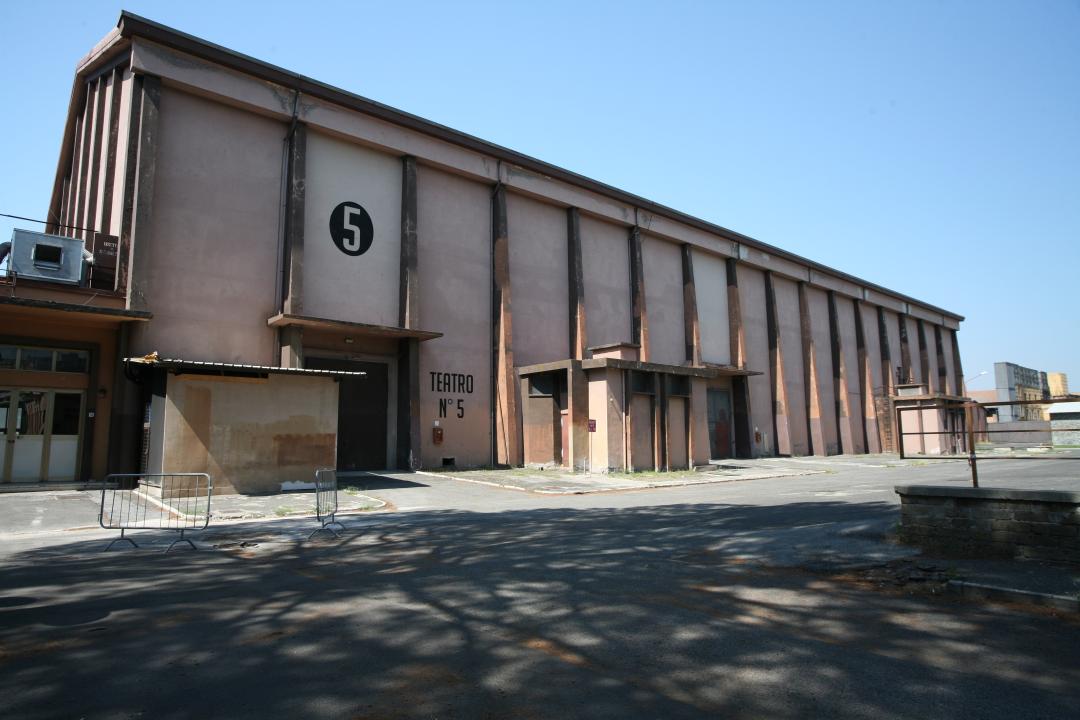
Federico Fellini's Rome

Federico Fellini's Rome

This collection reveals some of the places in Rome associated with the legendary film director. A must see for Fellini fans! Fellini moved from Rimini to Rome when he was 19, and lived and worked there for over 50 years. It has become his home, his family, his city. In his own words, “Rome is a mother, and the best mother one could wish, she is indifferent. It's a mother who has too many children, so she can't dedicate herself to you, nor does she ask anything of you. She doesn't expect anything. But hers is a warm indifference, entangling, that calms you at once, that spares you every kind of dependence or feelings too direct and compromising. She leaves you to yourself, but keeps you company.” (“As Fellini Sees Rome: A City of Desolation, Fossilized Ruins, and Children”, by Federico Fellini, The New York Times, 03.06.1973).
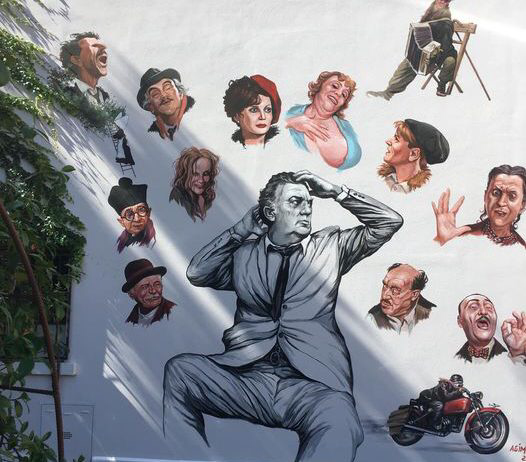
Federico Fellini’s Rimini

Federico Fellini’s Rimini

This collection reveals some of the places in Rimini associated with the legendary film director. A must see for Fellini fans! Rimini is a small enchanting seaside town where Fellini was born. A town which he moved from when he was 19 but which he never really left. A town which he came back to over and over again, and whose images he used frequently in his films. "Rimini is everywhere in Fellini's cinema, the countryside in his films is Rimini's countryside, the sea in all Fellini's films is Rimini's sea" (Marco Leonetti of the Rimini Cinematheque, “Fellini's birthplace Rimini marks centenary of maestro's death”, France24, 20.01.2020). If you want to visit all places at once, it will be a long walk of about 10 km one way. It can easily be split in two walks: points 1-10 (about 4 km) and points 11-13 (about 3,5 km). Alternatively, use the car/taxi for the last part of the route. Photo: http://www.societadeborg.it/
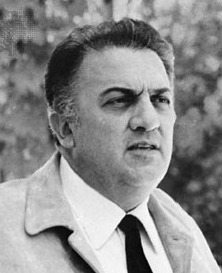
Italy with Federico Fellini

Italy with Federico Fellini

This collection reveals the places in Rimini and Rome associated with the legendary film director. A must see for all Fellini fans! The life and works of Federico Fellini are closely connected with two places in Italy. The first one is Rimini, a small enchanting seaside town where Fellini was born. A town which he moved from when he was 19 but which he never really left. A town which he came back to over and over again, and whose images he used frequently in his films. The second one is Rome of course, the grand city where Fellini lived and worked for over 50 years. Follow in his footsteps!
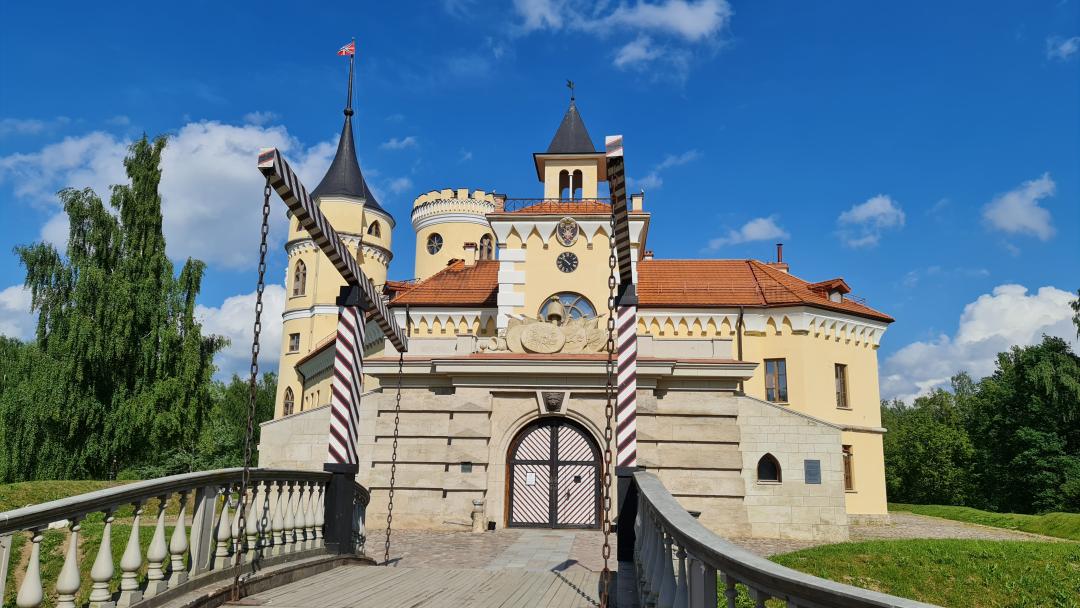
Petersburg, Suburbs: The Secrets of Pavlovsk

Petersburg, Suburbs: The Secrets of Pavlovsk

Located 25 kilometers from Saint Petersburg, by the Slavyanka and Tyzva rivers, is Pavlovsk, once one of the residences of Emperor Paul and Empress Maria Feodorovna. These lands were gifted by Catherine II to her son, Tsarevich Paul Petrovich, in honor of the birth of the heir — the future Emperor Alexander I. In 1778, two small wooden palaces were built here – Paullust (Paul’s Joy) and Mariental (Maria’s Valley).

Petersburg: In the Footsteps of the Masons

Petersburg: In the Footsteps of the Masons

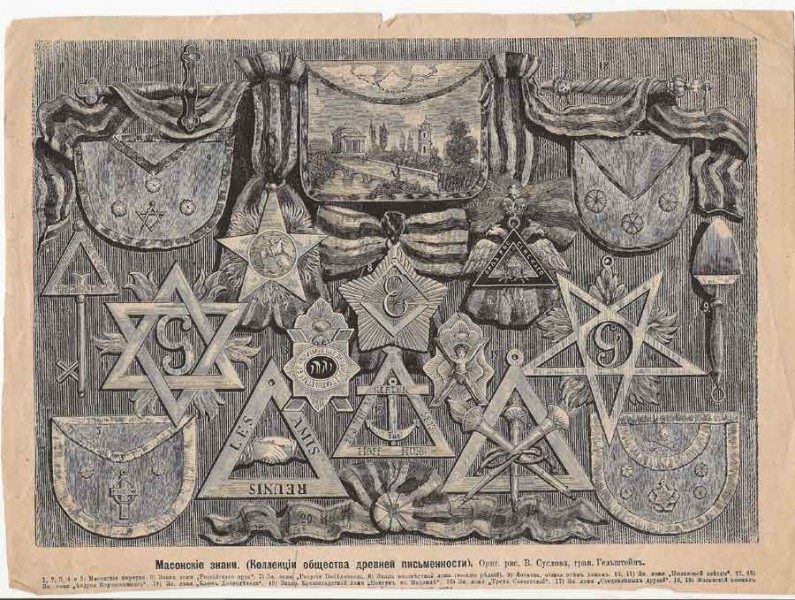
The fascination with Freemasonry has left a significant mark on Russian history and is reflected in the architecture of the Northern capital. There are many places here associated with the Freemasons.
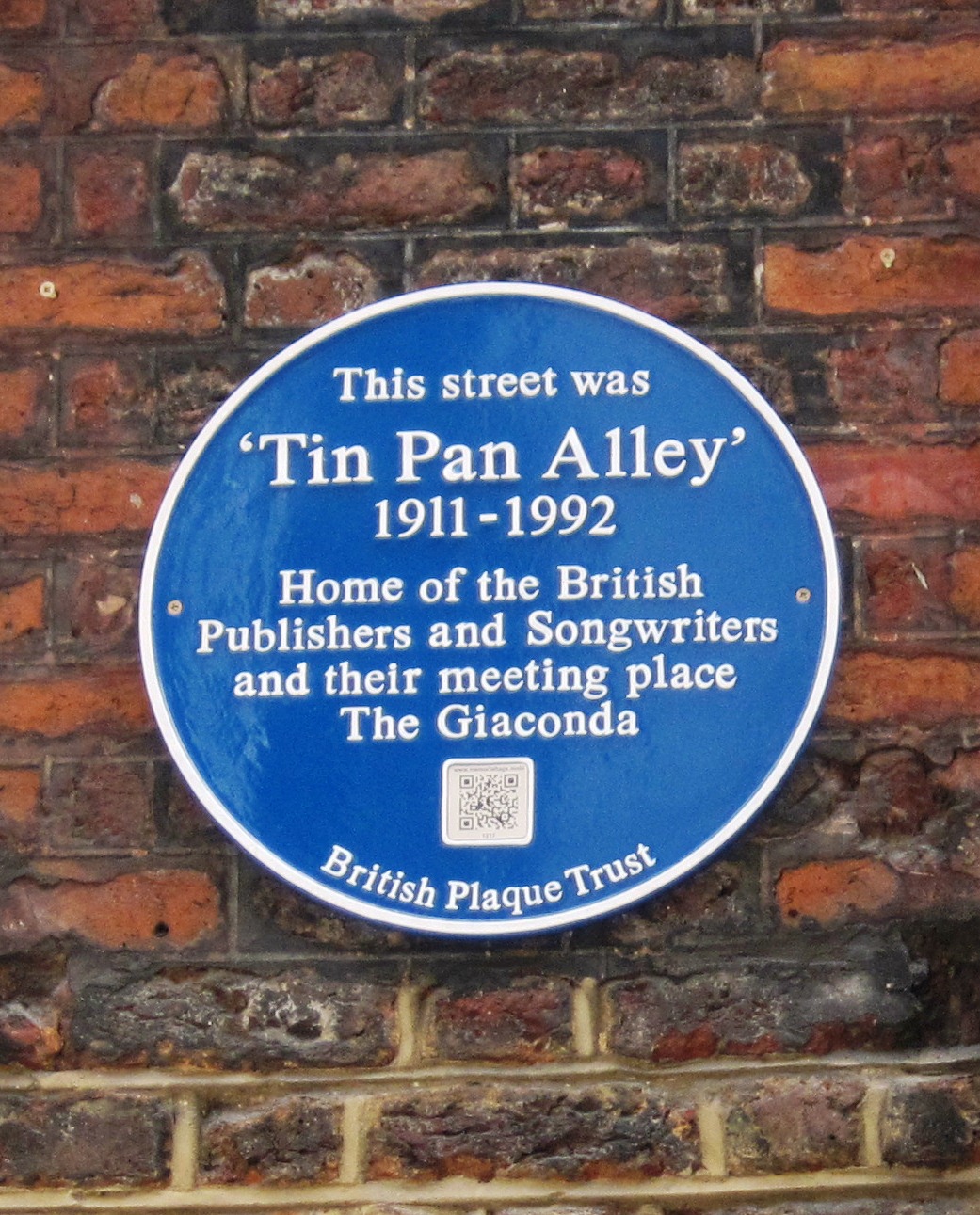
Denmark street: British music hub

Denmark street: British music hub

There are very few places in the world that have been as important for the music industry as Denmark Street has been. No wonder it was nicknamed “Britain’s Tin Pan Alley”, after New York’s famous Tin Pan Alley - the center of composing, lyric writing, and music publishing in the late 19th and early 20th century. Denmark Street on the edge of London's West End was developed in the late 17th century and named after Prince George of Denmark. Since the 1950s it has been the epicentre of British music. First came the music publishers, then the recording studios, followed by music and guitar shops. The amount of music created, played, recorded, bought and sold on this tiny spot is phenomenal. In 2014, a blue plaque was unveiled commemorating the importance of Denmark Street for the music industry. Take this short walk to see, among other things, where The Rolling Stones recorded, where David Bowie and the Small Faces socialised, where Elton John and Bernie Taupin wrote songs and where the Sex Pistols lived. Sources: Wikipedia, https://www.regentsounds.com , https://www.classicrocktourlondon.com/, http://www.peermusic.uk/ , https://www.nme.com/, https://whatpub.com , https://rosemorris.com/, https://www.wunjoguitars.com , https://www.chateaudenmark.com/journal/no-21-25-across-time
St. Petersburg of Nikolai Gumilev

St. Petersburg of Nikolai Gumilev

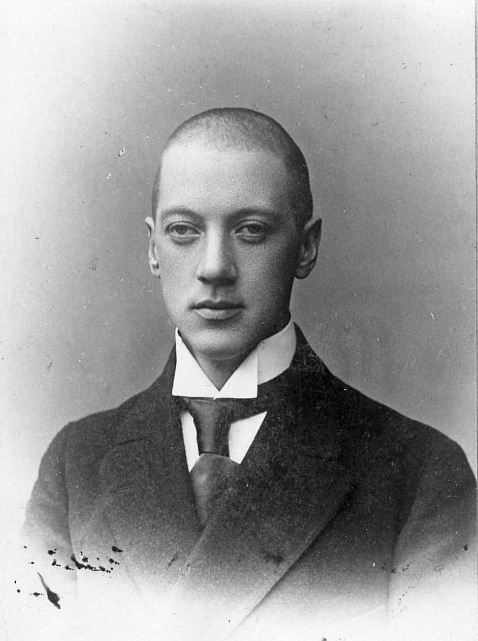
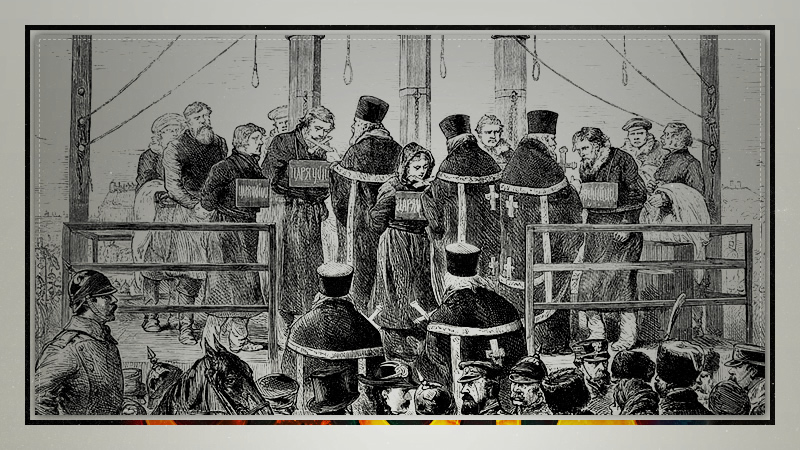
Nikolay Stepanovich Gumilyov, a Russian poet of the Silver Age, founder of the Acmeism school, prose writer, translator, and literary critic. The first husband of Anna Akhmatova, father of Lev Gumilyov. He undertook two expeditions to eastern and northeastern Africa in 1909 and 1913. On August 28, 1921, he was executed by firing squad on charges of participating in the anti-Soviet conspiracy of the "Petrograd Combat Organization of Tagantsev."
St. Petersburg of Osip Mandelstam

St. Petersburg of Osip Mandelstam

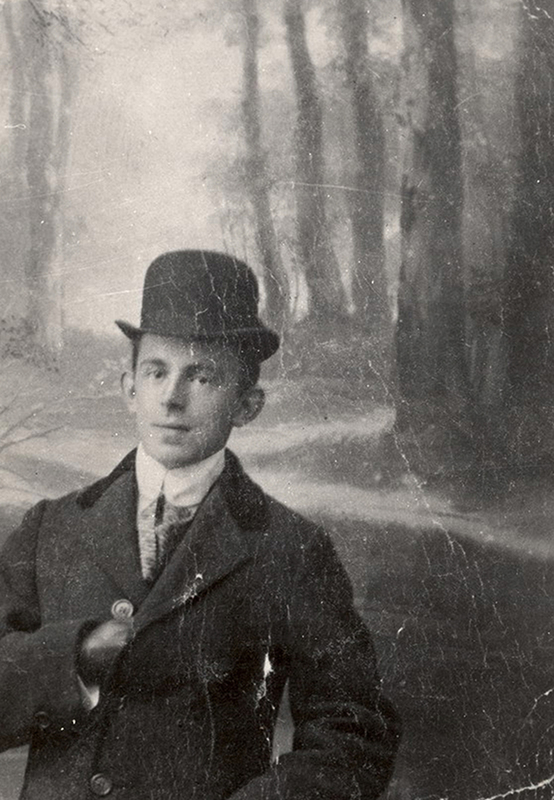
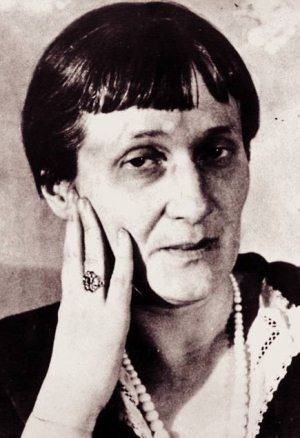
Poet, prose writer, and translator, critic and literary scholar. Mandelstam is considered one of the greatest Russian poets of the 20th century.
The Sugar Coast from ruin to ruin

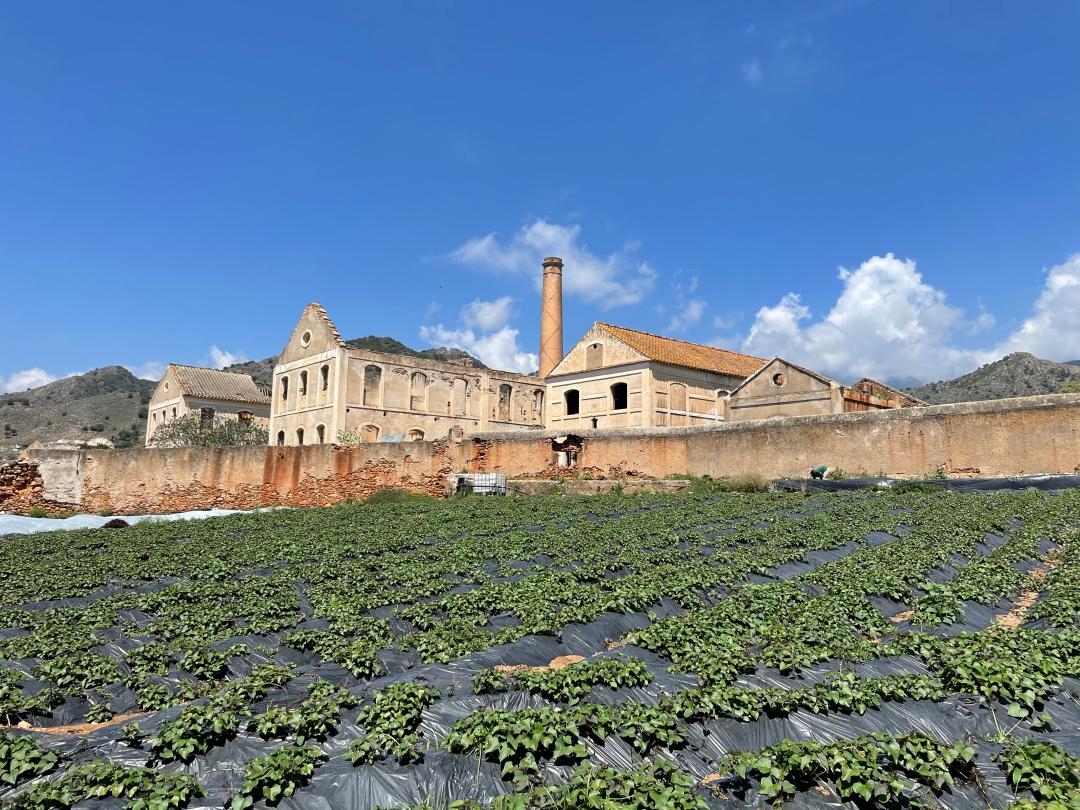
The Sugar Coast from ruin to ruin

This is a nice but somewhat demanding walk from one remnant of the Sugar Coast times of Costa the Sol to another. You can start at the end of Burriana beach, climb up the hill, follow the coastal path (warning! as of April 2021, it is in poor condition and dangerous, so take it at your own risk) and turn left to get to San Joaquín Sugar Mill (Fabrica de Maro). Then follow N-340 and signs to Maro. To visit the old bridge (The Málaga–Almería road massacre), take a detour from N-340. Take N-340 back to Nerja. A less spectacular but safer walk is to follow N-340 all the way to Maro and back.
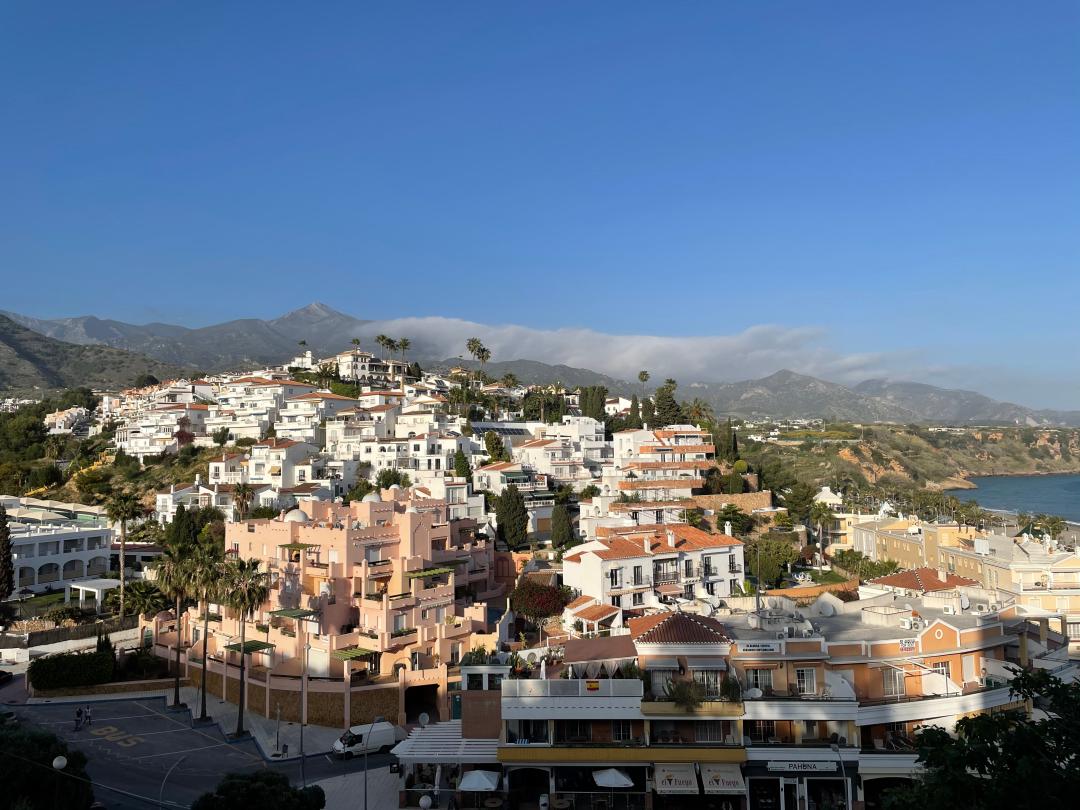
Nerja’s known and unknown

Nerja’s known and unknown

A small collection of places worth visiting in and around the small town of Nerja. Some are well-known, some less. All of them are accessible on foot from the town center, but some will require extensive walking (A remnant of the Sugar Coast , The Eagle Aqueduct, The Málaga–Almería road massacre) so a car might be useful.
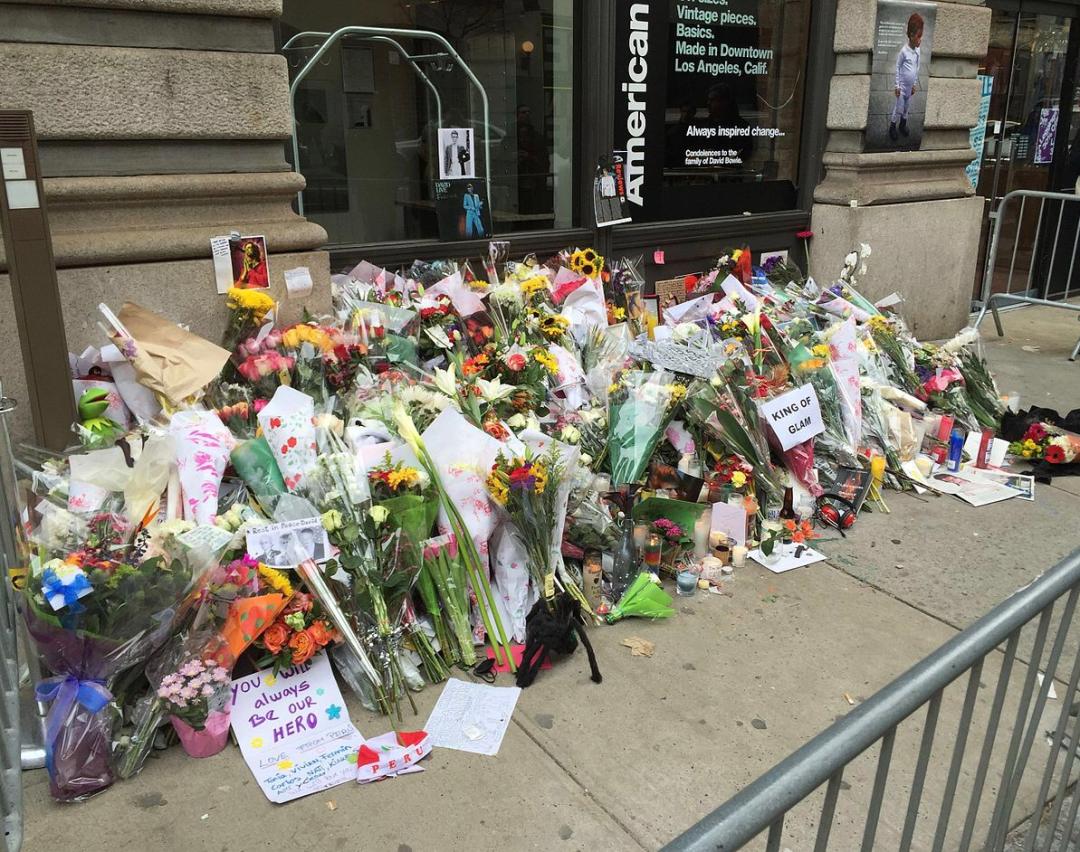
Bowie's New York

Bowie's New York

“I’ve lived in New York longer than I’ve lived anywhere else. It’s amazing. I am a New Yorker,” he said in a 2003 interview. This is a collection of New York locations that every Bowie fan should visit. Photo: David Shankbone
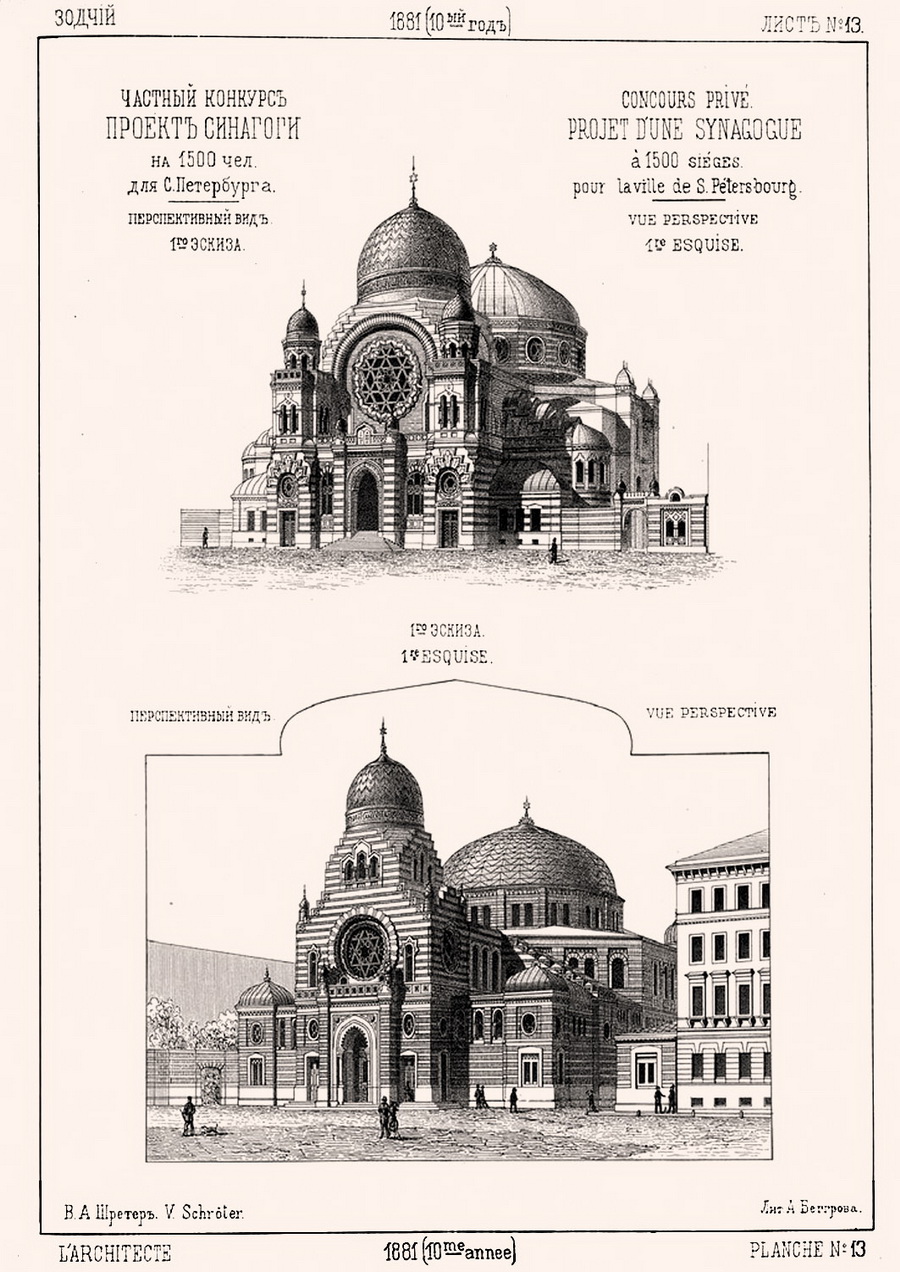
David Bowie's London

David Bowie's London

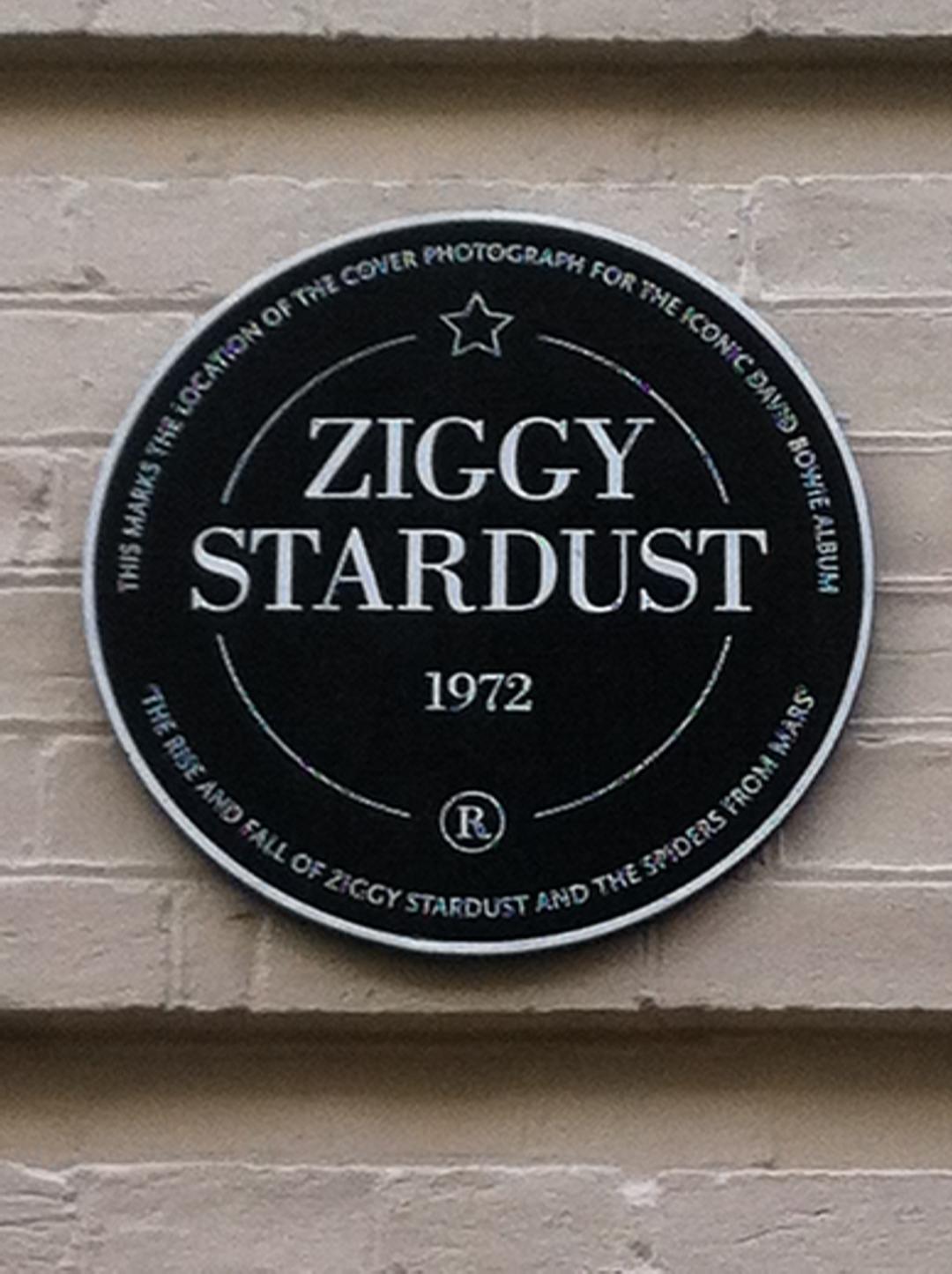
This is a collection of London locations that every Bowie fan should visit. Where he was born, where he studied, where he hung out and where he created his music.

David Bowie’s Berlin

David Bowie’s Berlin

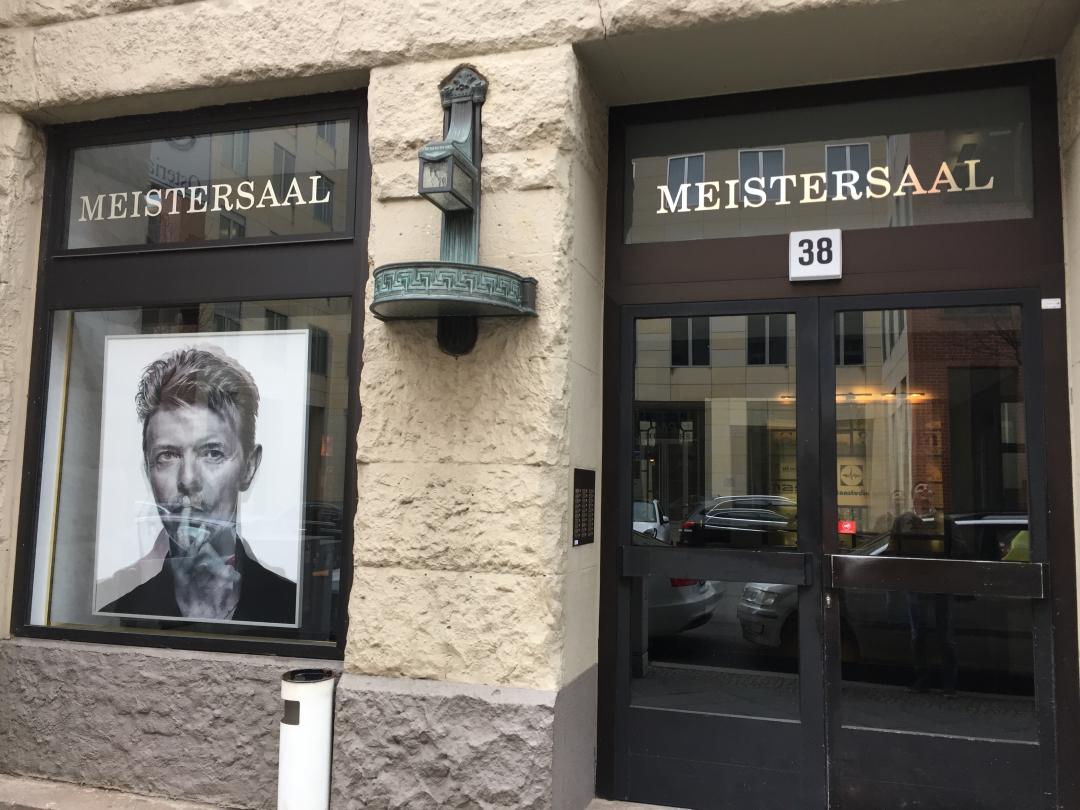
This is a collection of Berlin locations that every Bowie fan should visit. David Bowie lived in Berlin between 1976 and 1978. Divided by the Wall, surrounded by international troops, on the frontline between the East and the West, Berlin was at the time Europe’s major underground cultural and musical scene. Even though Bowie did not live there long, this city played a special role in his life and his career.
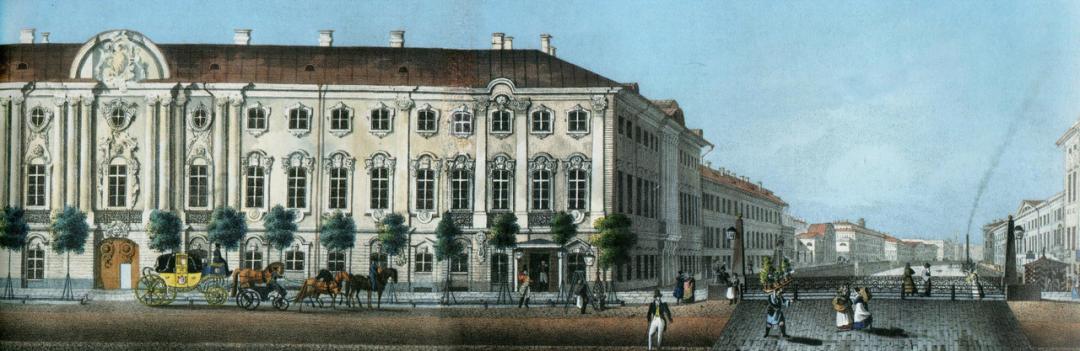
Petersburg: Stories of Nevsky Prospect

Petersburg: Stories of Nevsky Prospect

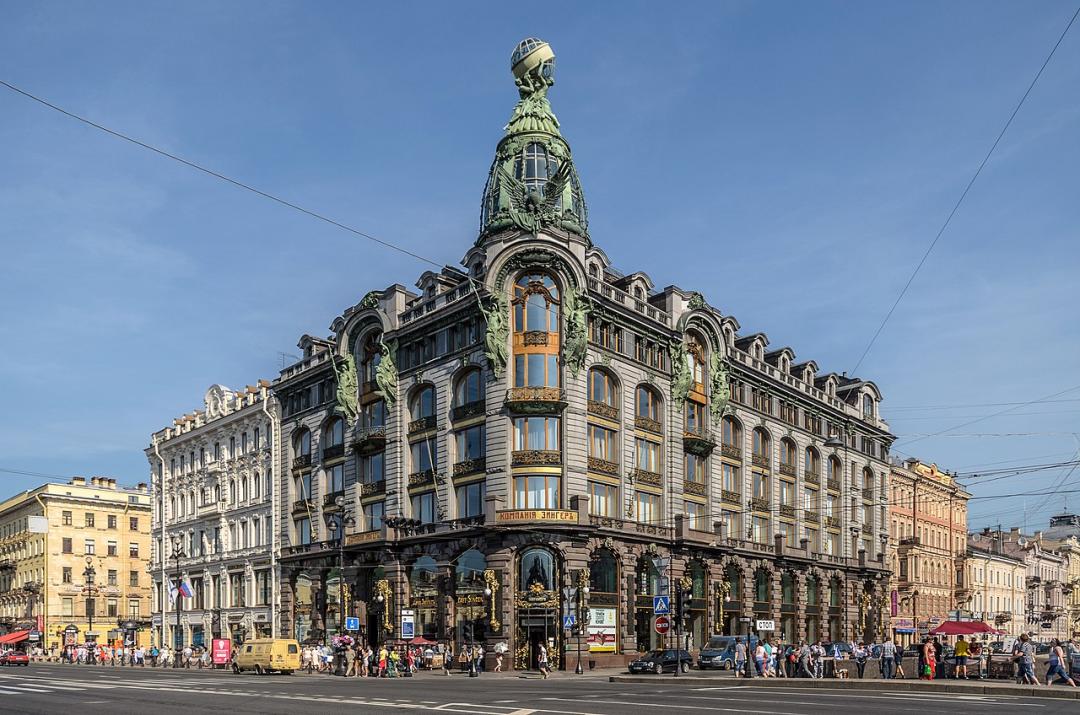
The calling card of Saint Petersburg. Nevsky means no less to the city's residents than the Champs-Élysées do to Parisians. The city is unimaginable without it.

St. Petersburg of Nikolai Gogol

St. Petersburg of Nikolai Gogol

From a human point of view, Petersburg is not the city of Peter and Pushkin, but the city of Yevgeny and Akaky Akakievich... (A. Bitov)
Petersburg: Unusual Monuments and Places

Petersburg: Unusual Monuments and Places

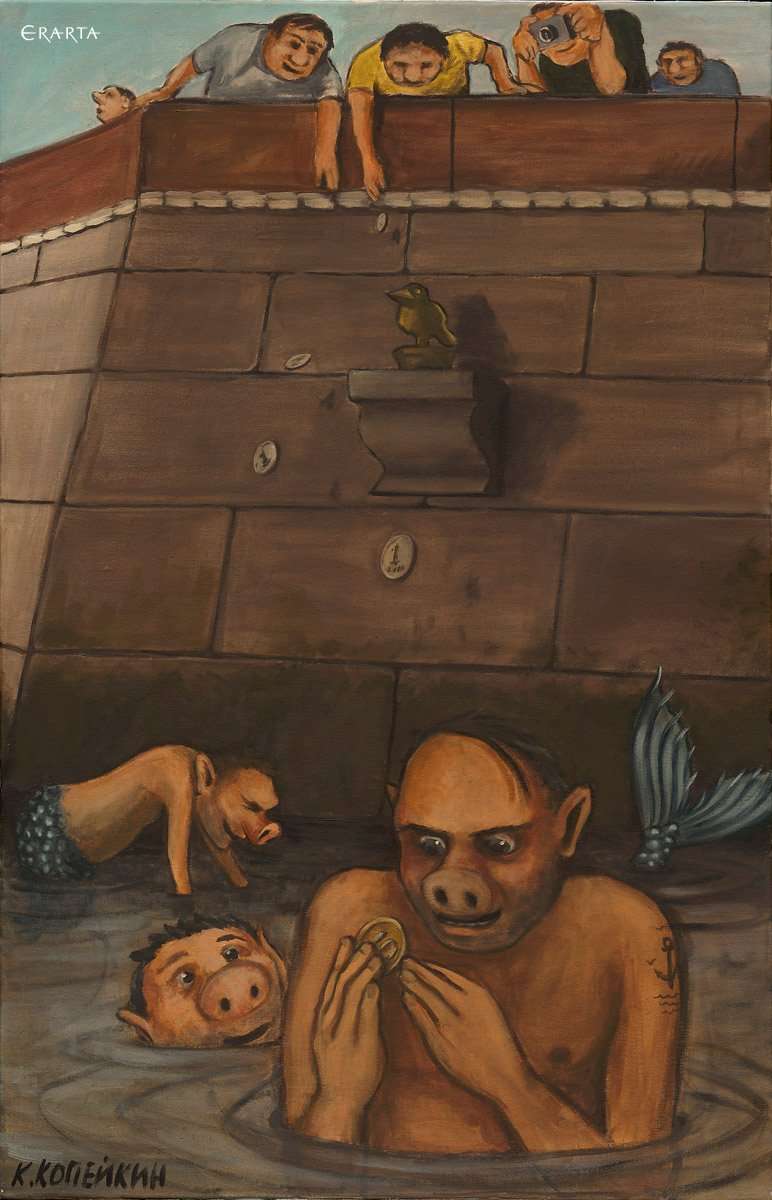
Monuments of Saint Petersburg are not only popular monuments and sculptures dedicated to poets, politicians, and historical figures; they are often what creates and reveals the true soul of the city, not just its ceremonial facade.

Verano Azul - Blue Summer in Nerja

Verano Azul - Blue Summer in Nerja

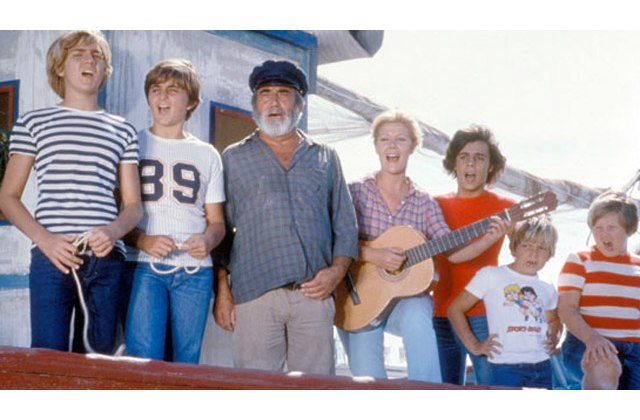
Verano azul (Blue Summer) is a Spanish television drama series directed by Antonio Mercero. It was first broadcast on the Spanish Television from October 1981 to February 1982. The series tells a story of a group of youngsters between ages 9 and 17 and their adventures while on summer holiday in a small coastal town on Costa del Sol. It was filmed in Nerja between August 1979 and December 1980. If there is a series that has made history on Spanish television, this is the one. With its 19 episodes the series attracted an audience of about 20 million viewers in Spain and has been re-run several times since then. It was also broadcast in Latin America, Portugal, France, Yugoslavia, Bulgaria, Poland and Czechoslovakia. This walk will take you to the main filming locations. Great for fans but not only them, as these locations happen to be among the best places in Nerja. You might as well wish to watch the series afterwards. We suggest starting at Burriana beach and going all the way through Nerja center to Parque Verano Azul. But you can also do the walk in the opposite direction. Either way, you will have to go up and down the hill but it is not a very steep climb.

Petersburg of Daniil Kharms, the Genius of the Absurd

Petersburg of Daniil Kharms, the Genius of the Absurd

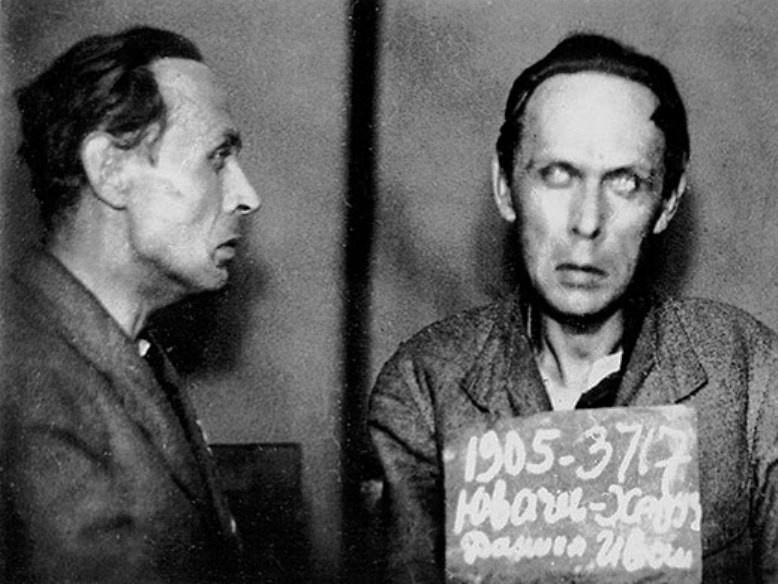
He is known by many names: Dandan, Shusterling, also Charms; for his imposing appearance, he was sometimes called Mister Twister. A serious writer, humorist, poet, member of the creative association "OBERIU," children's author. So diverse, so interesting in his sometimes painfully funny, absurdly surreal world.