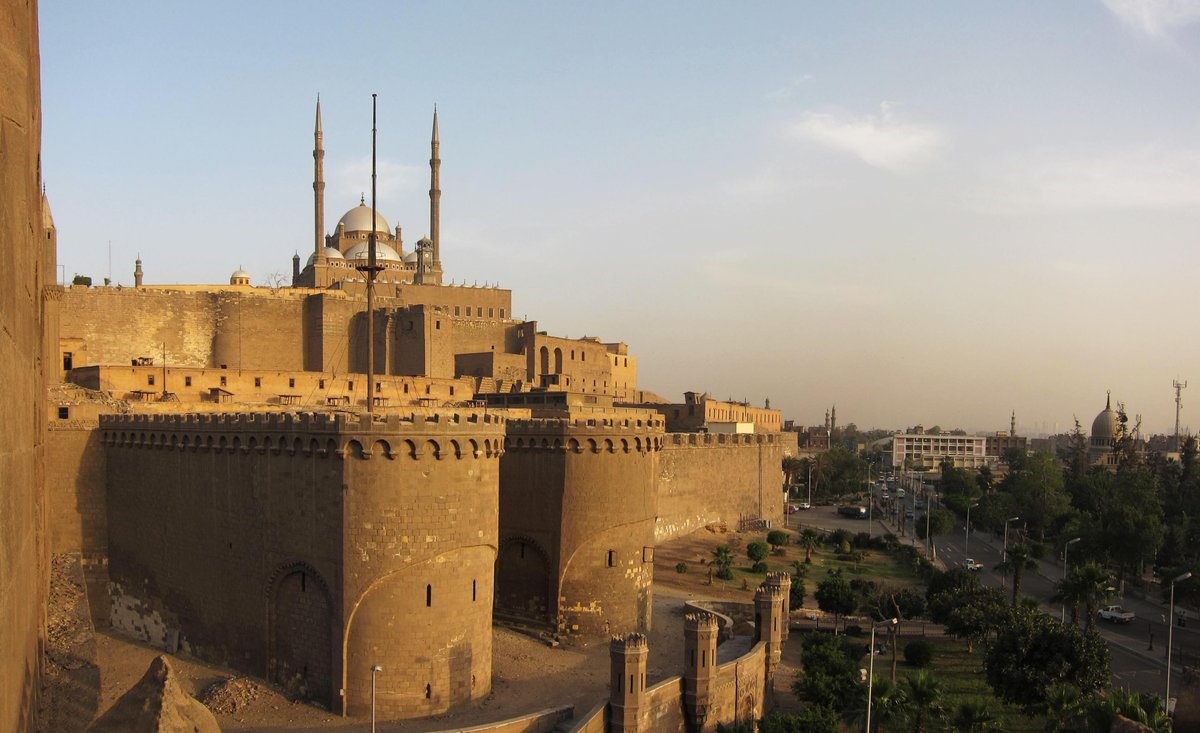

Before the clamour of cities and the echoes of empires, a fortress stood - a guardian overlooking Cairo from the heights of a hill. The Salah El Din Citadel is a medieval Islamic-era fortification, a monument to the strength and majesty of its time. This sprawling fortress, construction on which began in 1176, holds secrets as deep as the roots of its ancient walls. Let us delve into its stories.
In the 12th–13th centuries, Saladin initiated the construction of a mighty fortress on a strategic position overlooking Cairo. It stood as a testament to his power and legacy, a fortress that positioned itself as a formidable bulwark against enemy attacks. The construction was completed in 1183–1184 and has stood the test of time, a silent sentinel that has watched over Cairo for centuries.
During the rule of Sultan al-Nasir Muhammad in the 14th century, the fortress underwent major development. The Citadel was repeatedly altered and adapted to suit the designs of new rulers and new regimes, which makes it difficult to reconstitute its original plan or even its plan in subsequent periods.
In the first half of the 19th century, Mohammed Ali Pasha demolished many of the older buildings and constructed new palaces and monuments all across the site, giving it much of its present form. During the 20th century, it was used as a military garrison by the British occupation and then by the Egyptian Army until being opened to the public in 1983.
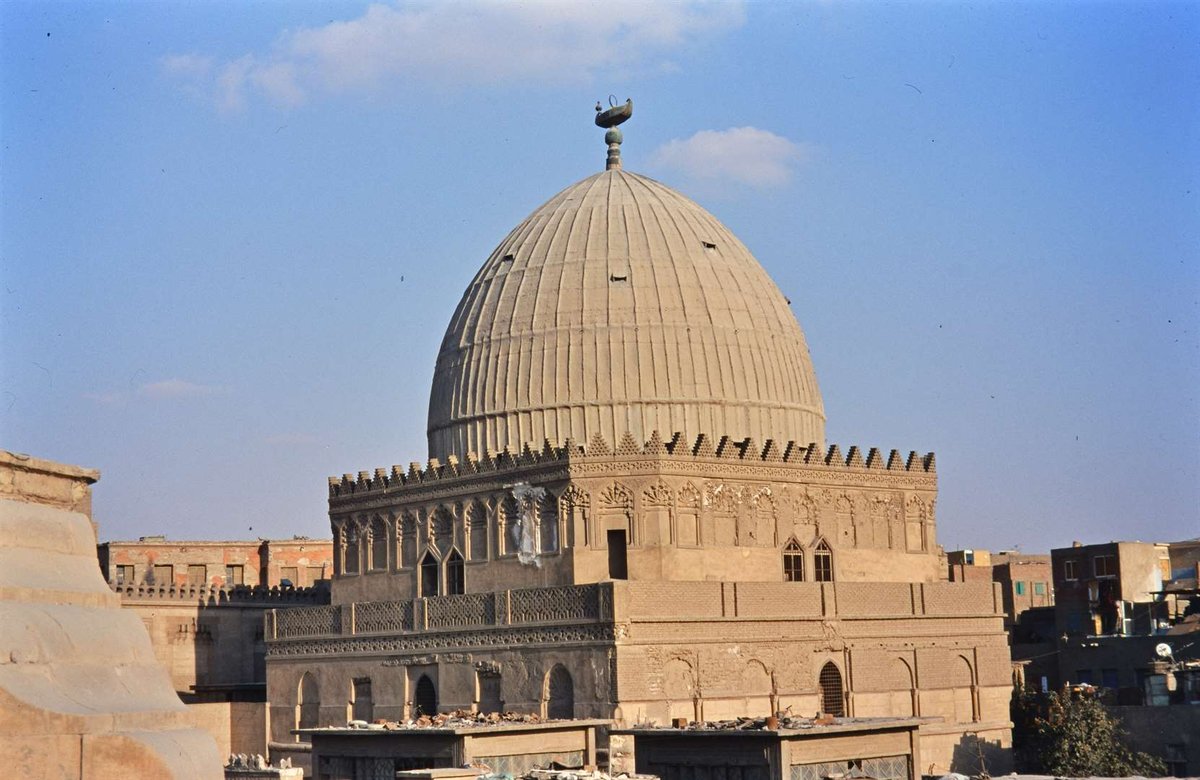
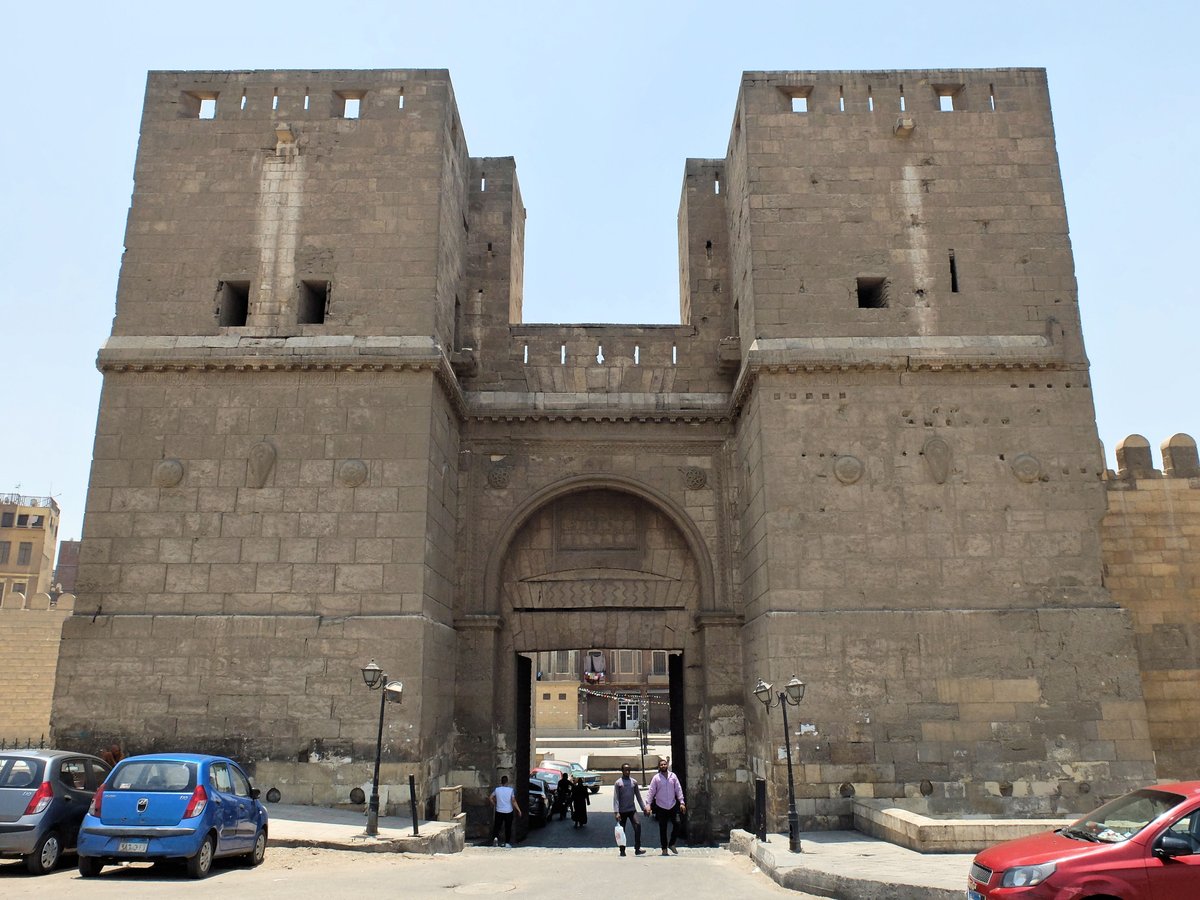
In 1979, it was proclaimed by UNESCO as a part of the World Heritage Site Historic Cairo (Islamic Cairo). The site remains a preserved historic site, including mosques and museums.
Sources: Wikipedia, OpenStreetMap, Wikidata, Wikimedia Commons

Written by Mutabor
Discuss this with the author and others
No comments yet. Be the first to start the conversation.