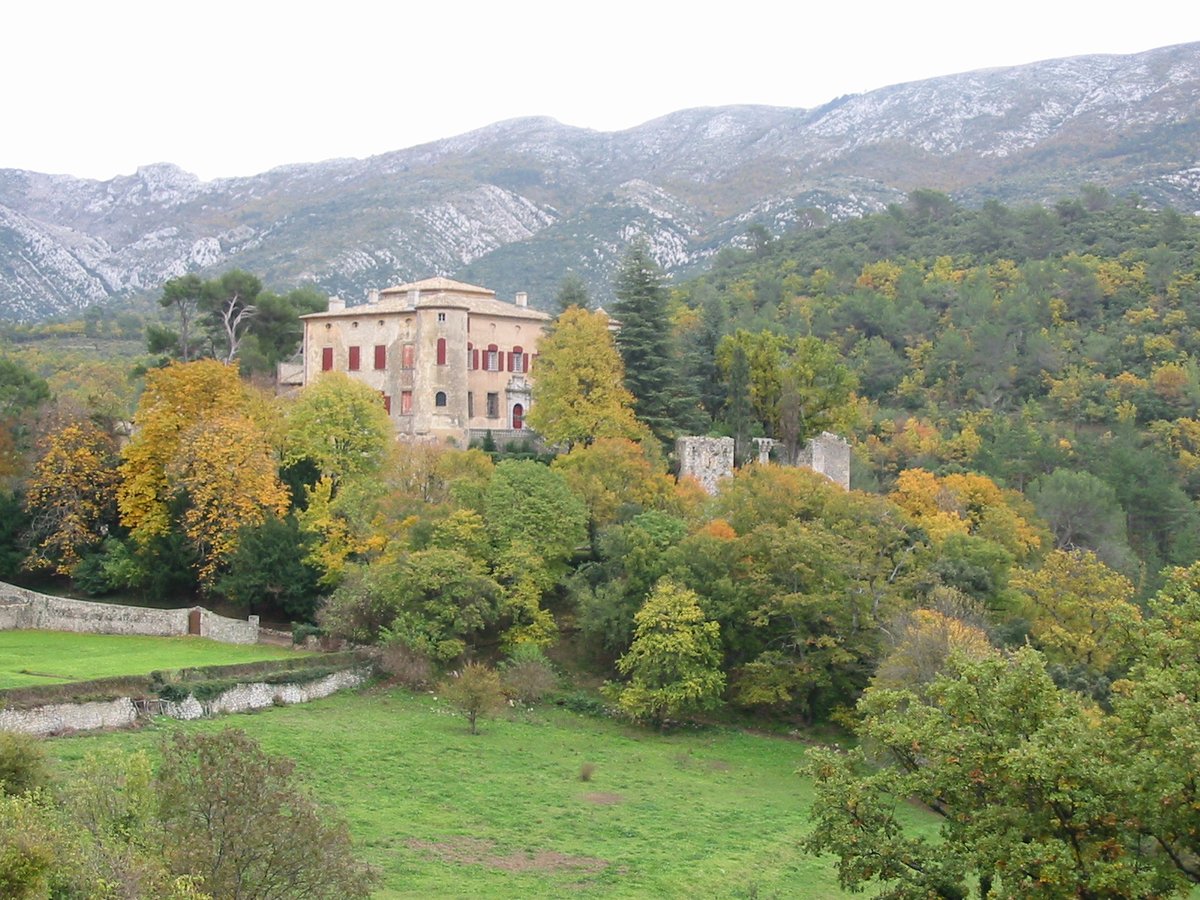

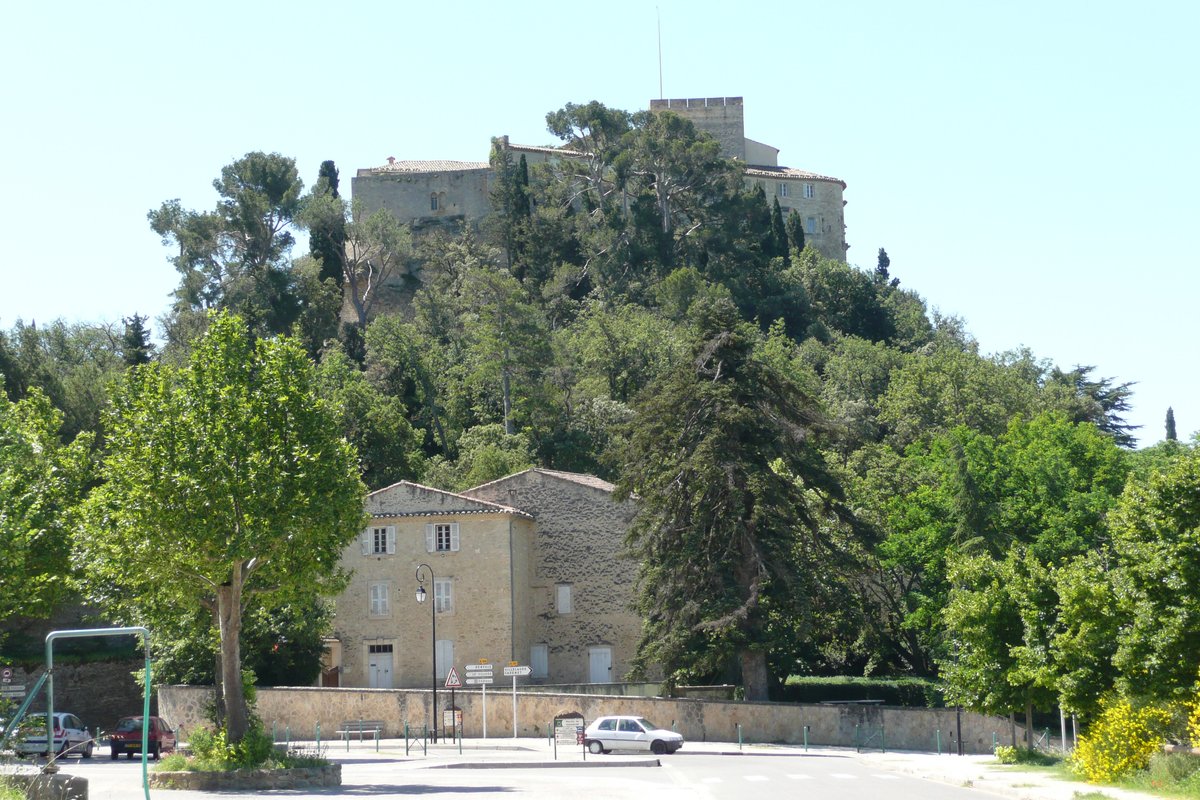
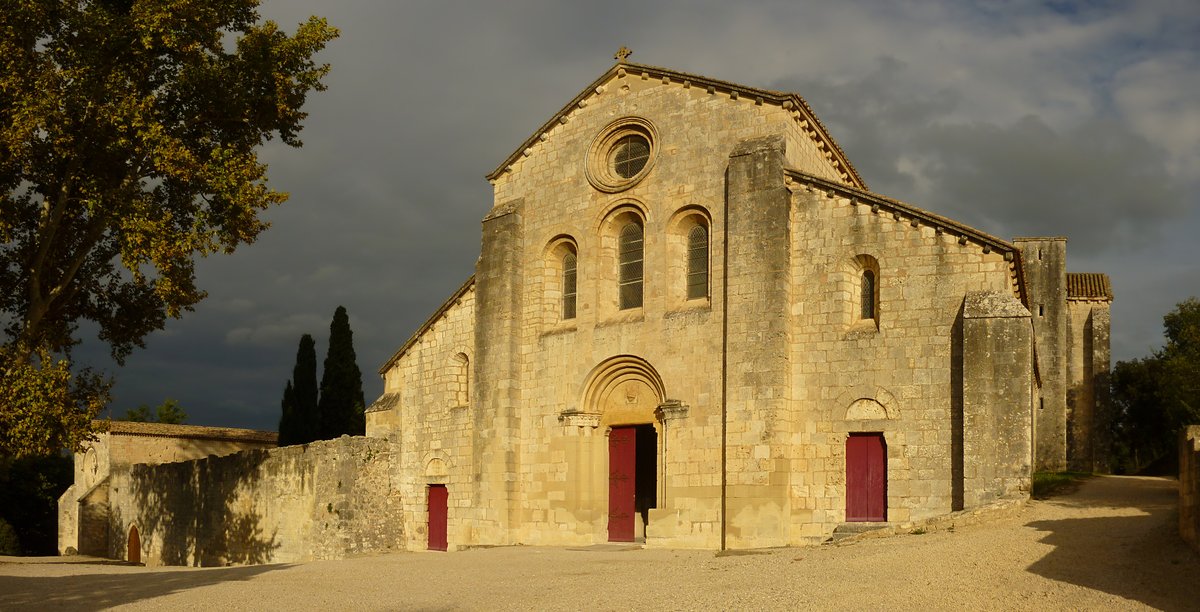
Why is this place so quiet? Because it is strictly private property. You cannot step through the doors of the Château de Vauvenargues, but the exterior tells a story of centuries of history. It sits on a rocky knoll rising 440 metres above a gorge.
It has been a lot of things. A Roman fort? Yes. A medieval seat for the Counts of Provence? Also yes. It sat with the Archbishops of Aix for centuries before the Marquis de Vauvenargues turned it into a manor in the 1600s. It even housed a philosopher who once ran around the terrace in a literal rage to escape the suffocation of his books.
Then came the 1950s, and Pablo Picasso bought the place within a week after being so taken by his first impressions of the chateau following a day at a bullfight. He spent a few years remodeling it before moving on, but he left his mark in the most permanent way possible. He and his wife, Jacqueline, are buried in the grounds. Their tomb is a grassy mound topped by a monumental sculpture that previously guarded the entrance of the Spanish pavilion at the International Exhibition in Paris in 1937.
Today, it remains the private property of the Picasso family.
Sources: Wikipedia, OpenStreetMap, Wikidata, Wikimedia Commons
Written by Nicolo Ciampini
Discuss this with the author and others
No comments yet. Be the first to start the conversation.