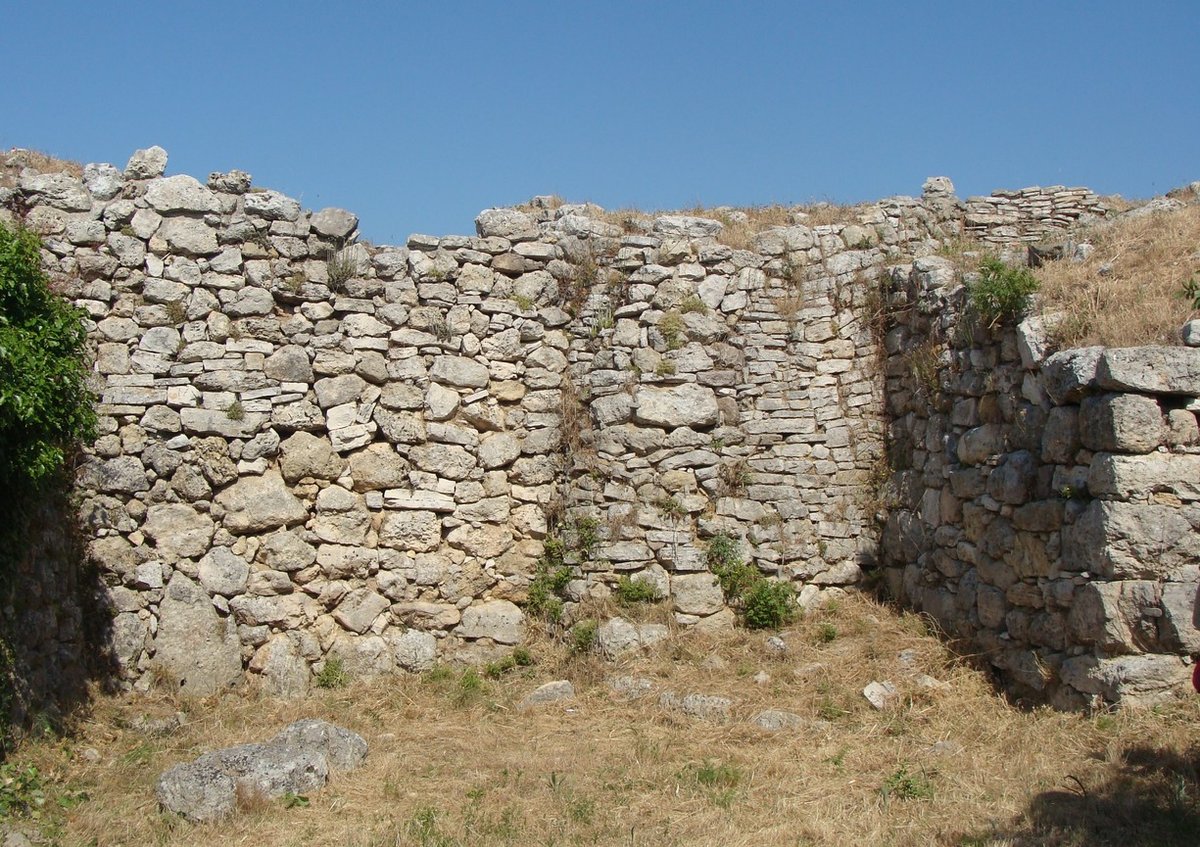

The Baou de Saint-Marcel, a Ségobrige colony encased by fortifications, sprouted around 550-500 BC and was abandoned around 200-100 BC. Hidden within the pulse of Marseille, in the district of Saint-Marcel, it stands prominently on a plateau of tuf quaternary, reaching 167 meters above the seas, covering approximately 3 hectares. Its western edge, a natural bulwark, provided refuge when needed. The slopes, smoothed by gentle inclines, were reinforced by a wall, raised since the mid-6th century BC. It wasn't until 1930 that Count Henry de Gérin-Ricard revealed this cryptic site to the world, and later, from 1964 to 1972, Paul Agostini delved deeply into the mystery, culminating in his publication - ‘L'oppidum pré-romain des Baou de Saint-Marcel at Marseille (7th-2nd century BC)’. The research didn't end there; Guy Rayssiguier and C. Guichard also contributed to the study.
Sources: Wikipedia, OpenStreetMap, Wikidata, Wikimedia Commons
Written by Nicolo Ciampini
Discuss this with the author and others
No comments yet. Be the first to start the conversation.