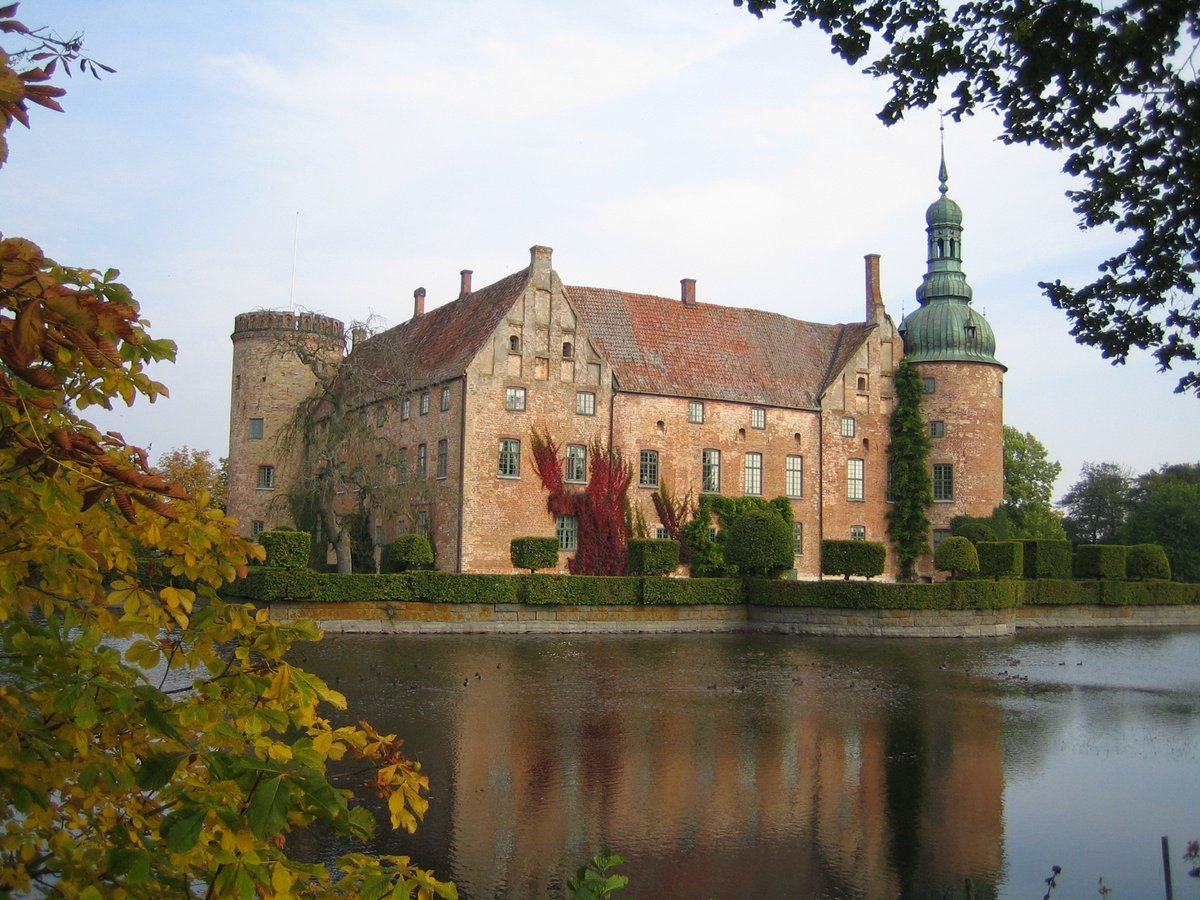

Vittskövle Castle, one of the best-preserved Renaissance castles in the Nordic countries, testifies to the stubborn decline of its original owner. The knight Jens Brahe, building in the 16th century, was to be Lund's archbishop for less than ten years - Borromäus' recognition came two years too late. Today, the deer wander through parkland as if stepping back into history - the building is faintly damp, dimly lit, and feels flesh of stone. The past is not something you touch; usually, it is something you hear of.
Here, it is something you can almost walk on. The pinner-aristocracy of medieval times raised castles to deter raids, in the process becoming targets themselves. Many were burned to the ground and the ashes blown away. Jens Brahe was one of them, but not of Vittskövle Castle. This time, the fire ravaging the northwest tower in the 18th century was extinguished, leaving the castle grander in the eyes of future visitors. Paid by their owners to keep the past popular, the arborists added romantic grotesques to the garden, evoking the medieval dream while also making it possible to sleep at night.
It is a careful, deep-rooted grace, this Renaissance style: a blend of the ancient and the modern, of morality and delight. A few small details hint at the original medieval determination: the cunning, sloping bastions fence the central courtyard, waiting for a decisive charge; the vast, stone-clad steps, worn down by a thousand boots, wind up to the battlements. But the entrance, via a dark, damp staircase and a flickering torch, hints at that other, wilder form of the past, the one that was nearly obliterated. Where the animal-heads presided medievally, the roses reign beautifully.
Sources: Wikipedia, OpenStreetMap, Wikidata, Wikimedia Commons
Written by Nik Frost
Discuss this with the author and others
No comments yet. Be the first to start the conversation.