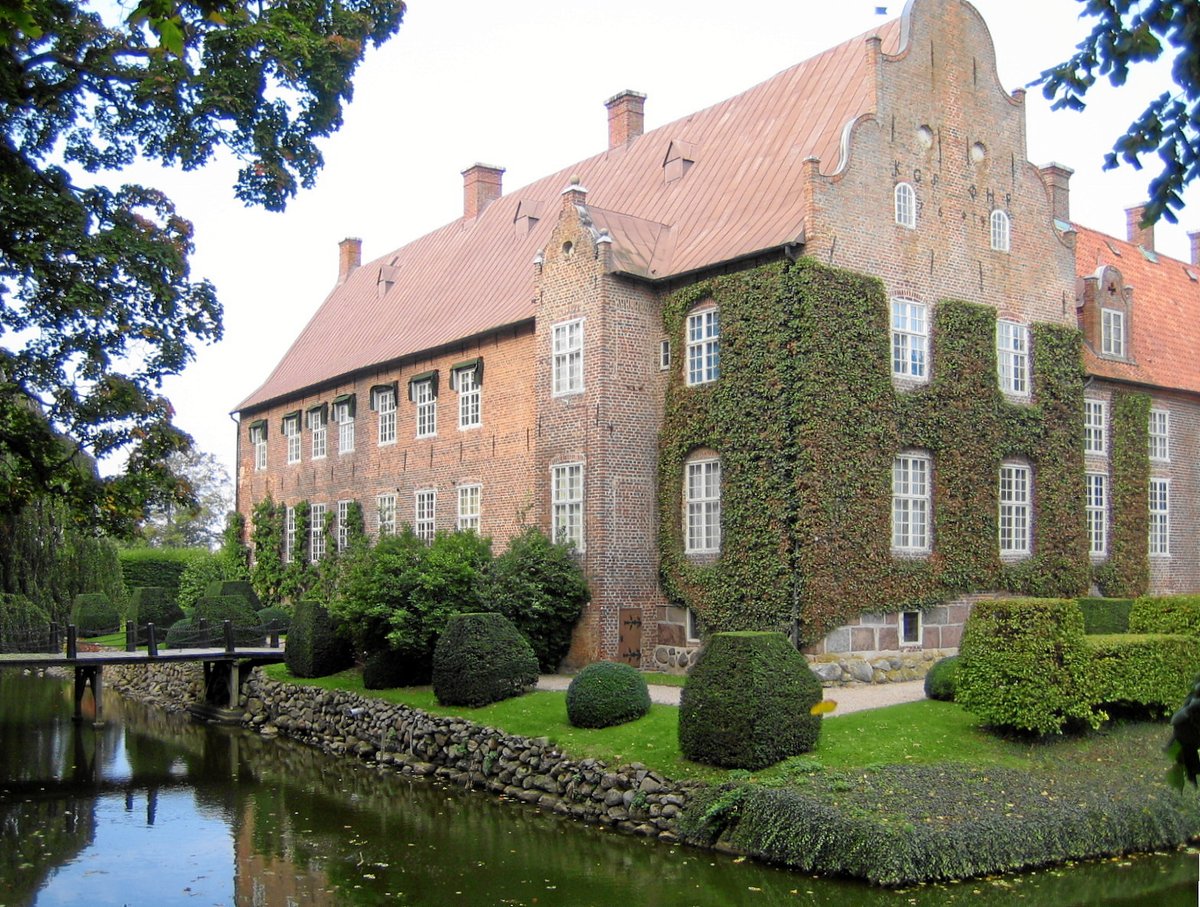

We invite you to examine the physical anchors of a local myth first recorded in 1620. These artifacts originate from a legend where a man discovered a troll feast beneath a massive boulder and escaped with a drinking horn and a hunting flute. The resulting curse declared the estate would burn three times and the lineage would end. A specific detail of this folklore dictates that the horn and pipe must never leave the castle. The castle burned down during the lifetime of Sissela Ulfstand, who refused to return the objects to the trolls.
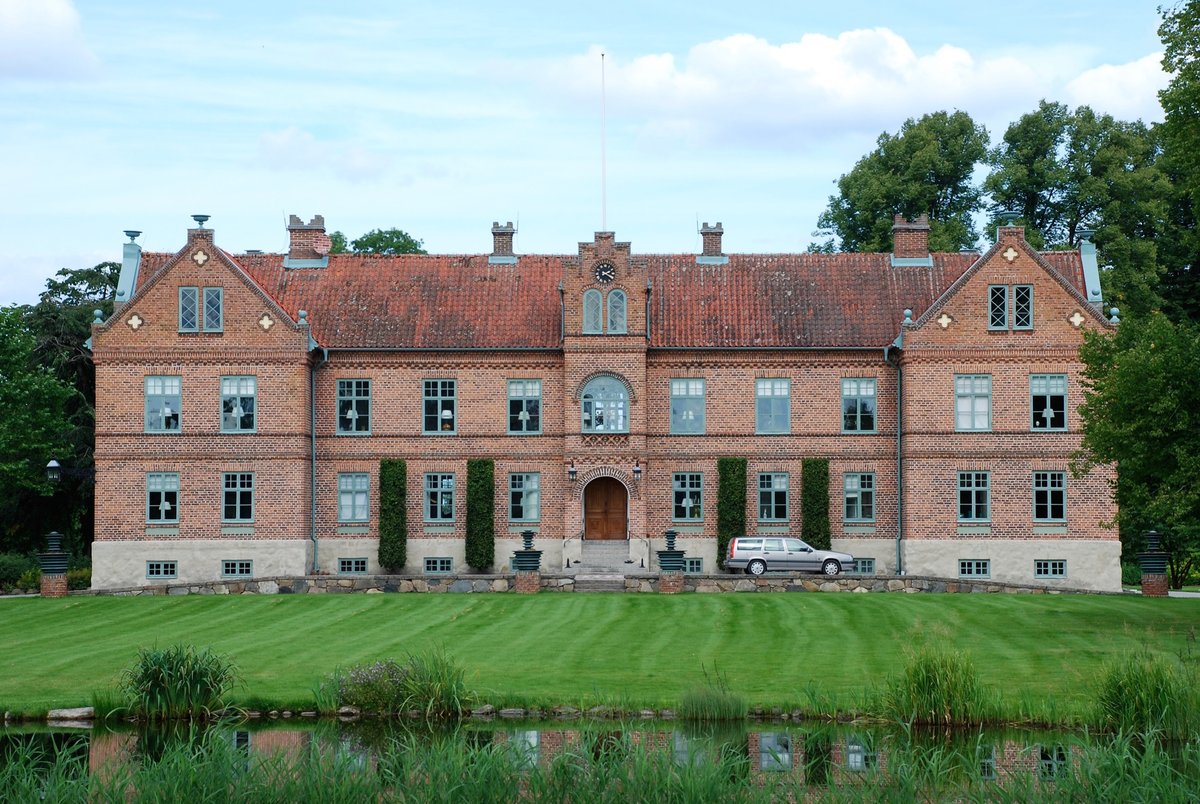
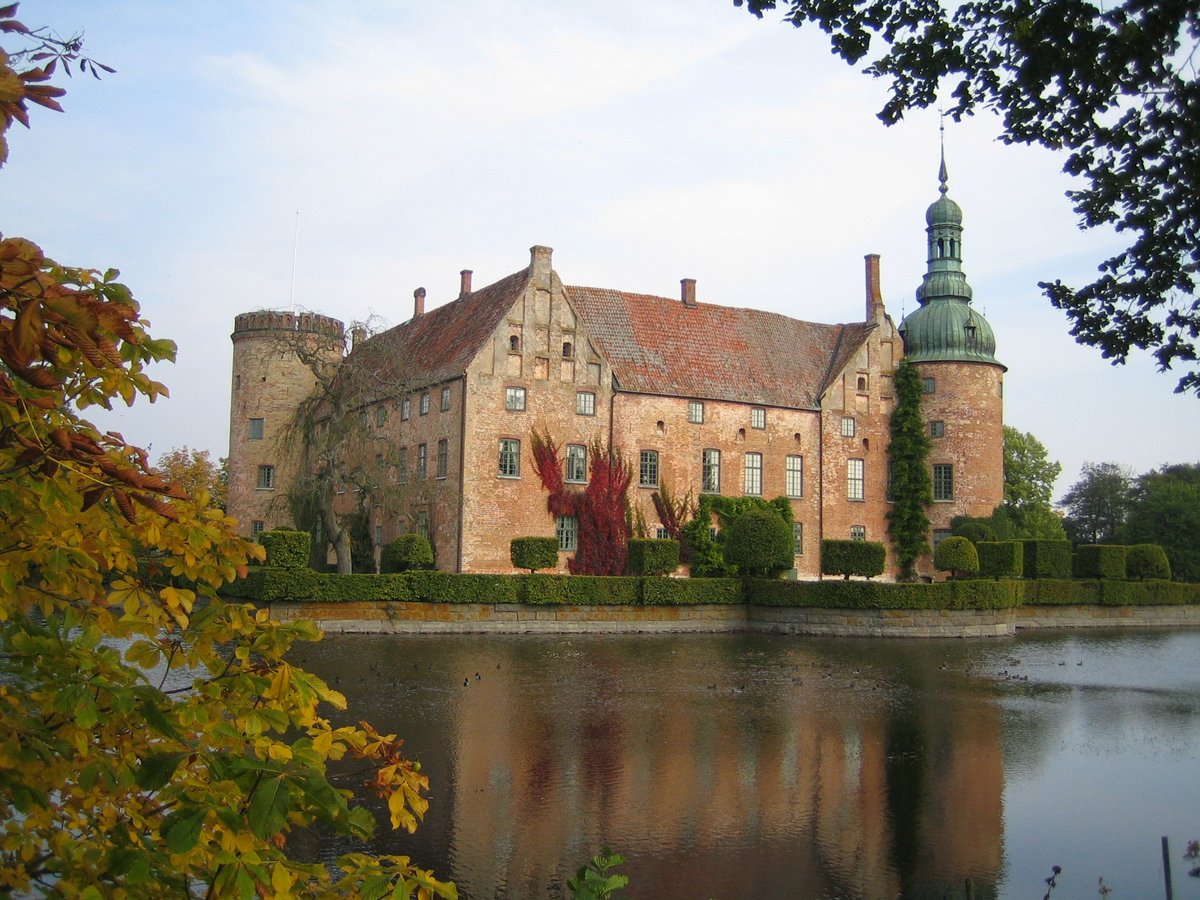
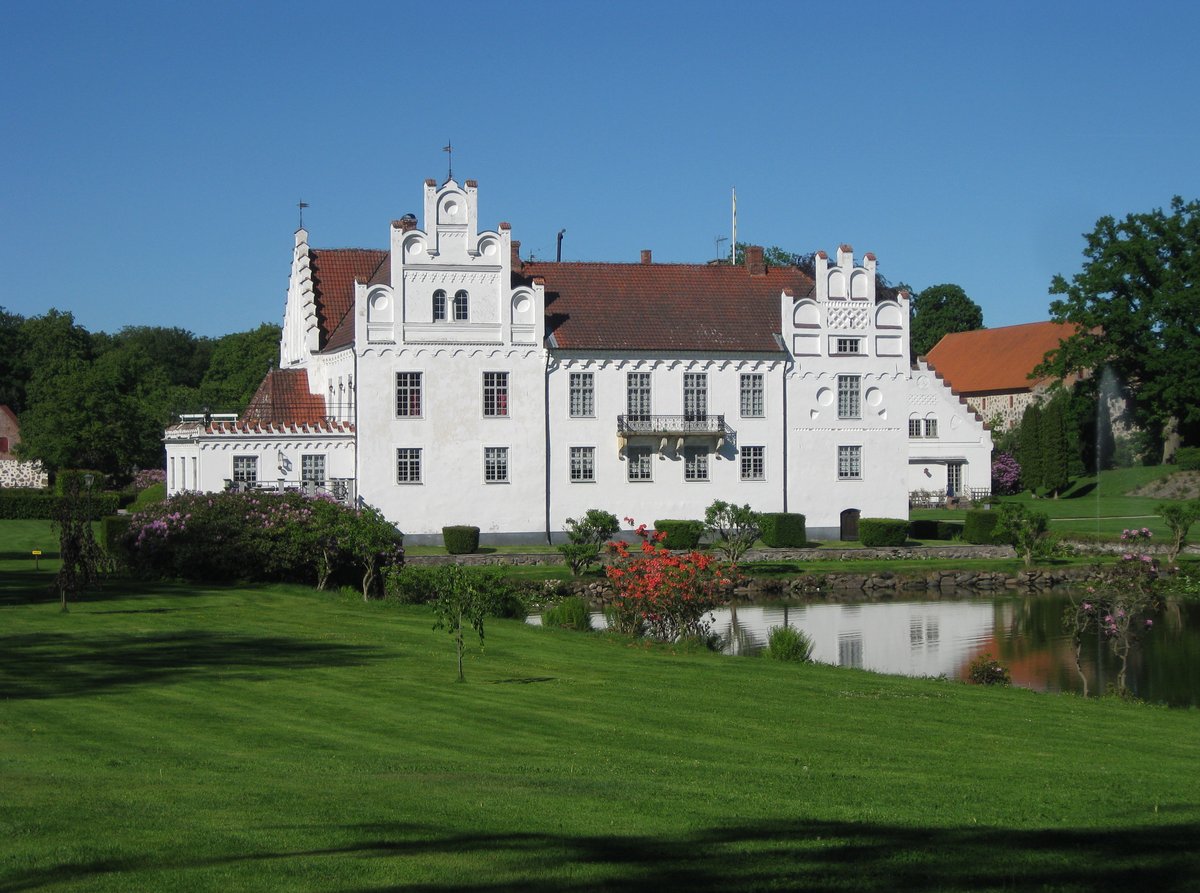
Step into this Renaissance structure, which sits on a small island surrounded by a moat and was shaped largely after 1621. We can trace its history through many transitions, from Danish noble ownership in the 1400s to its current status as a private estate. You can still see the marks of the Scanian War on the tower door, where bullet holes and cutting marks remain visible today.
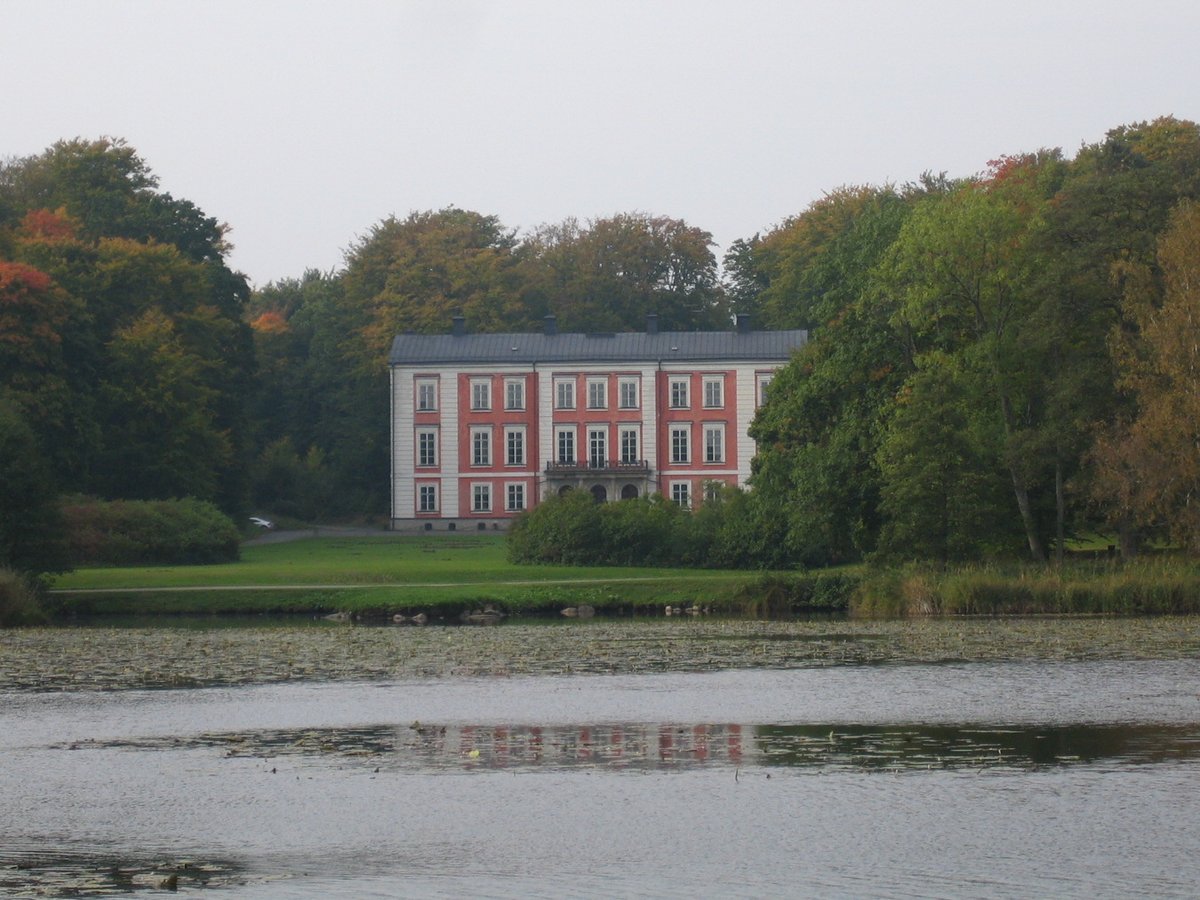
Inside, the castle houses richly decorated Rococo and Neoclassical rooms, including one of the finest private libraries in Sweden. While it remains a private residence, the grounds were famously visited by Carl Linnaeus in 1749. The castle continues to stand as a centerpiece of the local landscape, offering much to discover for those who look closer.
Sources: Wikipedia, OpenStreetMap, Wikidata, Wikimedia Commons
Written by Nik Frost
Discuss this with the author and others
No comments yet. Be the first to start the conversation.