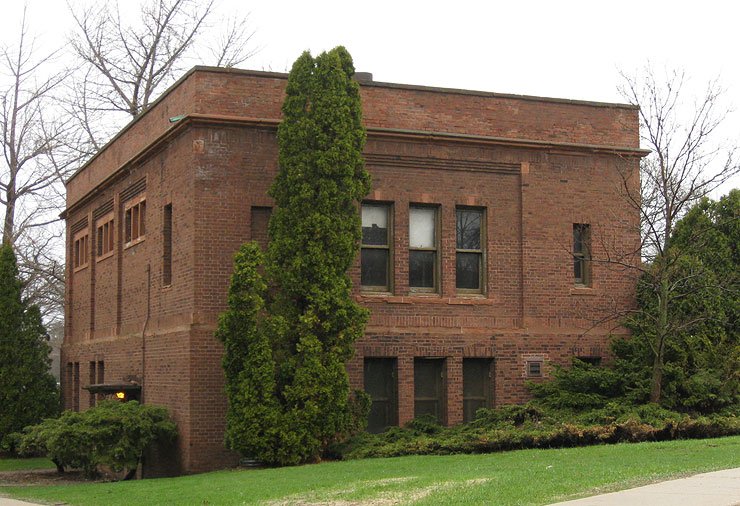
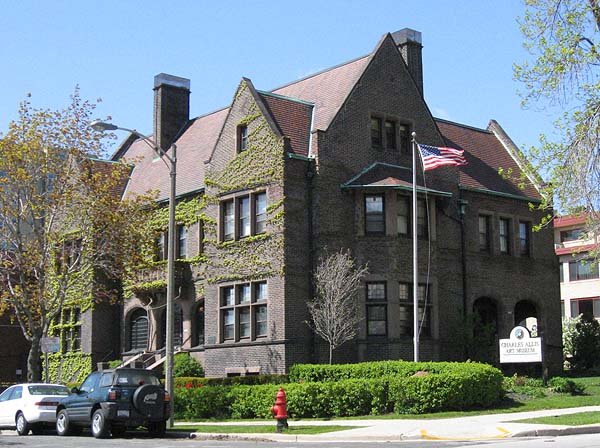
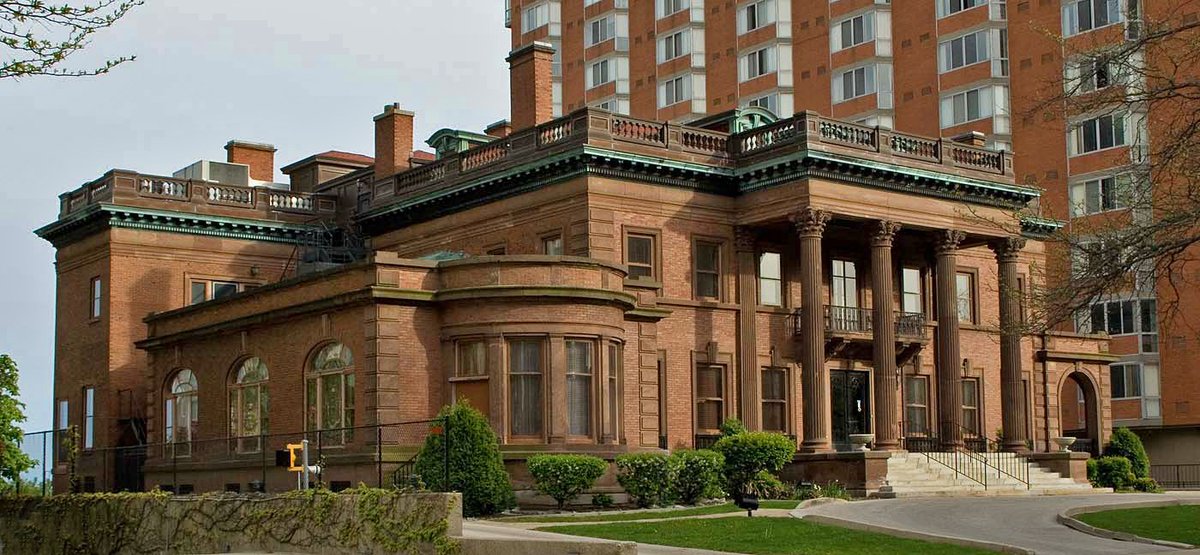
Welcome to the Greene Geological Museum, nestled in the heart of Milwaukee, Wisconsin. This museum has been preserving geological history for over a century. Under the care of the Department of Geosciences at the University of Wisconsin–Milwaukee, it was built in 1913 by the architect Alexander Eschweiler. The museum was designed to house the collection of Thomas A. Greene, an amateur geologist, plant collector, and fossil collector, who accumulated over 75,000 fossil specimens and a diverse mineral collection.
Greene’s collection showcases a wide array of Silurian marine invertebrates, Devonian fish and plant remains, and minerals and ores from localities across North America and overseas. Today, the building stands as a National Historic Landmark, recognized for the significance of the collection as a largely intact amateur geological collection.
While the collection has been removed from the building and is now displayed and housed in Lapham Hall on the UWM campus, the original fireproof building remains a significant site. The building has been renovated and is currently used as academic space for UWM's Sam and Helen Stahl Center for Jewish Studies. It preserves the history of a man who collaborated with other amateurs, such as Dr. Fisk Holbrook Day.
Sources: Wikipedia, OpenStreetMap, Wikidata, Wikimedia Commons

Written by No Other
Discuss this with the author and others
No comments yet. Be the first to start the conversation.