
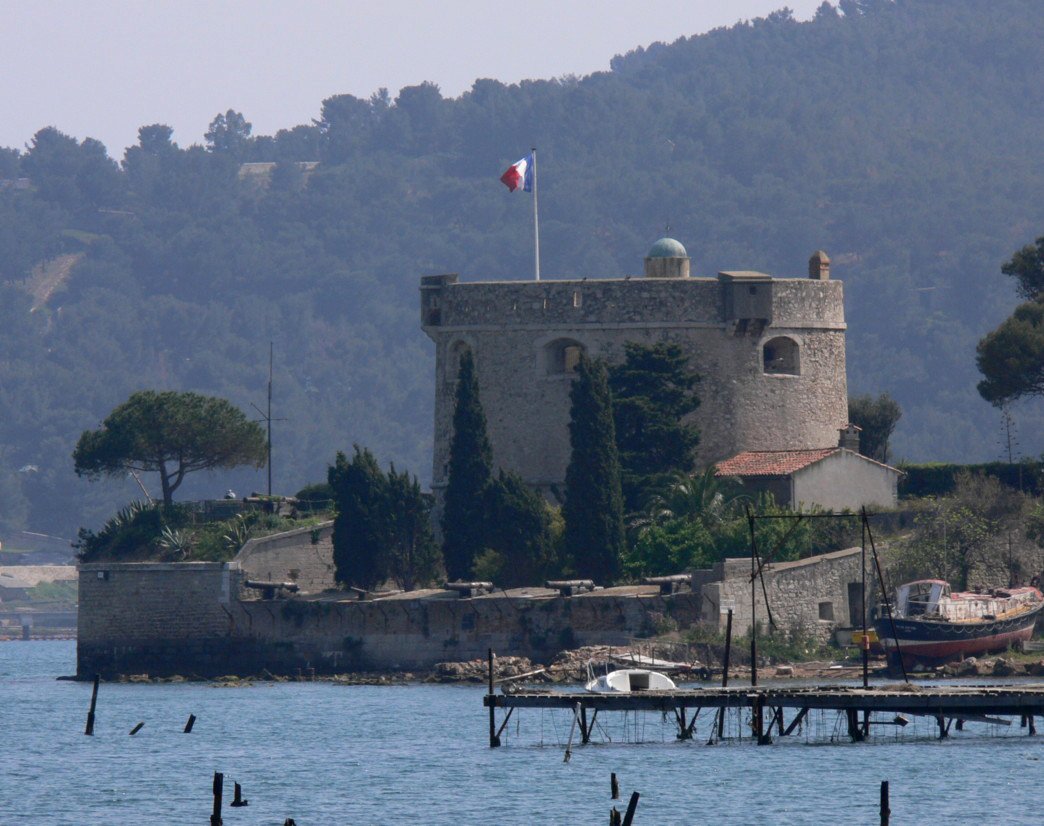
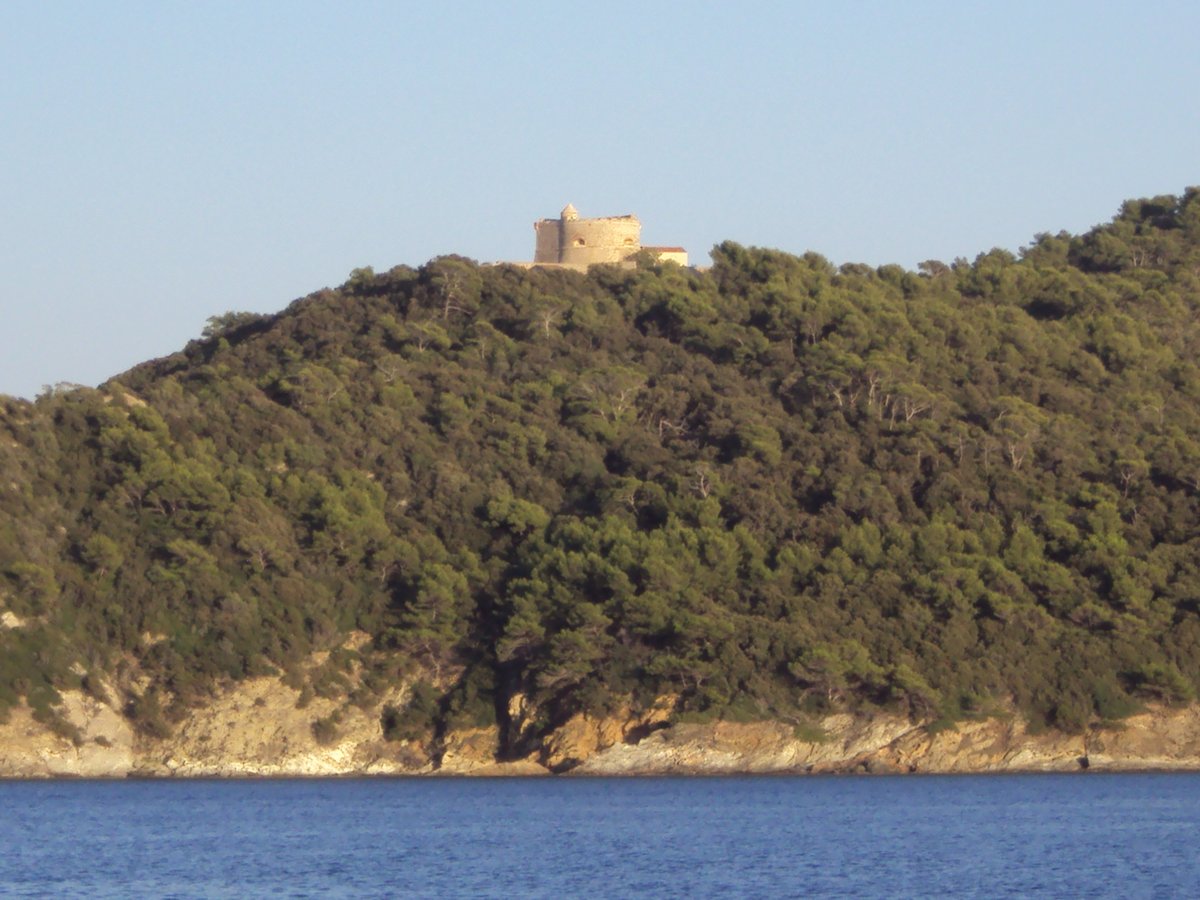
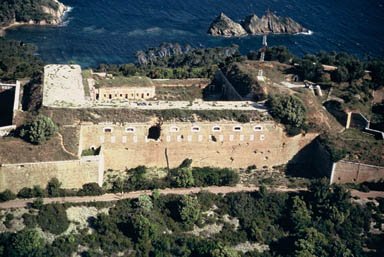
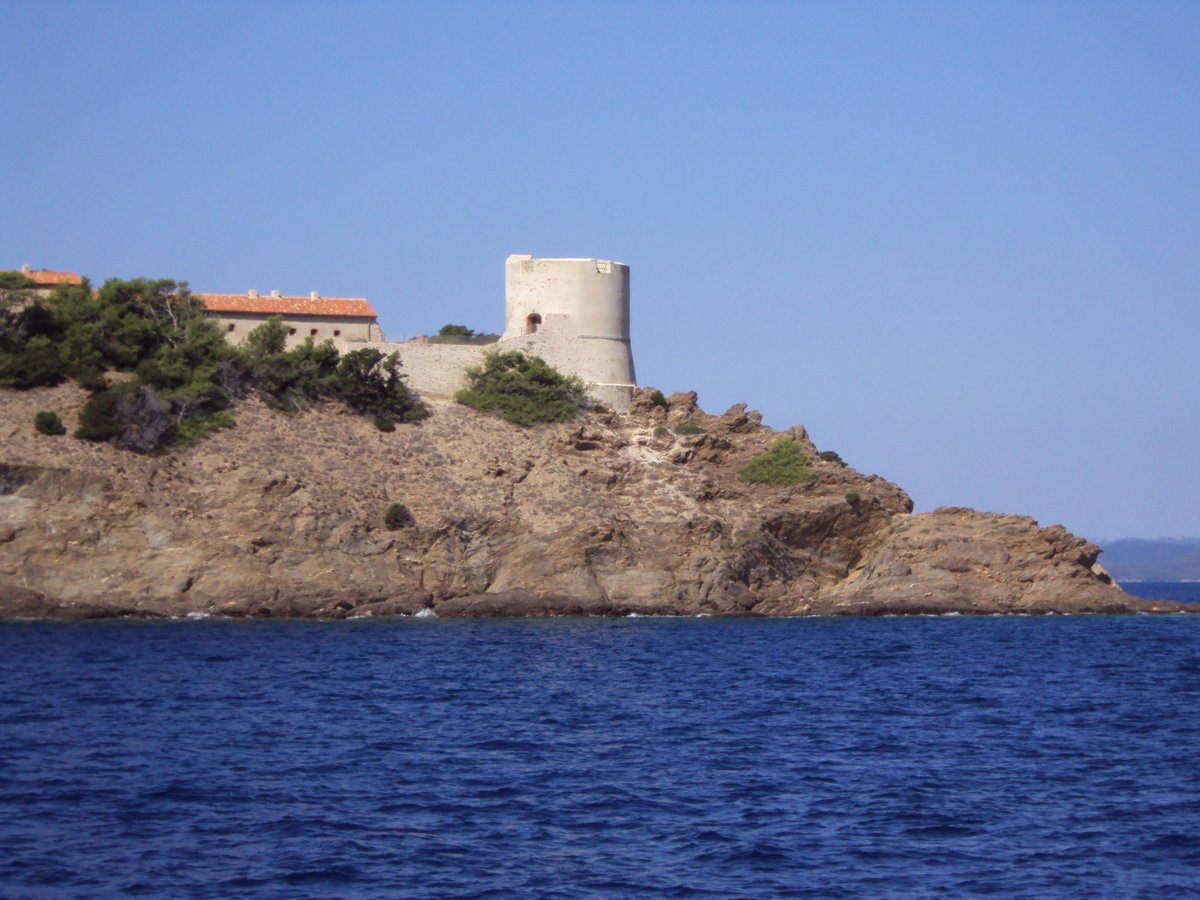
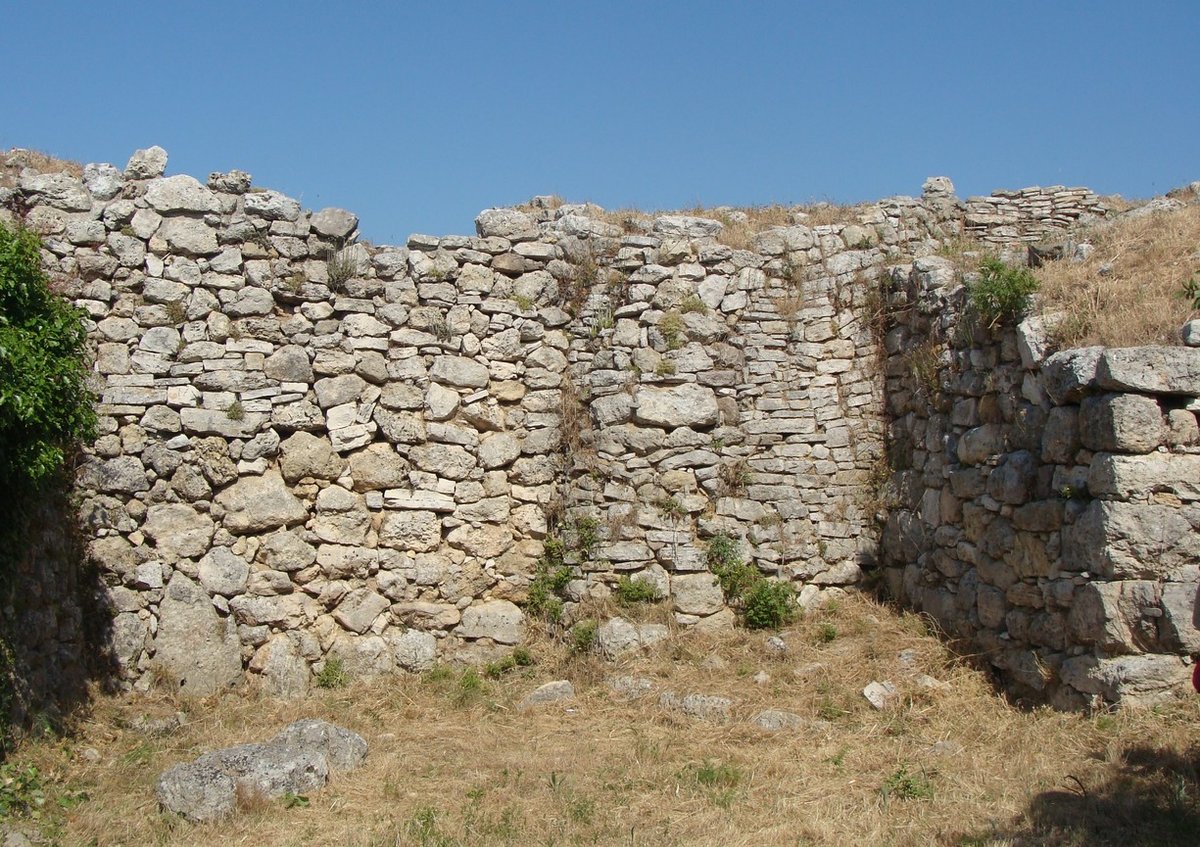
Louis XII ordered the Tour Royale in 1513 to watch over the port of Toulon. The locals eventually called it La Grosse Tour because of its sheer scale. It took ten years in the early 1500s to finish this Torrioni with its seven meter thick walls and sixty meter diameter.
Before the last stone was even set, the fort was captured by the army of Charles V. The Connetable de Bourbon avoided a long and costly siege by simply paying the commander of the fort 500 ecues to surrender. After the commander and garrison took their money and left, the fort was occupied by 300 Spanish mercenaries. This event led to the coining of an expression in Toulon, "to be sold like the Grosse Tour."
What secrets did these walls keep over the centuries? It housed artillery for the Ottoman fleet and gave sanctuary to Protestant families during the massacre of St. Bartholomew's Day. It served as a prison for political prisoners, Corsican rebels, and supporters of the Republic. In 1798, when Napoleon Bonaparte's fleet of 200 ships departed Toulon for Egypt, the future Empress Josephine watched the departure of the fleet from the Tour Royale. It guarded the gold of France during the Franco-German War and survived the Allied bombings of the 1940s.
Today, the tower functions as a museum. While the underground cells were filled in and some structures were removed, the casemates, circular galleries and embrasures for the cannon still remain as they were. A coastal path from the fort connects it to the beaches of Mourillon. It is open to the public from July until October on Wednesdays, Saturdays, and Sundays, from 9:00 until 12:00 and from 14:00 until 18:00.
Sources: Wikipedia, OpenStreetMap, Wikidata, Wikimedia Commons
Written by Nicolo Ciampini
Discuss this with the author and others
No comments yet. Be the first to start the conversation.