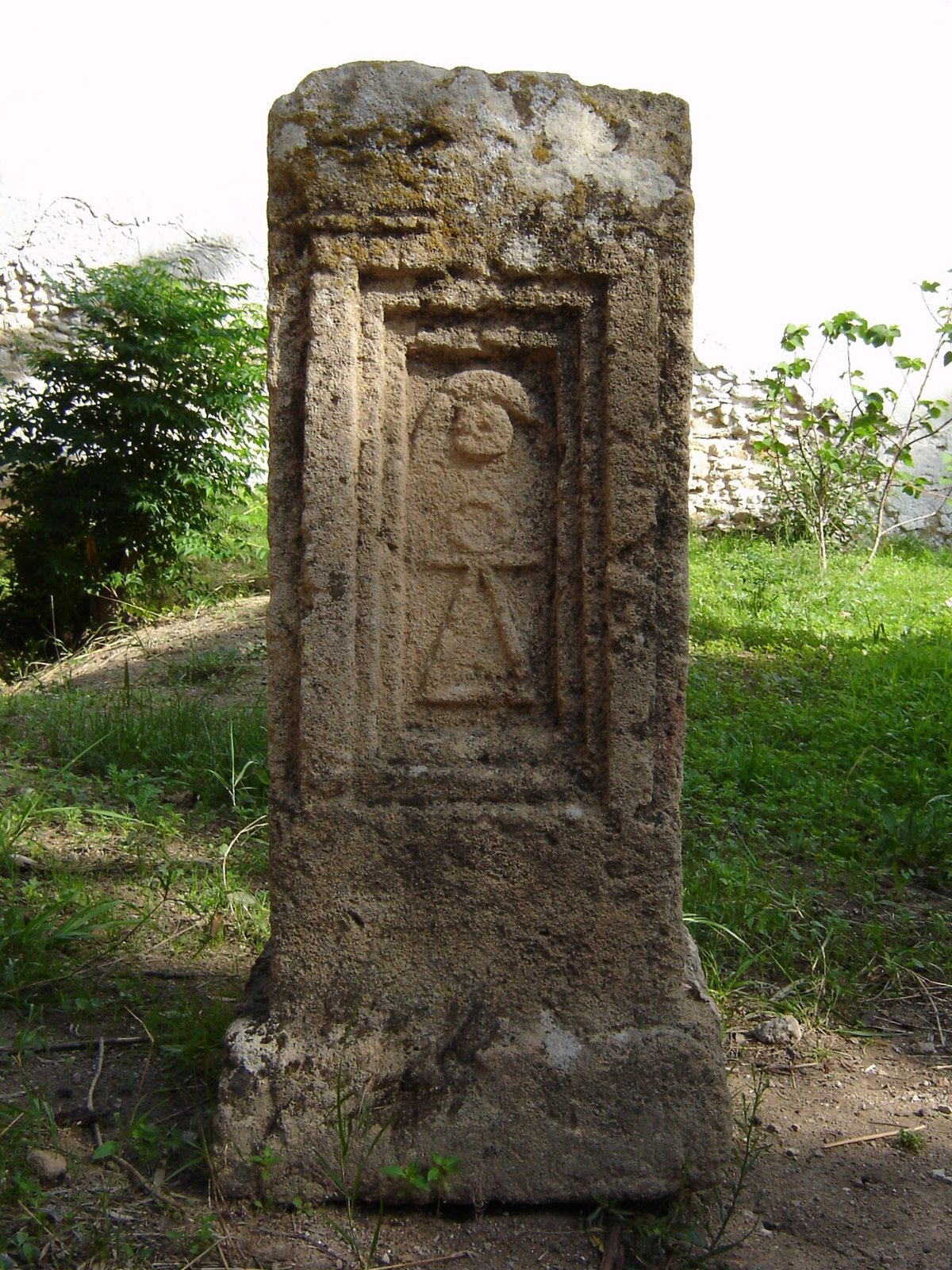
Nestled within the dream-like town of Carthage, in Tunisia, lies the Tophet - a spectral sanctuary, a relic of Phoenician and Punic belief systems, dedicated to the deities Tanit and Baal Hammon. This ancient, hallowed ground is marked by its vast number of children's tombs, numbering over 20,000. The question that lingers is whether these children were sacrificed or merely buried during times of war and turmoil. This melancholic labyrinth, a hallmark of faith, has played host to a chilling yet spellbinding tale that has influenced various works, such as Gustave Flaubert's novel, Salammbo, and the comic strip, Le Spectre de Carthage, by Jacques Martin.
However, the discourse over the reasons behind these burials remains a point of contention due to the discordant accounts in historical and archaeological records. The term 'tophet' was initially employed to denote a place akin to hell, close to Jerusalem; this name, taken from ancient texts, may lend a sinister interpretation to the rituals practiced here. The latest excavations were carried out between the years 1976 and 1979, revealing that the site occupies approximately 6,000 m2 and has been in continual use for six centuries.
During this excavation, approximately 20,000 urns were uncovered. The initial remains were subjected to forensic analysis, and the Tophet in Carthage consisted of stacked layers of earth, urns, and offerings. Today, the Tophet of Carthage stands as a silent testament to a once-thriving civilization, its whispers echoing questions left unanswered by the sands of time.
Sources: Wikipedia, OpenStreetMap, Wikidata, Wikimedia Commons
Written by Mutabor
Discuss this with the author and others
No comments yet. Be the first to start the conversation.