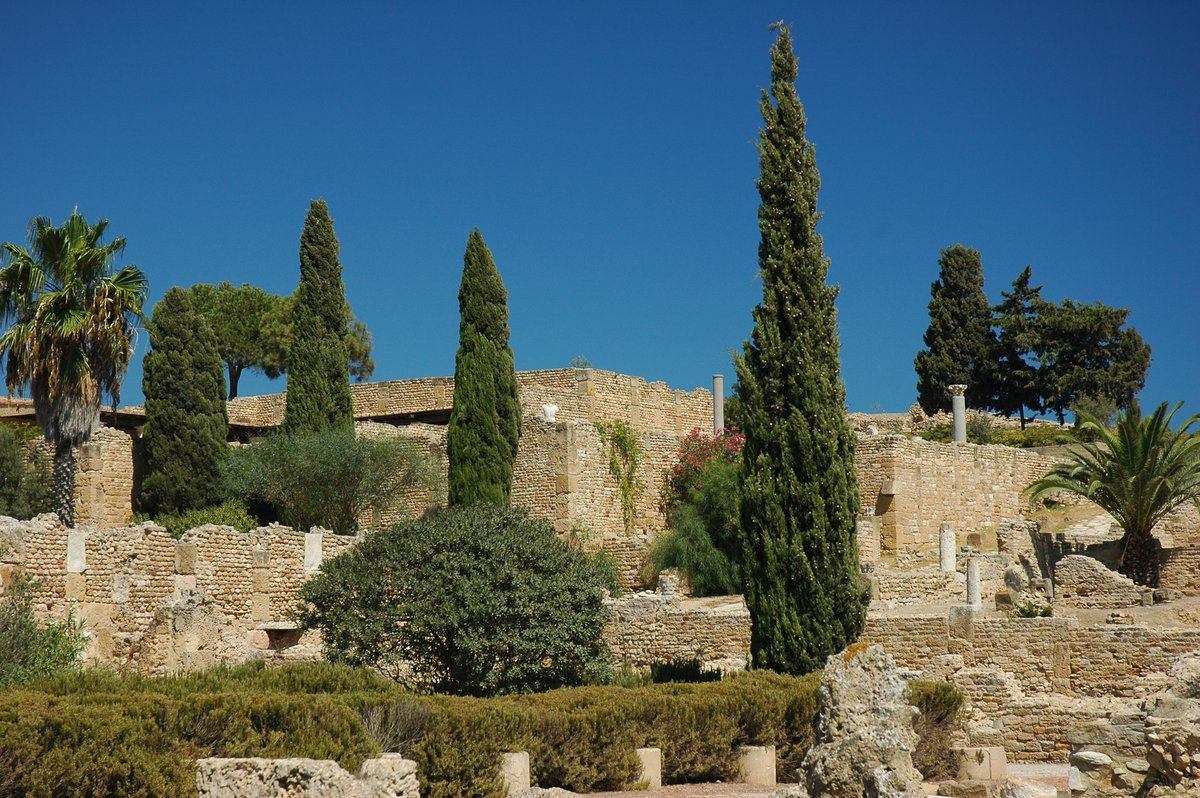

Between 49 and 44 BC, the Romans built a new city on the same land as the destroyed Punic Carthage. They named it Colonia Iulia Concordia Carthago. It grew into one of the largest cities of the Roman Empire, serving as a major breadbasket of the empire in the province of Africa.
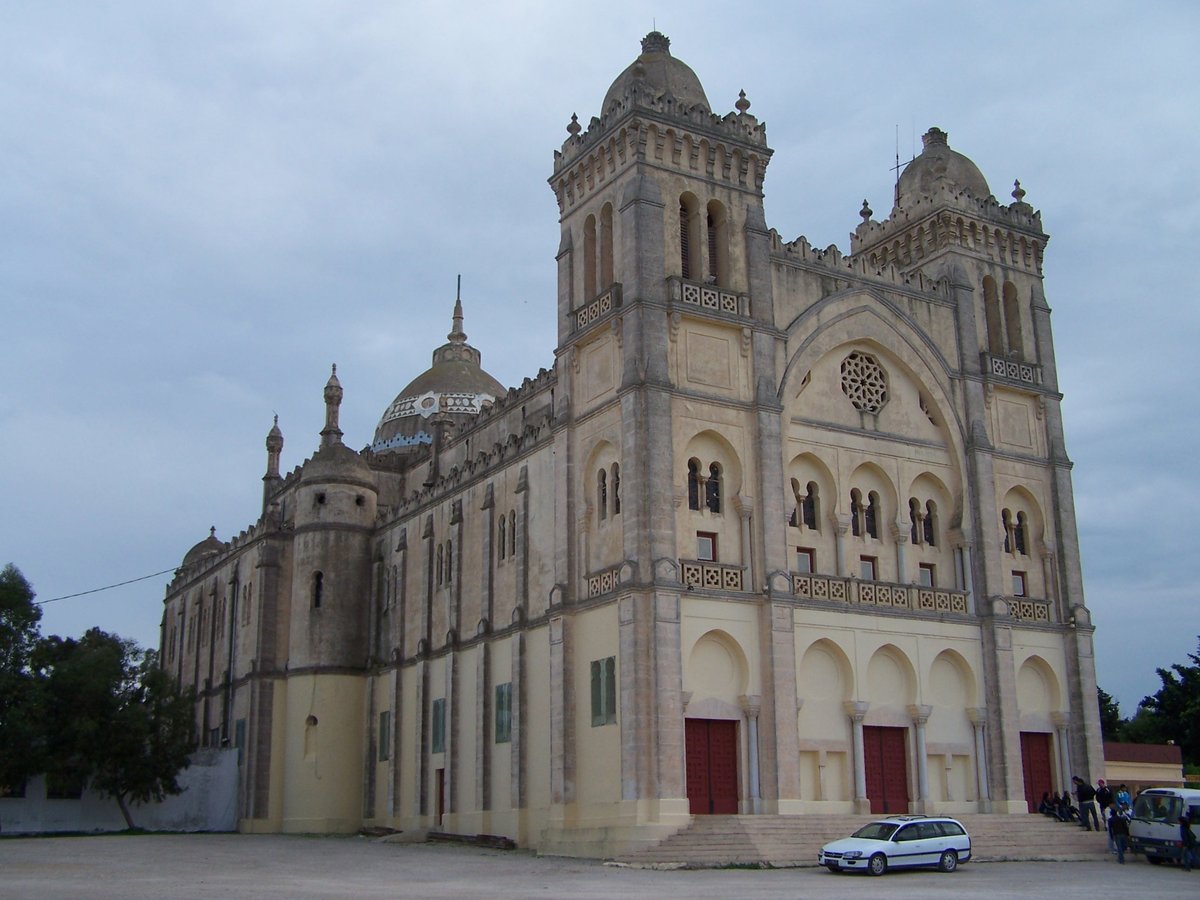
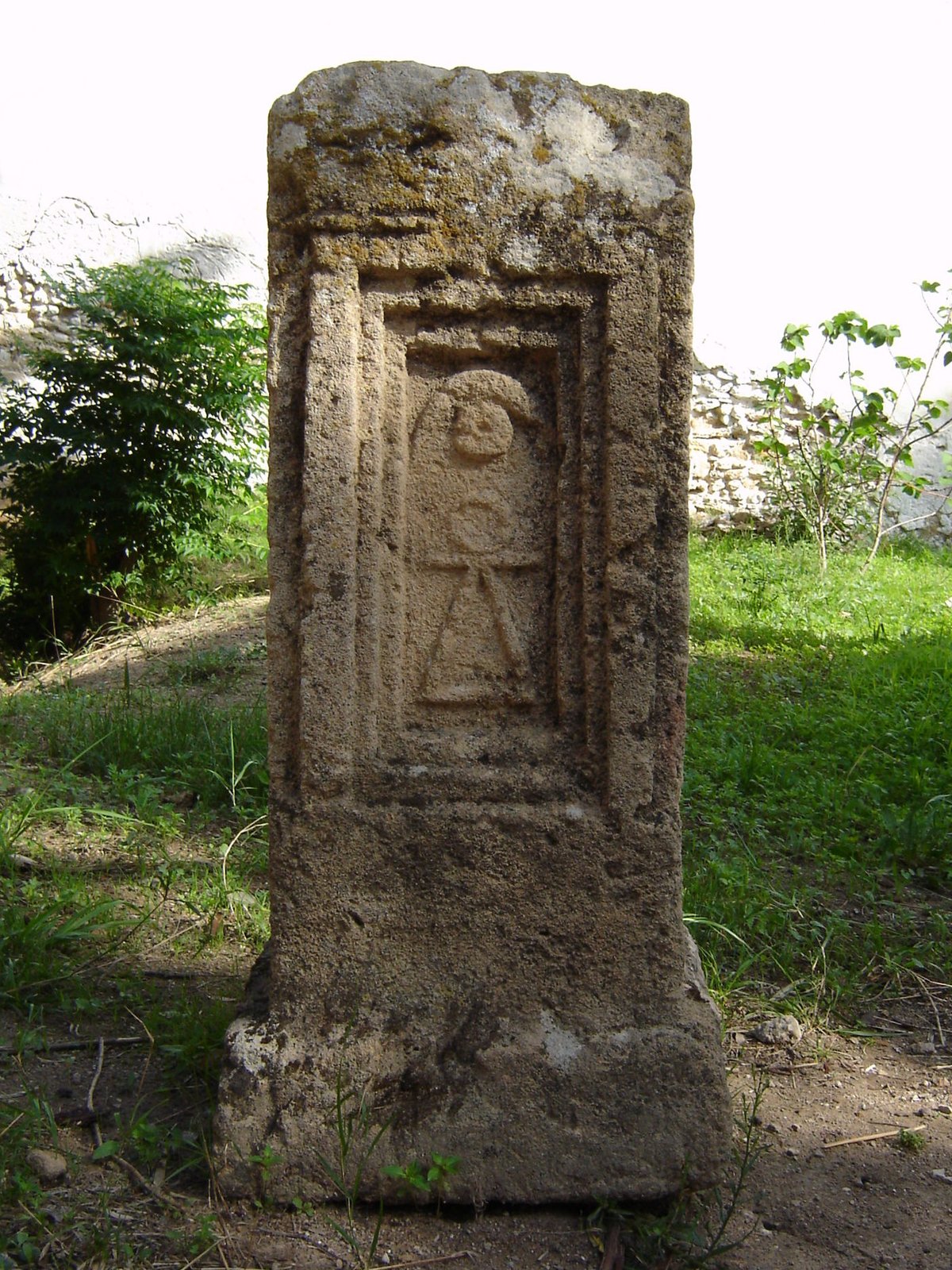
Within these streets, the people visited the temple of Juno Caelestis, dedicated to the City Protector Goddess Juno Caelestis. Her temple was one of the biggest building monuments of Carthage and became a holy site for pilgrims from all Northern Africa and Spain. They came to tread her grounds and beg for her blessing, making this site a beacon of devotion.
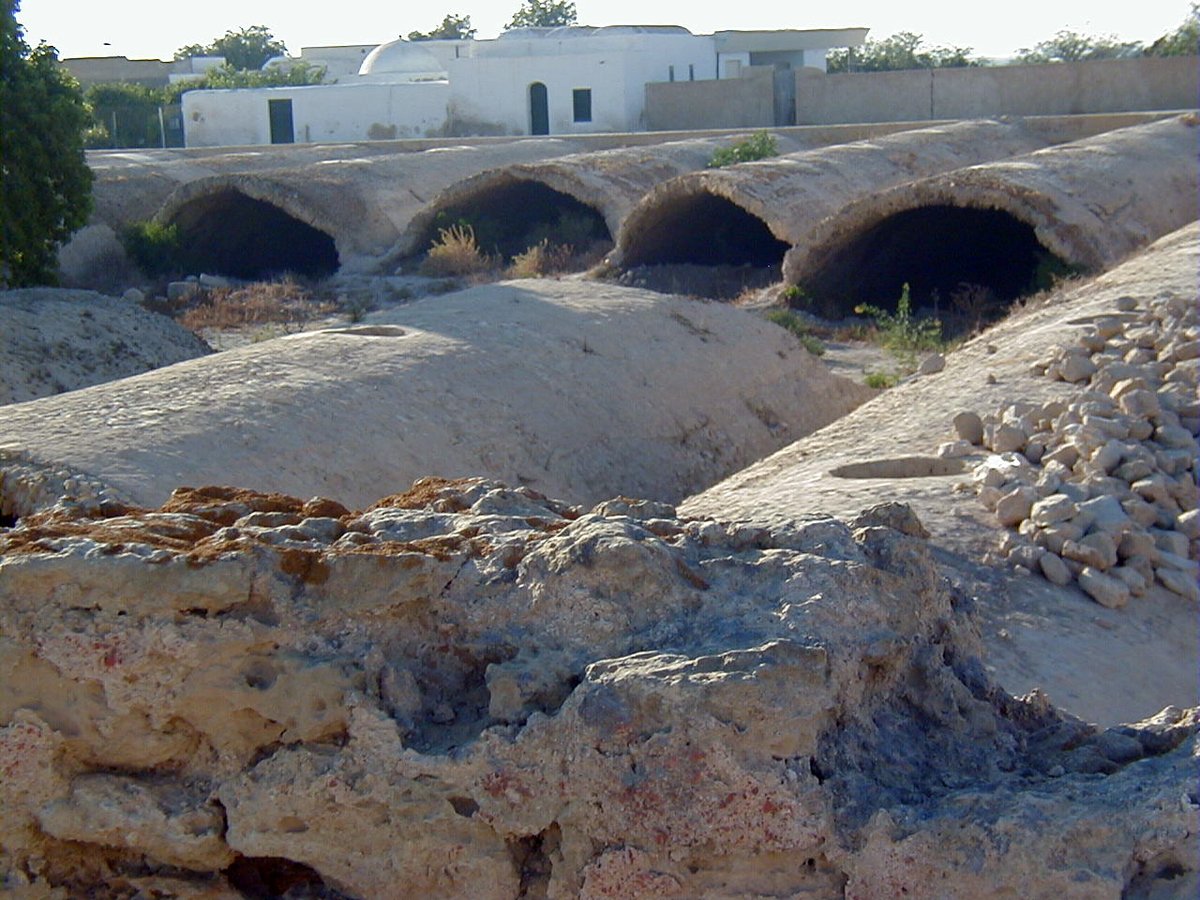
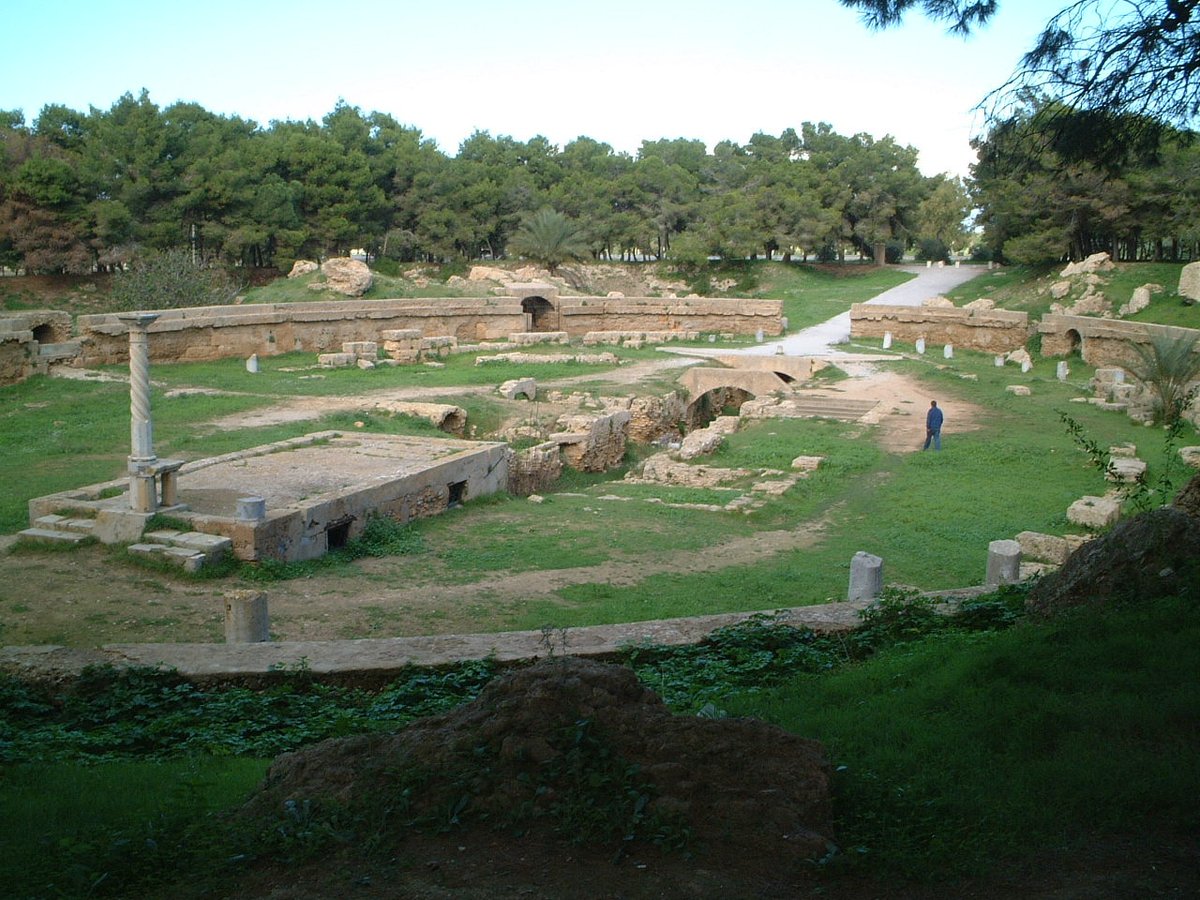
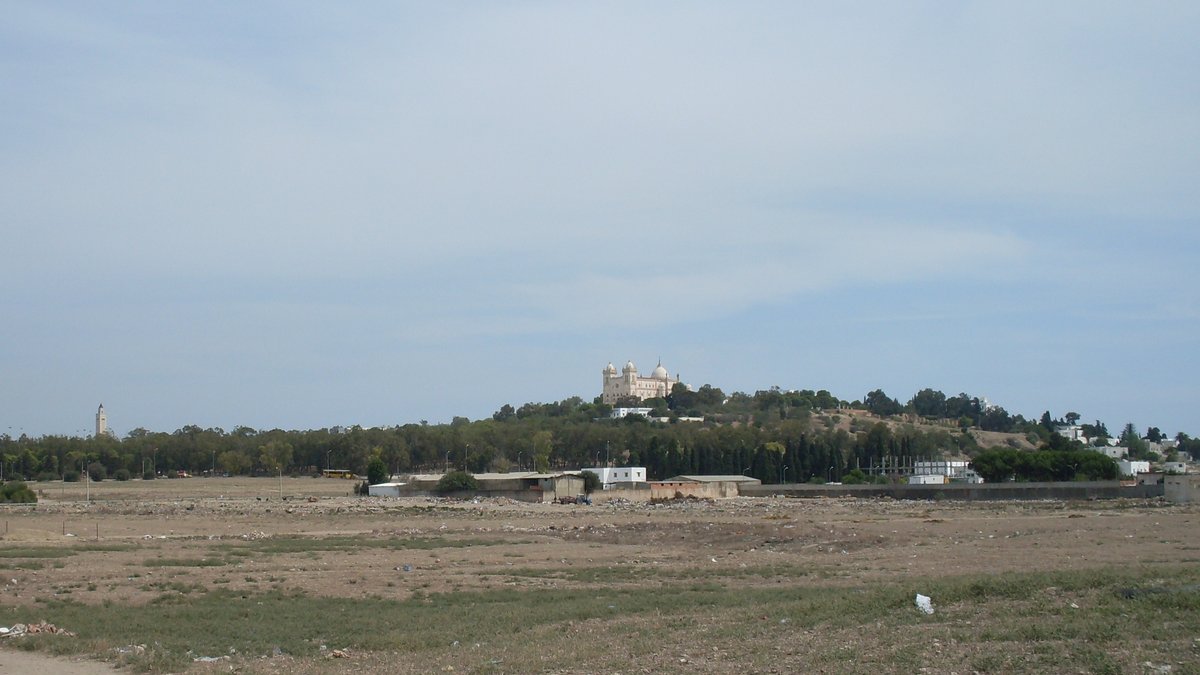
Time eventually withered the glory into ruins. The city was sacked and destroyed by Umayyad Arab forces in 698, and Roman Carthage was used as a source of building materials for Kairouan and Tunis in the 8th century. Today, the site remains part of the archaeological ruins of Carthage, where the remains of the old city are preserved.
Sources: Wikipedia, OpenStreetMap, Wikidata, Wikimedia Commons

Written by Mutabor
Discuss this with the author and others
No comments yet. Be the first to start the conversation.