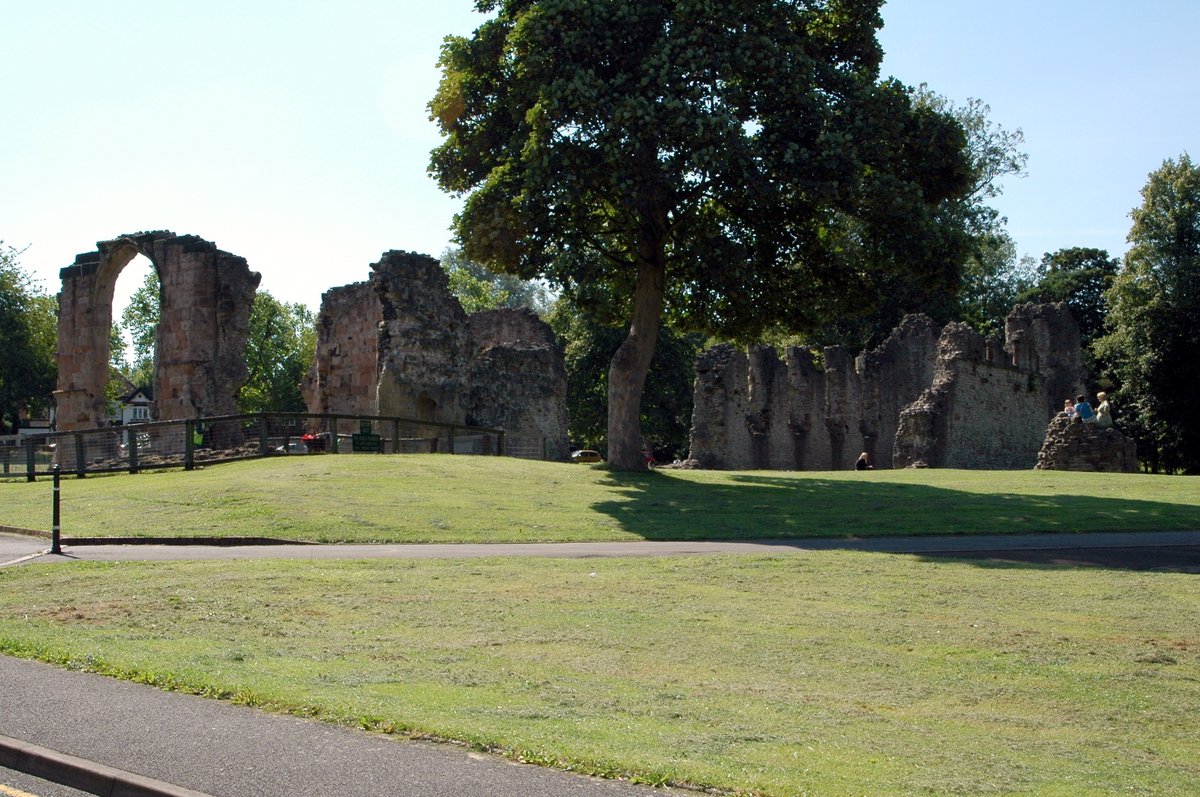

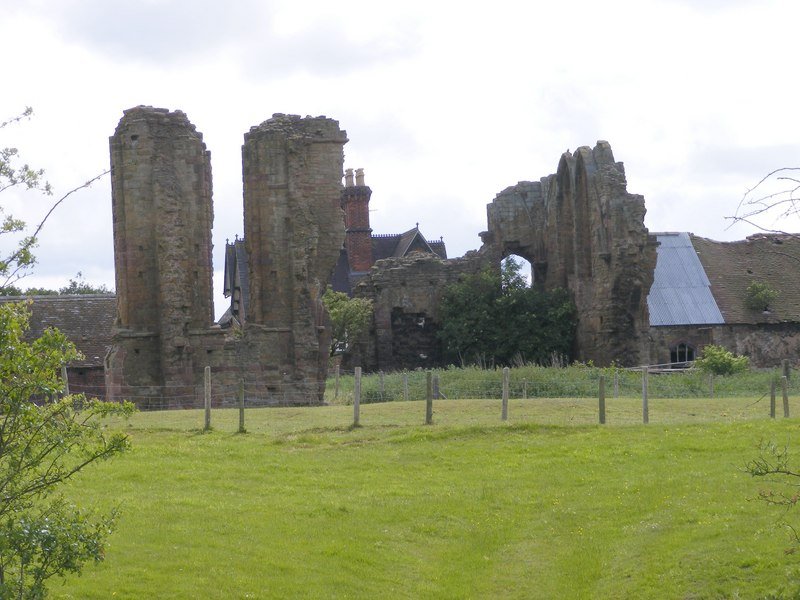
Gervase Paganel founded a Cluniac priory in 1160 in memory of his father. Established as a dependency of the Cluniac Priory of Much Wenlock, the site was dedicated to Saint James and built from local limestone quarried from Wren's Nest. The first known prior was named Osbert. By a papal mandate in 1238, the town of Dudley and its churches were assigned to the bishop of Worcester, while the castle and priory remained under the jurisdiction of the bishop of Coventry and Lichfield.
The priory was enlarged after its founding. A surviving 14th-century archway leads to the area of the Lady chapel, which is believed to have been constructed by the Sutton family. Though the priory was dissolved in 1395, it was refunded as a denizen priory shortly thereafter. It was eventually closed by King Henry VIII in the 1530s as part of the nationwide Dissolution of the Monasteries.
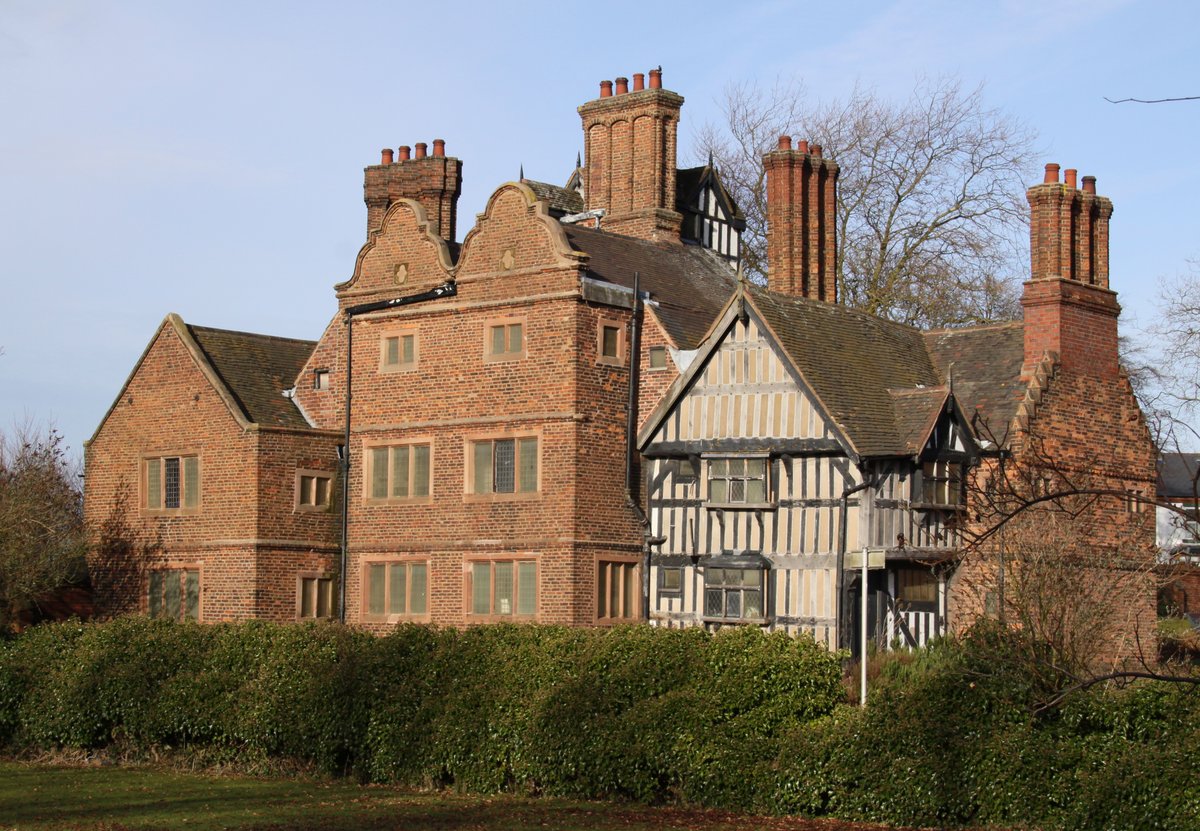
Following the dissolution, the priory was granted to Sir John Dudley, 1st Duke of Northumberland, in 1540. After his execution, the buildings fell into disrepair and became ruinous. In the 18th century, parts of the church ruins were used by a tanner, a thread manufacturer, and for grinding glass and polishing steel. The surrounding area became industrialised, and by 1825, Priory Hall was constructed nearby.
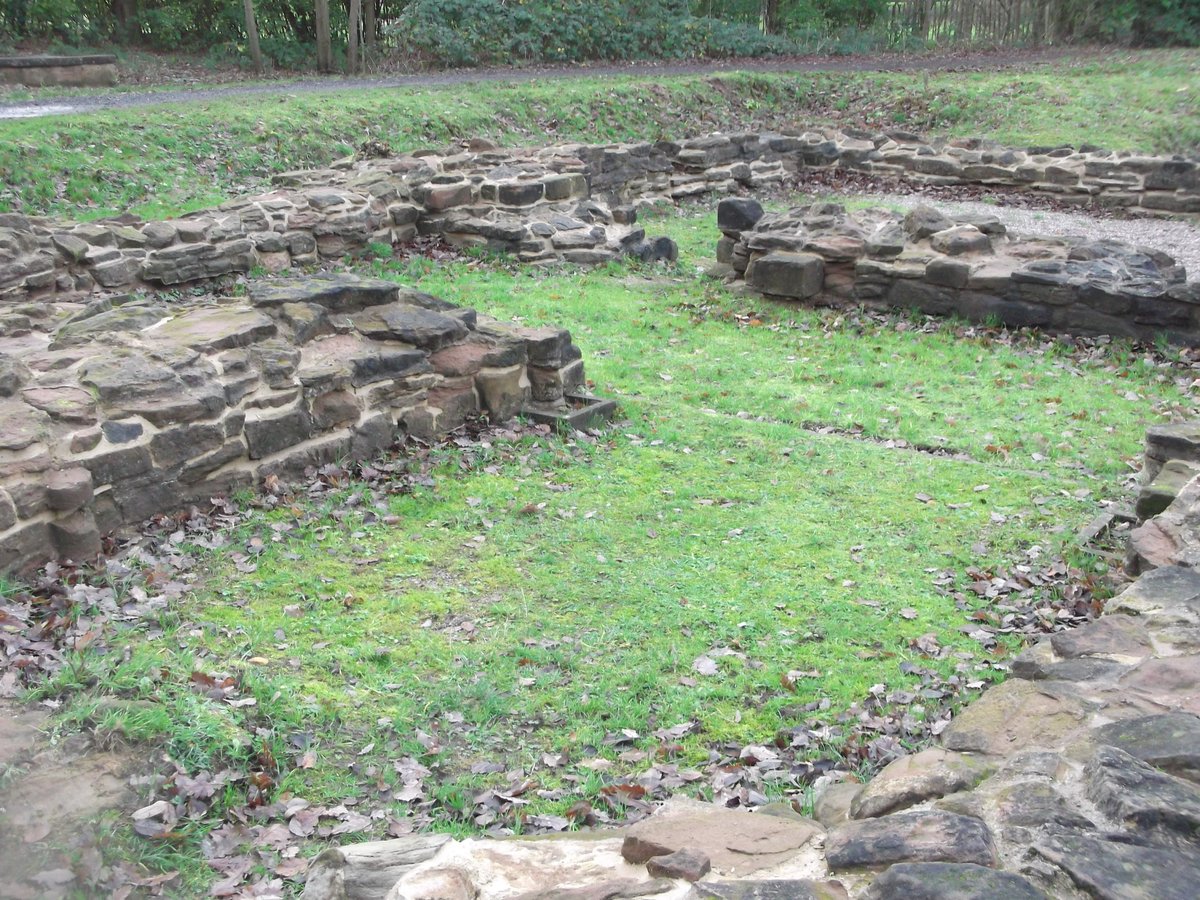
In 1926, Dudley County Borough council purchased the priory and surrounding rural land to develop a new residential area. The site was incorporated into Priory Park to serve the new Priory Estate. In 1939, archaeologist Rayleigh Radford excavated medieval tiles and placed stone lines in the grass to mark out the walls of the rooms and cloisters.
Sources: Wikipedia, OpenStreetMap, Wikidata, Wikimedia Commons
Written by Nicolo Ciampini
Discuss this with the author and others
No comments yet. Be the first to start the conversation.