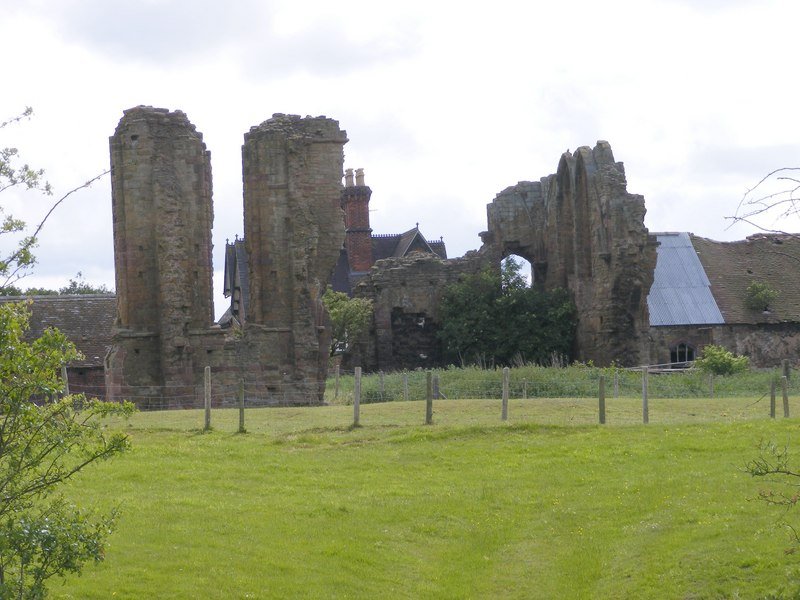

Halesowen Abbey originated from a grant of the manor of Hales by King John to Peter des Roches in 1214, intended to allow the founding of a religious house of any order. Although the Premonstratensian order, known as the White Canons, established a community at Halesowen by 1215, the official date of inauguration was 1218. This delay may stem from specific theological attitudes, such as the requirement for a chapter of at least 13 members and the need for an abbey church to be consecrated before a house was considered fully established.
Substantial building work was underway by 1218, as Peter des Roches received a royal grant of £17 3s. 4d. to meet the costs. By 1223, instructions were issued to procure structural members and wood for melting lead, suggesting that significant roof work was being undertaken. The abbey eventually became a mother house, providing canons to found Titchfield Abbey in Hampshire.
Life within the abbey was not always peaceful. Surviving manorial court records portray a discontented community that engaged in many acts of resistance and at one point even challenged the abbey's existence. The abbey was moderately prosperous and survived the suppression of the lesser monasteries until it was finally dissolved in 1538.
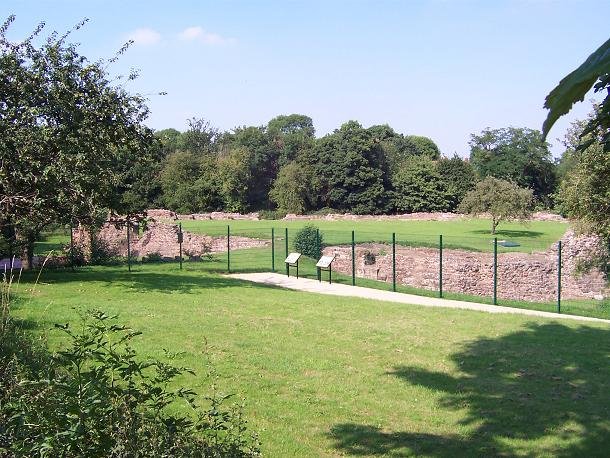
In the late 15th century, the order's visitor uncovered widespread sexual exploitation of local women by the canons, who observed the Rule of St Augustine to varying degrees. Today, only the ruins of the once-prosperous estate remain in the Halesowen region.
Sources: Wikipedia, OpenStreetMap, Wikidata, Wikimedia Commons

Written by Nicolo Ciampini
Discuss this with the author and others
No comments yet. Be the first to start the conversation.