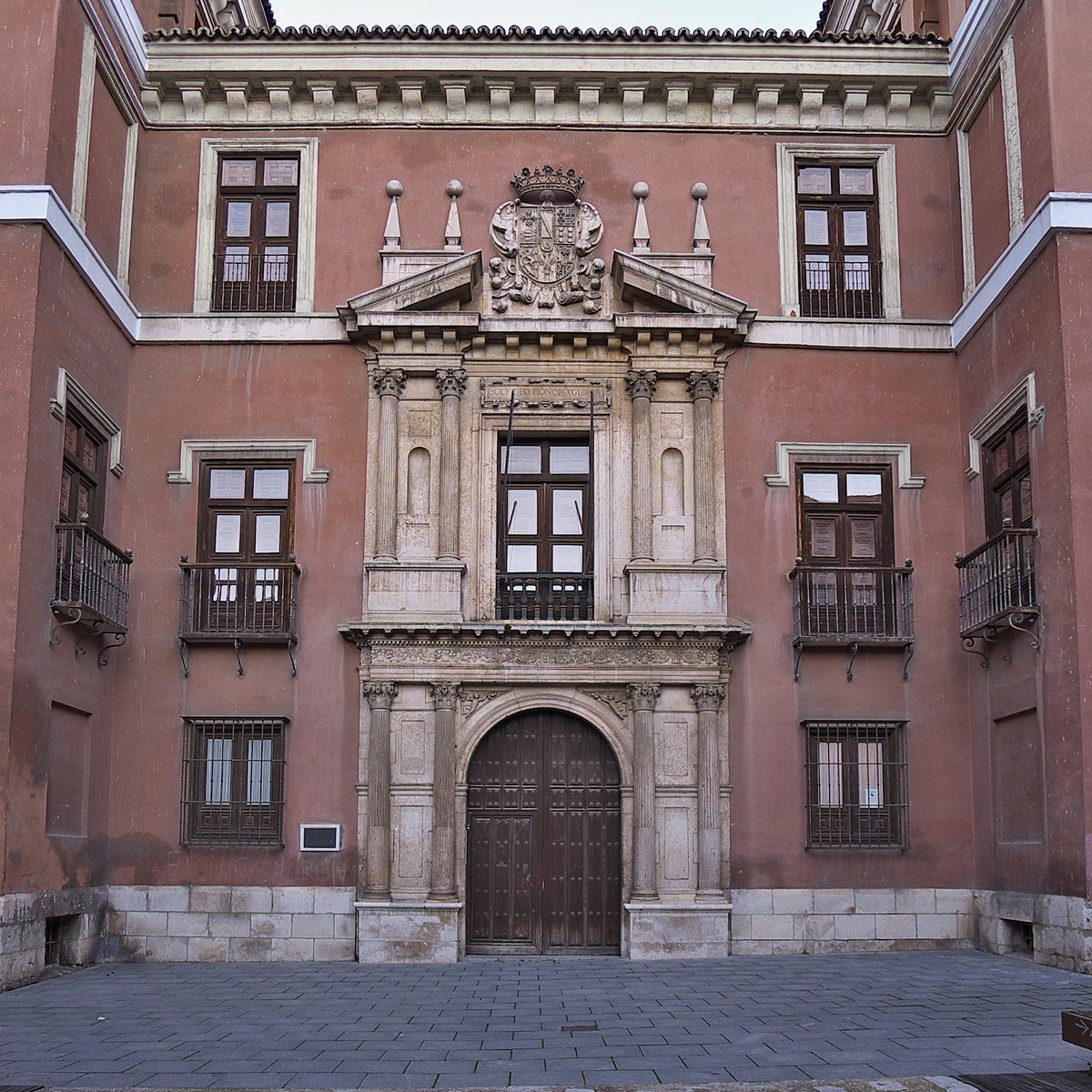

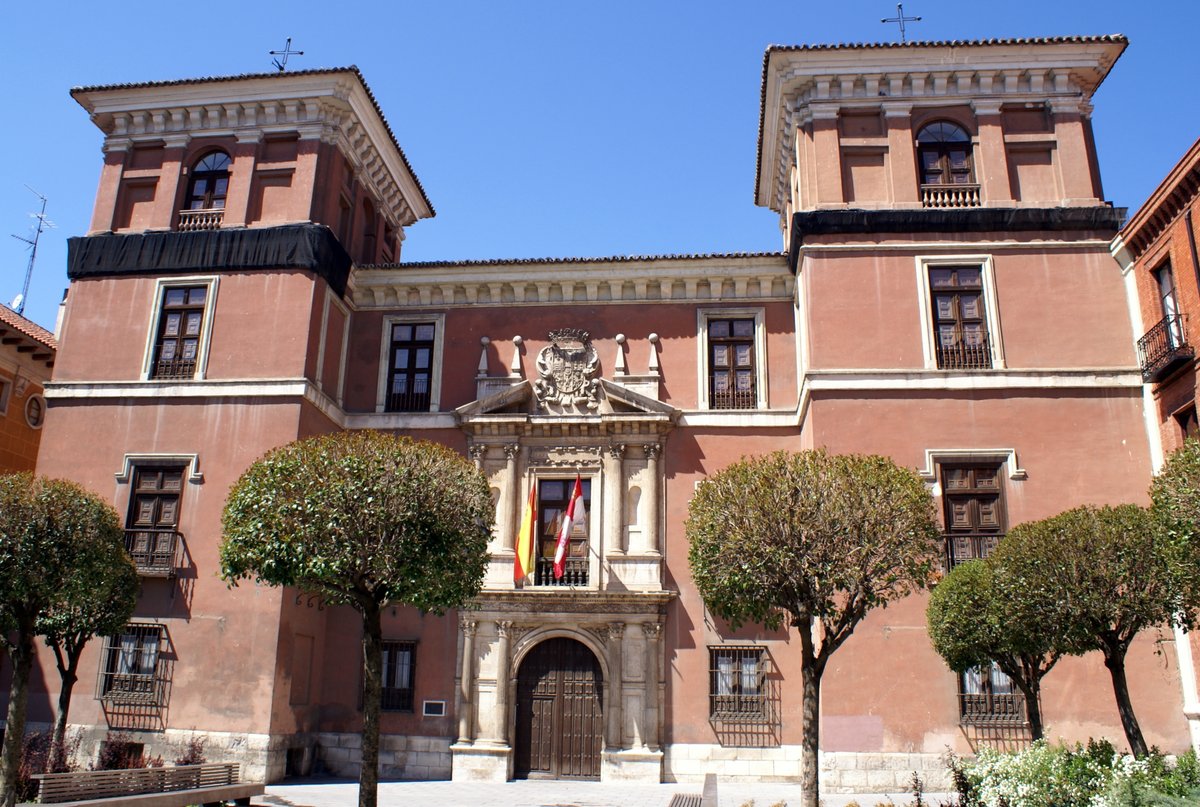
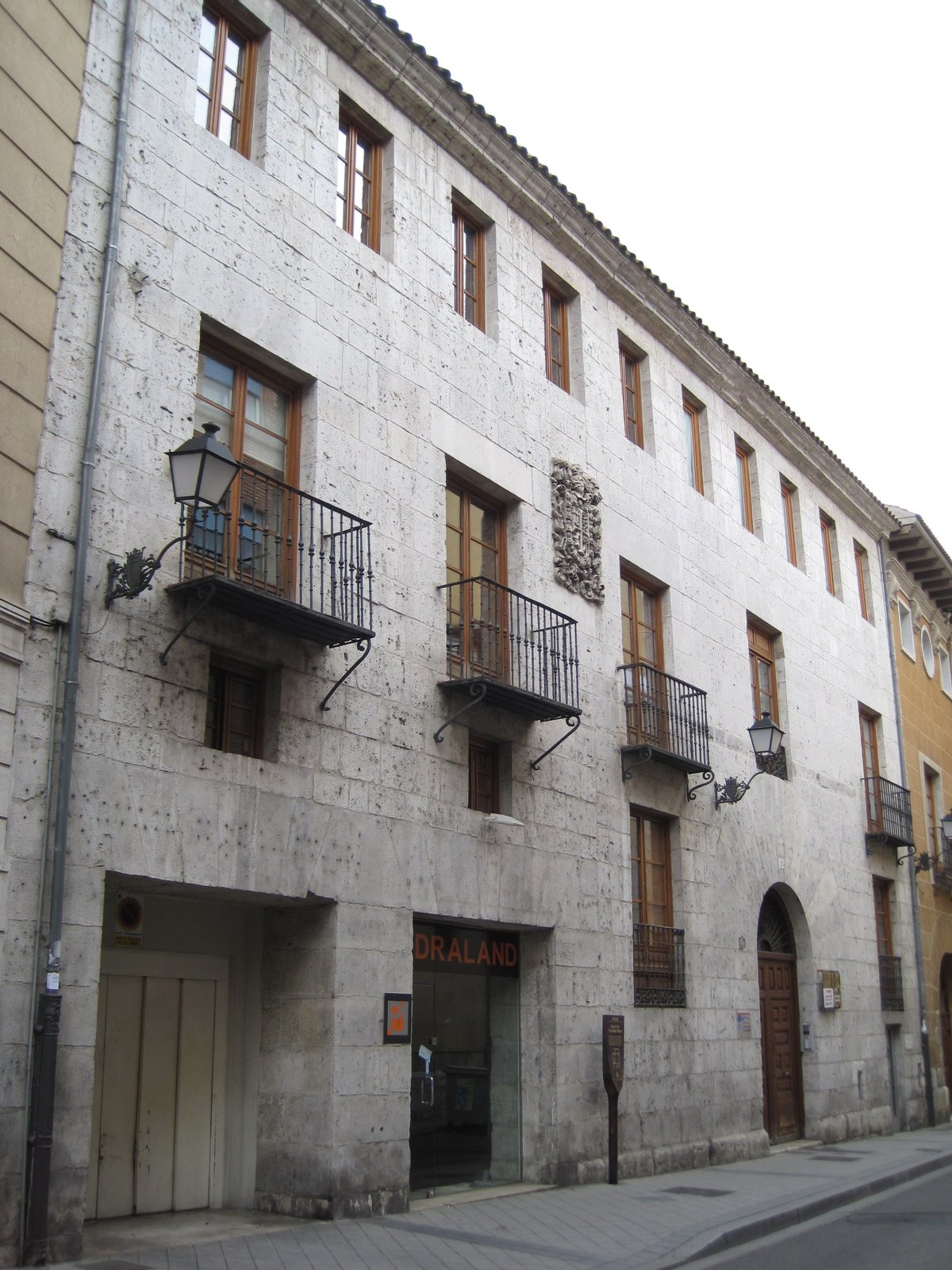
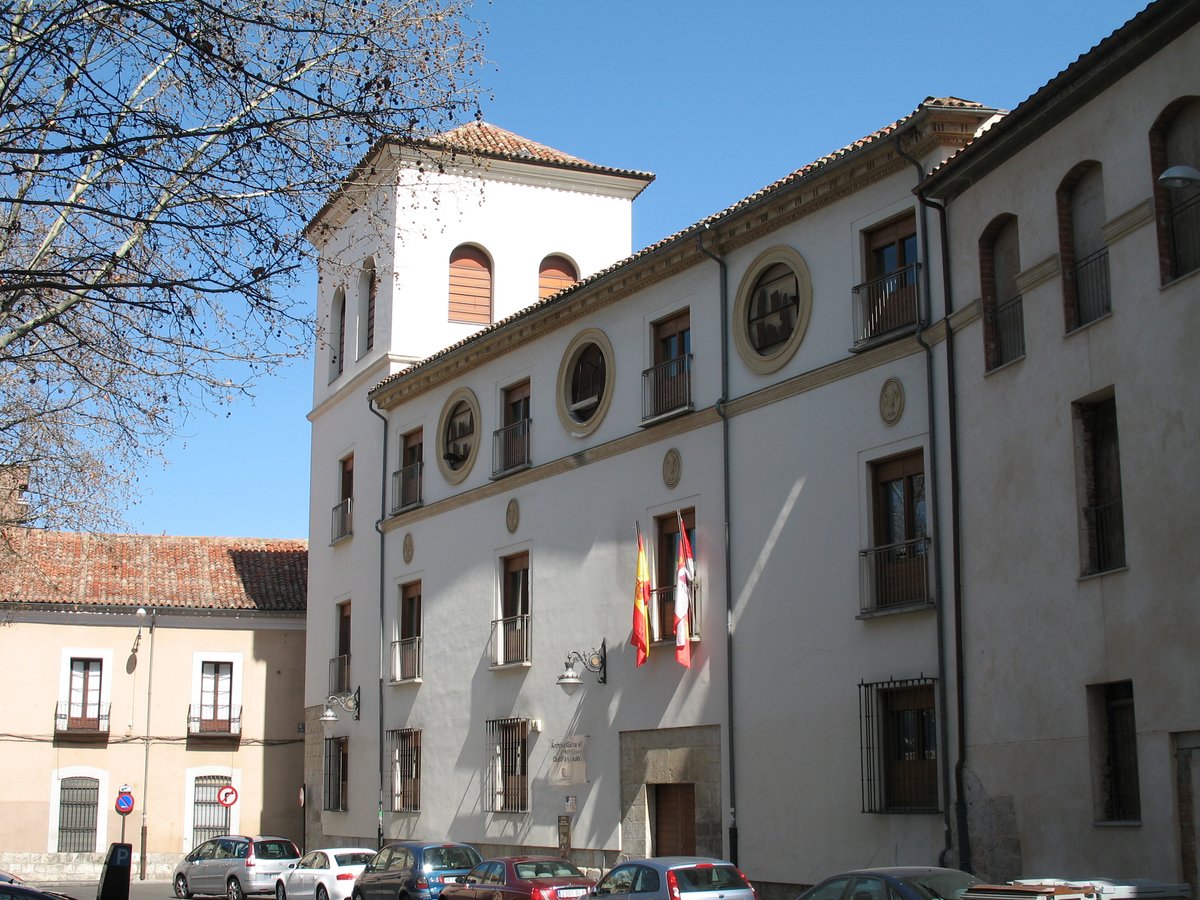
Step back in time at the Museo de Valladolid, housed within the Palacio de Fabio Nelli de Espinosa. Established as the Museo Provincial de Antigüedades in 1879, the museum serves as the repository for all materials exhumed in archaeological interventions across the province of Valladolid. Its collection is divided into two distinct sections: Archaeology and Bellas Artes.
The Archaeology section features a chronological sequence of pieces from the Paleolithic to the Middle Ages. The Bellas Artes section, located on the second floor, reúne a varied collection of paintings on panel, goldsmithing, enamels, ivory, furniture, and ceramics. Notable works include a Santa Catalina by Juan Rodríguez de Toledo, several paintings by the 16th-century artist Antonio Vázquez, a Flagelación by Juan Correa de Vivar, the Adoración de los Pastores by Vicente Masip, and a Virgen con el Niño by the circle of Juan de Juanes.
The museum's history dates back to a 1867 royal decree creating provincial museums. It moved to its current building in 1968 after the State acquired the palace in 1942. Today, the museum displays pieces ranging from the appearance of man in the province 500,000 years ago to the present day, including the Campaniforme funerary set from Fuente-Olmedo.
Sources: Wikipedia, OpenStreetMap, Wikidata, Wikimedia Commons
Written by Nik Frost
Discuss this with the author and others
No comments yet. Be the first to start the conversation.