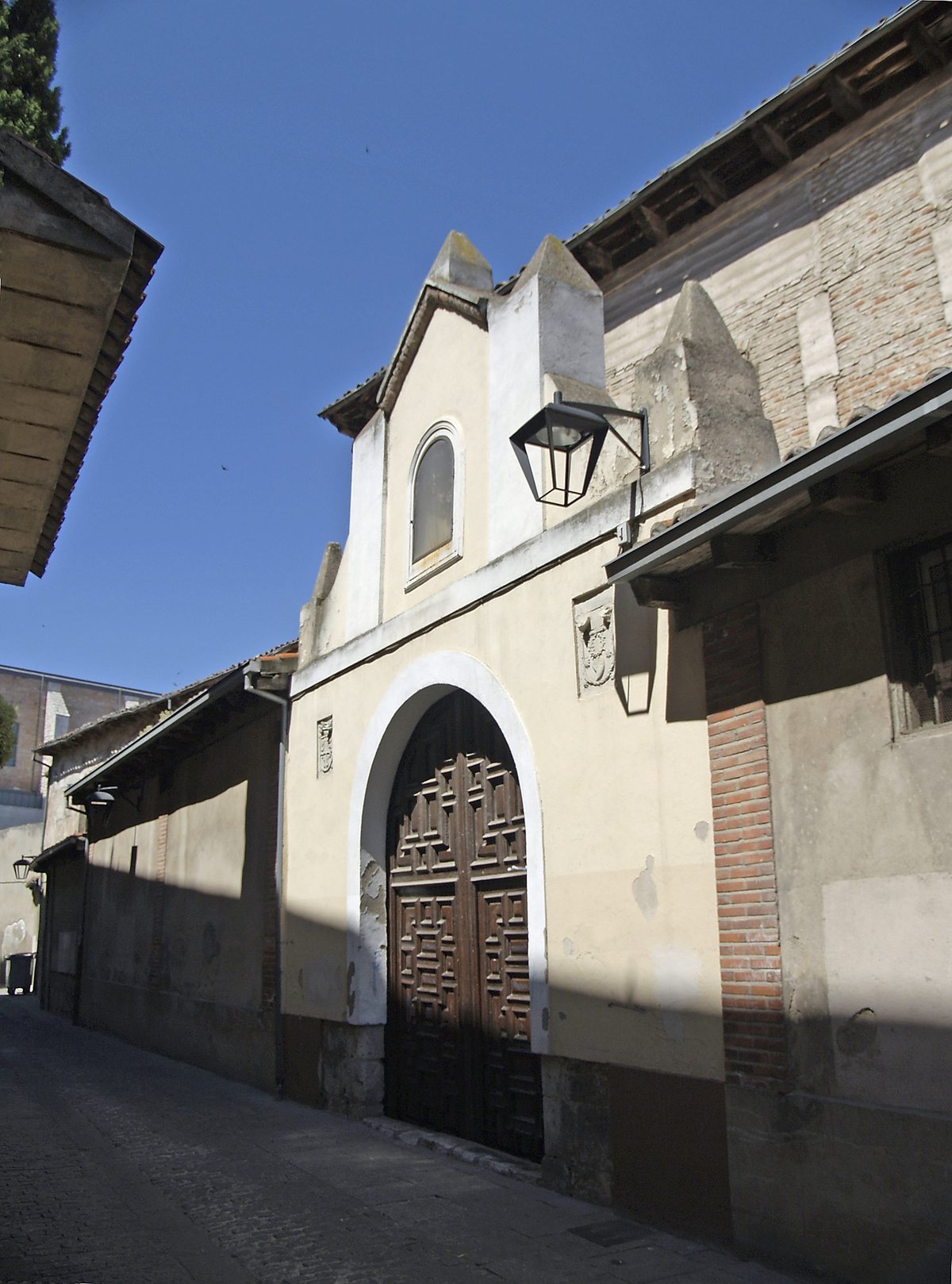

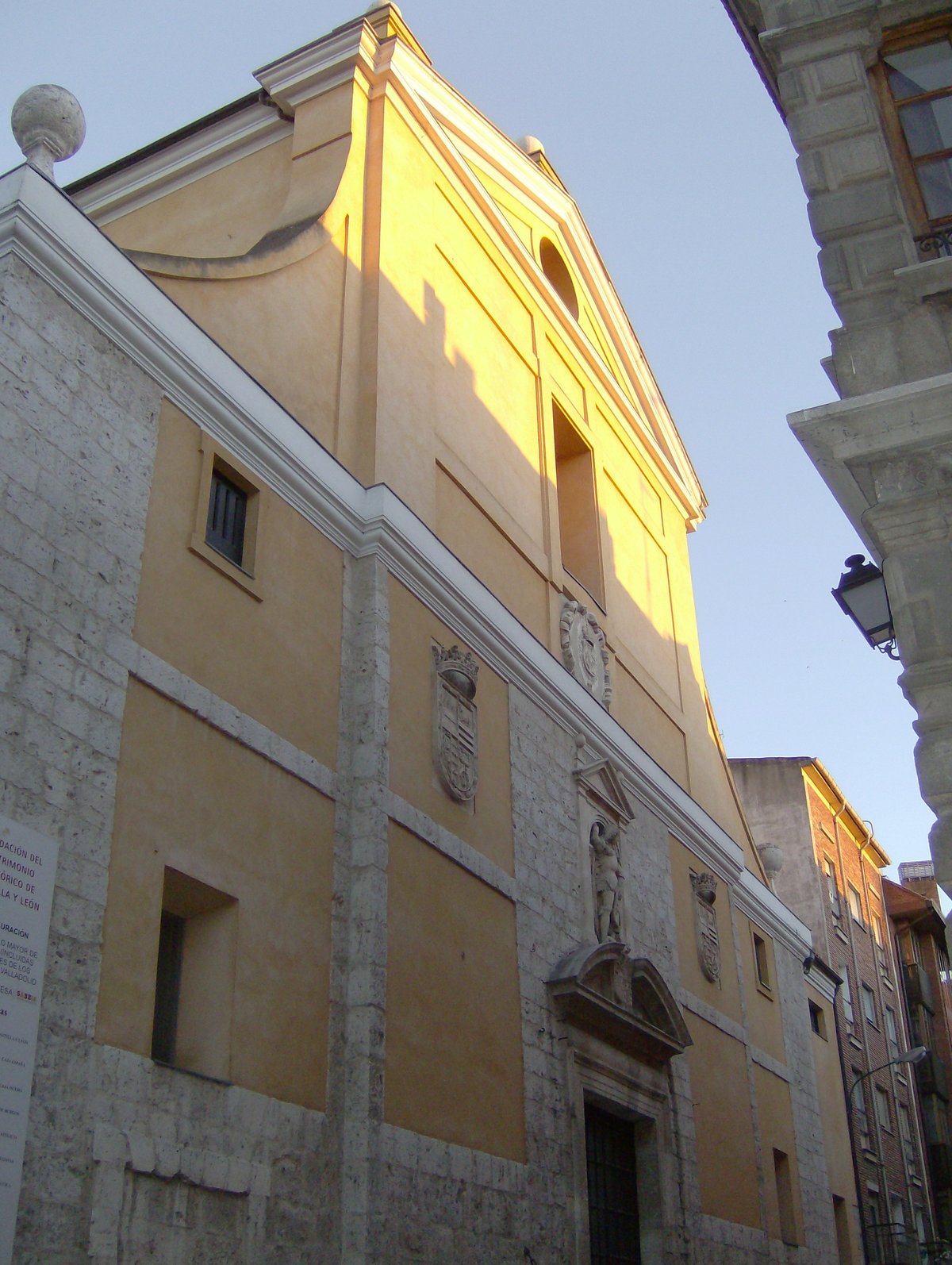
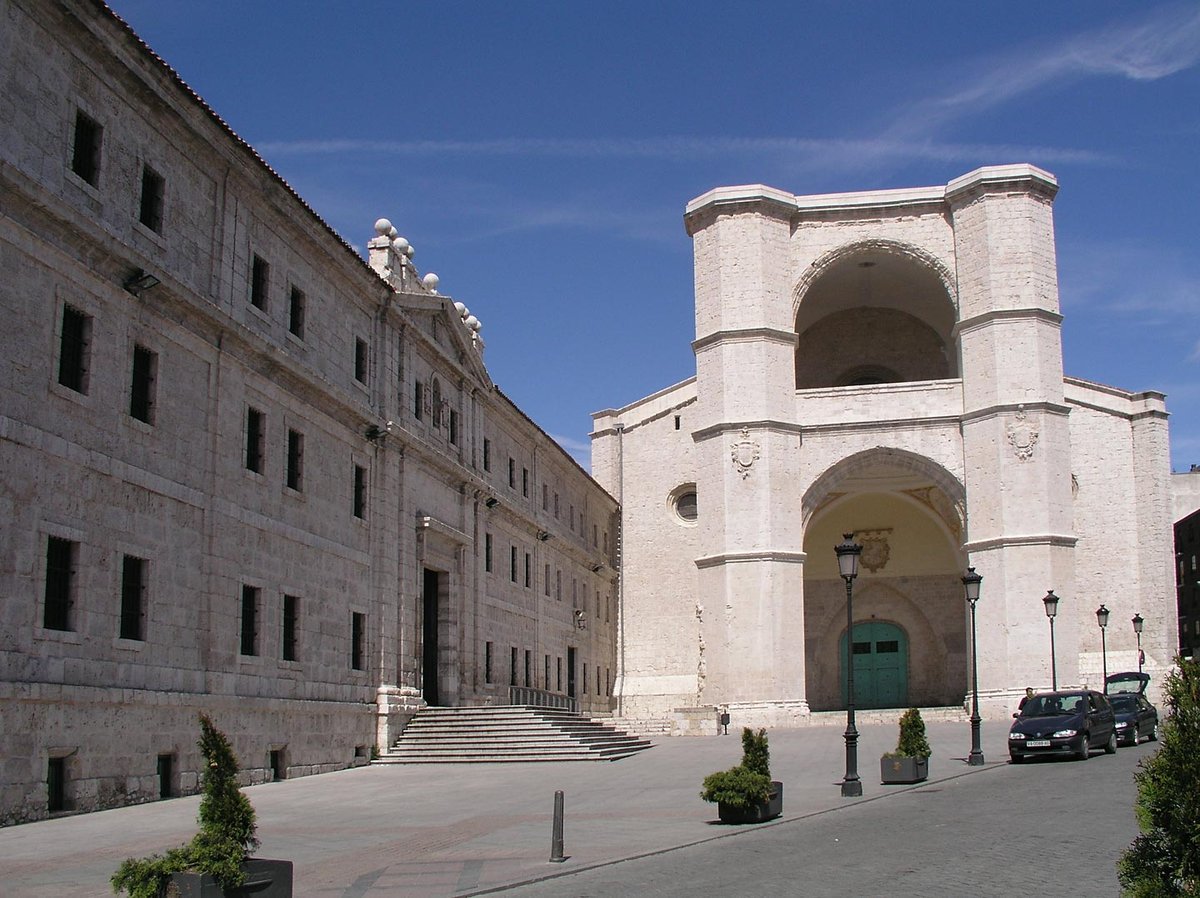
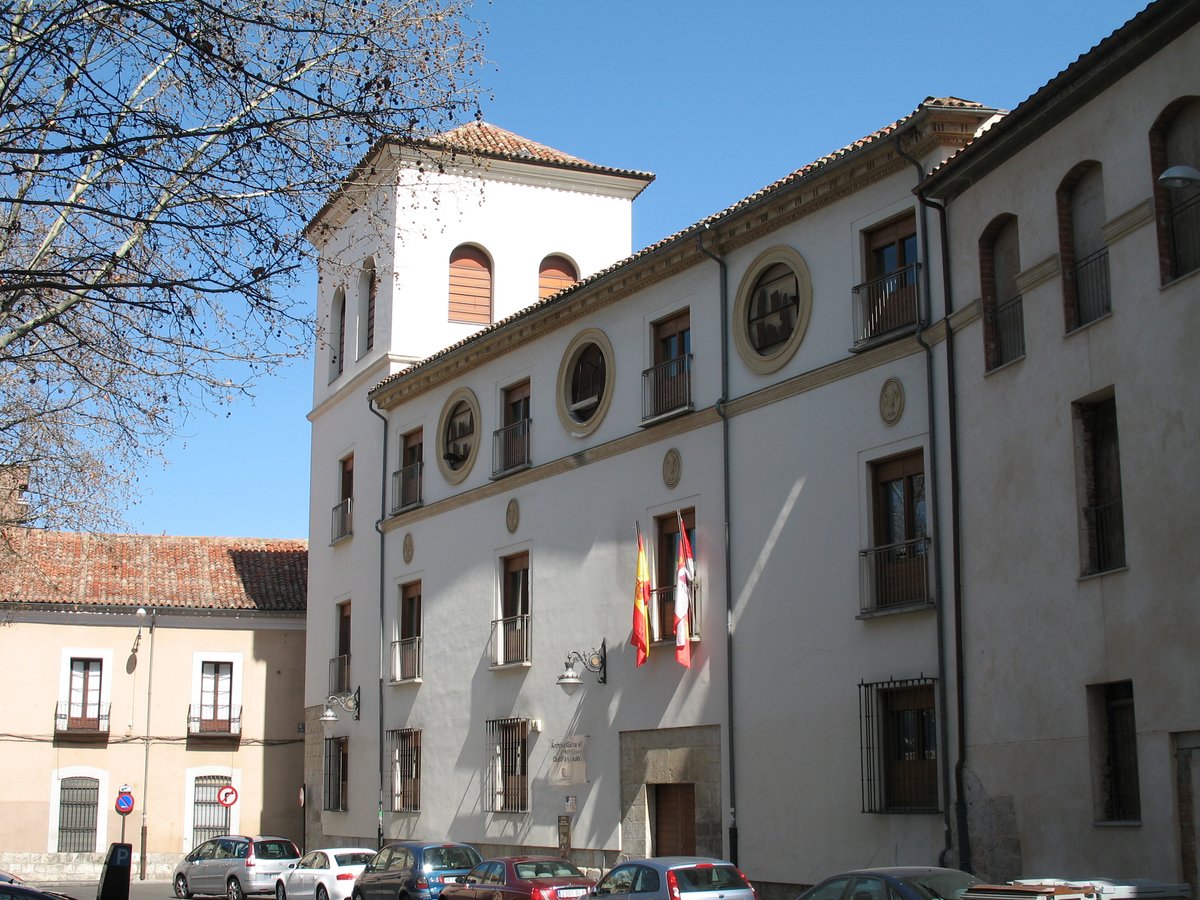
Monasterio de Santa Catalina de Siena, a temple in Valladolid, was founded in 1488 by Doña Elvira Benavides y Manrique. Juan de Juni, a renowned sculptor, was buried here in 1577, according to his will. In 1588, María de Castro, the widow of Antonio Cabeza de Vaca, secured the patronage of the main chapel and commissioned the sculptor Pedro de la Cuadra to create two praying statues.
The Dominican nuns who inhabited the building moved in 2009 to the convent of the Corpus Christi in the Prado de la Magdalena. The deterioration of the building was irreparable and at risk. The artistic works were relocated with the Dominicans of Valladolid in the church of San Pablo.
In 2022, a project was presented to transform the religious complex into a Centro de Cultura del Vino, and the start of the works project was communicated in 2024. The church, built in the 17th century, features an intriguing retable with a Cristo crucificado by Juan de Juni in its interior.
Sources: Wikipedia, OpenStreetMap, Wikidata, Wikimedia Commons
Written by Nik Frost
Discuss this with the author and others
No comments yet. Be the first to start the conversation.