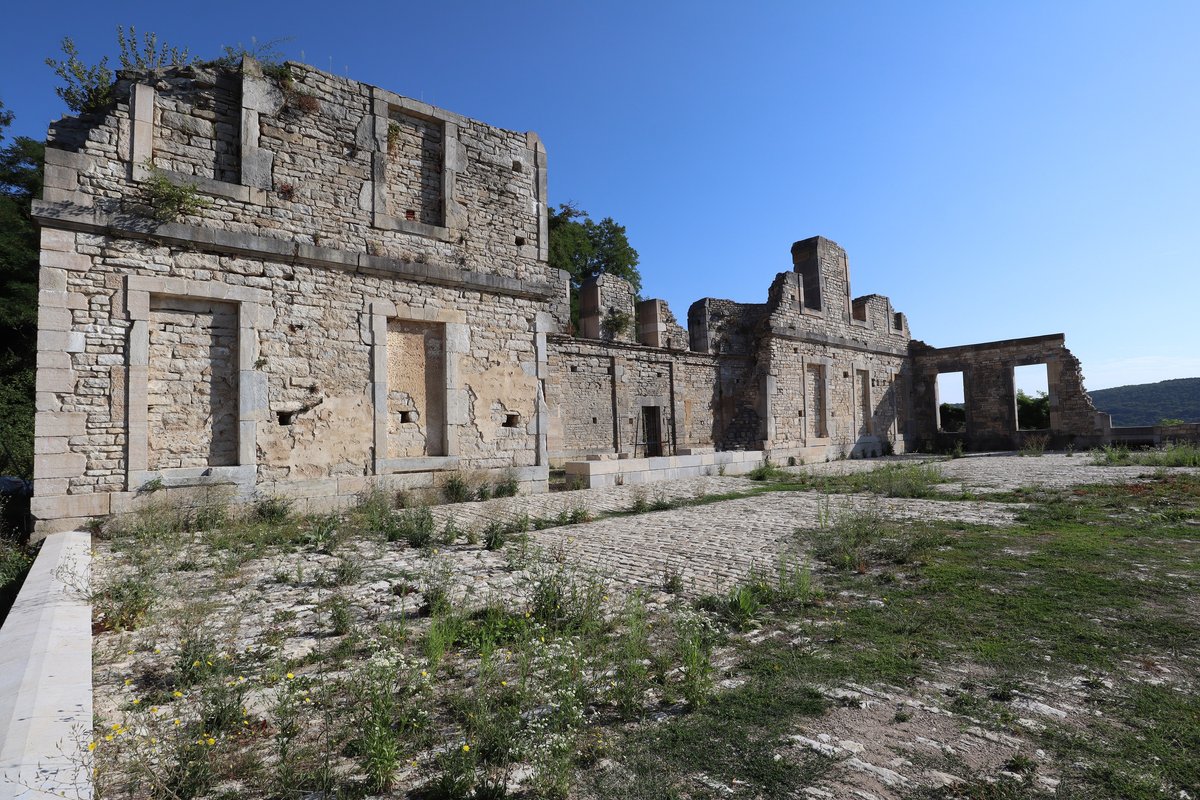

Manassès Ier l'Ancien founded the site of Saint-Vivant de Vergy shortly before 920. The location was chosen at the south foot of the rocky spur of the castle of Vergy, in a spot with a very steep slope and only a small terrace of debris. This site was notably less convenient than a flatter area a few hundred meters to the west, which had better access to water via the fountain du Reclus.
By the 11th century, the site was an important monastic establishment. It was attached to the abbey of Saint-Bénigne de Dijon and later became a dependency of the abbey of Cluny in 1087. During this period, it served as a priory of the diocese of Autun, overseeing several other priories and managing significant wealth and territories. Between 1136 and 1262, the site housed about thirty monks.
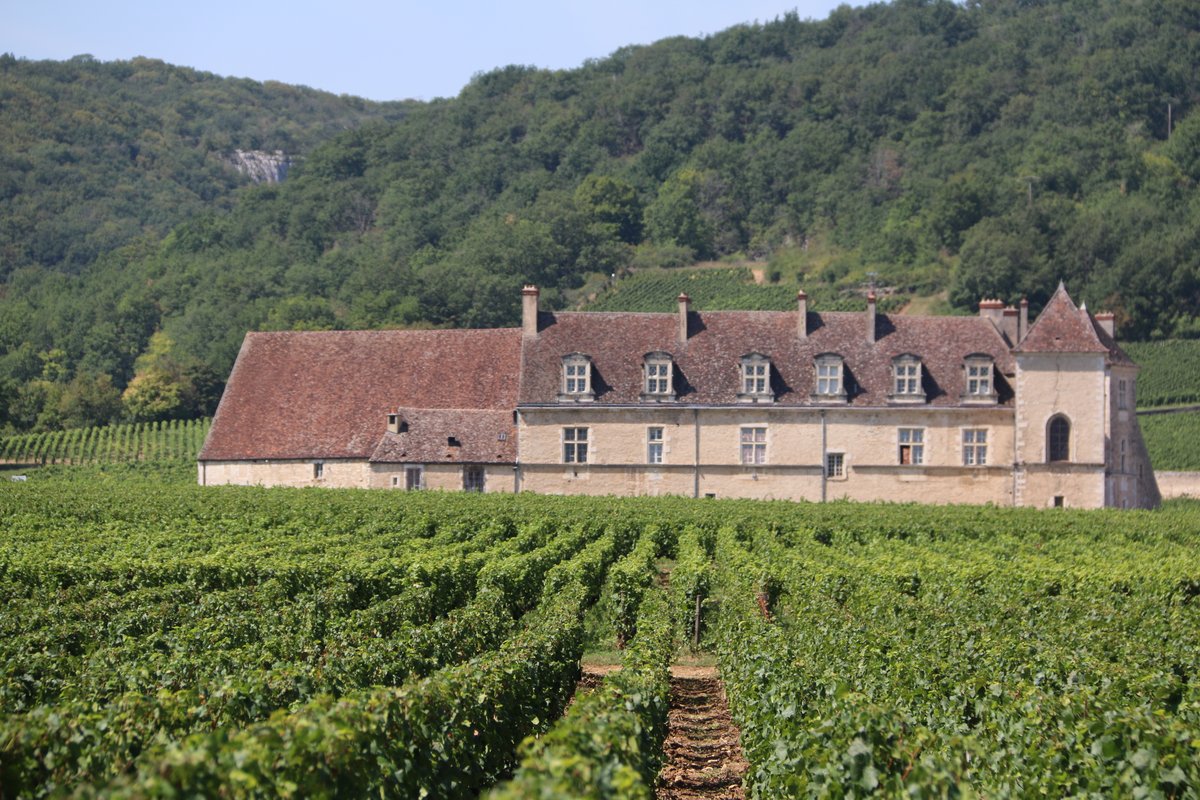
In 1232, the Duchess of Burgundy Alix de Vergy donated her best vineyard, then called Le Cloux des cinq journaux, to the monastery. This land eventually became the site of the Romanée-Conti and Romanée Saint-Vivant wines. The monks managed these prestigious vineyards for nearly 650 years, using the wine presses located in the current rue du Temps perdu in Vosne-Romanée.
Today, the buildings of Saint-Vivant de Vergy are listed as historical monuments, a status granted in 1992. The site remains a significant piece of Burgundy's medieval heritage, preserved as a testament to the region's long history of monastic land management and viticulture.
Sources: Wikipedia, OpenStreetMap, Wikidata, Wikimedia Commons
Written by Nicolo Ciampini
Discuss this with the author and others
No comments yet. Be the first to start the conversation.