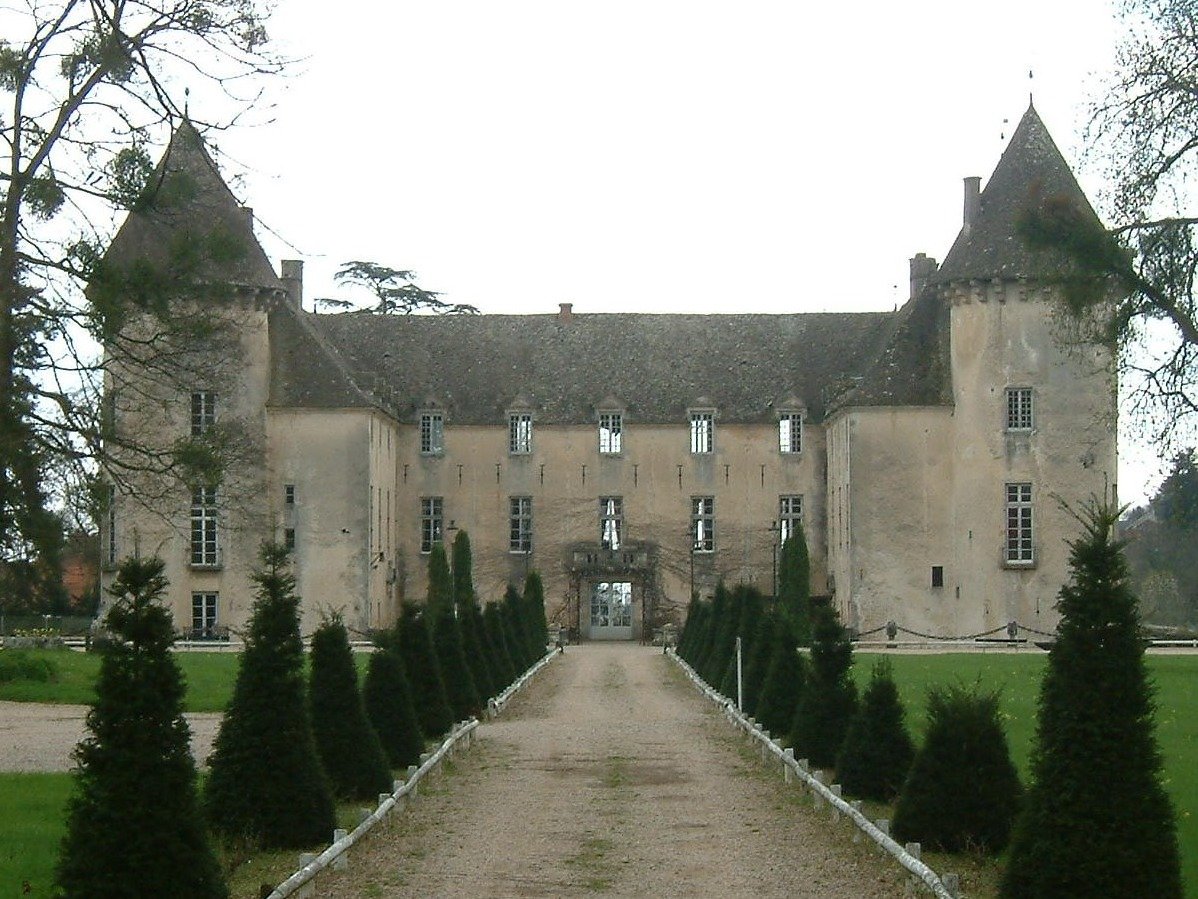

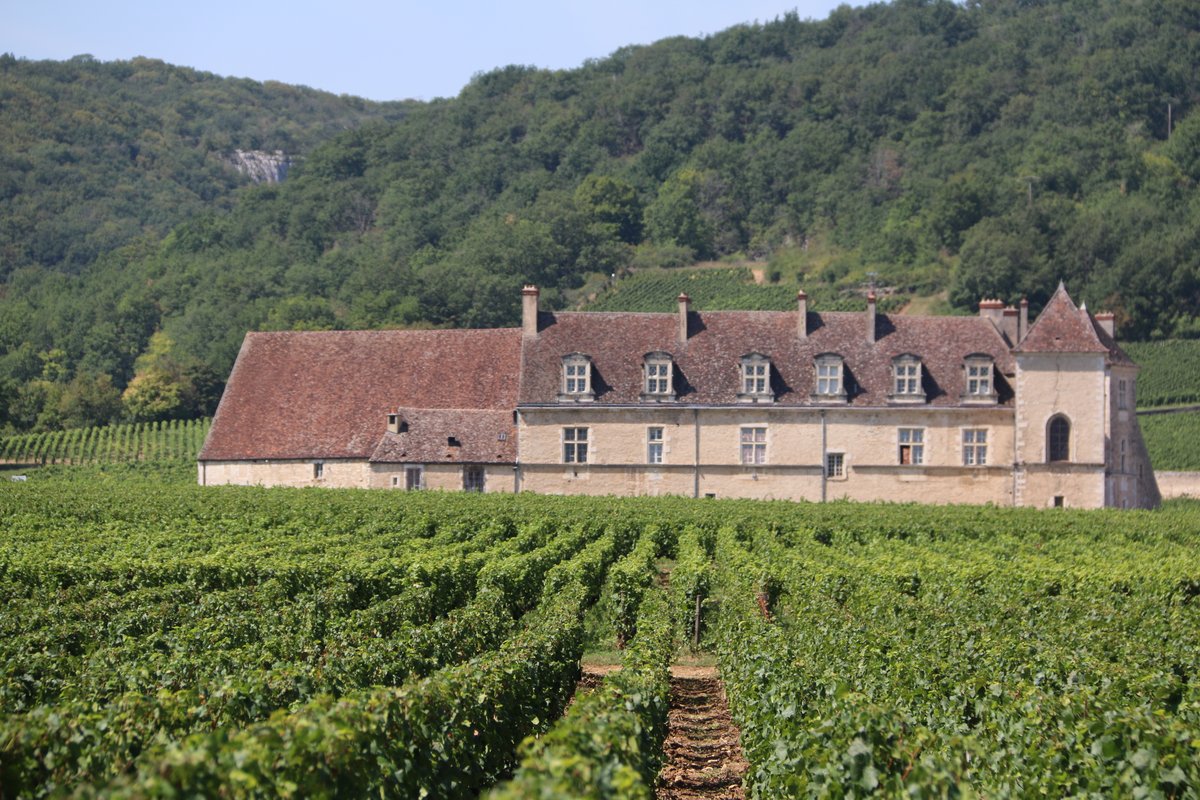
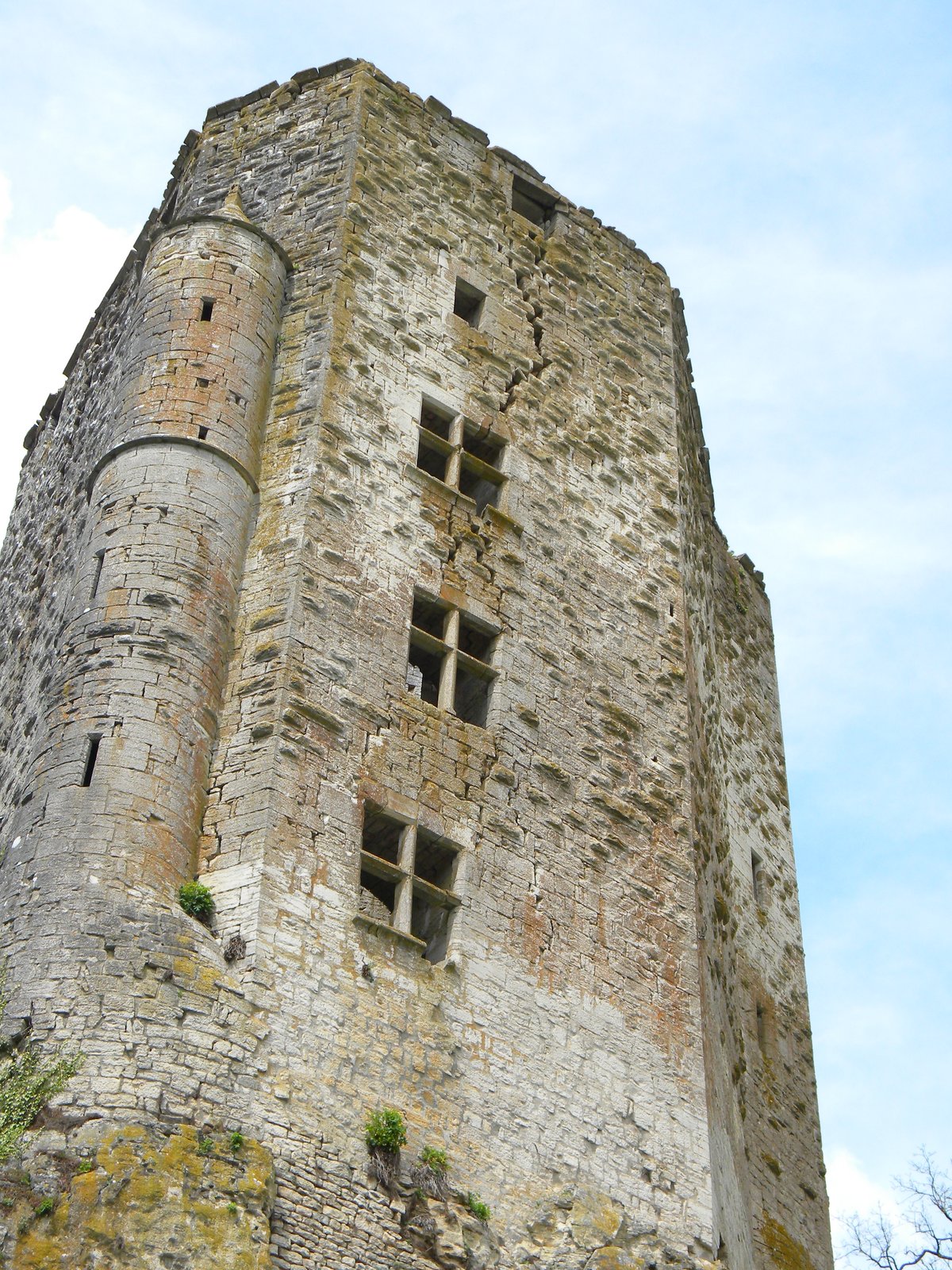
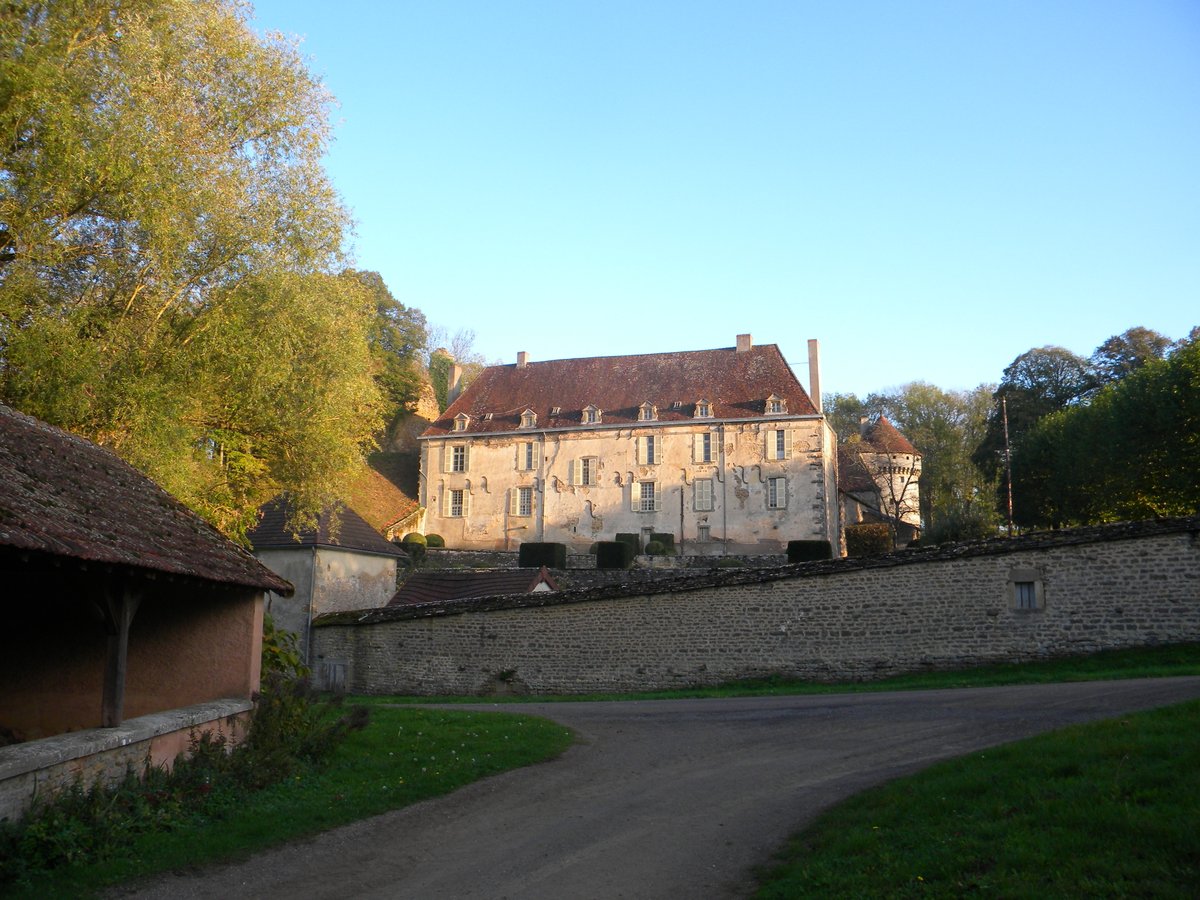
Built around 1340 by Jean de Frolois for Duke Eudes IV de Bourgogne, the Château de Savigny-lès-Beaune is a fortress in the Côte de Beaune vineyard. It was destroyed in 1478 on the order of Louis XI, who acted in retaliation because its owner had sided with Duchess Marie de Bourgogne and her husband, the future emperor Maximilian I, during the War of the Burgundian Succession. Today, only the corbeaux of the machicolations on two towers remain visible.
In 1979, the castle was purchased by Michel Pont, a winegrower and former Abarth rally driver who began extensive restoration work. He established several museums within the site, creating home for a vast array of mechanical collections. The estate is now visited by approximately 30,000 people annually and features a variety of specialized exhibits ranging from agricultural equipment to firefighting vehicles.
The aviation section includes more than a hundred fighter aircraft, military aircraft, and helicopters in the park, alongside 2,000 models inside the castle. Other highlights include a collection of 35 Abarth racing cars and 600 models in the Petit Château, as well as 300 motorcycle models from 1903 to 1960 located on the second floor of the main castle. The grounds also house 25 prototypes of straddle tractors and various wine presses and hand tools.
Sources: Wikipedia, OpenStreetMap, Wikidata, Wikimedia Commons
Written by Nicolo Ciampini
Discuss this with the author and others
No comments yet. Be the first to start the conversation.