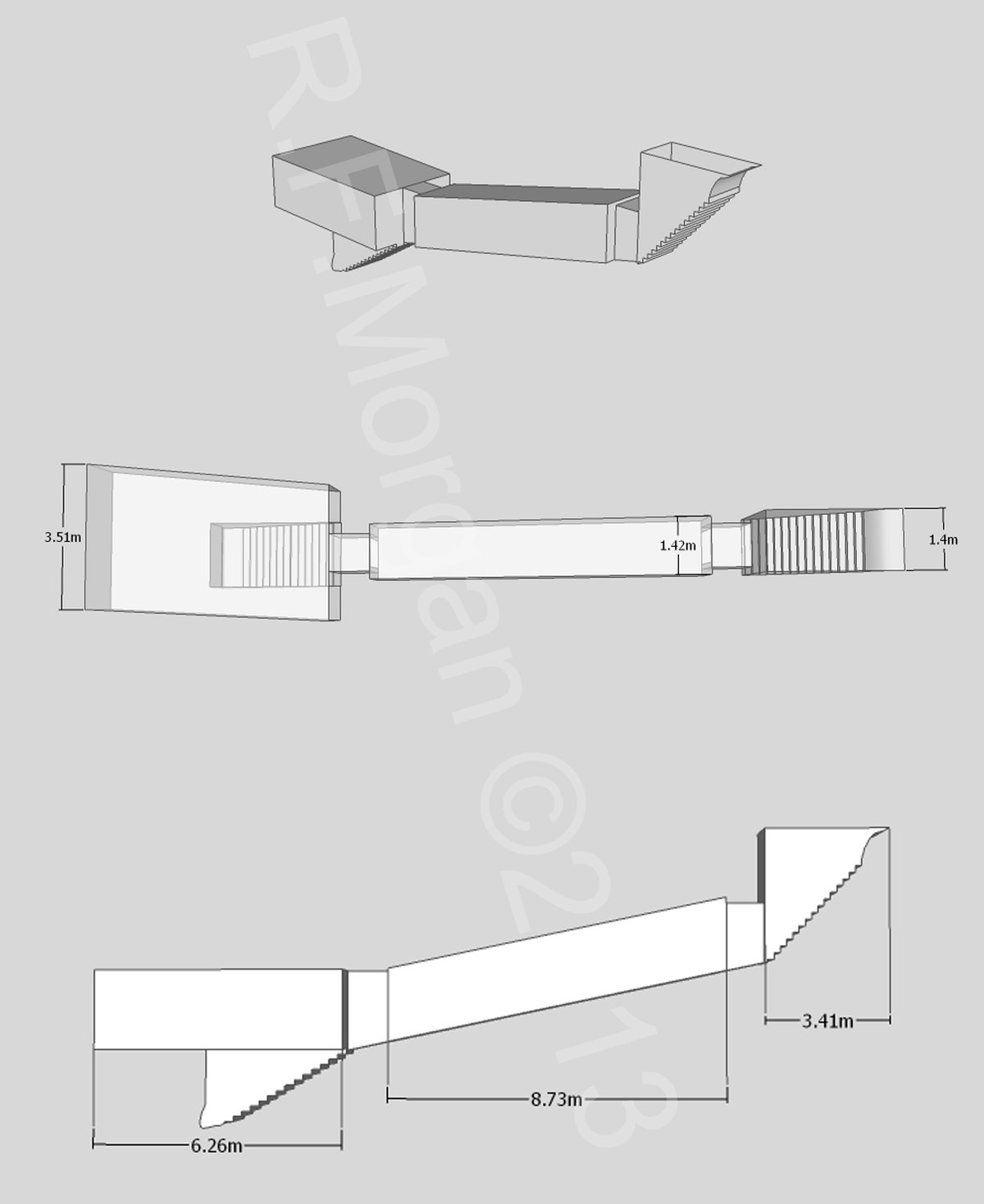

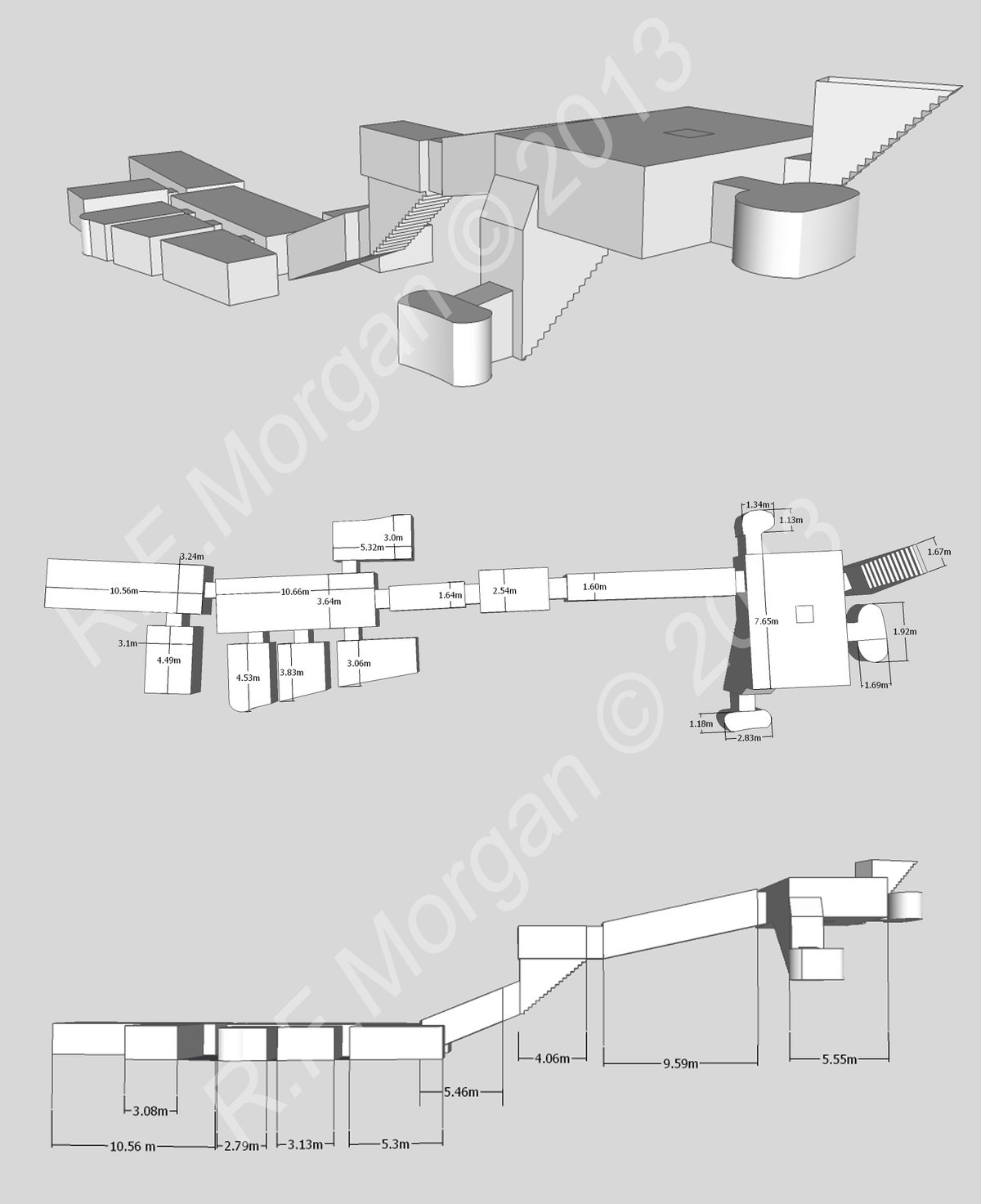
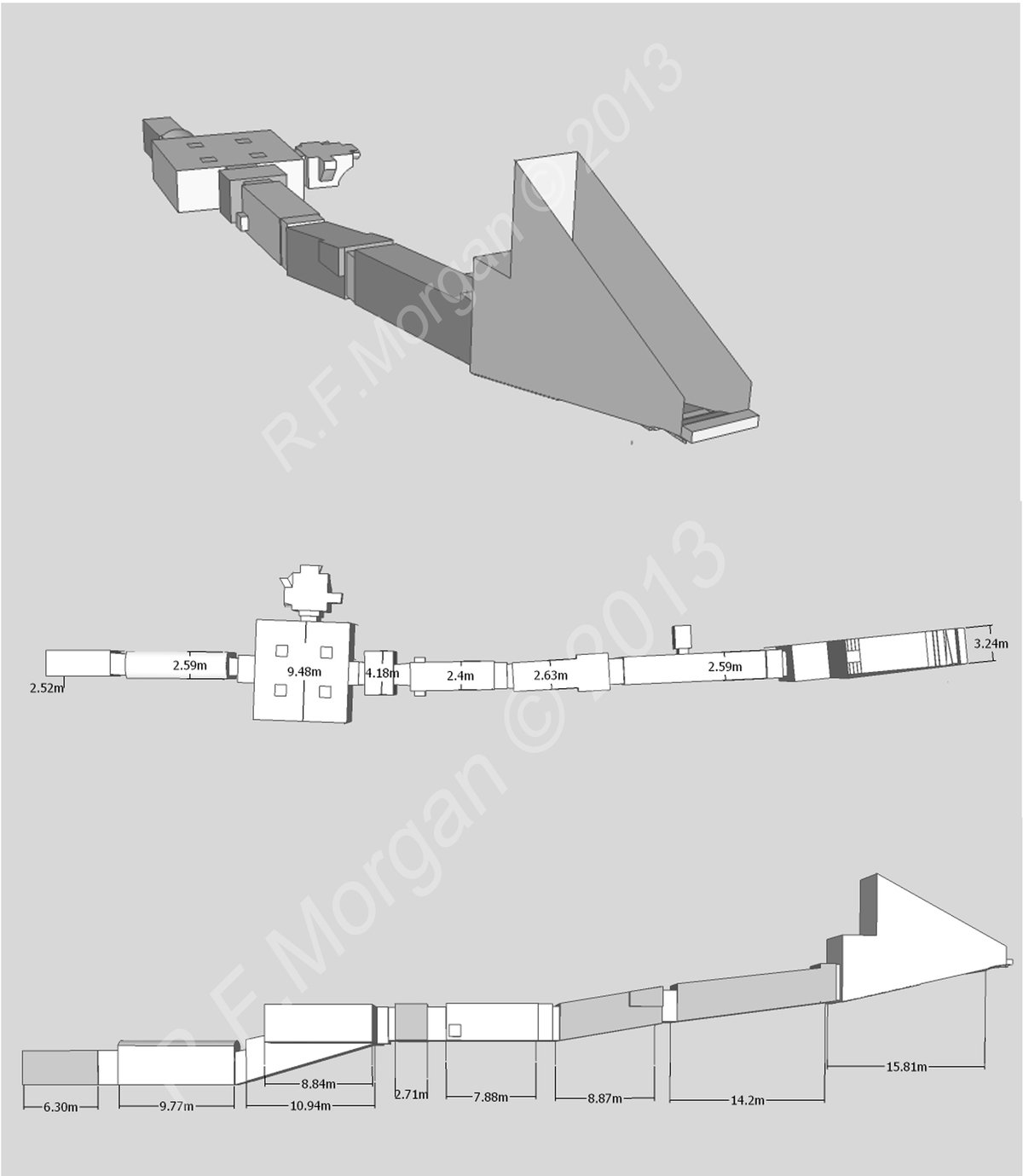
Located in a side valley in Egypt's Valley of the Kings, KV49 is a typical mid-Eighteenth Dynasty corridor tomb. It was the first of a series of tombs discovered in 1906 by Edward R. Ayrton during excavations for Theodore M. Davis. The tomb was abandoned before it was completed, with work halting while a staircase was being cut into the floor of the single chamber. It was likely used as a store for royal linen or as a mummy-restoration area in the later New Kingdom.
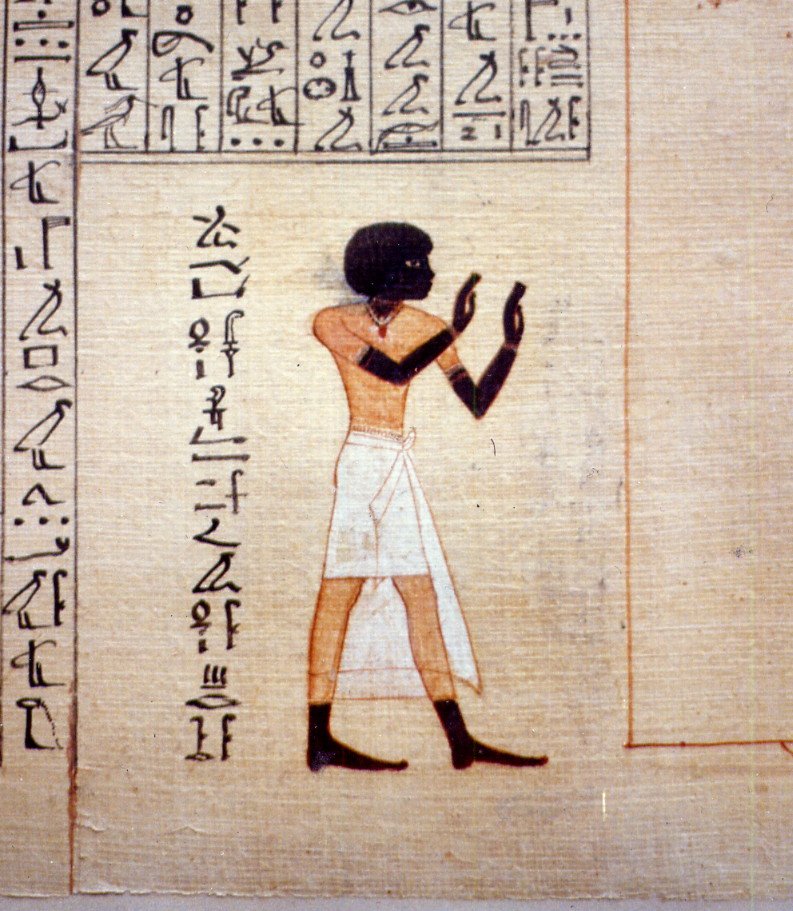
The entrance was filled with limestone chips and several ostraca. One depicts an official worshipping, while the other, drawn in red and black ink, depicts a man presenting an offering to the deified Queen Ahmose-Nefertari. Beyond the first doorway lies a long sloping corridor, and at its far end, a square chamber where the cutting of a staircase began but was never finished.
The single chamber contained scraps of mummy cloth, fragments of white-washed ceramic storage jars, and an ostracon naming 'Hay, overseer of workmen in the Place of Truth.' Hay is depicted making offerings to the goddess Meretseger on one side, with a list of workmen on the other. Also found were several rough game boards carved from limestone slabs and a broken wooden label bearing the inscription 'corpse oil.'
Ayrton noted hieratic graffiti in red ink above the entrance recording two visits by officials during the reigns of Ramesses XI or Smendes I to deliver large quantities of royal linen. Records from these visits include names such as Pait and the scribe Butehamun. Nicholas Reeves suggests the tomb may have been used for the restoration and rewrapping of the mummy of Ramesses III, whose tomb, KV11, is located nearby.
Sources: Wikipedia, OpenStreetMap, Wikidata, Wikimedia Commons
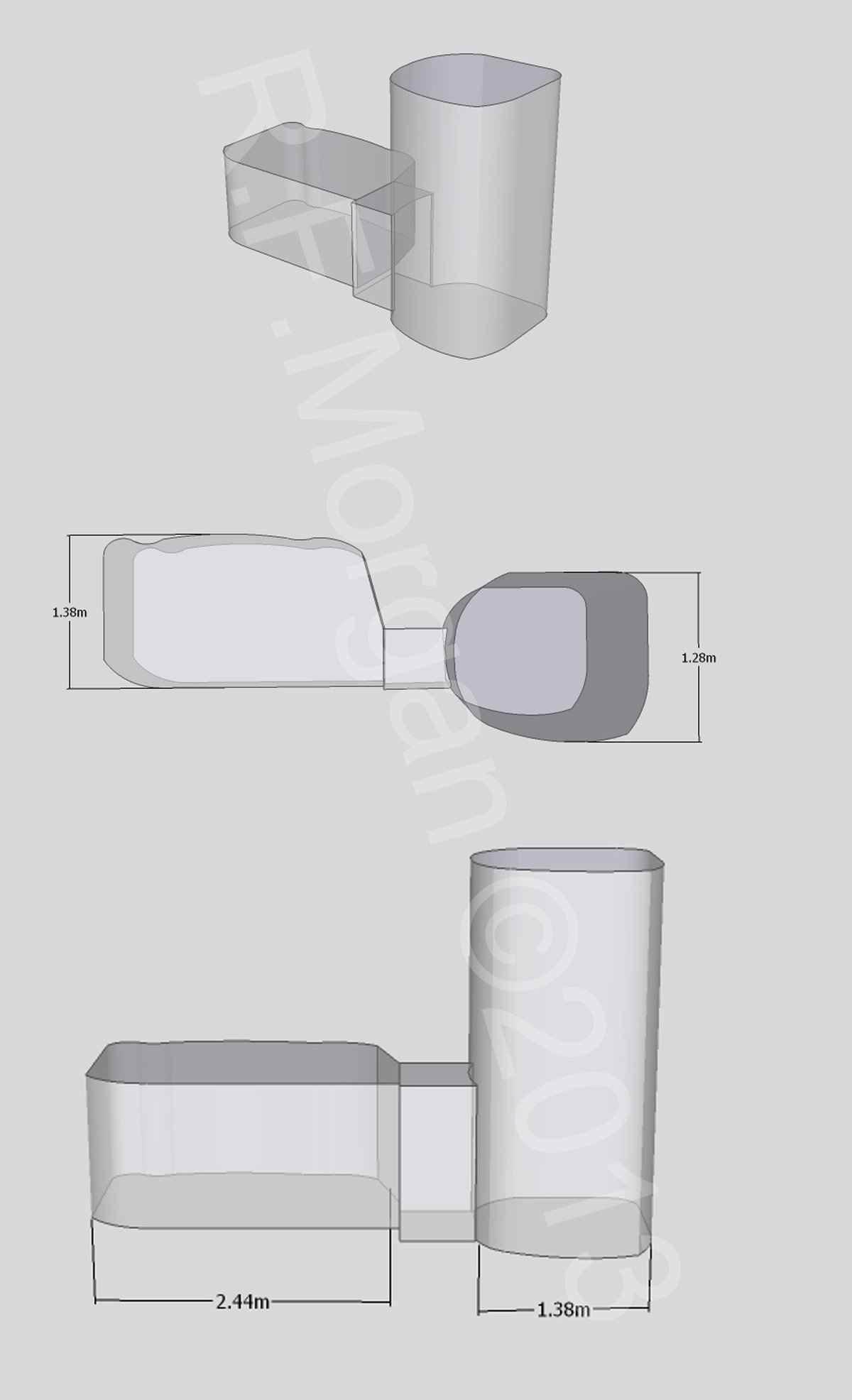
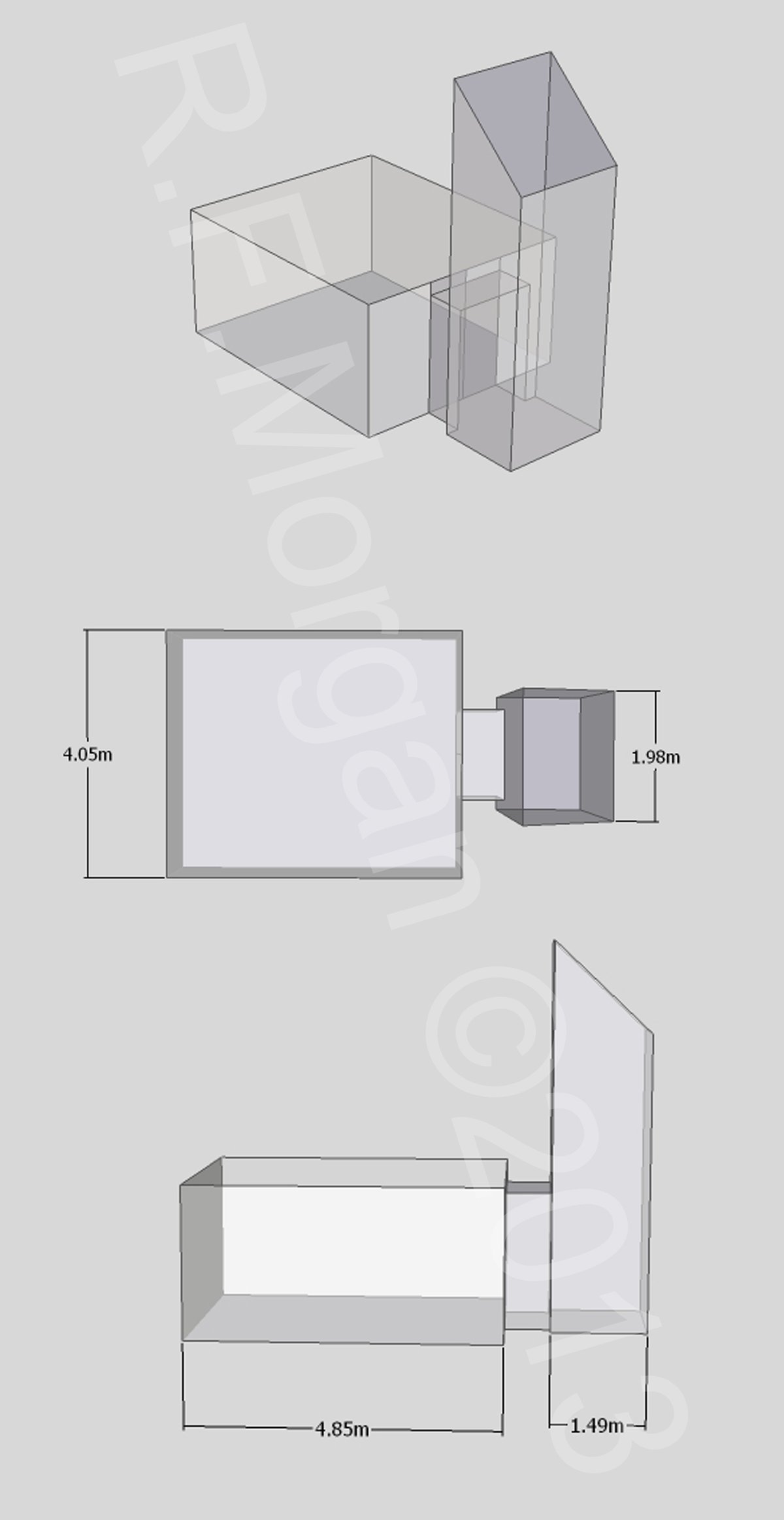
Written by Mutabor
Discuss this with the author and others
No comments yet. Be the first to start the conversation.