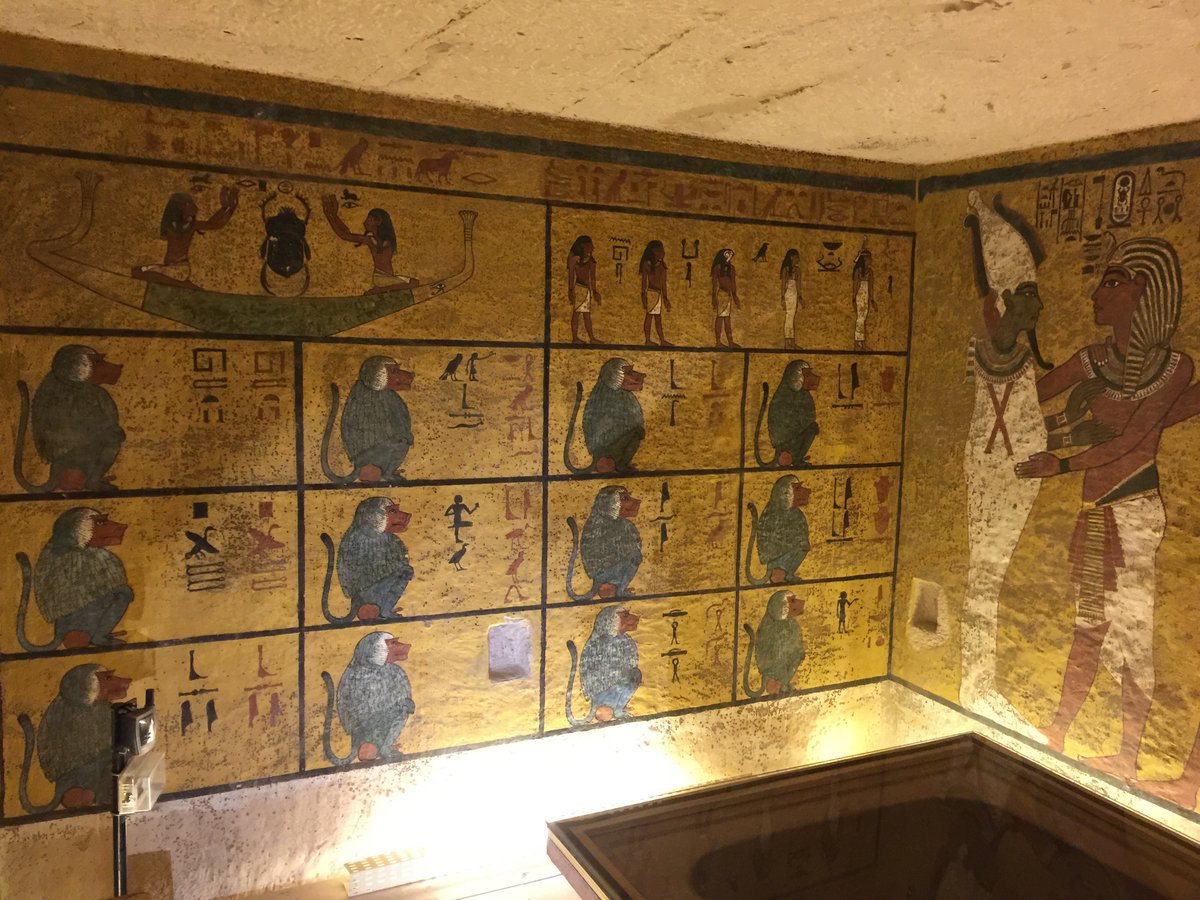

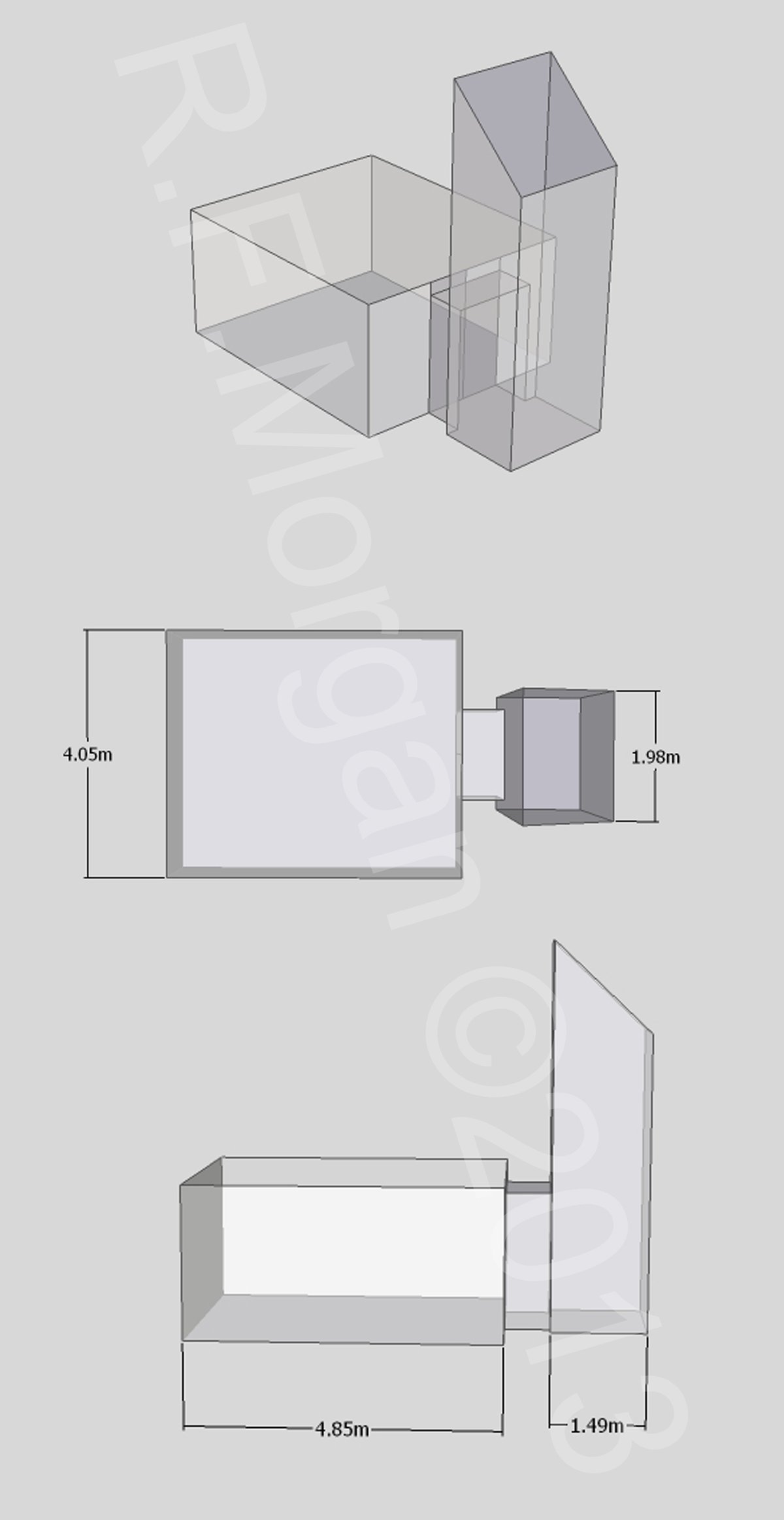
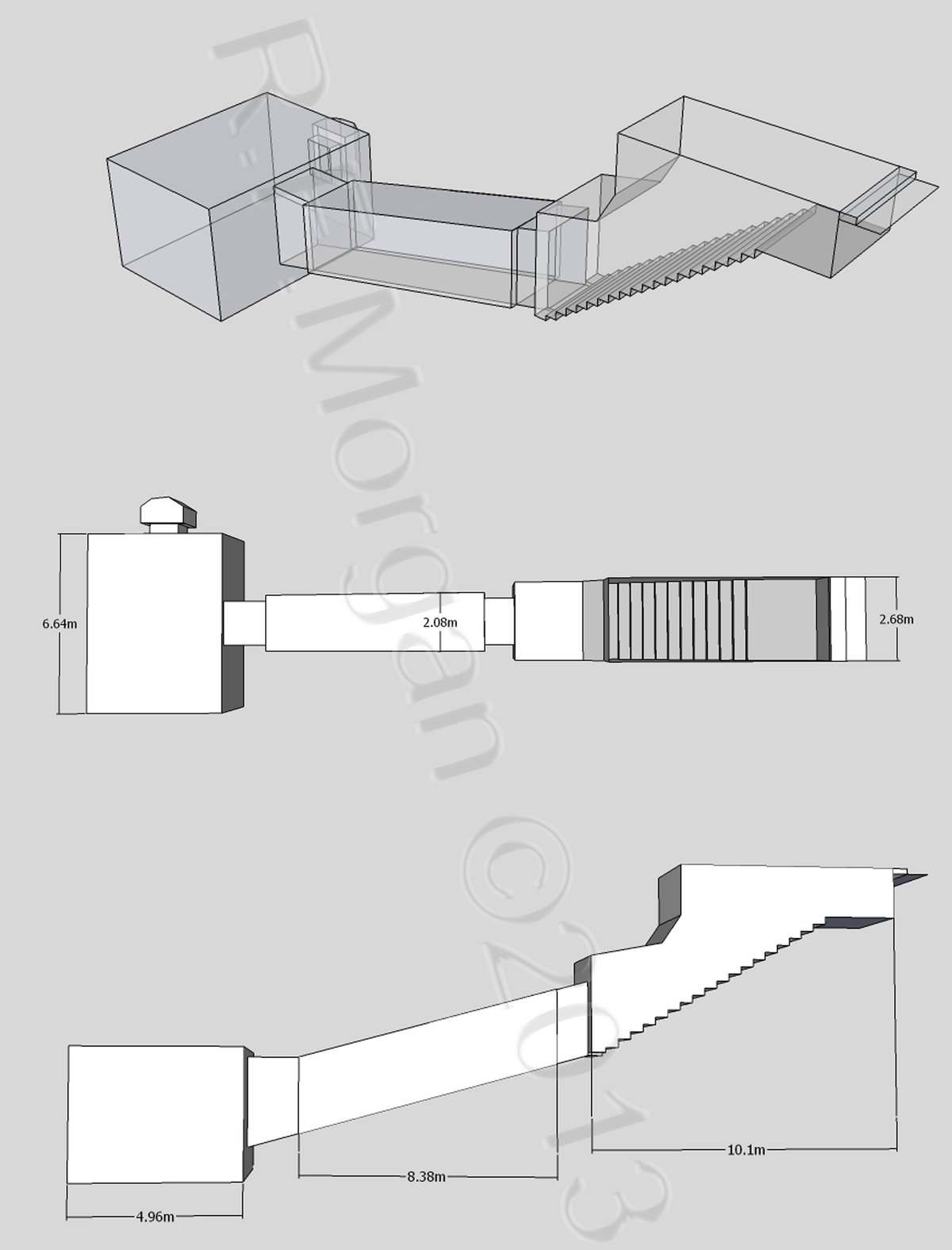
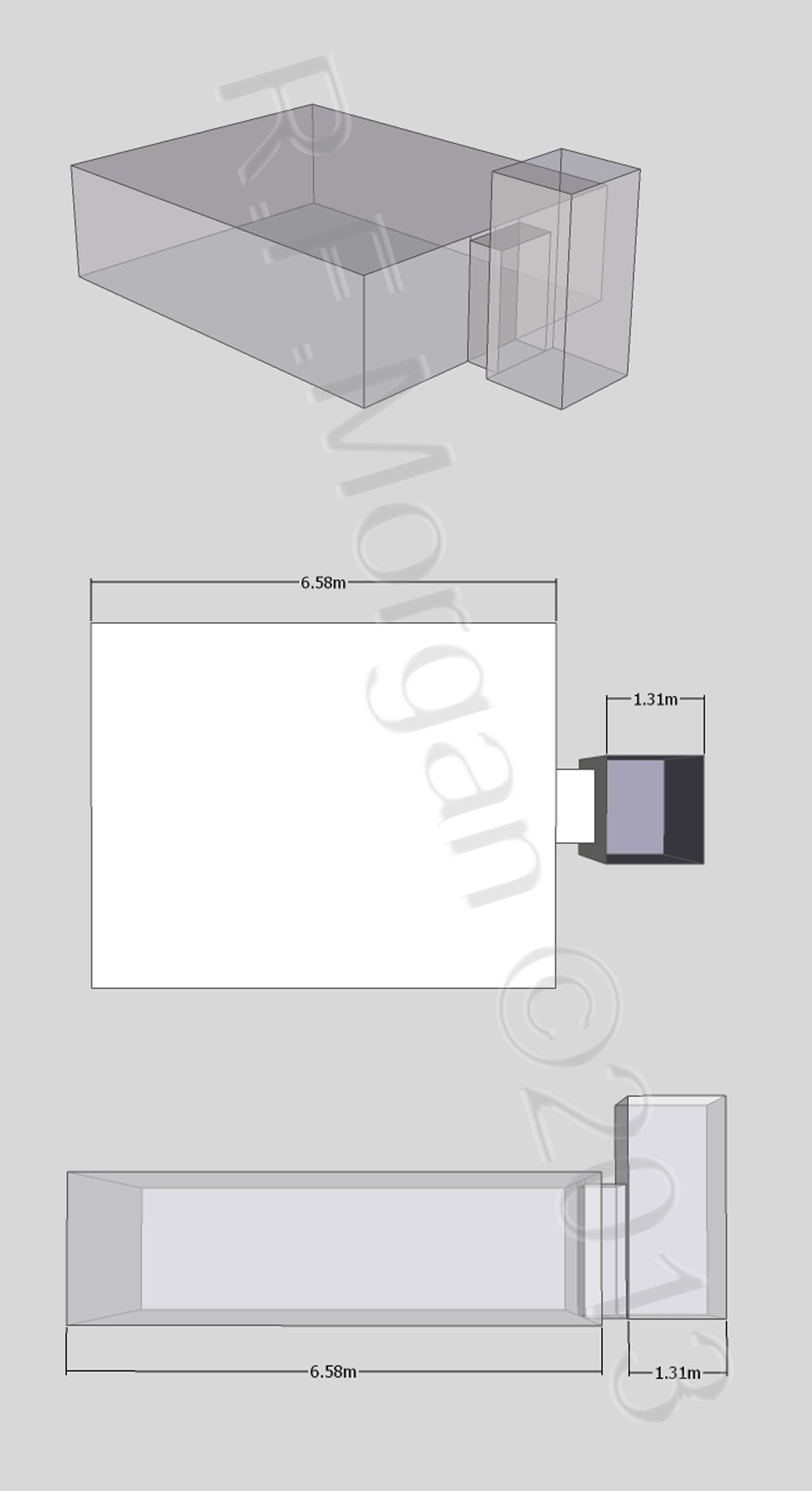
Located in the Valley of the Kings, the tomb of Tutankhamun (reigned c. 1332–1323 BC) consists of four chambers with an entrance staircase and corridor. Known as KV62, it is smaller and less extensively decorated than other Egyptian royal tombs of its time. It probably originated as a tomb for a non-royal individual that was adapted for Tutankhamun's use after his premature death.
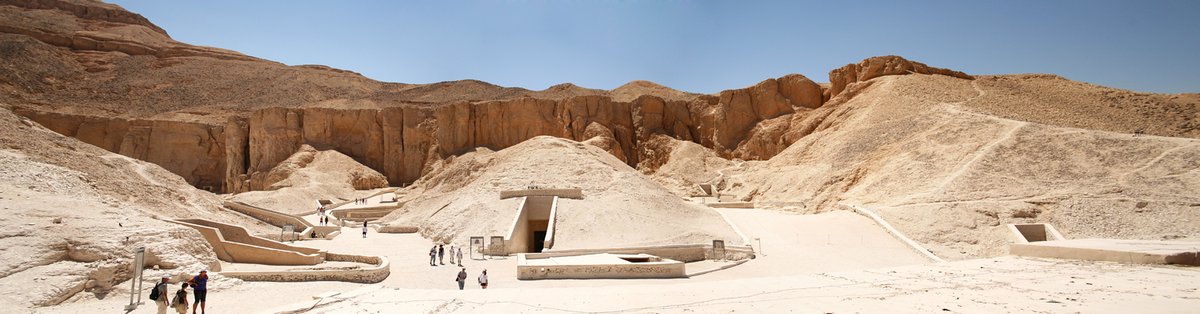
Like other pharaohs, Tutankhamun was buried with a wide variety of funerary objects and personal possessions, such as coffins, furniture, clothing, and jewelry. Because of the unusually limited space, these goods had to be densely packed. While robbers entered the tomb twice in the years immediately following the burial, Tutankhamun's mummy and most of the burial goods remained intact. The tomb's low position, dug into the floor of the valley, allowed its entrance to be hidden by debris deposited by flooding and tomb construction. Unlike other tombs in the valley, it was not stripped of its valuables during the Third Intermediate Period.
The tomb was discovered in 1922 by excavators led by Howard Carter and his patron, George Herbert, 5th Earl of Carnarvon. The quantity and appearance of the burial goods attracted a media frenzy and made the tomb the most famous find in the history of Egyptology. While the discovery produced limited evidence about the history of Tutankhamun's reign, it provided insight into the material culture of wealthy ancient Egyptians and patterns of ancient tomb robbery.
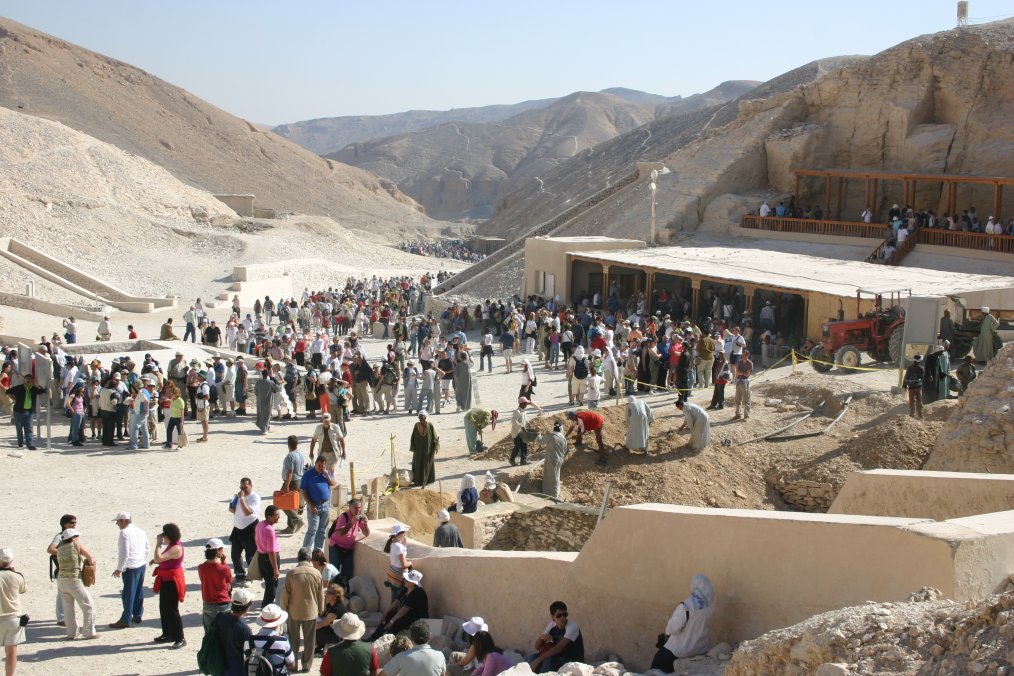
Most of the tomb's goods were sent to the Egyptian Museum in Cairo and are now in the Grand Egyptian Museum in Giza, although Tutankhamun's mummy and sarcophagus are still on display in the tomb. Flooding and heavy tourist traffic have inflicted damage on the site since its discovery, and a replica of the burial chamber has been constructed nearby to reduce tourist pressure on the original tomb.
Sources: Wikipedia, OpenStreetMap, Wikidata, Wikimedia Commons
Written by Mutabor
Discuss this with the author and others
No comments yet. Be the first to start the conversation.