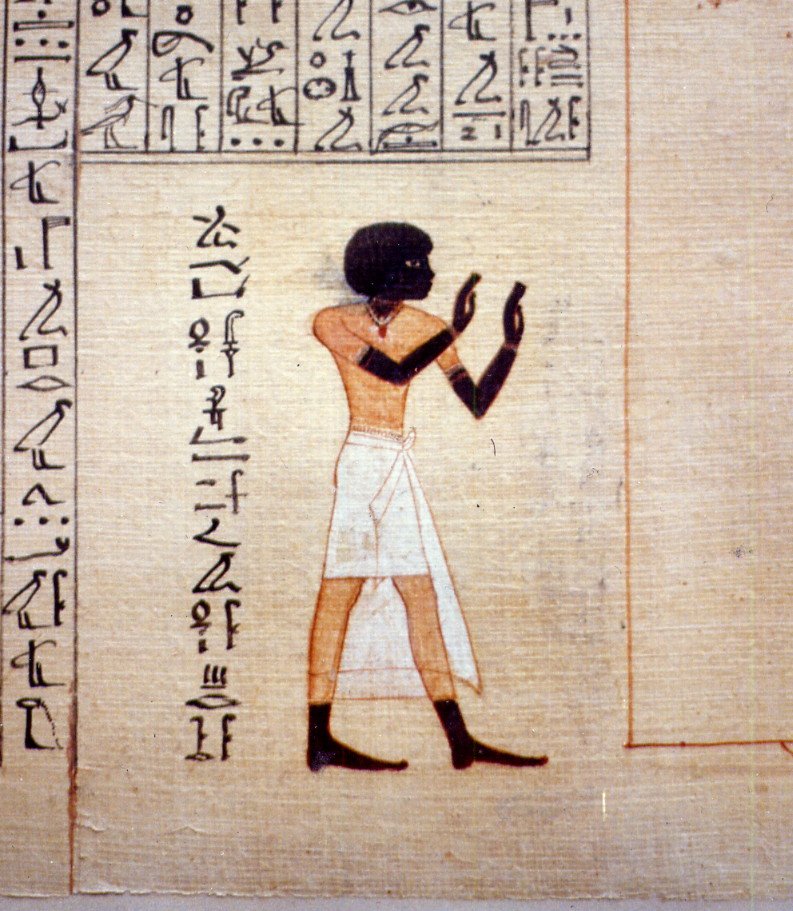

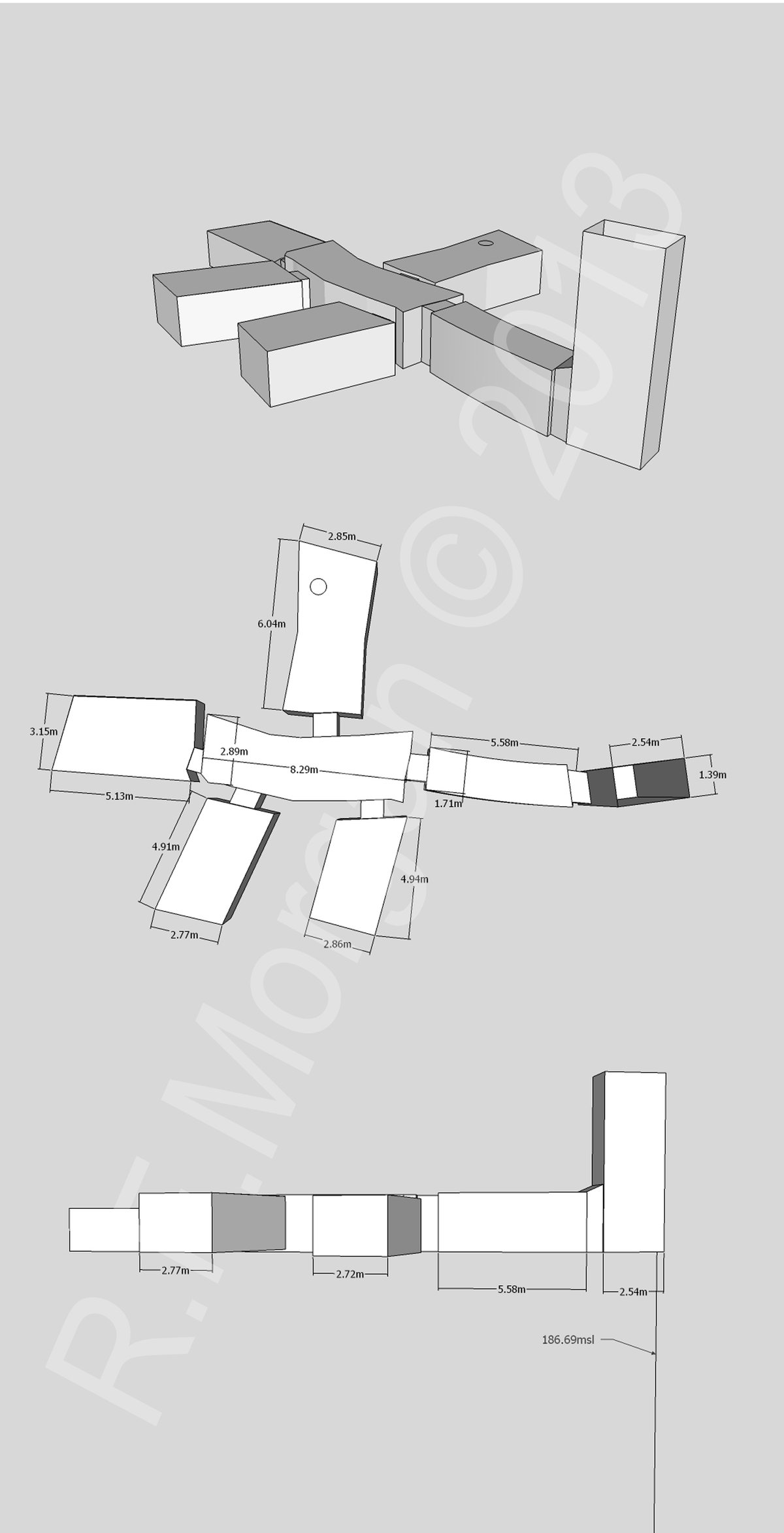
The tomb of Maiherpri, also known by its tomb number KV36, is the burial place of the noble Maiherpri of the Eighteenth Dynasty in the Valley of the Kings, Egypt. Rediscovered on 30 March 1899 by Victor Loret in his second season in the Valley of the Kings, the tomb was found to be substantially undisturbed. Little is known about Maiherpri as he does not appear in sources outside the tomb. More specific arguments by the Egyptologists Catharine Roehrig and Christian Orsenigo place his interment in the reigns of Hatshepsut and Thutmose III.
Maiherpri's body was interred in a set of three coffins. The outermost coffin is a 2.81 metres long rectangular sarcophagus made of black-painted wood with gilded inscriptions and decoration. Inside were two nested human-shaped coffins. The outer of these was also black with gilded decoration, while the inner was entirely gilded. There is a third anthropoid coffin made of untreated wood with gilded inscriptions, which was found overturned next to the sarcophagus with its lid placed next to the box.
The tomb also contained various objects and personal belongings such as ceramic and alabaster vessels, archery equipment, and two dog collars. Orsenigo suggests that the archery equipment was used for sport hunting rather than warfare based on Maiherpri's lack of military titles.
Sources: Wikipedia, OpenStreetMap, Wikidata, Wikimedia Commons
Written by Mutabor
Discuss this with the author and others
No comments yet. Be the first to start the conversation.