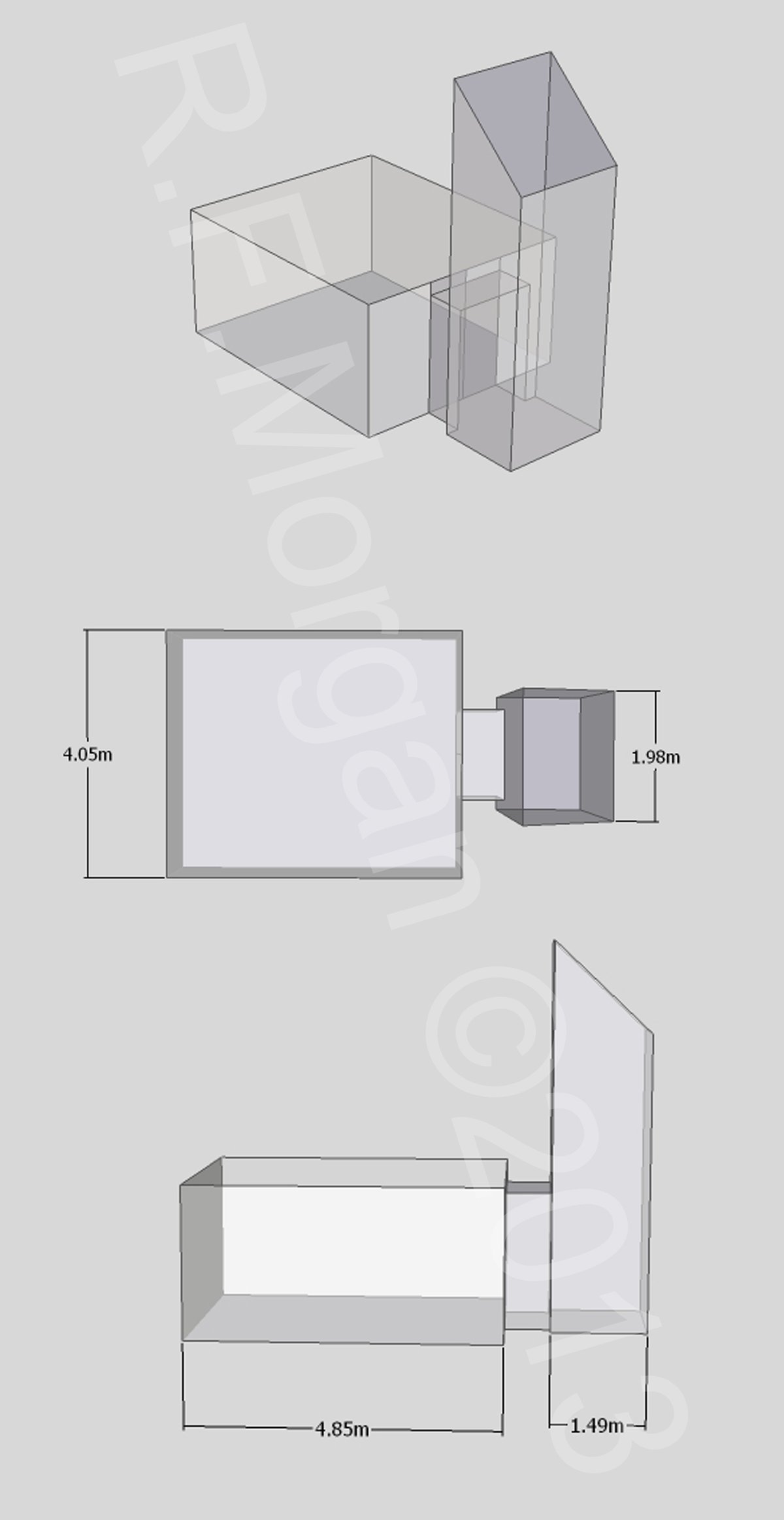

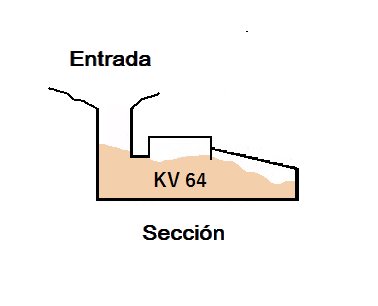
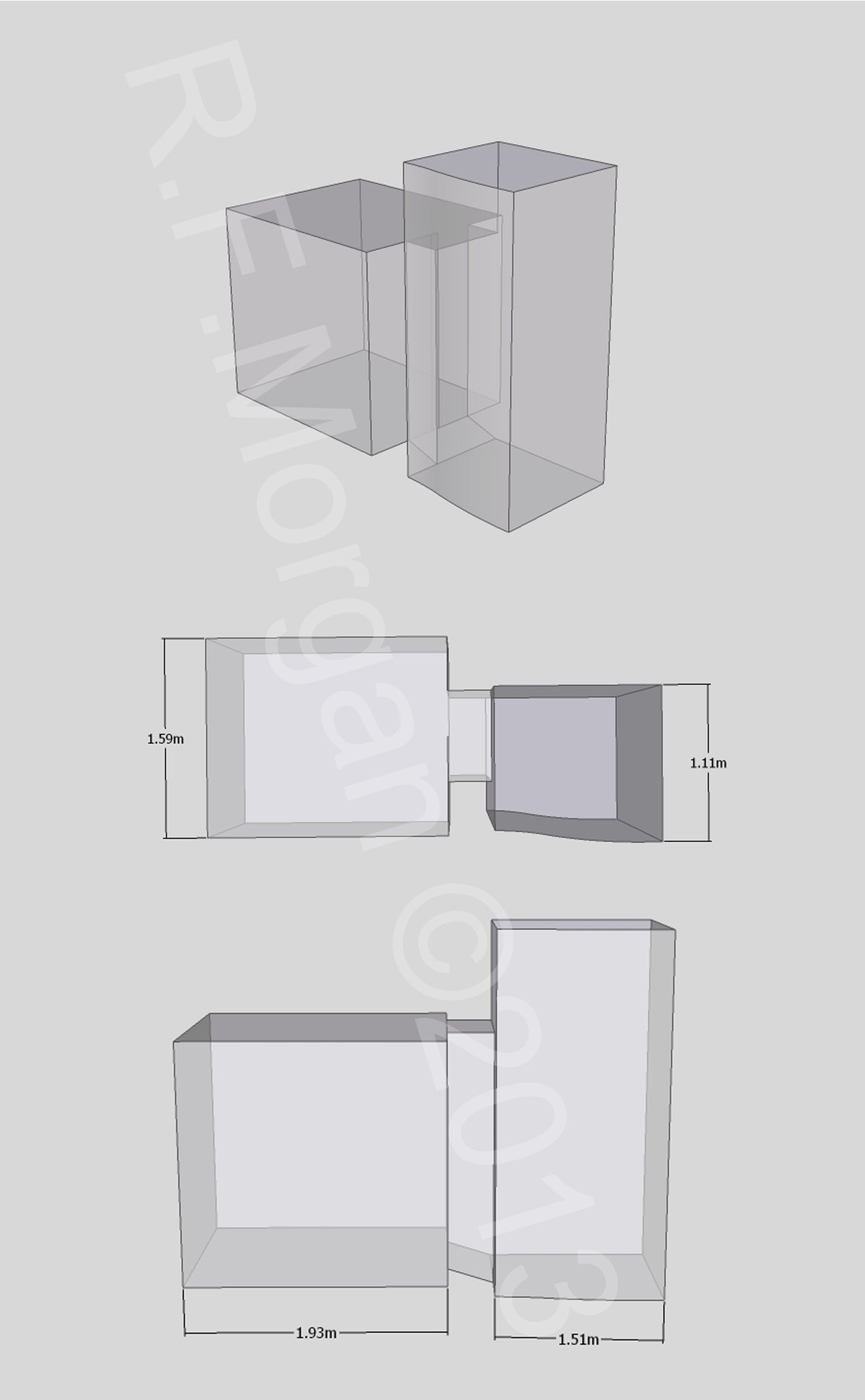
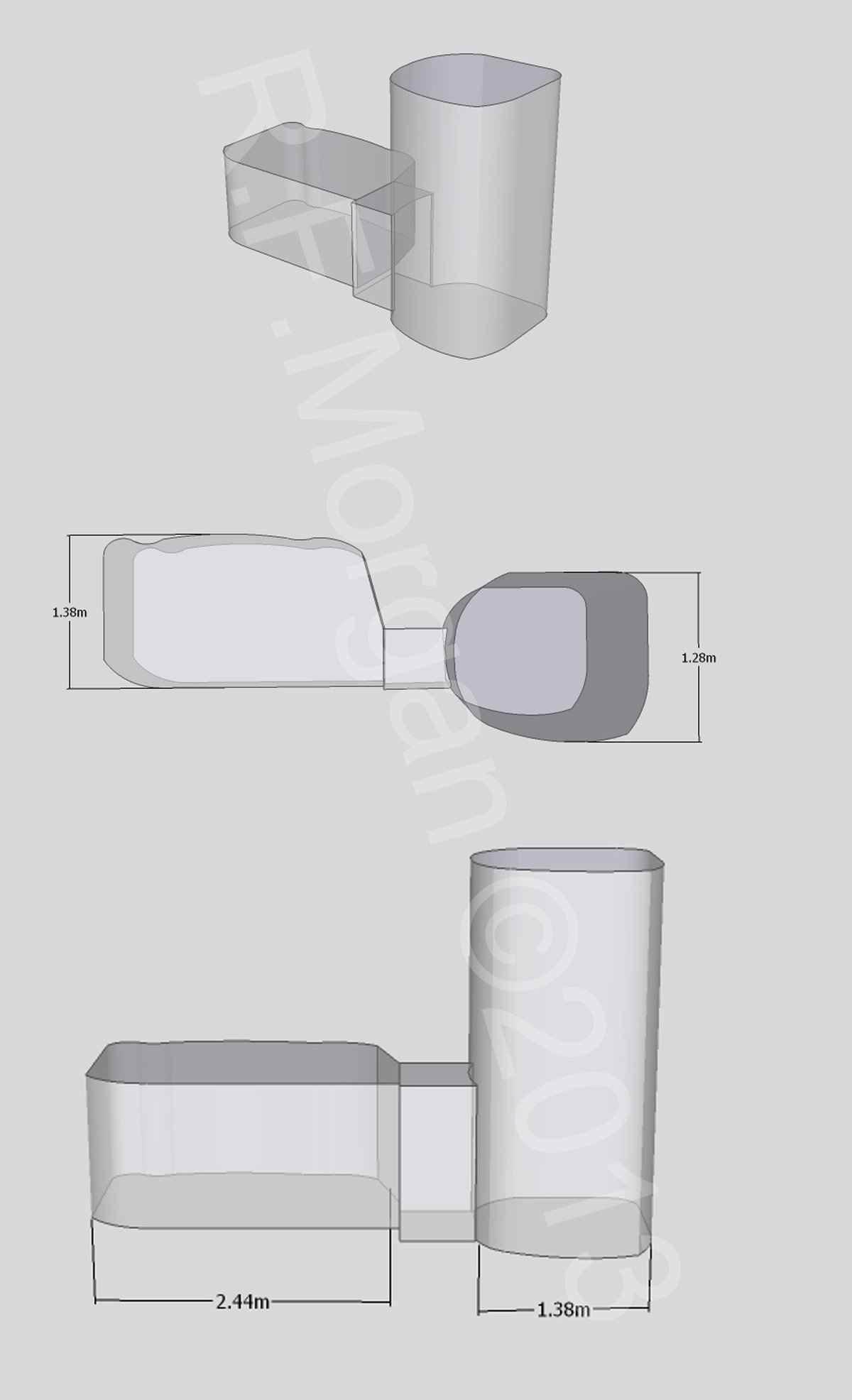
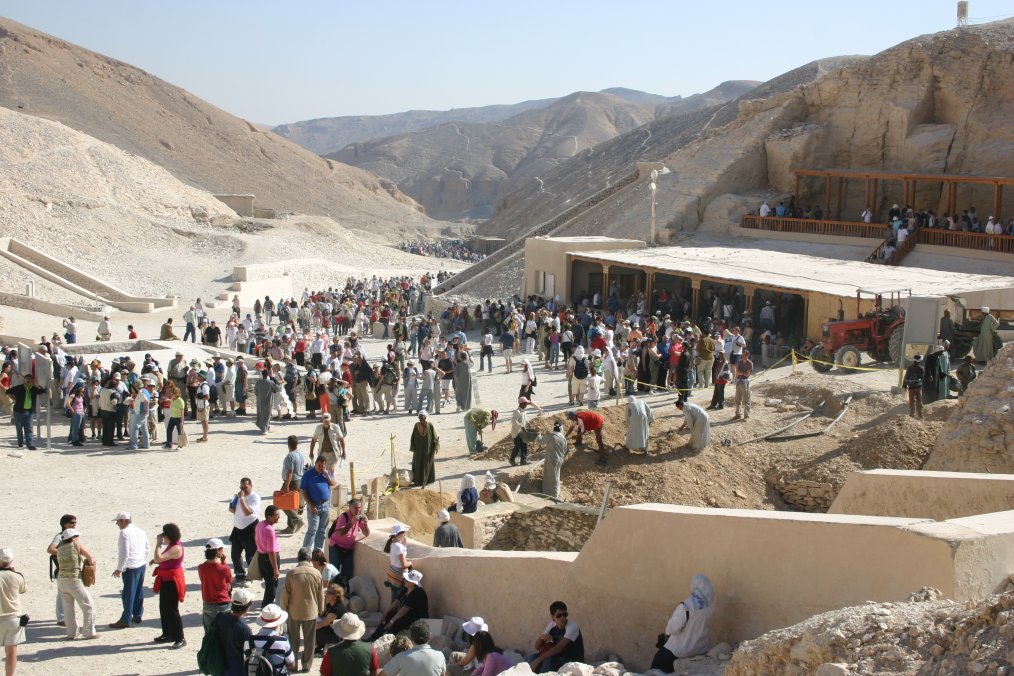
Tomb KV58, also known as the Chariot Tomb, is located in the Valley of the Kings in Egypt. It was discovered in January 1909 by Harold Jones, who was excavating on behalf of Theodore M. Davis. While Davis originally attributed the discovery to Edward Ayrton in 1907, Jones's work revealed a shaft leading to a single chamber situated between the tomb of Horemheb (KV57) and the Gold Tomb (KV56).
Excavation of the shaft revealed box handles, knobs, pieces of gold foil, small uraei, and pieces of faience inlay at a depth of 6 feet (1.8 m). The shaft opened to the west onto a chamber filled with 2-3 feet (0.61-0.91 m) of water-deposited fill. This fill contained an alabaster ushabti and more gold foil. Although Davis reported that the gold foil was found in a broken box on the floor, Jones's journals indicate that the gold was actually found within the fill of both the shaft and the chamber.
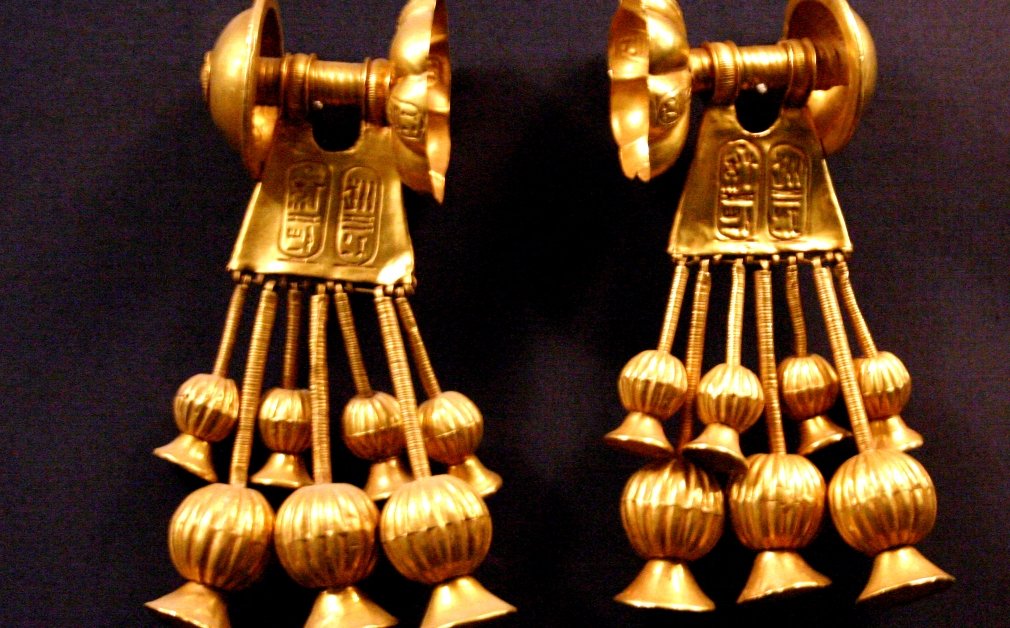
Because of its proximity to KV57, KV58 was likely cut as a satellite tomb. The uninscribed ushabti found inside may indicate an earlier use of the space. The box handles, knobs, and gold foil bear the names of Tutankhamun, Ankhesenamun, and the royal and non-royal names of Ay. The gold foil is embossed with designs of a king defeating enemies with a mace and chariot, as well as floral designs. These fragments likely represent the remains of at least one chariot, possibly deposited by robbers during the official dismantling of royal burials at the end of the New Kingdom.
Sources: Wikipedia, OpenStreetMap, Wikidata, Wikimedia Commons
Written by Mutabor
Discuss this with the author and others
No comments yet. Be the first to start the conversation.