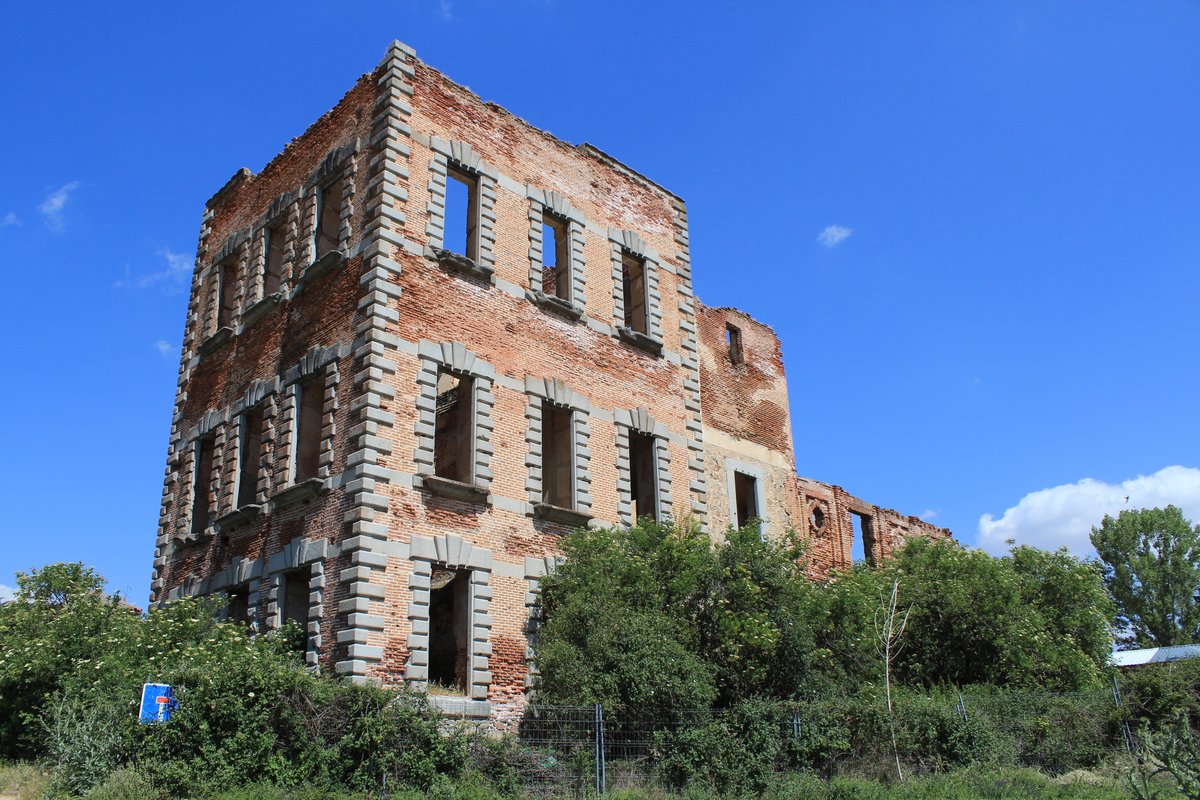

In 1552, King Philip II began construction of the Royal Palace of Valsain in the woods of Segovia. After returning from a tour of France, England, and the Netherlands, the King sought to incorporate Flemish architectural features into the Spanish landscape. The palace featured steeply pitched slate roofs and slated spires, elements that were previously unknown in Spain but eventually became characteristic of the Habsburg architectural style.
The palace served as the birthplace of Princess Isabella Clara Eugenia, the daughter of Philip II and Elisabeth of Valois, who later became sovereign of the Spanish Netherlands. The site was also visited in 1623 by the English Prince Charles during the "Spanish match," who admired the building's situation and its orchards.
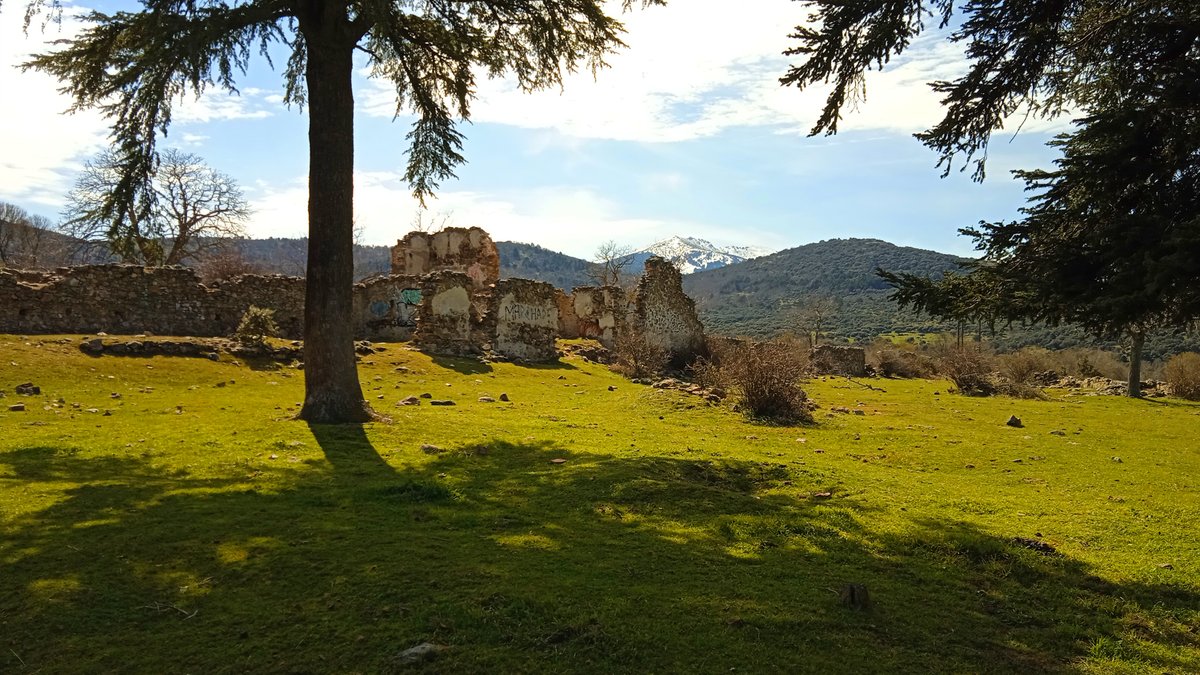
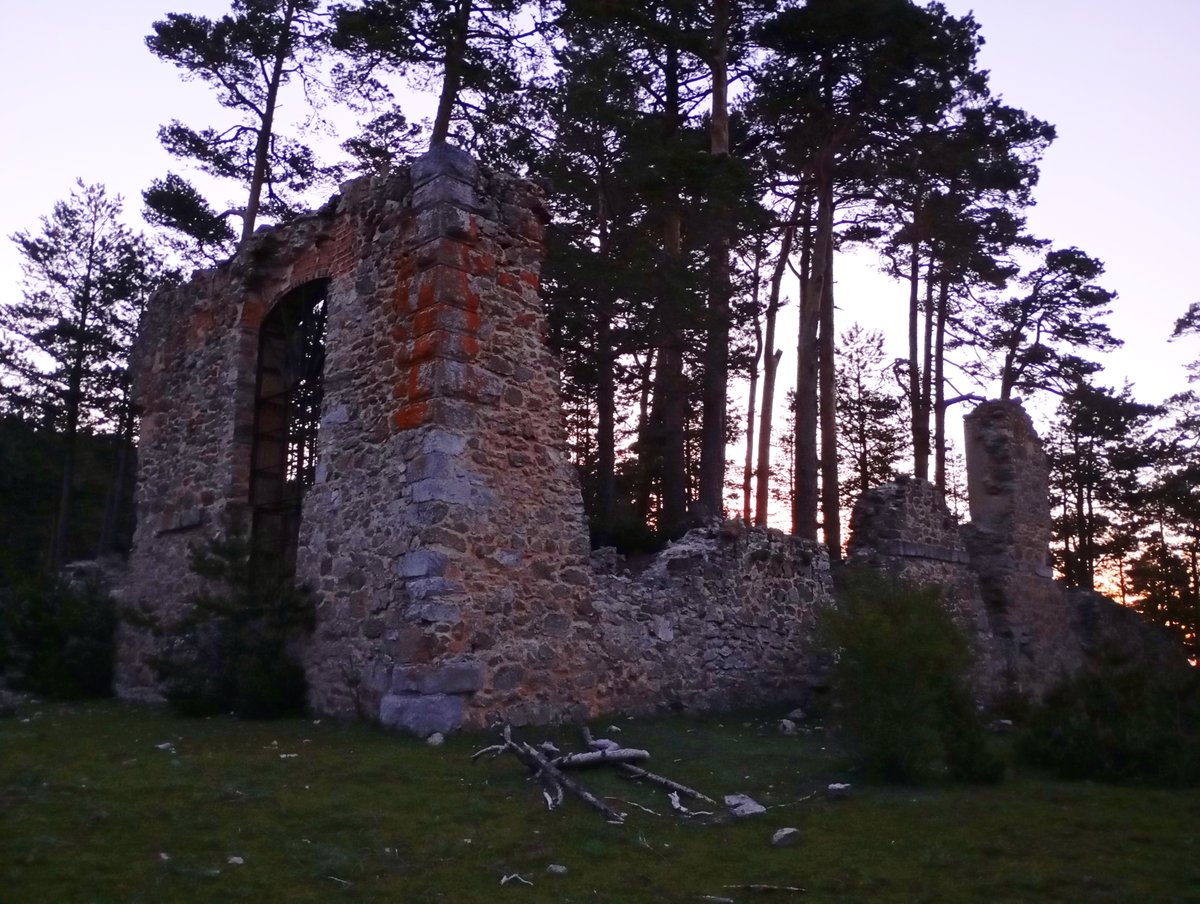
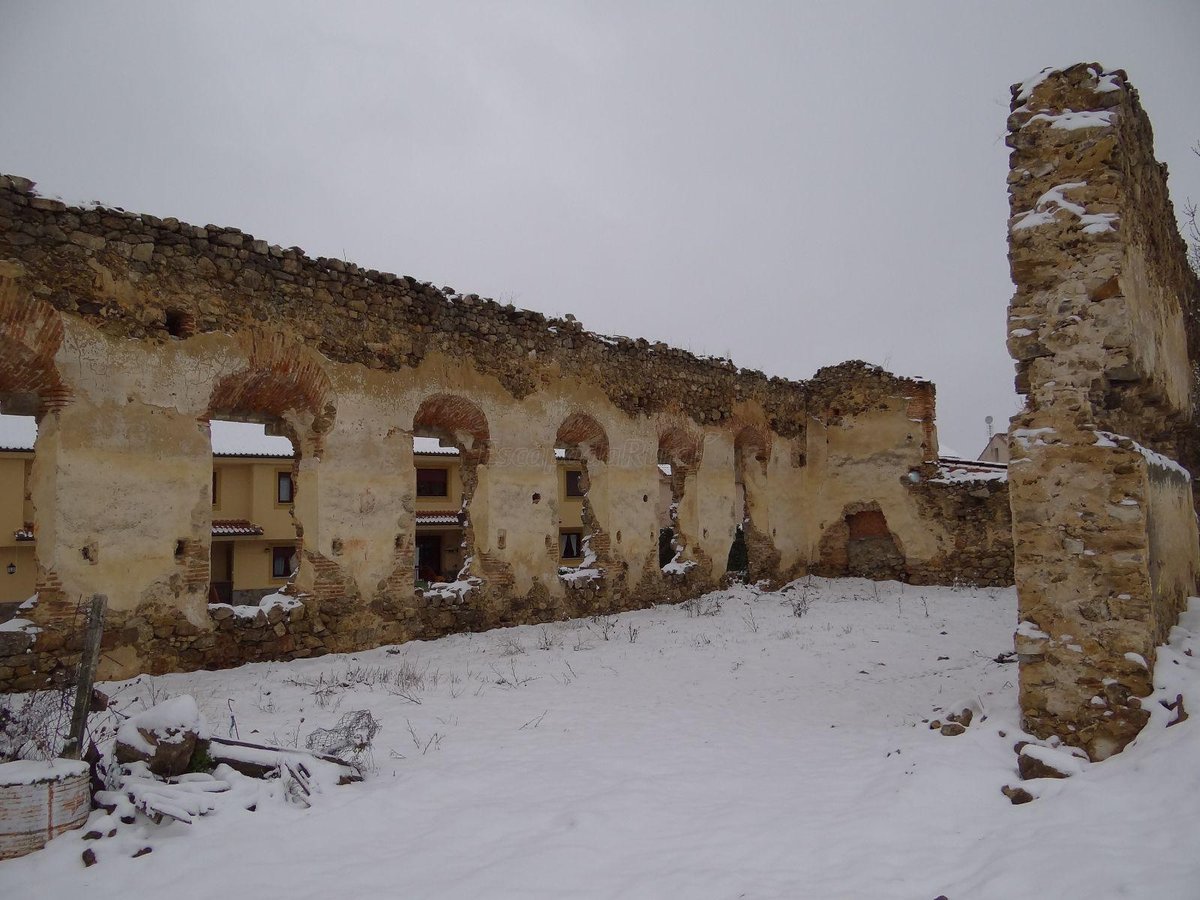
The palace met its end on 22 October 1682, when it burned down to a shell. Due to the political situation in Spain and the crisis surrounding the succession, King Charles II was unable to restore the palace. His successor, Philip V, built the Royal Palace of La Granja de San Ildefonso close by. Today, only the ruins of the palace remain in the forest.
Sources: Wikipedia, OpenStreetMap, Wikidata, Wikimedia Commons
Written by Nicolo Ciampini
Discuss this with the author and others
No comments yet. Be the first to start the conversation.