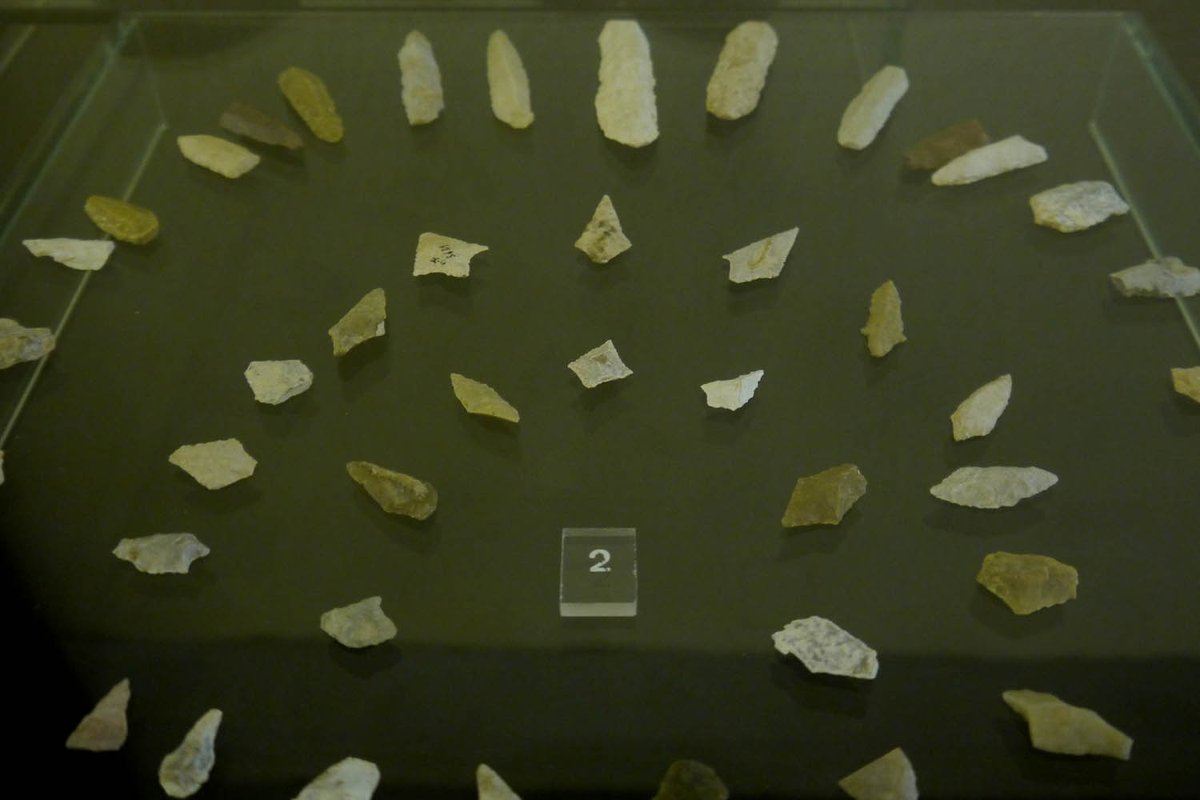

Yacimiento de Las Amoladeras, a conserved archaeological site in Spain's Cartagena, draws the attention of marine archaeologists. Beneath the sea, just off the shores of Playa de las Amoladeras, diverse objects have been found, not just from the 1st century BCE Roman Republic era, but also from the 19th century. In the Roman period yacimiento, various lead objects were discovered, including potential remains of a sunken ship. Among the items discovered were tubes resembling those used for water supply in ancient Rome, projectiles, ship coverings, monetales with Iberian inscriptions, and other non-metallic objects such as ceramics and broken amphorae.
A unique and fascinating find is a small golden pendant, often interpreted as an amulet or phallic idol, depicting testicles and a vulva, suggesting a possible religious or superstitious purpose. At about 500 meters south of the Roman period yacimiento, a 19th-century yacimiento was discovered. The objects from both yacimientos are now preserved in the Museo Nacional de Arqueología Subacuática (ARQVA) of Cartagena, along with remains from other submerged sites in Spain such as Mazarrón, Bajo de la Campana, Nuestra Señora de las Mercedes, Escombreras, Pecio de Navidad, San Ferreol, Punta de Algas, and Pecio Cartagena I.
Sources: Wikipedia, OpenStreetMap, Wikimedia Commons
Written by Nicolo Ciampini
Discuss this with the author and others
No comments yet. Be the first to start the conversation.